



Supplements—when muscle gains go too far
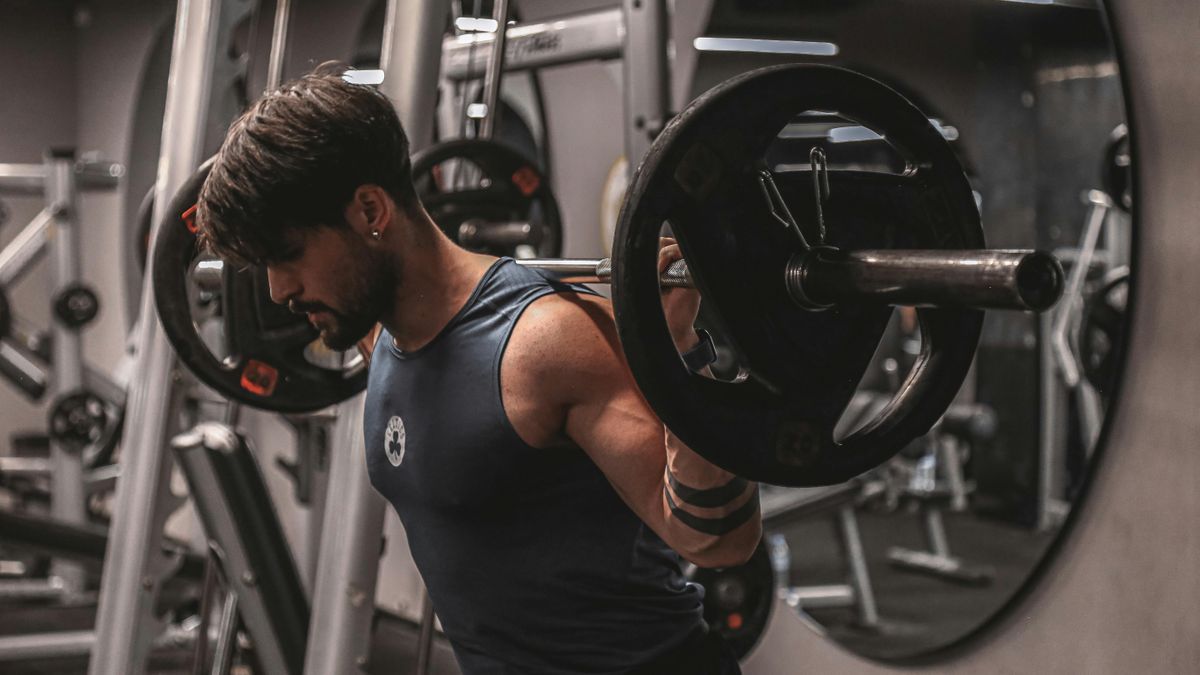
Watch your supplements! A new Canadian study just linked popular muscle-building supplements (like whey protein and creatine) to heightened risk of muscle dysmorphia—a psychological condition fueled by the relentless drive for more muscle. Could your daily shake be feeding more than just gains?
Key facts and findings
Free Guide: The 30s Longevity Guide for Women
The Critical Decade for Muscle, Bones, Metabolism & Hormones
(Evidence-based protocols for the decade that determines your health at 50, 60, 70)
By subscribing you will also be signed up for the New Zapiens newsletter
25,000+ Downloads • 100% Free

- Big sample: Over 2,700 adolescents and young adults took part in the national survey.
- Supplement stack: Whey, creatine, pre-workout—each was associated with higher muscle dysmorphia scores.
- Clinical red flag: Using multiple products boosted odds of hitting the clinical cutoff for muscle dysmorphia.
- Gender nuances: While men were bigger users overall, women showed stronger links between product use and dysmorphia symptoms.
Additional context and expert insight
Muscle dysmorphia (a specifier of body dysmorphic disorder) involves obsessive thoughts, intense workout regimens, and body-image struggles. Researchers note that certain supplements, especially creatine or mass gainers, might reinforce this relentless “must get bigger” mindset. Yet ironically, many users reported less “appearance intolerance,” perhaps because supplements help them feel closer to their physique goals.
“This study highlights the complex ways supplements interact with body image,” says one investigator. “We need more education for younger consumers.”
Looking ahead
Expect more scrutiny of how these products—still loosely regulated—affect mental and physical health. Meanwhile, if you’re stacking powders and pills, keep tabs on your mindset. Balancing workouts with proper nutrition—and maybe chatting with a health professional—could help dodge the slippery slope of muscle obsession.
References
Free weekly newsletter
Your weekly brief on
living longer – without
overhauling your life
10,000+ readers get smarter about their health every Thursday. Join them.
- Science broken down for real life
- Daily health routines from leading experts
- Free health guides & tools every week
No spam. Unsubscribe anytime.
Read by 10.000+ health-conscious readers.


Author: Fabian Peters
Nature lover, health enthusiast, managing director and editorial director of the health portal Heilpraxinet.de
You might also like