Knowledge
Magazine
-

The Honest Science of Living Longer: In Conversation With Eric Verdin, President and CEO of the Buck Institute
11 min read
-

Five Evidence-Backed Habits to Protect Your Brain (From a Neuropsychiatrist Who Diagnoses Dementia)
8 min read
-

The 24-Hour Sleep Model: Why Better Sleep Starts the Morning Before
8 min read
Weekly picks on longevity, brands, and health science. No spam—unsubscribe anytime.
Tools
- →The 30s Longevity Guide for Women
- →Postpartum Recovery Guide
- →Perimenopause Longevity Guide
- →Dopamine Reset Guide
- →Pregnancy Longevity Guide
- →Peptide Guide
- →Home Detox Guide
- →Slow Aging Guide
- →Pro Supplement Guide
- →Safe Supplement Guide
- →Bio Age Calculator
- →Blood Testing Guide
- →Deep Sleep Guide
- →Pro Longevity Dashboard
By Category
By Goal
Knowledge
- →What is Longevity?
- →Improve diet
- →More focus
- →Look younger
- →Lose weight
- →Track biomarkers
- →Improve sleep
- →Build muscle
- →Increase cardio
- →Detect diseases
- →Recover faster
- →Relieve stress
Magazine
-
The Honest Science of Living Longer: In Conversation With Eric Verdin, President and CEO of the Buck Institute
11 min read
-
Five Evidence-Backed Habits to Protect Your Brain (From a Neuropsychiatrist Who Diagnoses Dementia)
8 min read
-
The 24-Hour Sleep Model: Why Better Sleep Starts the Morning Before
8 min read
Weekly picks on longevity, brands, and health science. No spam—unsubscribe anytime.
Brands
- →Apps
- →At Home Tests & Kits
- →Events
- →Experts & Clinics
- →Foods & Beverages
- →Gadgets & Equipment
- →Gyms & Workouts
- →Supplements
- →Travel & Retreats
- →Wearables & Trackers
Tools
- →The 30s Longevity Guide for Women
- →Postpartum Recovery Guide
- →Perimenopause Longevity Guide
- →Dopamine Reset Guide
- →Pregnancy Longevity Guide
- →Peptide Guide
- →Home Detox Guide
- →Slow Aging Guide
- →Pro Supplement Guide
- →Safe Supplement Guide
- →Bio Age Calculator
- →Blood Testing Guide
- →Deep Sleep Guide
- →Pro Longevity Dashboard

Discover
Connect
Heinrich Tessendorf
Level 1
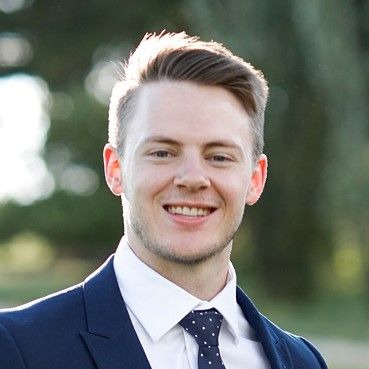
Heinrich Tessendorf is the founder of AgeShift, offering personal training in Berlin (Prenzlauer Berg, Mitte) and online. He focuses on helping people stay strong, mobile, and pain-free well into their later decades. With a background in tech, pharma, and decentralized science, Heinrich combines scientific rigor with practical coaching to make exercise the foundation of healthspan. Most of his work is in-person, where movement remains the most powerful driver of long-term. He also writes about the science of longevity and guides clients through evidence-based training and recovery methods. Learn more at Age-Shift.com.
Supplements


My Routines
Check Oura Ring: I start the day by checking my Oura data to gauge recovery, readiness, and sleep quality - it helps guide how hard I'll train or whether I should focus on recovery.
Eat 1 Brazil Nut: For selenium and thyroid support.
Pour-Over Coffee (with Paper Filter): Paper filters reduce diterpenes like cafestol and kahweol, which can elevate LDL cholesterol.
Protein Shake: 40 g total protein from a mix of whey isolate, whey concentrate, and pea protein - covering a full amino acid profile and balanced digestion rate. I add:
5 g glutamine for gut lining support and muscle recovery
8 g creatine for strength, muscle volume, and cognitive performance
15 g collagen peptides (first serving of the day)
200 mg magnesium complex plus my regular morning stack (omega-3, vitamin D3 + K2, glycine, and others)
1 banana for potassium
Daily Nutrition Overview
Protein is consistent across the day - roughly 40 g per meal, four times daily.
Example:
Breakfast shake (40 g)
Lunch: ~200 g salmon (40 g protein)
Snack: Skyer yogurt with seeds
Dinner: Lean meat or fish with vegetables and olive oil
Total: ~160 g protein/day, evenly distributed to maintain muscle protein synthesis and metabolic stability.
Evening Routine & Supplements
In the evening, I take my second 15 g serving of collagen. Before bed, I eat one kiwi, which helps improve sleep onset and quality thanks to its serotonin and antioxidant content. My evening stack focuses on recovery and nervous system calm - typically including magnesium glycinate or threonate, glycine, and sometimes L-theanine or apigenin, depending on stress or sleep quality. The goal is to shift the body into a low-stress, parasympathetic state and support overnight tissue repair.