Knowledge
Magazine
-

The 24-Hour Sleep Model: Why Better Sleep Starts the Morning Before
8 min read
-

Eating for Longevity: Lessons From the World's Oldest People
9 min read
-

The Summer Health Kit: Supplies and Gadgets for Hot Days and Warm Nights
9 min read
Weekly picks on longevity, brands, and health science. No spam—unsubscribe anytime.
Tools
- →The 30s Longevity Guide for Women
- →Postpartum Recovery Guide
- →Perimenopause Longevity Guide
- →Dopamine Reset Guide
- →Pregnancy Longevity Guide
- →Peptide Guide
- →Home Detox Guide
- →Slow Aging Guide
- →Pro Supplement Guide
- →Safe Supplement Guide
- →Bio Age Calculator
- →Blood Testing Guide
- →Deep Sleep Guide
- →Pro Longevity Dashboard
By Category
By Goal
Knowledge
- →What is Longevity?
- →Improve diet
- →More focus
- →Look younger
- →Lose weight
- →Track biomarkers
- →Improve sleep
- →Build muscle
- →Increase cardio
- →Detect diseases
- →Recover faster
- →Relieve stress
Magazine
-
The 24-Hour Sleep Model: Why Better Sleep Starts the Morning Before
8 min read
-
Eating for Longevity: Lessons From the World's Oldest People
9 min read
-
The Summer Health Kit: Supplies and Gadgets for Hot Days and Warm Nights
9 min read
Weekly picks on longevity, brands, and health science. No spam—unsubscribe anytime.
Brands
- →Apps
- →At Home Tests & Kits
- →Events
- →Experts & Clinics
- →Foods & Beverages
- →Gadgets & Equipment
- →Gyms & Workouts
- →Supplements
- →Travel & Retreats
- →Wearables & Trackers
Tools
- →The 30s Longevity Guide for Women
- →Postpartum Recovery Guide
- →Perimenopause Longevity Guide
- →Dopamine Reset Guide
- →Pregnancy Longevity Guide
- →Peptide Guide
- →Home Detox Guide
- →Slow Aging Guide
- →Pro Supplement Guide
- →Safe Supplement Guide
- →Bio Age Calculator
- →Blood Testing Guide
- →Deep Sleep Guide
- →Pro Longevity Dashboard

Discover
Connect
Longevity Knowledge BETA
Probiotics
Table of Contents
What probiotics are (and aren't)
Probiotics are live microorganisms that, when consumed in adequate amounts, produce a measurable health benefit. The WHO established this definition in 2001, and it contains two points worth remembering: the organisms must be alive at the time you swallow them, and the benefit must be proven for a specific strain at a specific dose. Lactobacillus rhamnosus GG and Lactobacillus rhamnosus HN001 belong to the same species, yet their clinical evidence is completely different. Strain identity matters more than the name on the label.
How probiotics work in the gut
Probiotics don't simply "add good bacteria." They act through several distinct mechanisms. They compete with harmful microbes for binding sites on the intestinal wall (a process called competitive exclusion), produce antimicrobial compounds like bacteriocins and organic acids, and strengthen the gut barrier by stimulating mucin production and tight junction proteins [1]. Beyond the gut itself, probiotics shape systemic immunity. They boost secretory IgA, help regulate the balance between pro-inflammatory Th17 cells and anti-inflammatory regulatory T cells, and shift cytokine profiles toward lower chronic inflammation [2]. A 2023 meta-analysis confirmed that probiotics significantly reduce circulating CRP, IL-6, and TNF-alpha, all markers tied to accelerated biological aging [3].
Strains with the strongest evidence
Lactobacillus rhamnosus GG (LGG) is the most studied probiotic strain in the world. Clinical trials support its use for preventing antibiotic-associated diarrhea, reducing acute infectious diarrhea duration in children, and lowering atopic dermatitis risk [4]. Saccharomyces boulardii, a probiotic yeast unaffected by antibiotics, has strong evidence against Clostridioides difficile infection and traveler's diarrhea. Bifidobacterium infantis 35624 has shown significant IBS symptom relief across all subtypes in multiple randomized controlled trials. VSL#3, a high-dose multi-strain mix, has been studied for ulcerative colitis maintenance. For cholesterol, a meta-analysis found that Lactobacillus acidophilus and L. plantarum reduced total cholesterol by about 7.8 mg/dL and LDL by 7.3 mg/dL over 3 to 12 weeks [4].
Probiotics, aging, and the microbiome
The gut microbiome loses diversity with age. Beneficial genera like Bifidobacterium and Faecalibacterium decline, while potentially harmful taxa increase, fueling the chronic low-grade inflammation known as "inflammaging" [5]. But this trajectory isn't fixed. Studies of centenarians consistently show higher microbial diversity and elevated levels of butyrate-producing bacteria compared to younger elderly populations [6]. Probiotics, especially when combined with prebiotic fiber and fermented foods, can partially restore this diversity. The 2021 Stanford fermented foods trial found that 6 daily servings of yogurt, kefir, kimchi, sauerkraut, and kombucha significantly increased microbial diversity and reduced 19 inflammatory markers, including IL-6, over just 10 weeks [7].
Dosing and practical guidance
Effective probiotic doses range widely. Some Bifidobacterium strains work at 1 to 5 billion CFU per day, while certain Lactobacillus strains need 10 to 20 billion CFU. For preventing antibiotic-associated diarrhea, ESPGHAN recommends at least 5 billion CFU/day of LGG or S. boulardii, started within 2 days of the first antibiotic dose [4]. Always look for products that name specific strains (not just species), guarantee CFU at expiration (not at manufacture), and cite clinical evidence for your particular concern. Take probiotics with or just before a meal containing some fat, which buffers stomach acid and improves bacterial survival. Allow 2 to 4 weeks for digestive effects and 8 to 12 weeks for immune or mood-related benefits.
Safety
Common probiotic genera (Lactobacillus, Bifidobacterium, Saccharomyces) have an excellent safety record in healthy people. Side effects are typically limited to temporary bloating or gas during the first few days. However, probiotics should be used cautiously in severely immunocompromised patients, those with central venous catheters, or critically ill individuals, where rare cases of bacteremia and fungemia have been reported [4].
References
- 1. Probiotics fortify intestinal barrier function: a systematic review and meta-analysis of randomized trials (Frontiers in Immunology, 2023)
- 2. The Potential Impact of Probiotics on Human Health: An Update on Their Health-Promoting Properties (Microorganisms, 2024)
- 3. Probiotics and gastrointestinal disorders: an umbrella meta-analysis of therapeutic efficacy (PMC, 2025)
- 4. Probiotics - Health Professional Fact Sheet (NIH Office of Dietary Supplements, 2024)
- 5. The gut microbiota and aging: interactions, implications, and interventions (Frontiers in Aging, 2025)
- 6. From dysbiosis to longevity: a narrative review into the gut microbiome's impact on aging (PMC, 2025)
- 7. Gut-microbiota-targeted diets modulate human immune status - Stanford fermented food trial (Cell, 2021)
Choose by strain, not by species
Take probiotics with a meal
Combine supplements with fermented foods
Start probiotics early when taking antibiotics
Give probiotics enough time to work
Do probiotics actually colonize the gut permanently?
Can probiotics help with weight loss?
Are probiotics safe to take every day long-term?
What's the difference between probiotics, prebiotics, and postbiotics?
Do I need to refrigerate my probiotics?

Gut health & the microbiome: improving and maintaining the microbiome, probiotics, prebiotics, innovative treatments, and more | Colleen Cutcliffe, Ph.D.
No discussions yet
Be the first to start a discussion about Probiotics.
Related Articles


Related Brands

Viome

Viome offers at-home microbiome health tests and custom-formulated supplements and probiotics for gut health, oral health, and full-body health. Their solutions include personalized nutrition recommendations based on microbiome analysis.
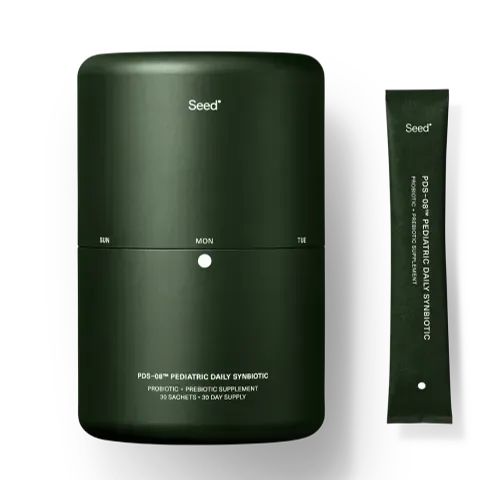
Seed
Seed offers advanced probiotics and synbiotics designed to support gut, vaginal, and overall health. Their products are rooted in rigorous scientific research and are developed with sustainability and efficacy in mind. Moreover, Seed Health pioneers microbiome science for human and planetary health. Utilizing advanced computational biology, microbial genomics, and ultra-deep sequencing, Seed Health develops innovative products and solutions for health and sustainability.
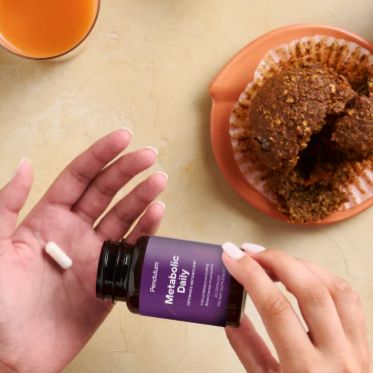
Pendulum
Pendulum offers next-generation probiotics designed to support gut health, metabolism, and overall well-being. Their products, including strains like Akkermansia and GLP-1 Probiotic, are backed by rigorous scientific research and clinical trials, making them a trusted choice for those looking to optimize their gut microbiome.
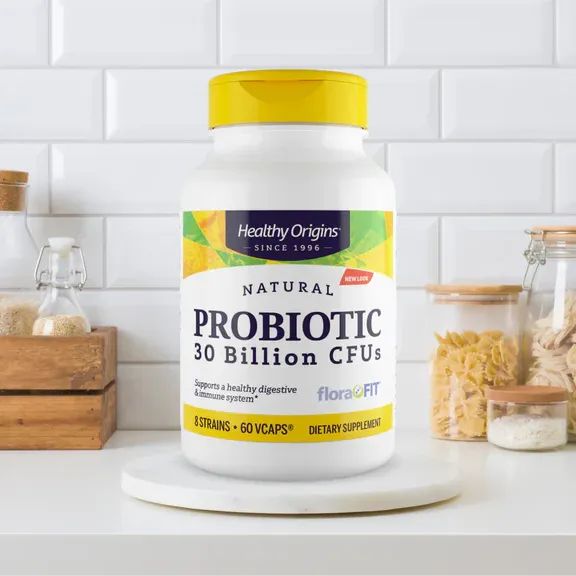
Healthy Origins
Healthy Origins provides a wide range of high-quality nutritional supplements designed to support overall health and wellness. Their products include vitamins, minerals, probiotics, and specialty supplements formulated with the highest standards of quality and purity.

Fairvital
Fairvital offers a wide range of high-quality bioactive nutritional supplements designed to support health and well-being, including vitamins, minerals, plant extracts, and more, catering to various health needs.
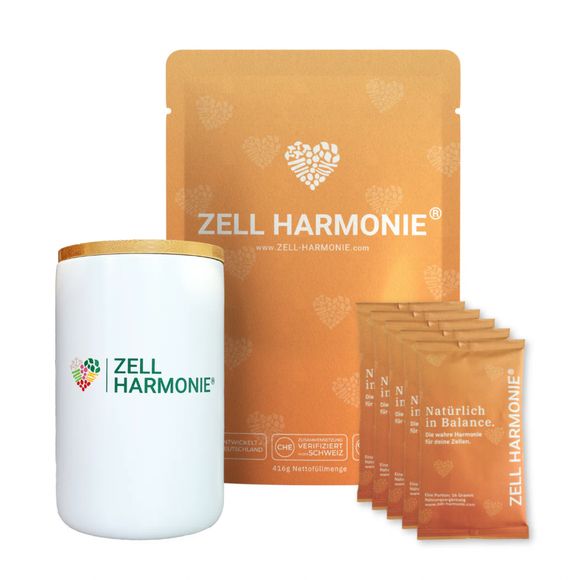
Zell Harmonie
Zell Harmonie® is a German-developed dietary supplement that combines 49 natural ingredients to promote cellular health and enhance overall well-being. It integrates traditional naturopathy with modern scientific insights, supporting areas such as stress resilience, hormonal balance, performance, and cell protection.
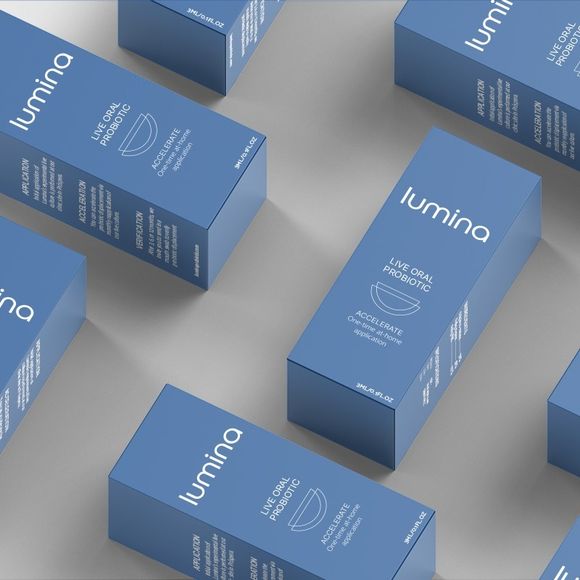
Lumina Probiotic
Lumina Probiotic is an innovative oral care solution that introduces a genetically modified strain of Streptococcus mutans (BCS3-L1) to displace harmful bacteria in the mouth, aiming to improve dental health by reducing lactic acid production.
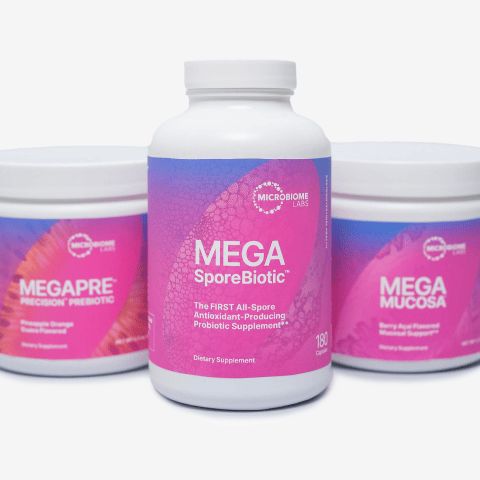
Microbiome Labs
Microbiome Labs specializes in innovative, research-backed probiotic and gut health supplements designed to support digestive, immune, metabolic, and cognitive health.
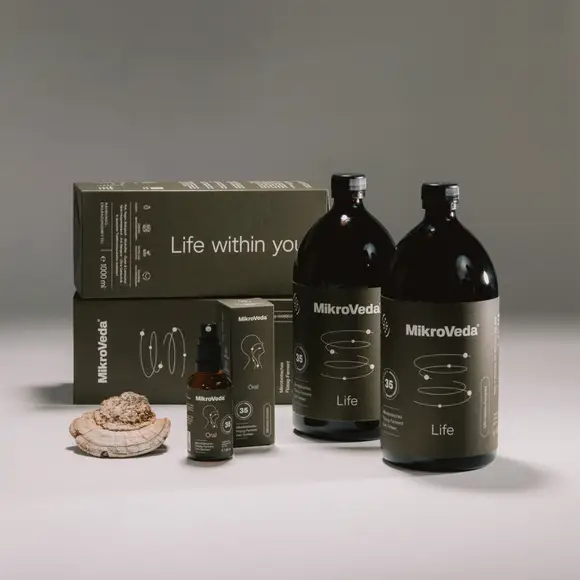
MikroVeda
MikroVeda is a German company specializing in the development and production of natural, probiotic products aimed at restoring and maintaining microbiome balance in humans, animals, and the environment. Their offerings include dietary supplements, natural cosmetics, household cleaners, and agricultural solutions, all crafted through traditional fermentation processes using beneficial microorganisms.
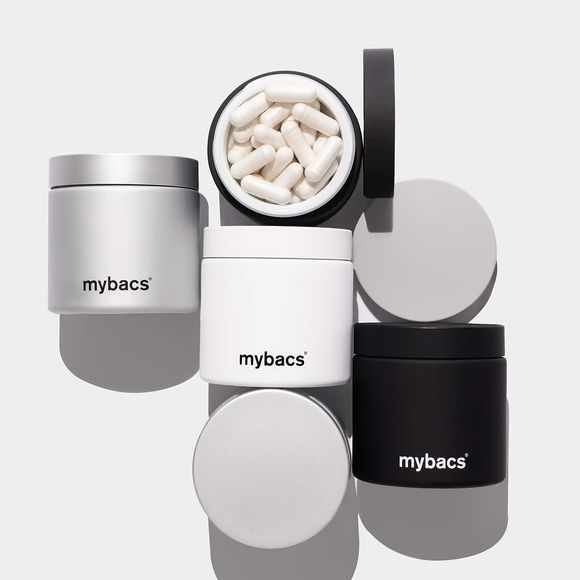
mybacs
mybacs® is a Swiss-designed microbiome-focused supplement line offering personalized synbiotic formulas—combining probiotics, prebiotics, postbiotics, and targeted boosters—to support digestion, metabolic balance, immunity, mood, skin, and more. Developed by experts, allergen‑free and delivered via convenient subscription.