Knowledge
Magazine
-

The 24-Hour Sleep Model: Why Better Sleep Starts the Morning Before
8 min read
-

Eating for Longevity: Lessons From the World's Oldest People
9 min read
-

The Summer Health Kit: Supplies and Gadgets for Hot Days and Warm Nights
9 min read
Weekly picks on longevity, brands, and health science. No spam—unsubscribe anytime.
Tools
- →The 30s Longevity Guide for Women
- →Postpartum Recovery Guide
- →Perimenopause Longevity Guide
- →Dopamine Reset Guide
- →Pregnancy Longevity Guide
- →Peptide Guide
- →Home Detox Guide
- →Slow Aging Guide
- →Pro Supplement Guide
- →Safe Supplement Guide
- →Bio Age Calculator
- →Blood Testing Guide
- →Deep Sleep Guide
- →Pro Longevity Dashboard
By Category
By Goal
Knowledge
- →What is Longevity?
- →Improve diet
- →More focus
- →Look younger
- →Lose weight
- →Track biomarkers
- →Improve sleep
- →Build muscle
- →Increase cardio
- →Detect diseases
- →Recover faster
- →Relieve stress
Magazine
-
The 24-Hour Sleep Model: Why Better Sleep Starts the Morning Before
8 min read
-
Eating for Longevity: Lessons From the World's Oldest People
9 min read
-
The Summer Health Kit: Supplies and Gadgets for Hot Days and Warm Nights
9 min read
Weekly picks on longevity, brands, and health science. No spam—unsubscribe anytime.
Brands
- →Apps
- →At Home Tests & Kits
- →Events
- →Experts & Clinics
- →Foods & Beverages
- →Gadgets & Equipment
- →Gyms & Workouts
- →Supplements
- →Travel & Retreats
- →Wearables & Trackers
Tools
- →The 30s Longevity Guide for Women
- →Postpartum Recovery Guide
- →Perimenopause Longevity Guide
- →Dopamine Reset Guide
- →Pregnancy Longevity Guide
- →Peptide Guide
- →Home Detox Guide
- →Slow Aging Guide
- →Pro Supplement Guide
- →Safe Supplement Guide
- →Bio Age Calculator
- →Blood Testing Guide
- →Deep Sleep Guide
- →Pro Longevity Dashboard

Discover
Connect
Longevity Knowledge BETA
Zinc
Table of Contents
What zinc actually does in your body
Zinc is a cofactor in over 300 enzymes. It's involved in DNA repair, protein synthesis, cell division, hormone production, and immune regulation. Your body can't store it, which means you need a steady supply from food or supplements. The recommended daily intake is 11 mg for men and 8 mg for women, though needs increase during pregnancy, breastfeeding, and periods of high physical stress [1].
What makes zinc particularly relevant for longevity is its connection to immunosenescence, the gradual decline of immune function with age. A 2023 narrative review found that zinc deficiency accelerates age-related changes in blood cell production and increases susceptibility to infections, autoimmune conditions, and certain cancers [2]. Population data from the NIH suggests that 35-45% of adults over 60 have zinc intakes below recommended levels [1]. That's a problem, because even marginal deficiency impairs immune surveillance and wound healing without producing obvious symptoms.
Zinc and immune function: what the evidence says
The 2024 Cochrane review on zinc and the common cold analyzed 34 trials with 8,526 participants. The conclusion: zinc can shorten cold duration by roughly two days when taken at symptom onset, but it doesn't do much for prevention [3]. That's consistent with what we know about zinc's mechanism. It supports T-cell and B-cell maturation, regulates inflammatory cytokines, and maintains barrier function in the gut and respiratory tract. When you're already fighting an infection, extra zinc gives your immune system more raw material to work with.
A systematic review and meta-analysis of randomized clinical trials found that zinc supplementation decreased C-reactive protein, TNF-alpha, and IL-6 levels while increasing CD3 and CD4 T-cell counts [4]. These are markers that matter for long-term health, not just acute infections. Chronic low-grade inflammation (sometimes called inflammaging) is a driver of cardiovascular disease, neurodegeneration, and metabolic dysfunction. Maintaining adequate zinc status is one way to keep that inflammatory baseline in check.
Zinc, testosterone, and hormonal health
A 2022 systematic review confirmed a clear correlation between serum zinc levels and testosterone concentrations [5]. In one often-cited clinical trial, older men with marginal zinc deficiency who supplemented for six months nearly doubled their testosterone levels. That said, the effect is strongest in people who are actually deficient. If your zinc levels are already normal, supplementing more won't keep pushing testosterone higher. Zinc also supports thyroid hormone conversion (T4 to T3) and is needed for proper insulin signaling, making it relevant for metabolic health broadly.
Zinc and aging: telomeres, inflammation, and cellular repair
A cross-sectional study of 3,793 US adults found that every 5 mg increase in daily zinc intake was associated with 0.64% longer telomere length in people aged 45 and older [6]. Laboratory research has shown that zinc sulfate treatment increases telomerase activity and reduces the percentage of senescent cells in mesenchymal stem cells [7]. The mechanism likely involves metallothioneins, zinc-dependent proteins that function as antioxidants and protect DNA from oxidative damage.
Research on zinc and the gut microbiome adds another layer. Both zinc deficiency and excess alter microbial composition, particularly affecting populations of Lactobacillus and Akkermansia species that are associated with gut barrier integrity [8]. The relationship between zinc status, gut health, and systemic inflammation is bidirectional: poor zinc status weakens the gut barrier, which increases inflammation, which further depletes zinc.
Choosing a zinc supplement
Not all forms are equal. A 2024 narrative review comparing zinc supplement bioavailability found that zinc bisglycinate was 43% more bioavailable than zinc gluconate [9]. Zinc picolinate is the only form that significantly raised zinc levels in hair, urine, and red blood cells compared to placebo in head-to-head trials. Zinc oxide, despite containing the most elemental zinc per capsule, has the poorest absorption.
For general supplementation, zinc bisglycinate or zinc picolinate at 15-30 mg daily is a reasonable range. Take it with food to reduce nausea, and separate it from iron or calcium supplements by at least two hours, since they compete for absorption. If you supplement zinc long-term at doses above 25 mg, add 1-2 mg of copper to prevent zinc-induced copper depletion, a well-documented risk that can impair red and white blood cell function [1]. Intranasal zinc products should be avoided entirely due to documented cases of permanent loss of smell.
Who should test their zinc levels
Vegetarians and vegans (plant phytates block zinc absorption), older adults, athletes with heavy sweat losses, people with digestive disorders like Crohn's or celiac disease, and anyone taking proton pump inhibitors long-term. Serum zinc is the most common test, but red blood cell (RBC) zinc gives a more accurate picture of long-term status. If you're in a high-risk group, testing before supplementing lets you dose appropriately rather than guessing.
References
- 1. Zinc - Health Professional Fact Sheet (NIH Office of Dietary Supplements)
- 2. Zinc and aging: a narrative review of the effects on hematopoiesis and its link with diseases (Biogerontology, 2023)
- 3. Zinc for prevention and treatment of the common cold (Cochrane Review, 2024)
- 4. Zinc supplementation and immune factors in adults: a systematic review and meta-analysis of randomized clinical trials (Critical Reviews in Food Scien...
- 5. Correlation between serum zinc and testosterone: A systematic review (Journal of Trace Elements in Medicine and Biology, 2022)
- 6. Potential effect of dietary zinc intake on telomere length: A cross-sectional study of US adults (Frontiers in Nutrition, 2022)
- 7. Zinc sulfate contributes to promote telomere length extension via increasing telomerase gene expression (PLOS ONE, 2017)
- 8. The effect of dietary zinc on the composition of the gut microbiome (Critical Reviews in Food Science and Nutrition, 2024)
- 9. Comparative Absorption and Bioavailability of Various Chemical Forms of Zinc in Humans: A Narrative Review (Nutrients, 2024)
Test RBC zinc, not just serum
Add copper when supplementing zinc long-term
Prioritize animal-based zinc sources
Separate zinc from iron and calcium
Start zinc lozenges within 24 hours of cold symptoms
How much zinc should I take per day?
What are the signs of zinc deficiency?
Which form of zinc supplement is best absorbed?
Can zinc boost testosterone levels?
Can you take too much zinc?

Peptides: The Science, Uses & Safety | Dr. Abud Bakri

#106 How To Increase Your Testosterone Levels Naturally | Derek from MPMD

No.1 Herbal Medicine Expert: This Over The Counter Drug Is Quietly Killing You & They’re Lying About Medicinal Plants!
How to Enhance Your Immune System | Dr. Roger Seheult
#092 The Truth About Alcohol: Risks, Benefits, and Everything In-Between | Dr. Rhonda Patrick
How to Exercise & Eat for Optimal Health & Longevity | Dr. Gabrielle Lyon
No discussions yet
Be the first to start a discussion about Zinc.
Related Articles


Community Discussions
Related Brands
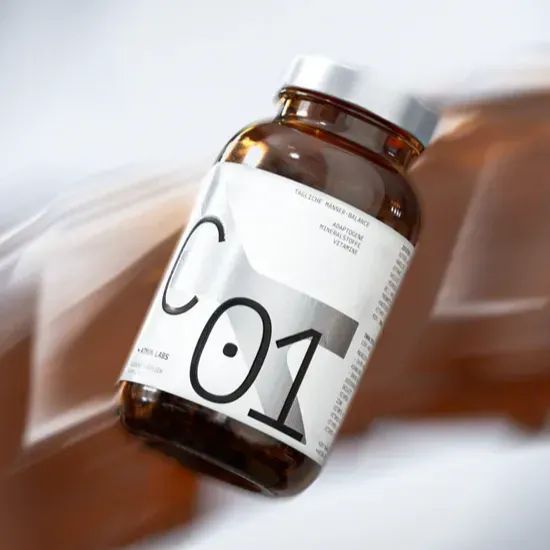
Atmon Labs

ATMON LABS is a company dedicated to enhancing men’s health by naturally supporting testosterone production. Their flagship product, C 01, is a scientifically formulated supplement designed to boost testosterone levels, increase energy, and improve overall male well-being.

Jaja Life
Jala-Life is a Swiss-based wellness brand offering high-quality, plant-based liquid supplements designed for optimal absorption and effectiveness. Their products, including Ashwagandha, Curcuma, Coenzyme Q10, and various vitamin blends, are vegan, alcohol-free, and formulated without artificial additives, aiming to support holistic health and vitality.
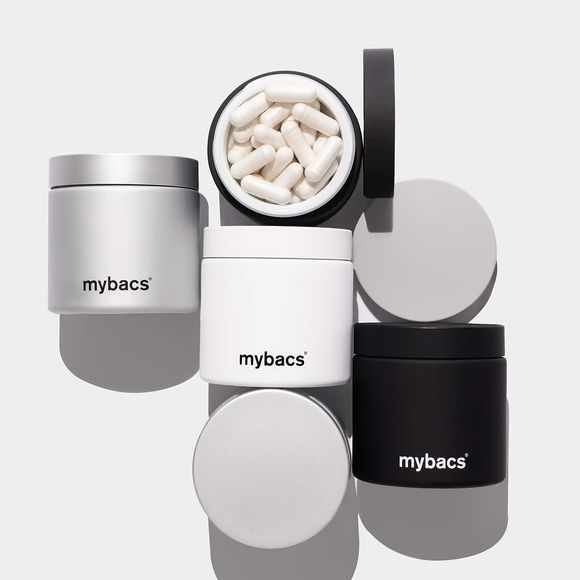
mybacs
mybacs® is a Swiss-designed microbiome-focused supplement line offering personalized synbiotic formulas—combining probiotics, prebiotics, postbiotics, and targeted boosters—to support digestion, metabolic balance, immunity, mood, skin, and more. Developed by experts, allergen‑free and delivered via convenient subscription.
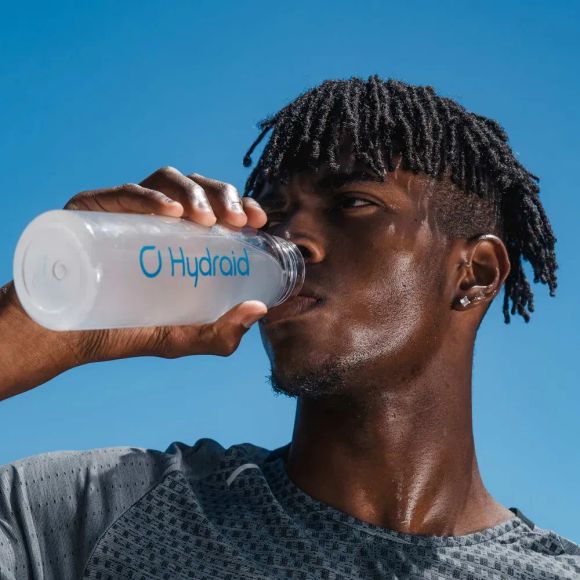
Hydraid

Hydraid offers the Hydration Helper®, a scientifically formulated oral rehydration solution designed to rapidly replenish fluids and electrolytes lost during physical activity, supporting optimal hydration and recovery.
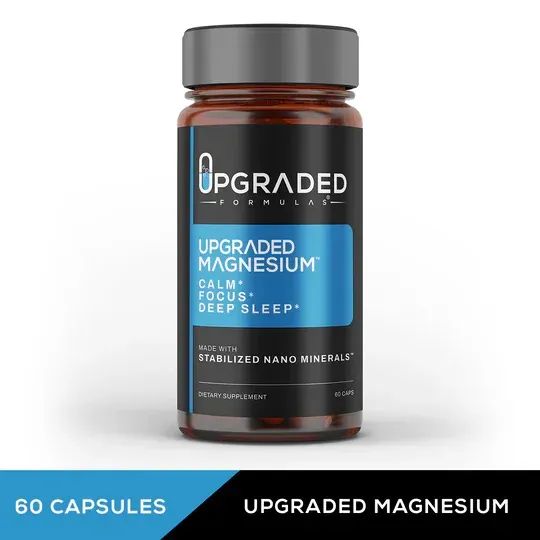
Upgraded Formulas
Upgraded Formulas offers a range of nano mineral supplements designed to enhance absorption and support various health goals, including hydration, sleep, and immune support. Their products use advanced technology to ensure that minerals are delivered effectively to the body.
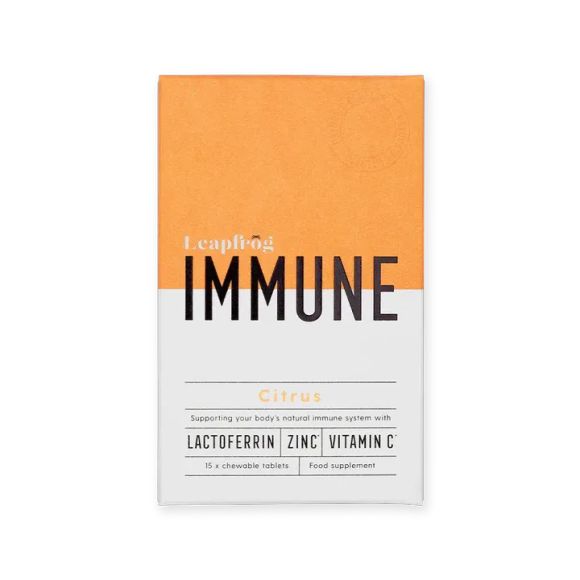
Leap Frog
Leapfrog Remedies, founded in September 2020 by journalist Stephanie Drax, is the UK's first lactoferrin supplement brand. The company offers chewable tablets formulated with natural ingredients like lactoferrin, zinc, and vitamin C to support the immune system, as well as supplements containing Lactium® and vitamin B6 to promote relaxation and sleep.
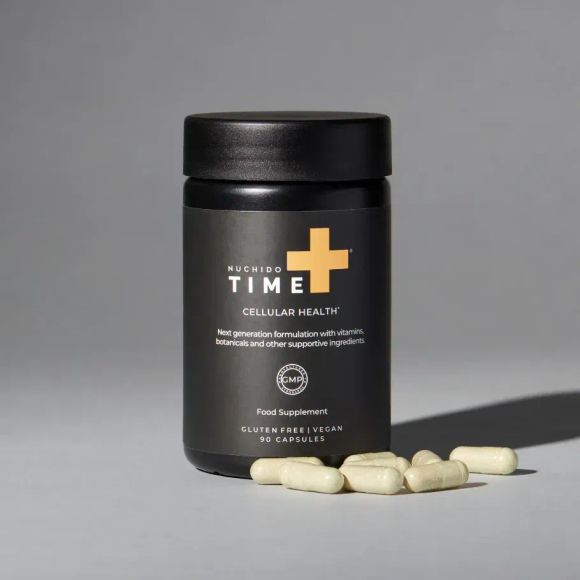
Nuchido
Nuchido TIME+ is a science‑backed supplement formulated to support cellular health by boosting NAD⁺ levels, antioxidants, and botanicals. It’s designed to help maintain energy, repair, and vitality as you age.
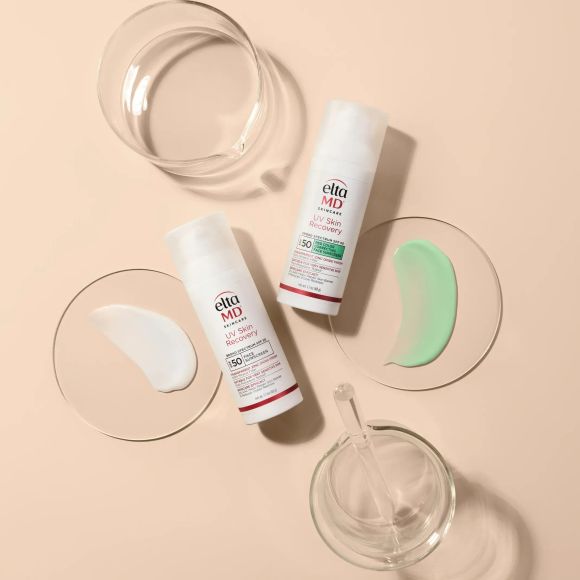
EltaMD
EltaMD is a dermatologist‑trusted skincare brand specializing in high‑quality sunscreens and skin barrier products—formulated for every skin type and elevated with minerals, antioxidants, and healing care.

Proceanis
PROCEANIS offers high‑quality beauty‑from‑within liquid drinks formulated with hyaluronic acid and collagen peptides to support skin, hair, nails, and connective tissue at a cellular level.