Knowledge
Magazine
-

The 24-Hour Sleep Model: Why Better Sleep Starts the Morning Before
8 min read
-

Eating for Longevity: Lessons From the World's Oldest People
9 min read
-

The Summer Health Kit: Supplies and Gadgets for Hot Days and Warm Nights
9 min read
Weekly picks on longevity, brands, and health science. No spam—unsubscribe anytime.
Tools
- →The 30s Longevity Guide for Women
- →Postpartum Recovery Guide
- →Perimenopause Longevity Guide
- →Dopamine Reset Guide
- →Pregnancy Longevity Guide
- →Peptide Guide
- →Home Detox Guide
- →Slow Aging Guide
- →Pro Supplement Guide
- →Safe Supplement Guide
- →Bio Age Calculator
- →Blood Testing Guide
- →Deep Sleep Guide
- →Pro Longevity Dashboard
By Category
By Goal
Knowledge
- →What is Longevity?
- →Improve diet
- →More focus
- →Look younger
- →Lose weight
- →Track biomarkers
- →Improve sleep
- →Build muscle
- →Increase cardio
- →Detect diseases
- →Recover faster
- →Relieve stress
Magazine
-
The 24-Hour Sleep Model: Why Better Sleep Starts the Morning Before
8 min read
-
Eating for Longevity: Lessons From the World's Oldest People
9 min read
-
The Summer Health Kit: Supplies and Gadgets for Hot Days and Warm Nights
9 min read
Weekly picks on longevity, brands, and health science. No spam—unsubscribe anytime.
Brands
- →Apps
- →At Home Tests & Kits
- →Events
- →Experts & Clinics
- →Foods & Beverages
- →Gadgets & Equipment
- →Gyms & Workouts
- →Supplements
- →Travel & Retreats
- →Wearables & Trackers
Tools
- →The 30s Longevity Guide for Women
- →Postpartum Recovery Guide
- →Perimenopause Longevity Guide
- →Dopamine Reset Guide
- →Pregnancy Longevity Guide
- →Peptide Guide
- →Home Detox Guide
- →Slow Aging Guide
- →Pro Supplement Guide
- →Safe Supplement Guide
- →Bio Age Calculator
- →Blood Testing Guide
- →Deep Sleep Guide
- →Pro Longevity Dashboard

Discover
Connect
Longevity Knowledge BETA
Caffeine
Table of Contents
What caffeine does in your body
Caffeine is a naturally occurring alkaloid found in over 60 plant species, including coffee beans, tea leaves, and cacao. Chemically known as 1,3,7-trimethylxanthine, it's the most widely consumed psychoactive substance on the planet. About 85% of American adults consume it daily, averaging around 135 mg per day.
Once ingested, caffeine reaches peak blood levels within 30-60 minutes. It works primarily by blocking adenosine receptors in the brain. Adenosine is a molecule that accumulates during waking hours and gradually makes you feel sleepy. Caffeine fits into those same receptors without activating them, effectively masking the "time to sleep" signal [1]. This is why coffee makes you feel alert rather than actually restoring energy.
Beyond adenosine, caffeine also increases dopamine and norepinephrine signaling, which improves mood, reaction time, and sustained attention. It stimulates the release of adrenaline, raises heart rate slightly, and boosts metabolic rate by 3-11% in the short term.
Caffeine and your genes: fast vs. slow metabolizers
How your body handles caffeine depends heavily on a single gene: CYP1A2. This gene encodes the liver enzyme responsible for metabolizing over 95% of ingested caffeine. A common polymorphism (rs762551) divides people into two camps [2]:
- Fast metabolizers (AA genotype) break down caffeine roughly four times faster than slow metabolizers
- Slow metabolizers (AC or CC genotype) experience prolonged effects, more sleep disruption, and higher cardiovascular sensitivity to caffeine
This genetic variation explains why one person can drink espresso after dinner and sleep fine, while another feels wired from a single morning cup. If caffeine consistently disrupts your sleep or causes anxiety, you may be a slow metabolizer. Consumer genetic tests now include CYP1A2 status, and the information can genuinely improve how you time and dose caffeine.
Performance and cognitive effects
Caffeine is one of the most studied ergogenic aids in sports science. The International Society of Sports Nutrition confirms that doses of 3-6 mg per kg of body weight improve endurance performance, reaction time, muscular strength, and sprint ability [3]. For a 70 kg person, that's roughly 200-400 mg, or about 2-4 cups of coffee.
Interestingly, very low doses (around 100 mg, or one cup of coffee) already produce measurable cognitive benefits: improved attention, faster processing speed, and reduced mental fatigue [4]. Higher doses don't necessarily add more cognitive benefit but do increase side effects like jitteriness and anxiety.
Athletes often use caffeine strategically before competition. The key finding from recent meta-analyses: caffeine's ergogenic effect is strongest in people who don't consume it daily, because habitual intake blunts the performance boost through tolerance [3].
Caffeine tolerance and how to reset it
Tolerance develops within 3-7 days of regular use. Your brain responds to chronic adenosine receptor blockade by producing more adenosine receptors, which means you need more caffeine to achieve the same effect. This also creates physical dependence: withdrawal symptoms (headaches, fatigue, irritability) typically peak 24-48 hours after your last dose and resolve within a week.
A full tolerance reset takes 7-14 days of abstinence for most people. Practical approaches include:
- Cold turkey for 10-14 days (fastest but roughest)
- Gradual taper: reduce daily intake by 25% every 3-4 days
- Cycling: alternate weeks on and off to maintain sensitivity
- Weekly caffeine-free day to partially slow tolerance buildup
Caffeine, sleep, and timing
Caffeine's average half-life is 5-7 hours, meaning half the caffeine from a 2 PM coffee is still circulating at 8 PM. A 2023 systematic review confirmed that caffeine consumption increases sleep onset latency by an average of 9 minutes and reduces total sleep time, with the strongest effects on deep sleep (N3 stage) [1]. Even people who claim caffeine "doesn't affect my sleep" show measurable reductions in sleep quality on EEG recordings.
The practical rule: set a personal cutoff time at least 8-10 hours before bed. For slow metabolizers, that window should be even longer. Morning consumption (after the first 90 minutes of waking, when cortisol naturally peaks) tends to produce the best results without sleep disruption.
Caffeine and longevity
Large-scale epidemiological data consistently links moderate caffeine intake to reduced mortality. A meta-analysis of 40 studies covering 3.8 million participants found that 3-4 cups of coffee per day was associated with a 15% lower risk of all-cause mortality [5]. This benefit held across ages, BMI categories, smoking status, and even caffeine metabolizer genotype.
Caffeine also shows neuroprotective properties. Epidemiological studies report that regular caffeine consumers have a 30-60% lower risk of Parkinson's disease, with a dose-response relationship [6]. The evidence for Alzheimer's protection is suggestive but less conclusive: caffeine may reduce amyloid-beta accumulation and tau hyperphosphorylation through adenosine A2A receptor modulation [6].
Other longevity-relevant effects include reduced risk of type 2 diabetes, improved liver function, and activation of AMPK, a cellular energy sensor that plays a role in autophagy and metabolic regulation [7].
Safe intake and practical guidelines
The FDA, EFSA, and most health authorities agree on 400 mg per day as the safe upper limit for healthy adults. That's roughly 4-5 cups of brewed coffee. Pregnant women should limit intake to 200 mg per day.
- Start with 100-200 mg if you're caffeine-naive and assess tolerance
- Time your intake after the morning cortisol peak (90+ minutes after waking)
- Cut off caffeine 8-10 hours before sleep
- Consider cycling if you notice diminishing effects
- Avoid energy drinks with excessive caffeine combined with other stimulants
- If you experience anxiety, heart palpitations, or insomnia, reduce dose or get CYP1A2 tested
References
- 1. Adenosine, caffeine, and sleep-wake regulation: state of the science and perspectives (Reichert et al., Journal of Sleep Research, 2022)
- 2. The influence of a CYP1A2 polymorphism on the ergogenic effects of caffeine (Womack et al., Journal of the International Society of Sports Nutrition,...
- 3. International Society of Sports Nutrition position stand: caffeine and exercise performance (Guest et al., JISSN, 2021)
- 4. Effects of different doses of caffeine on cognitive performance in healthy physically active individuals (Nutrients, 2024)
- 5. Coffee consumption and all-cause and cause-specific mortality: a meta-analysis by potential modifiers (European Journal of Epidemiology, 2019)
- 6. The neuroprotective effects of caffeine in neurodegenerative diseases (Kolahdouzan & Hamian, CNS Neuroscience & Therapeutics, 2017)
- 7. Overview of Caffeine Effects on Human Health and Emerging Delivery Strategies (Nutrients, 2023)
Delay your first cup by 90 minutes
Know your metabolizer type
Cycle caffeine to maintain its benefits
Use caffeine strategically for workouts
Pair caffeine with water
Mind caffeine's half-life
How much caffeine per day is safe?
How long before bed should I stop drinking caffeine?
Does caffeine help you live longer?
How do I know if I'm a fast or slow caffeine metabolizer?
What are caffeine withdrawal symptoms and how long do they last?

Essentials: Tools for Hormone Optimization in Males | Dr. Kyle Gillett
Essentials: Sleep Toolkit for Optimizing Sleep & Sleep-Wake Timing
Essentials: Understand & Improve Memory Using Science-Based Tools

Pregnancy Diet Expert: The Pregnancy Diet That Rewrites DNA! Why Pregnant Moms Are Being Lied To!
The Most Effective Weight Training, Cardio & Nutrition for Women | Dr. Lauren Colenso-Semple
Human Sleep Expert: Don't Pee In The Middle Of The Night & Why Night Time Sex Isn't A Good Idea!
No discussions yet
Be the first to start a discussion about Caffeine.
Related Articles

Community Discussions
Related Brands
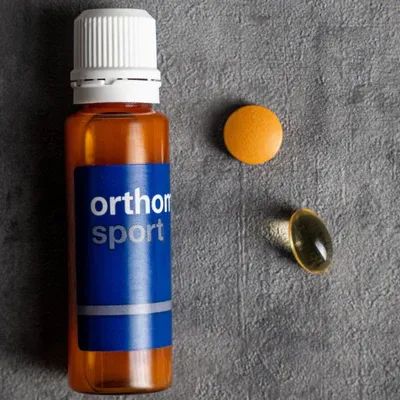
Orthomol Sport

Orthomol Sport offers a comprehensive range of micronutrient supplements designed to support athletic performance, recovery, and overall health, utilizing high-quality ingredients tailored for active individuals.
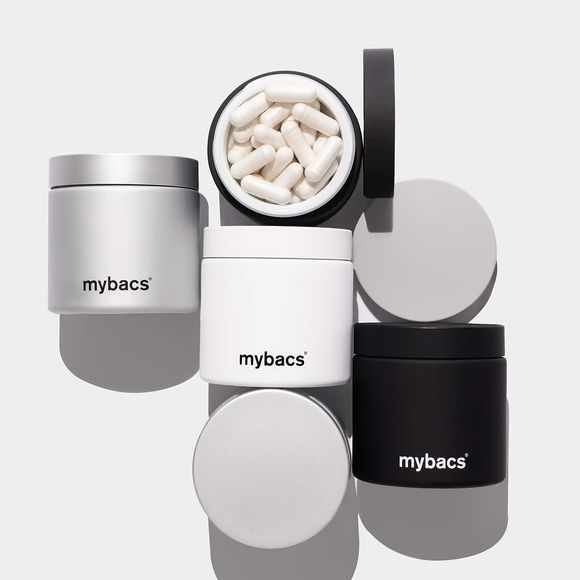
mybacs
mybacs® is a Swiss-designed microbiome-focused supplement line offering personalized synbiotic formulas—combining probiotics, prebiotics, postbiotics, and targeted boosters—to support digestion, metabolic balance, immunity, mood, skin, and more. Developed by experts, allergen‑free and delivered via convenient subscription.
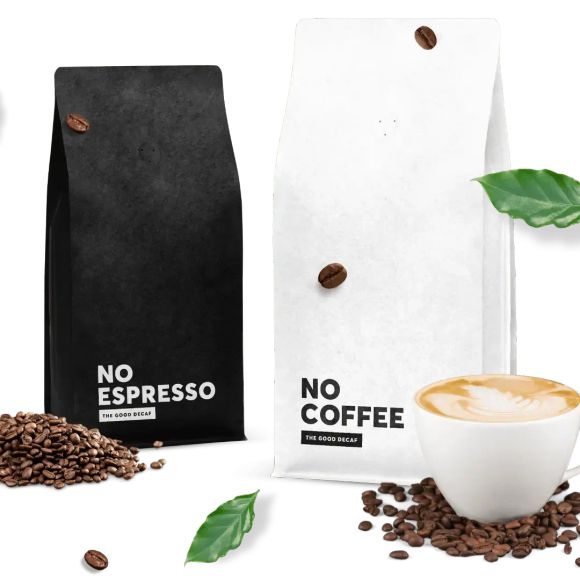
No Coffee

No Coffee offers a range of decaffeinated coffee products that taste just like regular coffee, without the side effects of caffeine. Their products are 100% organic, fair trade, and freshly roasted daily, providing a healthy and enjoyable alternative for coffee lovers.
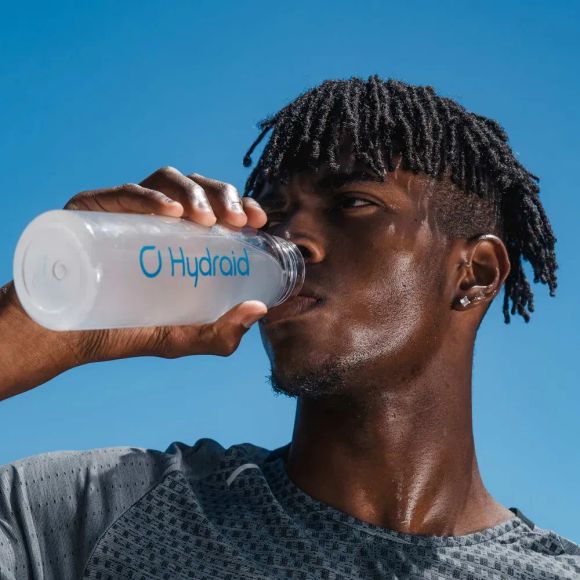
Hydraid

Hydraid offers the Hydration Helper®, a scientifically formulated oral rehydration solution designed to rapidly replenish fluids and electrolytes lost during physical activity, supporting optimal hydration and recovery.

WELLCHA
Wellcha offers premium matcha sourced from Uji, Kyoto, providing a smooth, creamy taste and natural energy boost without the typical coffee crash.
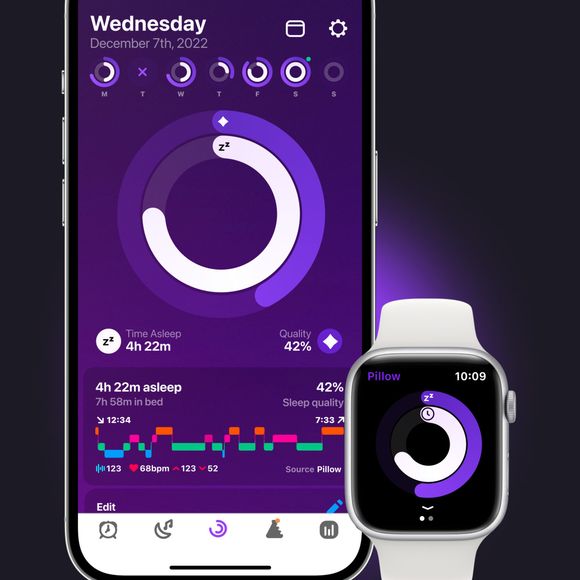
Pillow
Pillow provides an advanced sleep tracking app that helps individuals monitor and improve their sleep quality using their Apple Watch, iPhone, or iPad.

KEY Energy Drink
KEY, the first all-natural energy drink, provides long-lasting smooth energy from ketones.
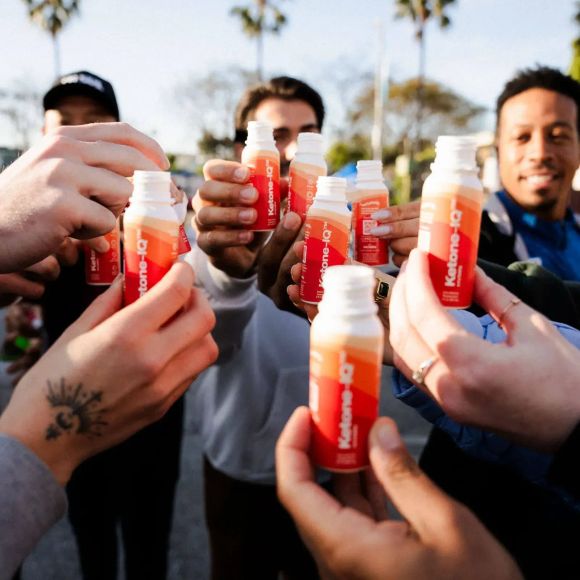
Ketone-IQ
Ketone-IQ offers a range of products designed to provide pure ketone energy.
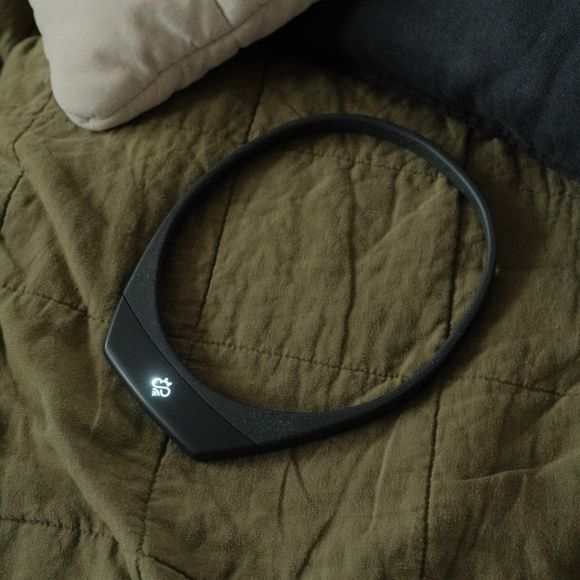
Hapbee
Hapbee is a wearable technology that uses magnetic fields to help users naturally elevate their mood, boost productivity, and improve sleep quality.

HALO Hydration
HALO Hydration offers advanced electrolyte powders formulated with naturally sourced electrolytes, bioavailable trace minerals, and essential vitamins, including vitamin C, to enhance hydration and support immune function. Their products are low in sugar and calories, catering to health-conscious consumers seeking effective hydration solutions.