Knowledge
Magazine
-

The 24-Hour Sleep Model: Why Better Sleep Starts the Morning Before
8 min read
-

Eating for Longevity: Lessons From the World's Oldest People
9 min read
-

The Summer Health Kit: Supplies and Gadgets for Hot Days and Warm Nights
9 min read
Weekly picks on longevity, brands, and health science. No spam—unsubscribe anytime.
Tools
- →The 30s Longevity Guide for Women
- →Postpartum Recovery Guide
- →Perimenopause Longevity Guide
- →Dopamine Reset Guide
- →Pregnancy Longevity Guide
- →Peptide Guide
- →Home Detox Guide
- →Slow Aging Guide
- →Pro Supplement Guide
- →Safe Supplement Guide
- →Bio Age Calculator
- →Blood Testing Guide
- →Deep Sleep Guide
- →Pro Longevity Dashboard
By Category
By Goal
Knowledge
- →What is Longevity?
- →Improve diet
- →More focus
- →Look younger
- →Lose weight
- →Track biomarkers
- →Improve sleep
- →Build muscle
- →Increase cardio
- →Detect diseases
- →Recover faster
- →Relieve stress
Magazine
-
The 24-Hour Sleep Model: Why Better Sleep Starts the Morning Before
8 min read
-
Eating for Longevity: Lessons From the World's Oldest People
9 min read
-
The Summer Health Kit: Supplies and Gadgets for Hot Days and Warm Nights
9 min read
Weekly picks on longevity, brands, and health science. No spam—unsubscribe anytime.
Brands
- →Apps
- →At Home Tests & Kits
- →Events
- →Experts & Clinics
- →Foods & Beverages
- →Gadgets & Equipment
- →Gyms & Workouts
- →Supplements
- →Travel & Retreats
- →Wearables & Trackers
Tools
- →The 30s Longevity Guide for Women
- →Postpartum Recovery Guide
- →Perimenopause Longevity Guide
- →Dopamine Reset Guide
- →Pregnancy Longevity Guide
- →Peptide Guide
- →Home Detox Guide
- →Slow Aging Guide
- →Pro Supplement Guide
- →Safe Supplement Guide
- →Bio Age Calculator
- →Blood Testing Guide
- →Deep Sleep Guide
- →Pro Longevity Dashboard

Discover
Connect
Longevity Knowledge BETA
Protein
Table of Contents
Why protein matters more than most people think
Protein is the most underrated macronutrient in the average diet. It isn't just for bodybuilders. Every enzyme, hormone, antibody, and structural tissue in your body is built from protein. Your immune system runs on it. Your bones depend on it. And as you age, getting enough becomes one of the single most effective things you can do to stay functional and independent. A 2022 meta-analysis found that protein intake below 0.8 g/kg/day significantly increases sarcopenia risk, the progressive loss of muscle mass and strength that accelerates after 50 [1].
The official RDA of 0.8 g/kg body weight was designed to prevent deficiency in sedentary adults. It was never meant to optimize health. Current evidence from exercise science and gerontology supports considerably higher intakes, particularly for anyone who exercises regularly or is over 65 [2].
The leucine threshold: why protein quality matters
Not all protein is equal when it comes to triggering muscle repair. Muscle protein synthesis (MPS) is switched on primarily by two things: resistance training and the amino acid leucine. You need roughly 2.5-3 grams of leucine per meal to activate the mTOR pathway, which is the master switch for building new muscle tissue [3]. That translates to about 25-30 grams of high-quality protein per sitting.
This is where source matters. Whey protein contains about 11% leucine, eggs about 8.5%, and chicken about 7.5%. Most plant proteins fall below 7%, which means you need a larger serving to hit the threshold. Older adults face an additional challenge: anabolic resistance, a blunted MPS response that means they may need close to double the protein per meal compared to someone in their twenties to get the same muscle-building signal [4]. That's why researchers now recommend at least 30-40 grams of protein per meal for people over 65.
How much protein do you actually need?
For physically active adults, the evidence points to 1.6-2.2 g/kg of body weight per day, distributed across 3-4 meals [2]. For older adults with moderate activity, 1.2-1.6 g/kg is a reasonable minimum. A 2024 study on older women with sarcopenia found that 1.2 g/kg/day led to measurable improvements in muscle strength and body composition compared to the standard 0.8 g/kg recommendation [5].
Distribution matters nearly as much as total intake. Research shows that 24-hour muscle protein synthesis is about 25% higher when protein is spread evenly across meals rather than loaded into dinner [6]. The practical target: 30-50 grams of quality protein at breakfast, lunch, and dinner, with an optional pre-sleep serving of casein-rich food like Greek yogurt to sustain overnight MPS.
Plant protein vs. animal protein
A 2025 systematic review comparing plant and animal proteins found that 75% of direct comparison studies showed no significant difference in muscle protein synthesis when total protein and leucine were matched [7]. So plant-based diets can absolutely support muscle maintenance, but they require more planning. The DIAAS (Digestible Indispensable Amino Acid Score) ranks whole eggs, milk proteins, and beef highest, with most isolated plant proteins scoring below 75 [8]. Combining rice and pea protein, for example, creates a complete amino acid profile comparable to whey.
Interestingly, the picture shifts when we look at longevity rather than just muscle. The Nurses' Health Study, following 48,762 women from midlife, found that plant protein was associated with 46% higher odds of healthy aging (defined as freedom from chronic disease, good cognition, and intact physical function), while animal protein was associated with 6% lower odds [9]. This doesn't mean animal protein is harmful, but it suggests that a mix of sources, with generous plant protein intake, may be the best strategy for long-term health.
Protein and kidney health: the myth that won't die
The idea that high protein intake damages healthy kidneys has been repeated for decades, but the data doesn't support it. A 2024 meta-analysis of 148,051 participants found that higher protein intake from both plant and animal sources was actually associated with decreased chronic kidney disease incidence in healthy people [10]. Intakes of 1.6-2.2 g/kg show no adverse kidney effects in people without pre-existing renal disease. If you do have kidney disease, that's a different conversation, but healthy adults don't need to worry.
Practical protein strategies
- Aim for 1.6-2.2 g/kg body weight daily if you train regularly, spread across 3-4 meals of at least 30g each
- Prioritize leucine-rich sources: whey, eggs, chicken, fish, beef, Greek yogurt, cottage cheese
- Eat 30-50g protein within 2 hours after resistance training
- Consider a pre-sleep casein source (Greek yogurt, casein shake) for overnight muscle repair
- For plant-based diets, combine complementary proteins and consider adding 3g leucine per meal
- Track your intake for a week or two. Most people overestimate how much protein they eat
References
- 1. Protein Intake and Sarcopenia in Older Adults: A Systematic Review and Meta-Analysis (2022)
- 2. International Society of Sports Nutrition Position Stand: Protein and Exercise (2017)
- 3. Association of postprandial postexercise muscle protein synthesis rates with dietary leucine: A systematic review (Wilkinson et al., 2023)
- 4. Critical variables regulating age-related anabolic responses to protein nutrition in skeletal muscle (Frontiers in Nutrition, 2024)
- 5. Role of protein intake in maintaining muscle mass composition among elderly females suffering from sarcopenia (Frontiers in Nutrition, 2025)
- 6. Dietary Protein Distribution Positively Influences 24-h Muscle Protein Synthesis in Healthy Adults (2014)
- 7. Effects of plant- versus animal-based proteins on muscle protein synthesis: A systematic review with meta-analysis (2025)
- 8. Digestible Indispensable Amino Acid Score (DIAAS): 10 years on (PMC, 2024)
- 9. Dietary protein intake in midlife in relation to healthy aging: Nurses' Health Study cohort (American Journal of Clinical Nutrition, 2024)
- 10. Association between dietary protein intake and risk of chronic kidney disease: a systematic review and meta-analysis (2024)
Hit the leucine threshold every meal
Older adults need more protein, not less
Combine plant proteins for complete amino acids
Front-load your protein at breakfast
Over 65? You need more protein per meal
Add more plant protein for long-term health
Hit the leucine threshold at every meal
Try a casein-rich snack before bed
Protein for satiety
Protein timing is a wide window
Does protein timing really matter for muscle growth?
Why do older adults need more protein than younger people?
How much protein do I need per day?
Is too much protein bad for your kidneys?
Is plant protein as good as animal protein for building muscle?
Does protein timing matter?
Do older adults need more protein?
Is a high-protein diet bad for your kidneys?
Can you build muscle with plant protein alone?
How much protein do I need to build muscle?

Building strength and muscle mass: how to optimize training, nutrition, and more for longevity (AMA #71 rebroadcast)

Women’s Fitness Expert: What You NEED To Know About Dieting & Exercise | Dr. Stephanie Estima
#398 ‒ AMA #86: GLP-1 RAs and muscle loss: new data, better questions, and how to preserve muscle during weight loss

Essentials: The Science of Eating for Health, Fat Loss & Lean Muscle | Dr. Layne Norton
Creatine Expert: Creatine Is The Secret To Weight Loss
#395 - Brain lipidology: understanding APOE, cholesterol homeostasis, Alzheimer's disease risk, and the effects of lipid-lowering therapies on brain health | Tom Dayspring, M.D.
No discussions yet
Be the first to start a discussion about Protein.
Related Articles

Community Discussions
Related Brands
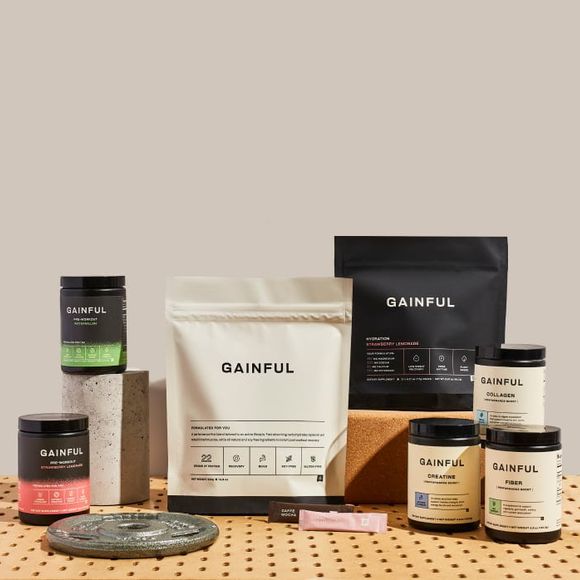
Gainful

Gainful provides personalized nutrition solutions, including protein powders and supplements, tailored to individual dietary needs and fitness goals.
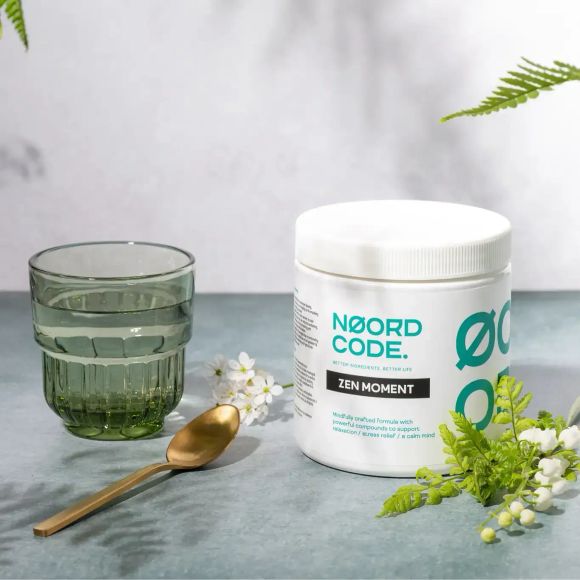
NoordCode
NoordCode offers functional foods and supplements designed to improve overall health and vitality.
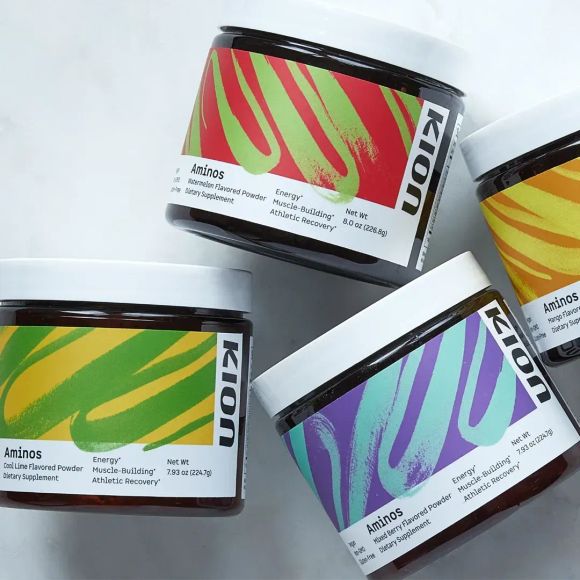
Kion
Kion offers a range of supplements and nutritional products designed to enhance physical and mental performance. Their product line includes aminos, coffee, protein, and various supplements aimed at supporting fitness, recovery, energy, wellness, and weight management.
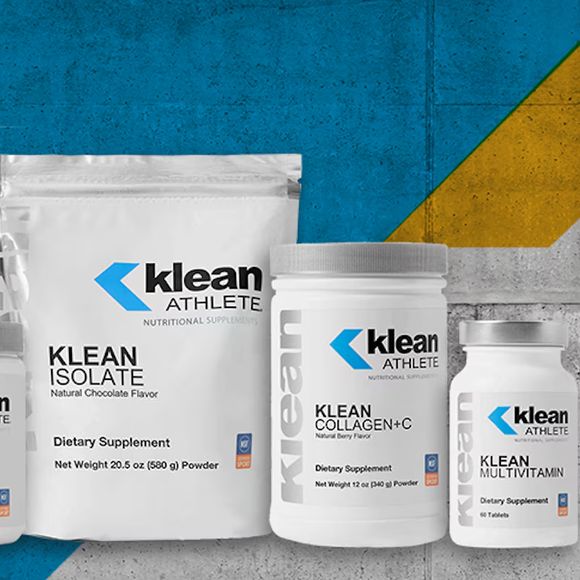
Klean Athlete
Klean Athlete provides a range of NSF Certified for Sport supplements designed to support the health and peak performance of athletes. Their products include vitamins, minerals, protein powders, and more, all backed by science and trusted by professional athletes.
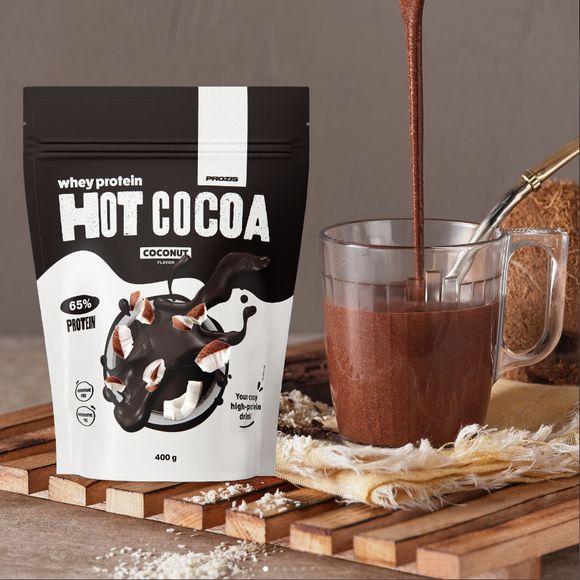
Prozis
Prozis is a leading global brand in the sports nutrition and functional food industry, offering a wide range of products including supplements, healthy snacks, and fitness equipment designed to help individuals exceed their fitness goals.
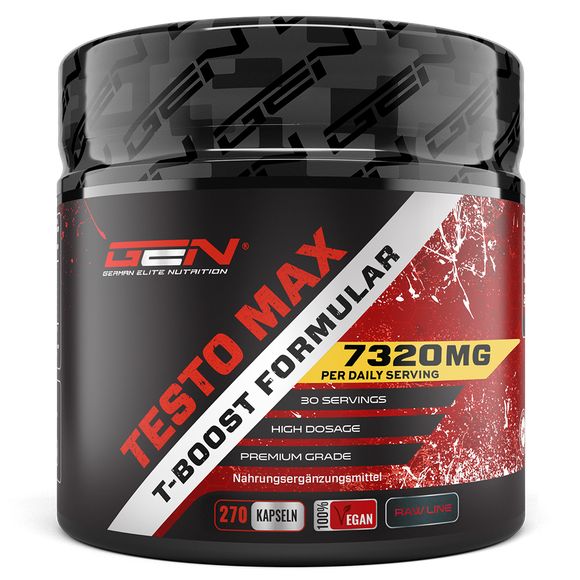
German Elite Nutrition
German Elite Nutrition offers premium supplements and sports products, emphasizing exceptional quality, taste, and rigorous testing to support athletic performance and health.

Orthomol Sport
Orthomol Sport offers a comprehensive range of micronutrient supplements designed to support athletic performance, recovery, and overall health, utilizing high-quality ingredients tailored for active individuals.
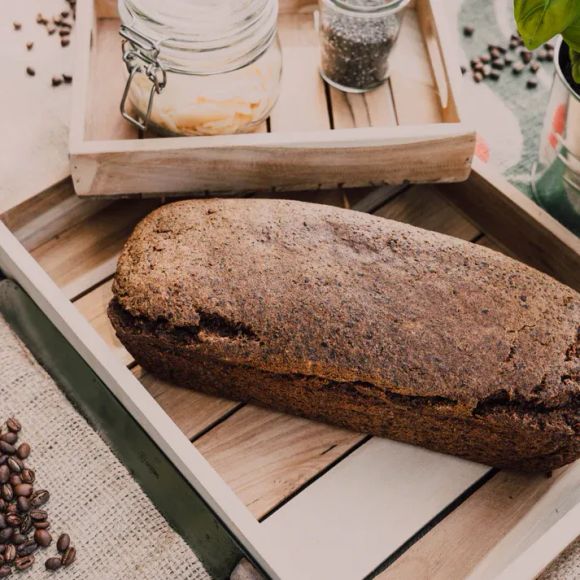
IQ Brot
IQ Brot offers gluten-free, low-carbohydrate breads and rolls with high protein content, designed to reduce blood sugar fluctuations, prevent cravings, and provide sustained nourishment.
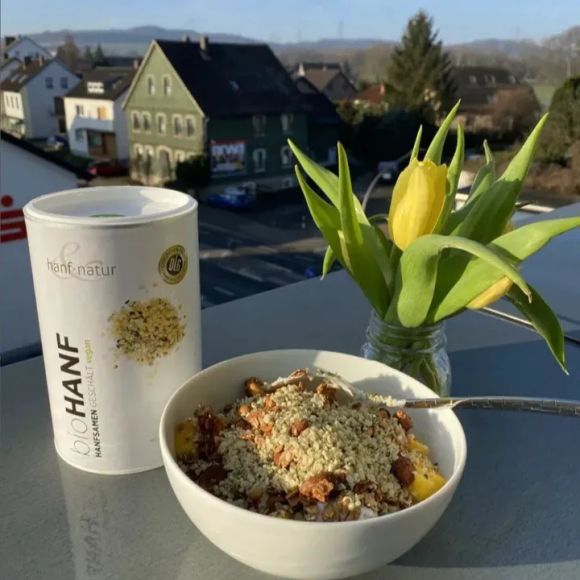
hanf&natur
Hanf-Natur is a trusted provider of organic hemp-based products, offering a wide range of foods, cosmetics, and textiles designed to promote health, sustainability, and well-being.
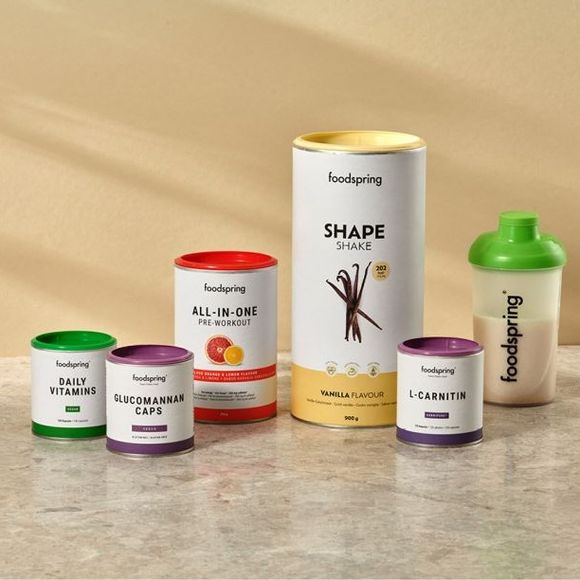
Foodspring
Foodspring is a German company specializing in premium fitness foods and sports nutrition products. Founded in 2013, the company offers a diverse range of products, including protein powders, bars, snacks, and supplements, designed to support muscle building, weight management, and overall health. In 2019, Foodspring was acquired by Mars, Incorporated, and continues to operate as an independent brand.