Knowledge
Magazine
-

The 24-Hour Sleep Model: Why Better Sleep Starts the Morning Before
8 min read
-

Eating for Longevity: Lessons From the World's Oldest People
9 min read
-

The Summer Health Kit: Supplies and Gadgets for Hot Days and Warm Nights
9 min read
Weekly picks on longevity, brands, and health science. No spam—unsubscribe anytime.
Tools
- →The 30s Longevity Guide for Women
- →Postpartum Recovery Guide
- →Perimenopause Longevity Guide
- →Dopamine Reset Guide
- →Pregnancy Longevity Guide
- →Peptide Guide
- →Home Detox Guide
- →Slow Aging Guide
- →Pro Supplement Guide
- →Safe Supplement Guide
- →Bio Age Calculator
- →Blood Testing Guide
- →Deep Sleep Guide
- →Pro Longevity Dashboard
By Category
By Goal
Knowledge
- →What is Longevity?
- →Improve diet
- →More focus
- →Look younger
- →Lose weight
- →Track biomarkers
- →Improve sleep
- →Build muscle
- →Increase cardio
- →Detect diseases
- →Recover faster
- →Relieve stress
Magazine
-
The 24-Hour Sleep Model: Why Better Sleep Starts the Morning Before
8 min read
-
Eating for Longevity: Lessons From the World's Oldest People
9 min read
-
The Summer Health Kit: Supplies and Gadgets for Hot Days and Warm Nights
9 min read
Weekly picks on longevity, brands, and health science. No spam—unsubscribe anytime.
Brands
- →Apps
- →At Home Tests & Kits
- →Events
- →Experts & Clinics
- →Foods & Beverages
- →Gadgets & Equipment
- →Gyms & Workouts
- →Supplements
- →Travel & Retreats
- →Wearables & Trackers
Tools
- →The 30s Longevity Guide for Women
- →Postpartum Recovery Guide
- →Perimenopause Longevity Guide
- →Dopamine Reset Guide
- →Pregnancy Longevity Guide
- →Peptide Guide
- →Home Detox Guide
- →Slow Aging Guide
- →Pro Supplement Guide
- →Safe Supplement Guide
- →Bio Age Calculator
- →Blood Testing Guide
- →Deep Sleep Guide
- →Pro Longevity Dashboard

Discover
Connect
Longevity Knowledge BETA
Sauna
Table of Contents
How sauna bathing affects your body
When you sit in a sauna at 80–100 °C, your core temperature rises by 1–2 °C within 15–20 minutes. This triggers a cascade of protective responses. The most important: your cells ramp up production of heat shock proteins (HSPs). HSP70 and HSP90 act as molecular repair crews, fixing misfolded proteins and shielding cells from stress damage. Repeated sessions can raise HSP70 levels by about 45% and HSP90 by 38% [1]. This is hormesis at work, the same type of beneficial stress response that makes exercise and fasting so effective.
Your heart rate climbs to 120–150 bpm during a session, roughly equivalent to a brisk walk or moderate cycling. Blood vessels dilate, blood pressure drops, and endothelial function improves over time. For people who can't exercise at full capacity, sauna offers many of the same cardiovascular training effects [4].
Cardiovascular and mortality benefits
The strongest evidence comes from the Finnish Kuopio Ischaemic Heart Disease Risk Factor (KIHD) study, which tracked over 2,300 men for 20 years. Men who used the sauna 4–7 times per week had a 63% lower risk of sudden cardiac death, 50% lower fatal cardiovascular disease risk, and 40% lower all-cause mortality compared to once-weekly users [1]. A follow-up study including women confirmed these dose-dependent benefits [3]. A 2024 study found that frequent sauna bathing may even counteract the harmful effects of elevated blood pressure on mortality risk [7].
The 2023 Mayo Clinic Proceedings review further showed that combining sauna with regular physical activity produces cardiovascular benefits beyond what either practice achieves alone [8].
Brain health and dementia prevention
In the same Finnish cohort, 4–7 weekly sauna sessions were linked to a 66% lower dementia risk and 65% lower Alzheimer's risk compared to once-weekly use [2]. These numbers held up after adjusting for age, alcohol, BMI, blood pressure, and chronic conditions. The likely mechanisms include increased BDNF production (which supports neuron growth and repair), improved cerebrovascular blood flow, and reduced neuroinflammation.
Respiratory health
Sauna bathing also benefits the lungs. In the KIHD cohort, men with 4+ weekly sessions had a 47% lower risk of pneumonia and a 37% lower risk of other respiratory diseases compared to those using the sauna once a week or less [9][10]. Heat exposure improves ventilation, increases vital capacity, and may reduce pulmonary congestion. A 2023 study also reported a lower risk of chronic obstructive pulmonary disease (COPD) among frequent sauna users [11].
Hormonal, metabolic, and mood effects
Sauna triggers a complex hormonal response. Growth hormone can spike up to 16-fold after repeated sessions. Norepinephrine rises by 100–310% depending on temperature, sharpening focus and alertness. Beta-endorphins increase substantially, producing the characteristic post-sauna sense of calm and well-being [6].
There's also a less obvious mood mechanism. During heat discomfort, your brain releases dynorphin, which temporarily feels unpleasant but sensitises mu-opioid receptors. After the session, normal endorphin levels hit harder, leaving you with an elevated baseline mood. This is why regular sauna users often describe it as mildly addictive.
Metabolic effects include improved insulin sensitivity through GLUT4 transporter activation and temporary elevation of white blood cell counts, supporting immune function. A 2024 UCSF study found that whole-body hyperthermia combined with cognitive-behavioral therapy produced significant reductions in depressive symptoms, with 11 of 12 participants no longer meeting criteria for major depression after treatment [12].
Finnish sauna vs. infrared sauna
Traditional Finnish saunas run at 80–100 °C with low humidity. Infrared saunas use wavelengths of 6–12 micrometres to heat tissue directly at lower air temperatures of 45–65 °C. Both raise core temperature effectively, but the long-term mortality data comes exclusively from traditional Finnish saunas [4]. Infrared saunas are better tolerated by people sensitive to extreme heat and show benefits for pain relief, muscle recovery, and relaxation in smaller studies. If you have access to a traditional sauna, that's the modality with the strongest evidence behind it.
Practical protocols
For the greatest health benefits, aim for 15–20 minutes per session at 80 °C or above, 4–7 times per week. Cold exposure after the sauna (a plunge at 4–10 °C or a cold shower) amplifies norepinephrine release and strengthens the hormetic effect. A single 20-minute session can produce 0.5–1 litre of sweat, so replace fluids and electrolytes (sodium, potassium, magnesium) before and after. Beginners should start with 5–10 minutes and build up gradually over several weeks.
References
- 1. Association between sauna bathing and fatal cardiovascular and all-cause mortality events (Laukkanen et al., 2015)
- 2. Sauna bathing is inversely associated with dementia and Alzheimer's disease in middle-aged Finnish men (Laukkanen et al., 2017)
- 3. Sauna bathing is associated with reduced cardiovascular mortality and improves risk prediction in men and women (Kunutsor et al., 2018)
- 4. Clinical Effects of Regular Dry Sauna Bathing: A Systematic Review (Hussain & Cohen, 2018)
- 5. Sauna use as a lifestyle practice to extend healthspan (Patrick & Johnson, 2021)
- 6. Endocrine effects of repeated sauna bathing (Leppaluoto et al., 1986)
- 7. Sauna bathing and mortality risk: unraveling the interaction with systolic blood pressure (2024)
- 8. Does the Combination of Finnish Sauna Bathing and Other Lifestyle Factors Confer Additional Health Benefits? (Mayo Clinic Proceedings, 2023)
- 9. Sauna bathing reduces the risk of respiratory diseases: a long-term prospective cohort study (Kunutsor et al., 2017)
- 10. Frequent sauna bathing may reduce the risk of pneumonia in middle-aged Caucasian men (Kunutsor et al., 2017)
- 11. Frequent sauna bathing may reduce chronic obstructive pulmonary disease risk: A prospective study (Kunutsor, 2023)
- 12. Heat Therapy Shows Promise in the Treatment of Depression (UCSF HEATBed Study, 2024)
Protect your lungs with regular sauna sessions
Use sauna as a mood booster
Pair sauna with exercise for compounding benefits
Aim for 4–7 sessions per week for maximum cardiovascular benefit
Sauna protocol for recovery
Stay in for 15–20 minutes at 80 °C or above
Replenish electrolytes after every session
Combine sauna with cold exposure for enhanced hormesis
Use sauna consistently to support brain health
Can sauna help with depression or anxiety?
What temperature and duration are recommended for sauna bathing?
Does sauna bathing help prevent respiratory diseases like pneumonia?
How often should I use the sauna for health benefits?
What are the proven benefits of sauna use?
Is infrared sauna as effective as a traditional Finnish sauna?
What are heat shock proteins and why do they matter for sauna users?
Can sauna use help reduce dementia and Alzheimer’s risk?
Who should avoid sauna use or consult a doctor first?

Essentials: Sleep Toolkit for Optimizing Sleep & Sleep-Wake Timing

#112 How To Slow Biological Aging With a Multivitamin, Vegetables, & Omega-3 | Dr. Steve Horvath
Essentials: Understanding & Controlling Aggression
#111 The Optimal Mobility Protocol for a Durable Body | Dr. Kelly Starrett
The Best Vitality & Health Protocols | Dr. Rhonda Patrick
Essentials: Benefits of Sauna & Deliberate Heat Exposure
No discussions yet
Be the first to start a discussion about Sauna.
Community Discussions
Related Brands

KOANNA

KOANNA offers innovative wellness and care products designed to bring the luxury spa experience to your home.
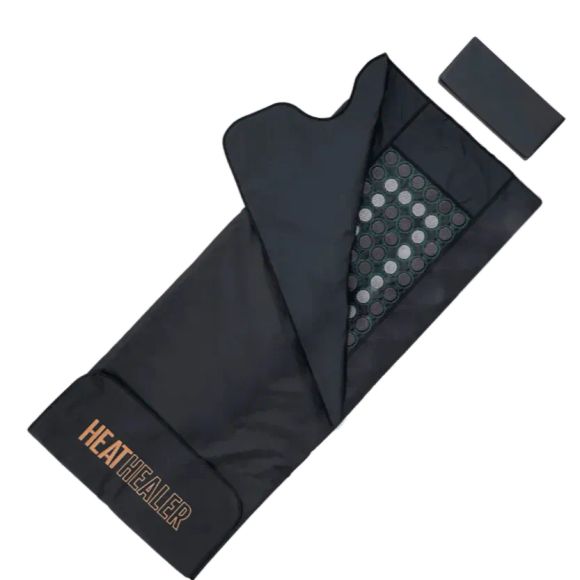
Heat Healer
Heat Healer offers innovative infrared sauna blankets designed to provide the benefits of a traditional sauna from the comfort of your home.
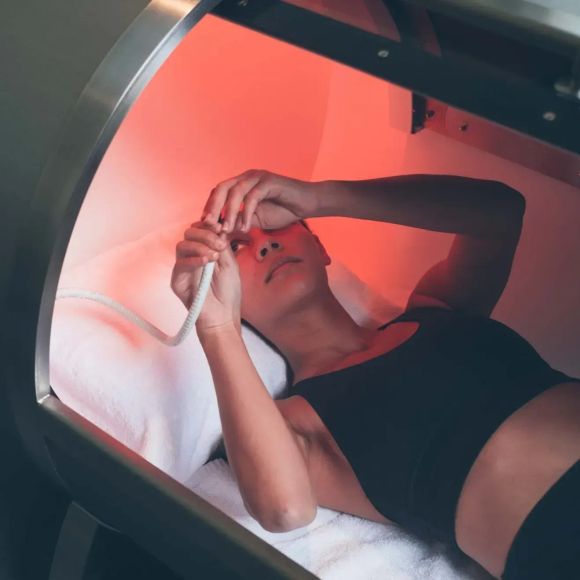
Renessence
Renessence offers a range of wellness treatments and memberships designed to promote vitality, performance, and health optimization. Their services include cryotherapy, infrared sauna, IV-drips, oxygen hydroxy therapy, and more, all aimed at rebalancing and reviving the body through scientifically researched therapies.
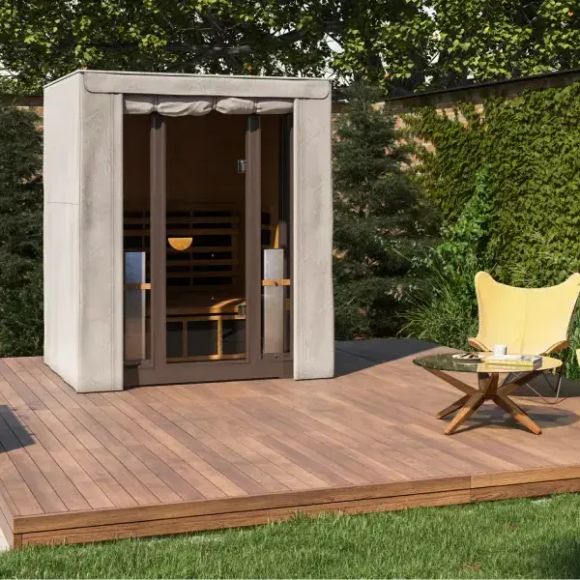
Clearlight Saunas
Clearlight Saunas offers premium infrared saunas designed to enhance health and wellness through advanced technology and superior craftsmanship.

Helsi
Helsi™, founded in 2024 by Sebastian Mierau and Johannes Kettelhodt in Byron Bay, Australia, offers premium wellness products, including the Helsi™ One Sauna, Ice Plunge, and a range of red light therapy devices, designed to enhance health rituals and promote optimal well-being.
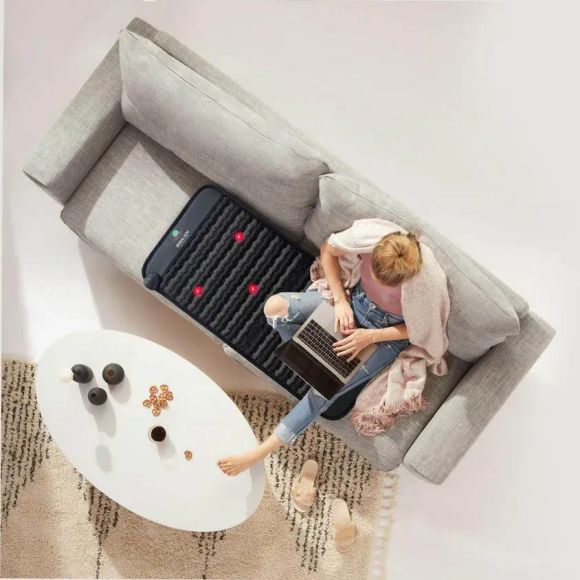
Spiralsun
Spiral Sun™ is a premium wellness brand based in Amsterdam, specializing in innovative health products designed to enhance overall well-being. Their offerings include hydrogen water bottles, infrared sauna blankets, PEMF therapy mats, and red light therapy devices, all crafted to integrate seamlessly into daily routines and promote a healthier lifestyle.
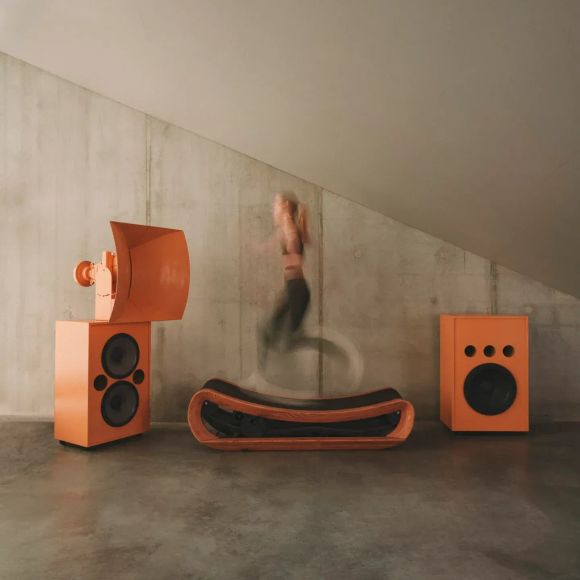
ANTI
ANTI is a holistic wellness hub in Berlin-Mitte offering a curated blend of longevity-focused treatments—such as hyperbaric oxygen, red light therapy, cryotherapy, sauna, and expert-led classes—to support sustainable health, stress resilience, and performance.

Heavenly Heat Saunas
Heavenly Heat Saunas has been building non-toxic, ultra-low EMF home saunas since 1988, using solid Canadian hemlock with no glues, stains, or varnishes. The range includes far infrared, red light infrared, traditional, combination, and outdoor models, all third-party tested and backed by a 10-year warranty.
Holmes Place

Holmes Place is a premium health, fitness, and wellness provider operating 14 clubs across Germany, including locations in Berlin, Düsseldorf, Hamburg, Cologne, Essen, and Lübeck. Established in Germany since 2001, Holmes Place offers comprehensive services such as group fitness classes, personal training, state-of-the-art equipment, and wellness & spa facilities, all designed to support members in leading healthier lives.
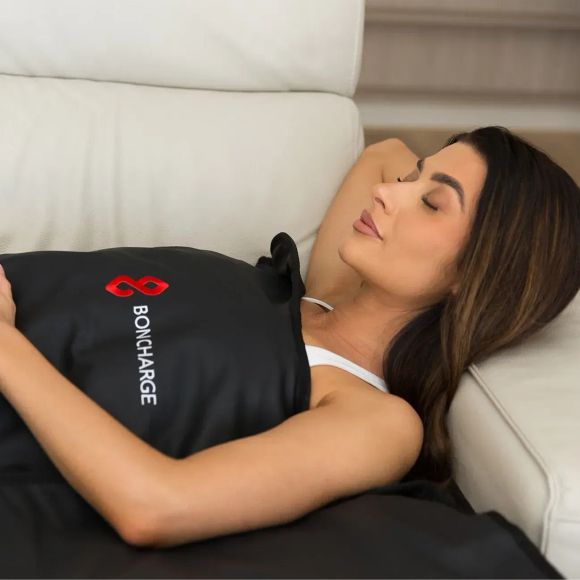
Bon Charge
BON CHARGE offers a wide range of products aimed at improving health and wellness through innovative technology. Their offerings include infrared sauna blankets, PEMF mats, red light therapy devices, blue light blocking glasses, and more.