Knowledge
Magazine
-

The 24-Hour Sleep Model: Why Better Sleep Starts the Morning Before
8 min read
-

Eating for Longevity: Lessons From the World's Oldest People
9 min read
-

The Summer Health Kit: Supplies and Gadgets for Hot Days and Warm Nights
9 min read
Weekly picks on longevity, brands, and health science. No spam—unsubscribe anytime.
Tools
- →The 30s Longevity Guide for Women
- →Postpartum Recovery Guide
- →Perimenopause Longevity Guide
- →Dopamine Reset Guide
- →Pregnancy Longevity Guide
- →Peptide Guide
- →Home Detox Guide
- →Slow Aging Guide
- →Pro Supplement Guide
- →Safe Supplement Guide
- →Bio Age Calculator
- →Blood Testing Guide
- →Deep Sleep Guide
- →Pro Longevity Dashboard
By Category
By Goal
Knowledge
- →What is Longevity?
- →Improve diet
- →More focus
- →Look younger
- →Lose weight
- →Track biomarkers
- →Improve sleep
- →Build muscle
- →Increase cardio
- →Detect diseases
- →Recover faster
- →Relieve stress
Magazine
-
The 24-Hour Sleep Model: Why Better Sleep Starts the Morning Before
8 min read
-
Eating for Longevity: Lessons From the World's Oldest People
9 min read
-
The Summer Health Kit: Supplies and Gadgets for Hot Days and Warm Nights
9 min read
Weekly picks on longevity, brands, and health science. No spam—unsubscribe anytime.
Brands
- →Apps
- →At Home Tests & Kits
- →Events
- →Experts & Clinics
- →Foods & Beverages
- →Gadgets & Equipment
- →Gyms & Workouts
- →Supplements
- →Travel & Retreats
- →Wearables & Trackers
Tools
- →The 30s Longevity Guide for Women
- →Postpartum Recovery Guide
- →Perimenopause Longevity Guide
- →Dopamine Reset Guide
- →Pregnancy Longevity Guide
- →Peptide Guide
- →Home Detox Guide
- →Slow Aging Guide
- →Pro Supplement Guide
- →Safe Supplement Guide
- →Bio Age Calculator
- →Blood Testing Guide
- →Deep Sleep Guide
- →Pro Longevity Dashboard

Discover
Connect

Table of Contents
Why magnesium matters more than most people think
Magnesium is involved in over 300 enzymatic reactions in the human body. It's required for energy production, DNA repair, protein synthesis, muscle contraction, and nerve signaling. Despite this, an estimated 45-60% of adults in Western countries don't meet the recommended daily intake of 310-420 mg, depending on age and sex [1]. Standard serum blood tests miss most deficiency cases because less than 1% of the body's magnesium is found in blood serum. The rest sits inside cells and bones. That's why experts recommend red blood cell (RBC) magnesium testing for a more accurate picture of your actual status [2].
A 2024 review in Nutrients mapped magnesium's relationship to all twelve hallmarks of aging, from genomic instability and telomere attrition to mitochondrial dysfunction and chronic inflammation [3]. The takeaway is straightforward: low magnesium accelerates biological aging through multiple independent pathways. Epidemiological data backs this up. A dose-response meta-analysis of prospective cohort studies found that higher magnesium intake is associated with lower all-cause, cardiovascular, and cancer mortality [4].
Magnesium forms and which ones to choose
Not all magnesium supplements are equal. The form determines how well your body absorbs it and which specific benefits you get.
Magnesium glycinate is bound to the amino acid glycine. It has high bioavailability, is gentle on the stomach, and glycine itself has calming properties. This makes it a solid choice for sleep support and general supplementation. A 2025 RCT with 155 adults found that magnesium bisglycinate improved sleep quality compared to placebo [5].
Magnesium L-threonate is the only form shown to cross the blood-brain barrier effectively. A 2024 randomized controlled trial demonstrated improvements in both objective sleep quality (measured by actigraphy) and daytime functioning after six weeks of supplementation [6]. A separate 2025 trial confirmed benefits for cognitive performance and sleep in adults aged 18-45 [7].
Magnesium citrate has good absorption and a mild laxative effect. It works well for people dealing with constipation alongside magnesium deficiency, but it's not ideal if you already have loose stools.
Magnesium taurate combines magnesium with the amino acid taurine and has the strongest evidence base for cardiovascular applications, particularly blood pressure support.
Magnesium malate is paired with malic acid, which participates in the Krebs cycle. Athletes and people with chronic fatigue often prefer this form for energy production support.
Magnesium oxide contains the highest percentage of elemental magnesium per capsule but has the poorest bioavailability. Most of it passes through unabsorbed.
What the research says about blood pressure and heart health
Cardiovascular health is where magnesium supplementation has some of its most robust evidence. An umbrella meta-analysis of randomized controlled trials published in 2024 found that magnesium supplementation reduces systolic blood pressure by approximately 1.25 mmHg and diastolic pressure by 1.40 mmHg [8]. Those numbers sound small, but at a population level, even modest blood pressure reductions translate to meaningful decreases in stroke and heart attack risk. A separate meta-analysis covering 38 RCTs with 2,709 participants confirmed these findings across median doses of 365 mg and 12-week intervention periods [9]. Higher dietary magnesium intakes are also associated with significantly lower risk of ischemic heart disease and cardiovascular mortality.
Magnesium, sleep, and stress
Poor sleep and chronic stress both deplete magnesium, and low magnesium worsens sleep and stress. It's a cycle worth breaking. A meta-analysis of RCTs in older adults found that magnesium supplementation reduced sleep onset latency by an average of 17 minutes compared to placebo [10]. Magnesium supports sleep by activating the parasympathetic nervous system, regulating GABA receptors, and helping to control the stress hormone cortisol. For sleep specifically, magnesium glycinate and L-threonate have the best clinical evidence, taken 30-60 minutes before bed.
Signs of magnesium deficiency
Early deficiency often goes unnoticed. The kidneys compensate by reducing urinary excretion, masking the problem for months or years. As deficiency deepens, symptoms become more apparent: muscle cramps and twitches, trouble sleeping, anxiety and irritability, heart palpitations, fatigue despite adequate rest, and headaches or migraines. Certain groups face higher risk: older adults (absorption decreases with age), people with type 2 diabetes, heavy drinkers, anyone taking proton pump inhibitors or diuretics long-term, and athletes who lose magnesium through sweat [1].
How much to take
The RDA is 310-320 mg for women and 400-420 mg for men, from food and supplements combined. The tolerable upper limit from supplements alone is 350 mg per day. Most clinical trials showing benefits use 200-400 mg of supplemental magnesium daily. Start with a lower dose and increase gradually if you experience any digestive effects. Good dietary sources include pumpkin seeds (156 mg per ounce), almonds (80 mg per ounce), spinach (78 mg per half cup), and dark chocolate (65 mg per ounce) [1].
References
- 1. Magnesium - Health Professional Fact Sheet (NIH Office of Dietary Supplements)
- 2. Subclinical magnesium deficiency: a principal driver of cardiovascular disease and a public health crisis (Open Heart, 2018)
- 3. Magnesium and the Hallmarks of Aging (Nutrients, 2024)
- 4. Total, Dietary, and Supplemental Magnesium Intakes and Risk of All-Cause, Cardiovascular, and Cancer Mortality: A Dose-Response Meta-Analysis (Advance...
- 5. Magnesium Bisglycinate Supplementation in Healthy Adults Reporting Poor Sleep: A Randomized, Placebo-Controlled Trial (2025)
- 6. Magnesium-L-threonate improves sleep quality and daytime functioning in adults: A randomized controlled trial (2024)
- 7. The effects of magnesium L-threonate on cognitive performance and sleep quality in adults: A randomised, double-blind, placebo-controlled trial (Front...
- 8. Impact of Magnesium Supplementation on Blood Pressure: An Umbrella Meta-Analysis of Randomized Controlled Trials (2024)
- 9. Magnesium Supplementation and Blood Pressure: A Systematic Review and Meta-Analysis of Randomized Controlled Trials (2025)
- 10. Oral magnesium supplementation for insomnia in older adults: A Systematic Review and Meta-Analysis (BMC Complementary Medicine, 2021)
Test RBC magnesium, not serum
Take magnesium 30-60 minutes before bed
Start low, increase gradually
Eat magnesium-rich foods alongside supplements
Choose threonate for cognitive support
Magnesium before bed
What is the best form of magnesium to take?
How do I know if I'm magnesium deficient?
Can you take too much magnesium?
Does magnesium help with anxiety?
When is the best time to take magnesium?

Most Replayed Moment: Sleep Expert On The Truth About Melatonin And Magnesium

Essentials: Sleep Toolkit for Optimizing Sleep & Sleep-Wake Timing

#394 ‒ Sleep pharmacology: the role of medications in healthy sleep, the promise of emerging therapies, and the evidence for common sleep supplements
Fatty Liver Expert: Your Liver Is Filling With Fat Right Now - Dr David Unwin
Essentials: Using Salt to Optimize Mental & Physical Performance
The Best Vitality & Health Protocols | Dr. Rhonda Patrick
No discussions yet
Be the first to start a discussion about Magnesium.
Related Articles


Community Discussions
Related Brands

Orthomol Sport

Orthomol Sport offers a comprehensive range of micronutrient supplements designed to support athletic performance, recovery, and overall health, utilizing high-quality ingredients tailored for active individuals.

Atmon Labs
ATMON LABS is a company dedicated to enhancing men’s health by naturally supporting testosterone production. Their flagship product, C 01, is a scientifically formulated supplement designed to boost testosterone levels, increase energy, and improve overall male well-being.

Jaja Life
Jala-Life is a Swiss-based wellness brand offering high-quality, plant-based liquid supplements designed for optimal absorption and effectiveness. Their products, including Ashwagandha, Curcuma, Coenzyme Q10, and various vitamin blends, are vegan, alcohol-free, and formulated without artificial additives, aiming to support holistic health and vitality.
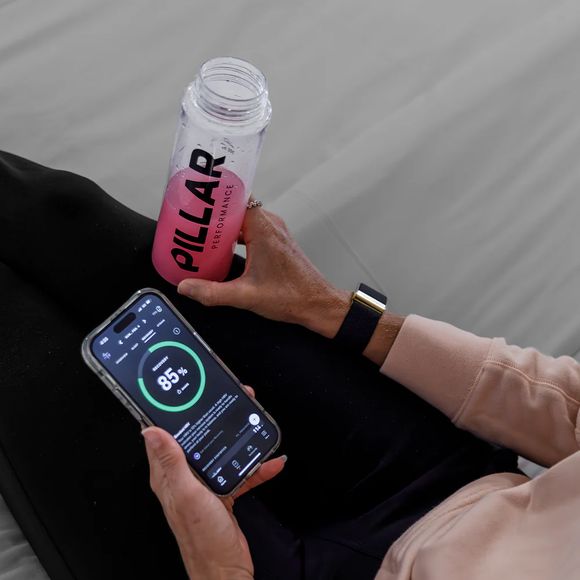
Pillar Performance

PILLAR is committed to revolutionizing the micronutrition industry by focusing on performance rather than just prevention. Through cutting-edge research and collaboration with top sports scientists, they develop micronutrition solutions specifically designed to enhance athletes' sleep, recovery, energy, immunity, and inflammation management. Their products are rigorously tested and certified by Informed Sport, ensuring they are free from over 250 banned substances.

Hydraid

Hydraid offers the Hydration Helper®, a scientifically formulated oral rehydration solution designed to rapidly replenish fluids and electrolytes lost during physical activity, supporting optimal hydration and recovery.

8 Hours
8 Hours is dedicated to optimizing sleep and recovery through science-driven, natural supplements. Their flagship product, the 8hours daily sleep and recovery supplement, is designed to enhance sleep quality, promote faster recovery, and improve overall performance.
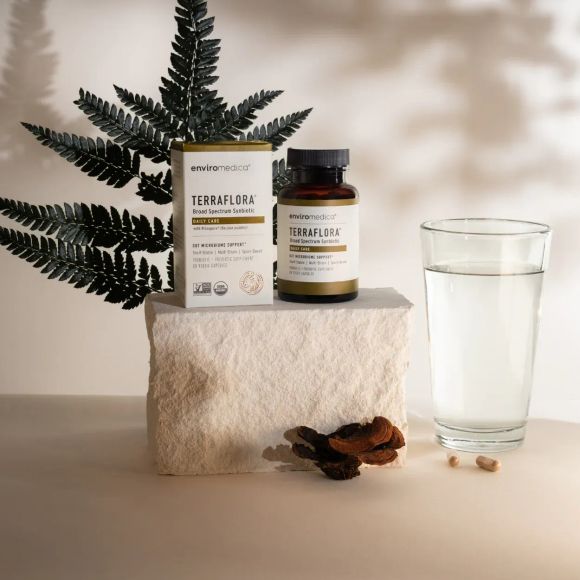
Enviromedica
Enviromedica offers a range of ancestral health products, including spore-based probiotics, organ meats from grass-fed animals, and magnesium topicals. Their products are designed to support optimal health by aligning with ancestral practices and modern science.
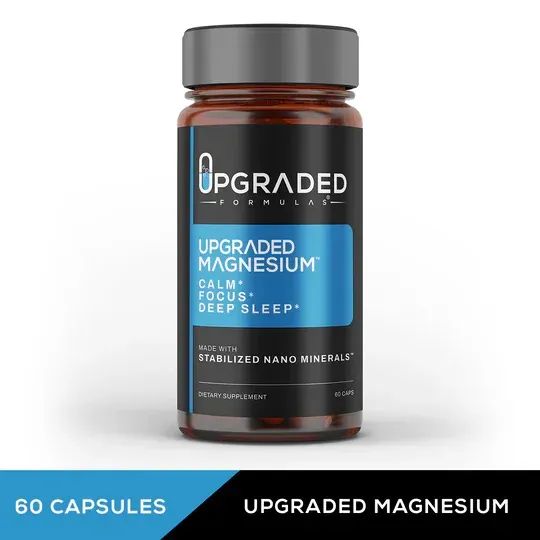
Upgraded Formulas
Upgraded Formulas offers a range of nano mineral supplements designed to enhance absorption and support various health goals, including hydration, sleep, and immune support. Their products use advanced technology to ensure that minerals are delivered effectively to the body.
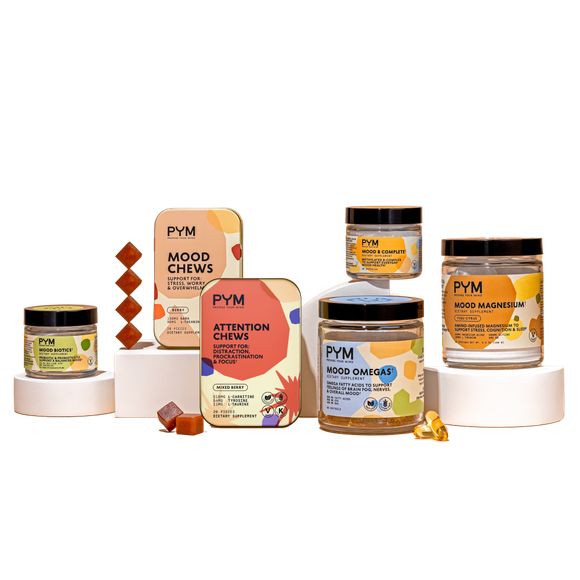
PYM
PYM (Prepare Your Mind) offers a range of mental wellness supplements, including Mood Chews and Mood Magnesium, designed to support neurotransmitter health and build a stress-resilient mind.

OSHUN
Oshun offers a pure electrolyte concentrate sourced from Utah's Great Salt Lake, delivering over 70 trace minerals and four essential electrolytes to enhance hydration and overall well-being.