Knowledge
Magazine
-

The 24-Hour Sleep Model: Why Better Sleep Starts the Morning Before
8 min read
-

Eating for Longevity: Lessons From the World's Oldest People
9 min read
-

The Summer Health Kit: Supplies and Gadgets for Hot Days and Warm Nights
9 min read
Weekly picks on longevity, brands, and health science. No spam—unsubscribe anytime.
Tools
- →The 30s Longevity Guide for Women
- →Postpartum Recovery Guide
- →Perimenopause Longevity Guide
- →Dopamine Reset Guide
- →Pregnancy Longevity Guide
- →Peptide Guide
- →Home Detox Guide
- →Slow Aging Guide
- →Pro Supplement Guide
- →Safe Supplement Guide
- →Bio Age Calculator
- →Blood Testing Guide
- →Deep Sleep Guide
- →Pro Longevity Dashboard
By Category
By Goal
Knowledge
- →What is Longevity?
- →Improve diet
- →More focus
- →Look younger
- →Lose weight
- →Track biomarkers
- →Improve sleep
- →Build muscle
- →Increase cardio
- →Detect diseases
- →Recover faster
- →Relieve stress
Magazine
-
The 24-Hour Sleep Model: Why Better Sleep Starts the Morning Before
8 min read
-
Eating for Longevity: Lessons From the World's Oldest People
9 min read
-
The Summer Health Kit: Supplies and Gadgets for Hot Days and Warm Nights
9 min read
Weekly picks on longevity, brands, and health science. No spam—unsubscribe anytime.
Brands
- →Apps
- →At Home Tests & Kits
- →Events
- →Experts & Clinics
- →Foods & Beverages
- →Gadgets & Equipment
- →Gyms & Workouts
- →Supplements
- →Travel & Retreats
- →Wearables & Trackers
Tools
- →The 30s Longevity Guide for Women
- →Postpartum Recovery Guide
- →Perimenopause Longevity Guide
- →Dopamine Reset Guide
- →Pregnancy Longevity Guide
- →Peptide Guide
- →Home Detox Guide
- →Slow Aging Guide
- →Pro Supplement Guide
- →Safe Supplement Guide
- →Bio Age Calculator
- →Blood Testing Guide
- →Deep Sleep Guide
- →Pro Longevity Dashboard

Discover
Connect
Longevity Knowledge BETA
Yoga
Table of Contents
Why yoga matters for longevity
Yoga is one of the few exercise modalities with evidence across nearly every domain of aging: cardiovascular health, cognitive decline, chronic pain, mental health, and cellular aging itself. A 2024 comprehensive review found that yoga influences oxidative stress, chronic inflammation, immune function, and telomere length, all key markers of biological aging [1]. Practitioners in one longitudinal study showed a 43% increase in telomerase activity, the enzyme responsible for maintaining the protective caps on chromosomes [3]. That's a striking number, and it helps explain why yoga keeps appearing in longevity research alongside interventions like caloric restriction and exercise.
But yoga isn't magic. Its real value lies in combining physical work, breathwork, and mental training in a single practice. Most exercise targets one system. Yoga targets several at once, and it does so with minimal injury risk and no equipment requirements.
What happens in the body during yoga
Yoga asanas build strength through sustained isometric holds, using bodyweight in positions that challenge stability and endurance. This differs from lifting weights but still produces functional strength, especially in the core, shoulders, and legs. Regular practice measurably improves flexibility and range of motion, both of which decline with age and predict disability risk [2].
The breathwork component (pranayama) is where yoga separates itself from other physical practices. Extended exhale techniques and alternate nostril breathing activate the vagus nerve and shift the autonomic nervous system toward parasympathetic dominance. This reduces cortisol, lowers resting heart rate, and improves heart rate variability (HRV). Multiple studies confirm that yoga increases HRV, a strong predictor of cardiovascular resilience and overall health [4].
Balance poses recruit stabilizer muscles and sharpen proprioception, your sense of where your body is in space. For adults over 60, this translates to measurably lower fall risk, which matters because falls are a leading cause of injury-related death in older adults.
Yoga and the brain
Neuroimaging research shows that long-term yoga practitioners have greater gray matter volume than non-practitioners of the same age, particularly in the hippocampus, the brain region most involved in memory [5]. Experienced practitioners don't show the typical age-related gray matter decline that controls do, and the effect scales with years of practice.
A randomized trial found that 12 weeks of Kundalini yoga preserved hippocampal volume in older women at risk for Alzheimer's disease, while a memory training control group did not show the same protection [6]. Yoga also improved attention and processing speed in a meta-analysis of cognitive outcomes, with the strongest effects in executive function [7].
The mechanism likely involves cortisol reduction. Chronic stress shrinks the hippocampus through sustained cortisol exposure. Yoga's ability to lower cortisol by 20-30% may be neuroprotective simply by removing a damaging stimulus.
Chronic pain and back pain
For chronic low back pain, the evidence is strong enough that major health organizations recommend yoga as a first-line non-pharmacological treatment. A meta-analysis of 743 patients found a medium to large effect on both pain and functional disability [8]. Twelve weeks of regular practice significantly reduced chronic nonspecific low back pain, and the benefits persisted at 6-7 month follow-up. Importantly, yoga performed comparably to physical therapy exercise, meaning it's not a lesser alternative but a genuine treatment option.
Which style should you choose?
There's no single "best" style. Research shows benefits across different approaches, and consistency matters more than style selection. That said, different styles emphasize different things:
- Hatha -- slower pace, longer holds. Good starting point for beginners and older adults.
- Vinyasa -- flowing sequences linked to breath. Provides moderate cardiovascular conditioning alongside flexibility work.
- Iyengar -- precision-focused with props. Particularly effective for injury rehabilitation and frailty prevention in older adults.
- Ashtanga -- fixed sequence, physically demanding. Builds significant strength and endurance.
- Yin -- long passive holds targeting connective tissue. Good for flexibility and stress relief, complements dynamic styles.
- Restorative -- fully supported poses held for 5-20 minutes. Directly targets parasympathetic activation.
For longevity specifically, Iyengar-based approaches may have an edge for older adults because they're easily adapted with props and focus on alignment. But the most effective style is whichever one you'll actually do three or more times per week.
How often to practice
Research suggests two to three sessions per week is the minimum to see measurable improvements in flexibility, strength, and stress markers. Three to five sessions per week produces stronger results. For brain structure changes, daily practice over 4-8 weeks appears to be the threshold. Even short sessions of 20-30 minutes count. Don't skip yoga because you don't have a full hour.
Yoga works well alongside other training. Strength athletes use it for mobility and recovery. Runners use it to prevent overuse injuries. Combining yoga with dedicated strength training and some cardiovascular work gives you the broadest longevity benefit.
References
- 1. Neurobiological and anti-aging benefits of yoga: A comprehensive review (Chauhan et al., 2024)
- 2. Yoga for Healthy Aging: Science or Hype? (Sivaramakrishnan et al., 2021)
- 3. Yoga and Telomeres: A Path to Cellular Longevity? (2024)
- 4. Yoga and heart rate variability: A comprehensive review of the literature (Tyagi & Cohen, 2016)
- 5. Yoga Effects on Brain Health: A Systematic Review of the Current Literature (Gothe et al., 2019)
- 6. Cognitive and immunological effects of yoga compared to memory training in older women at risk for Alzheimer's disease (2024)
- 7. Yoga and chronic diseases: an umbrella review of systematic reviews and meta-analyses (2025)
- 8. Yoga for chronic low back pain: A meta-analysis of randomized controlled trials (Cramer et al., 2013)
Use breathwork to activate the vagus nerve
Short sessions count
Add balance poses for fall prevention
Combine yoga with strength training
Practice yoga to protect brain volume
Can yoga slow aging at the cellular level?
Which type of yoga is best for older adults?
Is yoga enough exercise on its own?
How often should you do yoga to see benefits?
Does yoga actually reduce stress or is it just stretching?

Essentials: Improve Flexibility with Research-Supported Stretching Protocols
Eating for Better Sleep & Foods that Improve Metabolic Health | Dr. Marie-Pierre St-Onge
Unlearn Negative Thoughts & Behaviors Patterns | Dr. Alok Kanojia
Improve Energy & Longevity by Optimizing Mitochondria | Dr. Martin Picard
How to Speak Clearly & With Confidence | Matt Abrahams
How to Expand Your Consciousness | Dr. Christof Koch
No discussions yet
Be the first to start a discussion about Yoga.
Community Discussions
Related Brands
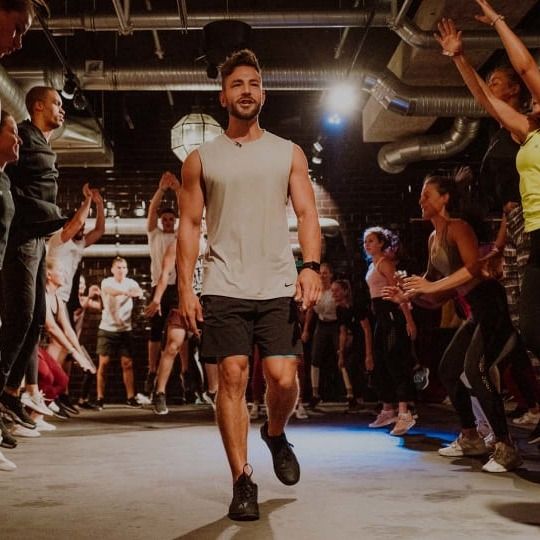
John Reed

JOHN REED Fitness combines diverse training options, vibrant design, and dynamic music to create an engaging workout environment, offering facilities worldwide, including a club in Essen, Germany.
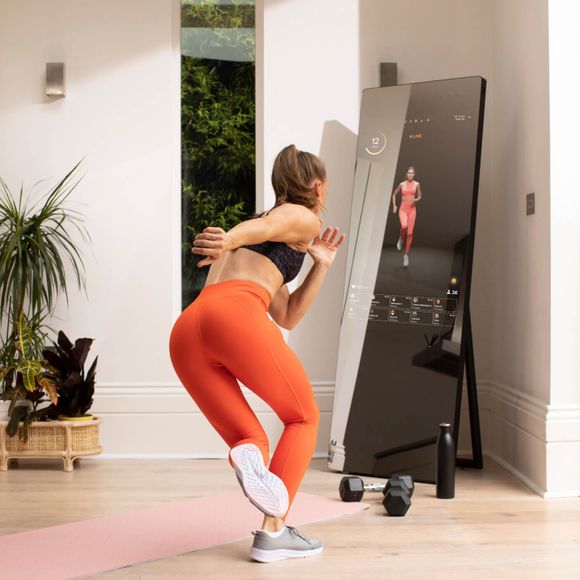
Vaha
VAHA offers interactive fitness mirrors that combine cutting-edge technology with personalized workouts, bringing a complete home gym experience to your living space.
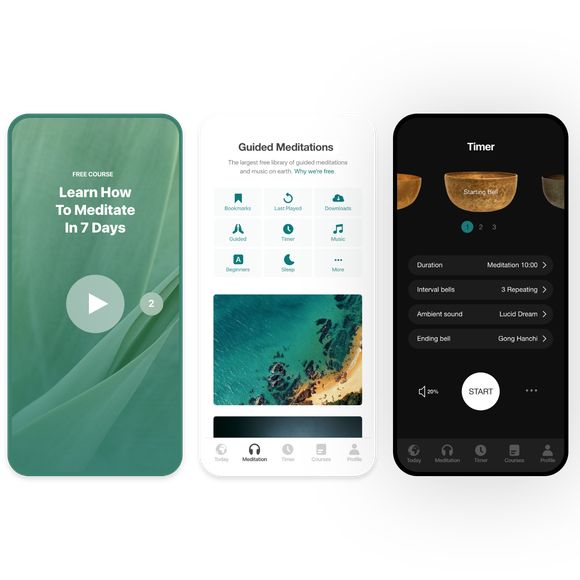
Insight Timer
Insight Timer is a free meditation app offering the world’s largest library of guided meditations, music tracks, and ambient sounds to aid in sleep, relaxation, and mindfulness. With contributions from over 17,000 teachers, the app provides diverse content suitable for both beginners and experienced practitioners.
ANTI
ANTI is a holistic wellness hub in Berlin-Mitte offering a curated blend of longevity-focused treatments—such as hyperbaric oxygen, red light therapy, cryotherapy, sauna, and expert-led classes—to support sustainable health, stress resilience, and performance.
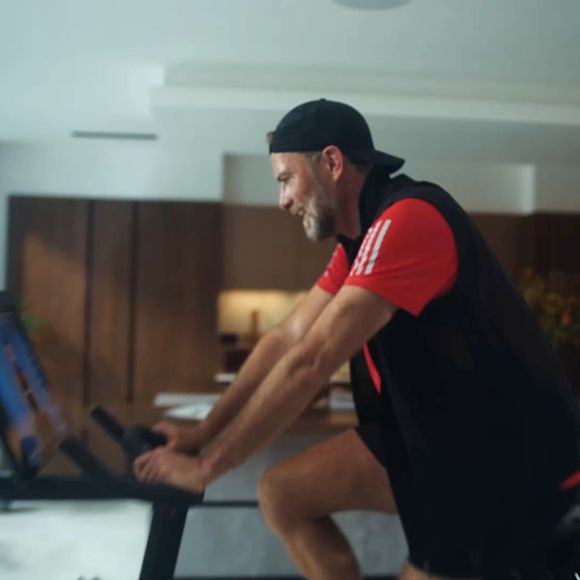
Peloton

Peloton offers innovative fitness solutions, including the Peloton Bike+, Tread, and a wide range of classes through their app.
Holmes Place
Holmes Place is a premium health, fitness, and wellness provider operating 14 clubs across Germany, including locations in Berlin, Düsseldorf, Hamburg, Cologne, Essen, and Lübeck. Established in Germany since 2001, Holmes Place offers comprehensive services such as group fitness classes, personal training, state-of-the-art equipment, and wellness & spa facilities, all designed to support members in leading healthier lives.
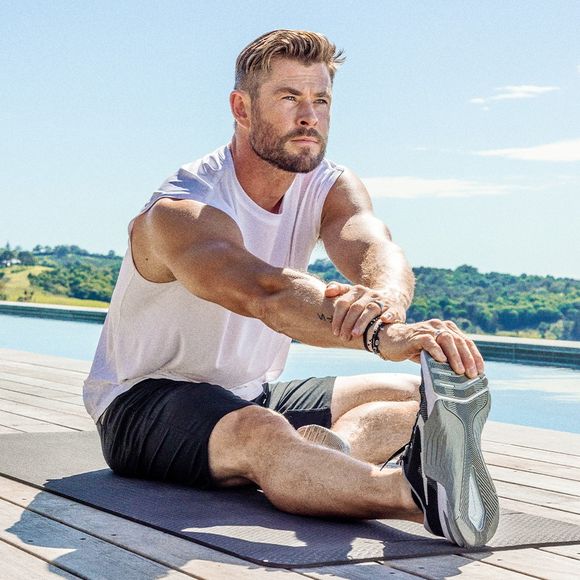
Centr

Centr is a comprehensive fitness app and wellness program inspired by Chris Hemsworth. The app offers personalized workout plans, nutrition guidance, and mindfulness practices, all designed to help users achieve their fitness goals with support from a world-class team of experts.
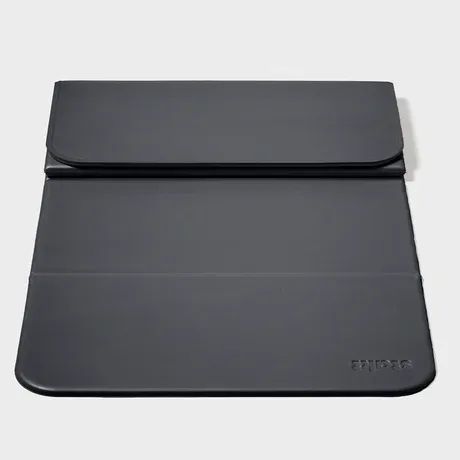
Stakt
Stakt is a fitness brand known for its innovative 2-in-1 foldable fitness mat, which doubles as a block for added versatility, support, and convenience during workouts. The brand also offers complementary on-demand workouts and a movement library to enhance the fitness experience.
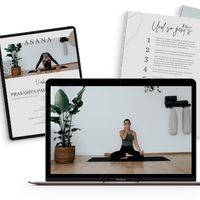
YogaStrong
YogaStrong offers online yoga courses, essential oil guidance, and resources focused on improving mental and physical health through healthy routines. The platform caters to both beginners and experienced practitioners looking to deepen their practice.
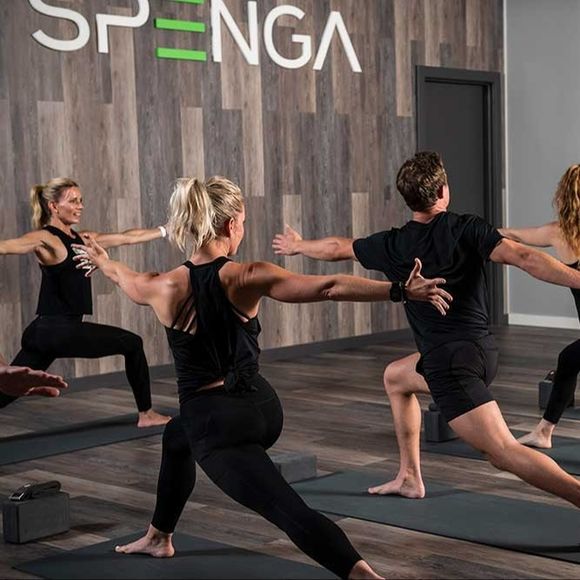
Spenga
Spenga offers a unique fitness experience that combines spin, strength training, and yoga into one 60-minute workout. This innovative approach addresses the three pillars of fitness: cardio, strength, and flexibility, in a supportive group environment.