Knowledge
Magazine
-

The 24-Hour Sleep Model: Why Better Sleep Starts the Morning Before
8 min read
-

Eating for Longevity: Lessons From the World's Oldest People
9 min read
-

The Summer Health Kit: Supplies and Gadgets for Hot Days and Warm Nights
9 min read
Weekly picks on longevity, brands, and health science. No spam—unsubscribe anytime.
Tools
- →The 30s Longevity Guide for Women
- →Postpartum Recovery Guide
- →Perimenopause Longevity Guide
- →Dopamine Reset Guide
- →Pregnancy Longevity Guide
- →Peptide Guide
- →Home Detox Guide
- →Slow Aging Guide
- →Pro Supplement Guide
- →Safe Supplement Guide
- →Bio Age Calculator
- →Blood Testing Guide
- →Deep Sleep Guide
- →Pro Longevity Dashboard
By Category
By Goal
Knowledge
- →What is Longevity?
- →Improve diet
- →More focus
- →Look younger
- →Lose weight
- →Track biomarkers
- →Improve sleep
- →Build muscle
- →Increase cardio
- →Detect diseases
- →Recover faster
- →Relieve stress
Magazine
-
The 24-Hour Sleep Model: Why Better Sleep Starts the Morning Before
8 min read
-
Eating for Longevity: Lessons From the World's Oldest People
9 min read
-
The Summer Health Kit: Supplies and Gadgets for Hot Days and Warm Nights
9 min read
Weekly picks on longevity, brands, and health science. No spam—unsubscribe anytime.
Brands
- →Apps
- →At Home Tests & Kits
- →Events
- →Experts & Clinics
- →Foods & Beverages
- →Gadgets & Equipment
- →Gyms & Workouts
- →Supplements
- →Travel & Retreats
- →Wearables & Trackers
Tools
- →The 30s Longevity Guide for Women
- →Postpartum Recovery Guide
- →Perimenopause Longevity Guide
- →Dopamine Reset Guide
- →Pregnancy Longevity Guide
- →Peptide Guide
- →Home Detox Guide
- →Slow Aging Guide
- →Pro Supplement Guide
- →Safe Supplement Guide
- →Bio Age Calculator
- →Blood Testing Guide
- →Deep Sleep Guide
- →Pro Longevity Dashboard

Discover
Connect
Longevity Knowledge BETA
Melatonin
Table of Contents
What melatonin actually does in your body
Melatonin is a hormone made primarily by the pineal gland when it gets dark. Production follows a tight daily rhythm: levels start climbing about 2 hours before your usual bedtime (a point researchers call dim light melatonin onset, or DLMO), peak between 2:00 and 4:00 AM, and drop to nearly zero by morning. This signal doesn't just control when you feel sleepy. It coordinates liver metabolism, immune function, hormone release, DNA repair, and core body temperature across a 24-hour cycle.
Here's the problem: artificial light at night, especially the blue wavelengths (460-480 nm) from screens, LEDs, and fluorescent bulbs, can suppress pineal melatonin output by 50-90% [1]. That's not a small dip. It's enough to delay sleep onset, fragment sleep architecture, and set off a chain of metabolic disruptions.
More than a sleep hormone
Melatonin is one of the strongest antioxidants the body produces. It directly neutralizes hydroxyl radicals and reactive oxygen species, and unlike most antioxidants, it dissolves in both water and fat. That means it can cross cell membranes and the blood-brain barrier to protect nearly every compartment inside a cell. It also triggers the production of other antioxidant enzymes, including superoxide dismutase, glutathione peroxidase, and catalase [2].
On the immune side, melatonin boosts natural killer cell activity, supports T-helper cell function, and damps down inflammation by inhibiting NF-kB signaling. Production declines roughly tenfold between adolescence and old age [3]. Some researchers think this drop contributes to immunosenescence, the gradual weakening of the immune system that makes older adults more vulnerable to infection and chronic disease.
Melatonin and the gut
The gastrointestinal tract produces about 400 times more melatonin than the pineal gland [4]. This gut-derived melatonin doesn't enter general circulation the way pineal melatonin does. Instead, it works locally: regulating gut motility, protecting the intestinal lining, and communicating with the microbiome. Recent research shows a two-way relationship. Certain gut bacteria influence melatonin synthesis in the intestinal wall, and melatonin in turn shapes microbiome composition by reducing oxidative stress in the gut environment [4]. This is still an early research area, but it adds weight to the idea that melatonin's role extends well beyond sleep.
Supplementation: less is usually more
Melatonin supplements are easy to buy and widely used, but most people take far too much. The dose that mimics what the body naturally produces is 0.3-0.5 mg. Commercial products commonly contain 3-10 mg, which is 10-30 times the physiological amount. A 2024 dose-response meta-analysis found that sleep benefits peak at around 4 mg/day and higher doses don't add further improvement [5]. Lower doses (0.3-1 mg) often work just as well for simple sleep onset trouble, with fewer side effects like next-day grogginess and vivid dreams.
Timing matters as much as dose. Taking melatonin 2-3 hours before your target bedtime, rather than right at bedtime, better aligns with the body's natural DLMO window and produces stronger effects on sleep latency [5].
- For sleep onset: 0.3-1 mg taken 1-3 hours before desired bedtime
- For jet lag or shift work: 0.5-3 mg timed to the target sleep schedule
- Extended-release forms can help people who wake frequently during the night
- Sublingual tablets bypass liver metabolism and act faster
Quality control is a real issue
A 2017 study tested 31 melatonin supplements and found that actual melatonin content ranged from 83% less to 478% more than what the label claimed [6]. Over 70% of products missed their label claim by more than 10%. Worse, 26% of products contained serotonin as an unlisted contaminant. If you take melatonin, choose products with USP Verified or NSF Certified marks. These indicate independent testing for identity, potency, and contaminants.
Optimizing your own melatonin production
Before supplementing, try fixing your light environment first. Bright light exposure (ideally sunlight) within 30-60 minutes of waking anchors the circadian clock and ensures a strong evening melatonin rise. In the 2-3 hours before bed, dim the overhead lights, use blue-light-blocking glasses if needed, and switch to warm-toned lamps. A completely dark, cool bedroom supports maximal melatonin secretion through the night.
Regular exercise, especially earlier in the day, supports healthy melatonin rhythms. Tryptophan-rich foods (turkey, eggs, nuts, seeds) provide the raw material for serotonin, which the pineal gland then converts to melatonin. Magnesium and vitamin B6 are cofactors in this conversion pathway.
References
- 1. Effect of melatonin supplementation on sleep quality: a systematic review and meta-analysis of randomized controlled trials (Journal of Neurology, 202...
- 2. Melatonin: An Established Antioxidant Worthy of Use in Clinical Trials (Molecules, 2008)
- 3. Melatonin as an Anti-Aging Therapy for Age-Related Cardiovascular and Neurodegenerative Diseases (Frontiers in Aging Neuroscience, 2022)
- 4. The melatonin-microbiome axis: a new frontier in gut health (Inflammopharmacology, 2025)
- 5. Optimizing the Time and Dose of Melatonin as a Sleep-Promoting Drug: A Systematic Review and Dose-Response Meta-Analysis (Journal of Pineal Research,...
- 6. Melatonin Natural Health Products and Supplements: Presence of Serotonin and Significant Variability of Melatonin Content (Journal of Clinical Sleep M...
- 7. Melatonin supplementation: new insights into health and disease (Pharmacological Research, 2025)
Get morning sunlight to boost evening melatonin
Dim lights 2-3 hours before bed
Start with 0.3-0.5 mg if supplementing
Take melatonin 2-3 hours before bedtime, not at bedtime
Keep your bedroom cool and completely dark
Check for third-party testing on melatonin supplements
Is it safe to take melatonin every night?
Does melatonin production decrease with age?
What is the best melatonin dosage for sleep?
Can melatonin help with jet lag?
Does melatonin have side effects?
Does melatonin work long-term?

Most Replayed Moment: Sleep Expert On The Truth About Melatonin And Magnesium

Essentials: Sleep Toolkit for Optimizing Sleep & Sleep-Wake Timing

#394 ‒ Sleep pharmacology: the role of medications in healthy sleep, the promise of emerging therapies, and the evidence for common sleep supplements
Essentials: Understanding & Controlling Aggression
How Women Can Improve Their Fertility & Hormone Health | Dr. Natalie Crawford
Essentials: Using Light to Optimize Health
No discussions yet
Be the first to start a discussion about Melatonin.
Related Brands

Blockblue Light

BlockBlueLight, founded in 2016 by Daniel Ebbett, specializes in products designed to mitigate blue light exposure, including blue light blocking glasses and low blue lighting solutions, aiming to enhance sleep quality and overall well-being

f.lux

f.lux is a free cross‑platform app that adjusts your screen’s color temperature to reduce blue light at night—helping protect sleep, reduce eye strain, and support circadian health.
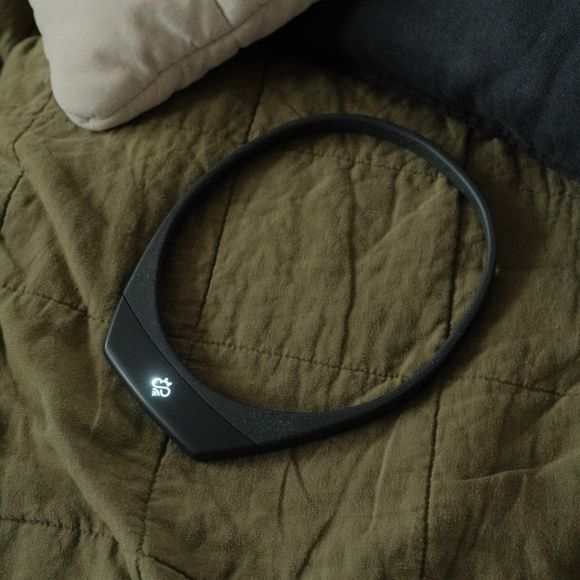
Hapbee

Hapbee is a wearable technology that uses magnetic fields to help users naturally elevate their mood, boost productivity, and improve sleep quality.

Cuddle
Cuddle Sleep Health offers the Cuddle Sleep+ Formula, a cocoa-cinnamon flavored nightly drink crafted with 11 natural ingredients to promote deep, restorative sleep and enhance overall well-being.

Mitozen
MitoZen Scientific is a wellness company specializing in advanced natural medicine and detoxification products designed to support various aspects of health, including sleep, neurological function, immune support, and skin health. Utilizing innovative delivery systems such as liposomal formulations, nasal sprays, and topical applications, MitoZen aims to enhance nutrient absorption and efficacy.
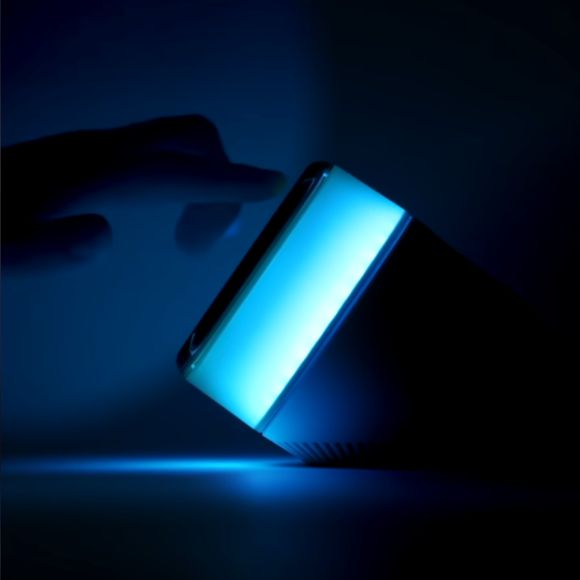
Ambient
Ambient introduces Dreamie, a distraction‑free bedside sleep device that eliminates screen dependence. It offers smart lighting, soundscapes, and sleep insights—all without apps or wearables—for improved rest and routine support.

Allergy Research Group
Allergy Research Group offers practitioner‑grade, hypoallergenic supplements made with clean, well‑tolerated ingredients—geared toward immune balance, metabolic health, and oxidative protection.