Knowledge
Magazine
-

The 24-Hour Sleep Model: Why Better Sleep Starts the Morning Before
8 min read
-

Eating for Longevity: Lessons From the World's Oldest People
9 min read
-

The Summer Health Kit: Supplies and Gadgets for Hot Days and Warm Nights
9 min read
Weekly picks on longevity, brands, and health science. No spam—unsubscribe anytime.
Tools
- →The 30s Longevity Guide for Women
- →Postpartum Recovery Guide
- →Perimenopause Longevity Guide
- →Dopamine Reset Guide
- →Pregnancy Longevity Guide
- →Peptide Guide
- →Home Detox Guide
- →Slow Aging Guide
- →Pro Supplement Guide
- →Safe Supplement Guide
- →Bio Age Calculator
- →Blood Testing Guide
- →Deep Sleep Guide
- →Pro Longevity Dashboard
By Category
By Goal
Knowledge
- →What is Longevity?
- →Improve diet
- →More focus
- →Look younger
- →Lose weight
- →Track biomarkers
- →Improve sleep
- →Build muscle
- →Increase cardio
- →Detect diseases
- →Recover faster
- →Relieve stress
Magazine
-
The 24-Hour Sleep Model: Why Better Sleep Starts the Morning Before
8 min read
-
Eating for Longevity: Lessons From the World's Oldest People
9 min read
-
The Summer Health Kit: Supplies and Gadgets for Hot Days and Warm Nights
9 min read
Weekly picks on longevity, brands, and health science. No spam—unsubscribe anytime.
Brands
- →Apps
- →At Home Tests & Kits
- →Events
- →Experts & Clinics
- →Foods & Beverages
- →Gadgets & Equipment
- →Gyms & Workouts
- →Supplements
- →Travel & Retreats
- →Wearables & Trackers
Tools
- →The 30s Longevity Guide for Women
- →Postpartum Recovery Guide
- →Perimenopause Longevity Guide
- →Dopamine Reset Guide
- →Pregnancy Longevity Guide
- →Peptide Guide
- →Home Detox Guide
- →Slow Aging Guide
- →Pro Supplement Guide
- →Safe Supplement Guide
- →Bio Age Calculator
- →Blood Testing Guide
- →Deep Sleep Guide
- →Pro Longevity Dashboard

Discover
Connect
Longevity Knowledge BETA
Creatine
Table of Contents
What is creatine?
Creatine is a naturally occurring compound your body synthesizes from three amino acids: arginine, glycine, and methionine, primarily in the liver and kidneys. About 95% of the body's creatine is stored in skeletal muscle as phosphocreatine, where it functions as a rapid-access energy reserve. During high-intensity muscle contractions, ATP is consumed and creatine phosphate donates its phosphate group to regenerate ATP within seconds, faster than any other metabolic pathway [1].
What makes creatine particularly interesting from a longevity perspective is that endogenous creatine synthesis declines with age, and this decline appears to correlate with DNA methylation patterns that predict biological aging and mortality risk [2].
Creatine for muscle strength and body composition
Decades of research confirm that creatine monohydrate increases intramuscular phosphocreatine stores by 20-40%, producing measurable gains in strength, power, and high-intensity exercise capacity. A 2024 meta-analysis found that creatine combined with resistance training increased upper-body strength by 4.4 kg and lower-body strength by 11.4 kg versus placebo [3].
For aging adults, the benefits go beyond the gym. Sarcopenia, the age-related loss of muscle mass, is one of the strongest predictors of frailty and mortality. A 2025 systematic review of over 1,000 older adults showed that creatine combined with exercise training significantly improved maximal strength, with effects becoming clear after 12 weeks [4]. A 2025 JISSN position paper recommended creatine as a viable intervention for sarcopenia, osteoporosis, and frailty [5].
Brain health and cognitive benefits
The brain consumes roughly 20% of the body's total energy despite being only 2% of body mass. A 2024 meta-analysis of 16 RCTs found that creatine significantly improves memory, attention, and processing speed in adults [6]. These benefits are strongest during sleep deprivation, mental fatigue, or chronic stress, when the brain's energy demands outstrip supply.
A 2025 review focused on older adults found that five of six studies reported positive effects of creatine on cognition in aging populations, particularly for memory and attention [7]. Preclinical evidence also points to neuroprotective properties: creatine may buffer against excitotoxicity and mitochondrial dysfunction.
Creatine, methylation, and biological aging
Your body's synthesis of creatine consumes approximately 40% of all methyl groups donated by S-adenosylmethionine (SAMe), the universal methyl donor. Supplementing with exogenous creatine reduces this burden, freeing up SAMe methyl groups for other functions including DNA methylation, neurotransmitter synthesis, and detoxification [2]. A 2025 study of nearly 5,000 adults aged 50 and older found that higher dietary creatine intake was inversely correlated with epigenetic mortality risk scores, even after adjusting for demographic and dietary factors. In practical terms: people who consumed more creatine showed younger biological age markers [2].
Creatine for women
Women have 70-80% lower endogenous creatine stores compared to men, which means they may benefit even more from supplementation. A 2025 review in the Journal of the International Society of Sports Nutrition examined creatine across the female lifespan and found that hormonal fluctuations during menstruation, pregnancy, and menopause all affect creatine metabolism [8]. Population data from NHANES showed that women consuming adequate dietary creatine had a 25% lower risk of irregular periods. For postmenopausal women, creatine combined with resistance training improved bone geometric properties at the femoral neck, a common fracture site [9].
Mood and mental health
Emerging research connects creatine to mental health, likely through its effects on brain energy metabolism. A 2024 randomized controlled pilot trial found that creatine added to cognitive behavioral therapy reduced depression scores (PHQ-9) by 5.12 points more than placebo plus CBT over 8 weeks [10]. Population-level data from a study published in Translational Psychiatry showed an inverse, stepwise association between dietary creatine consumption and depression risk [11]. The proposed mechanism: creatine restores brain energy levels and modulates neurotransmitter systems that regulate mood.
Safety and kidney health
Creatine monohydrate has an excellent safety record. A 2025 meta-analysis of 21 studies confirmed that creatine does not adversely affect kidney function in healthy individuals [12]. While serum creatinine may rise slightly, this reflects natural conversion of creatine to creatinine, not kidney damage. Long-term studies of up to five years report no serious adverse effects [13]. The FDA classified creatine as GRAS (generally recognized as safe) in 2020.
Dosing and practical recommendations
Take 3-5 grams of creatine monohydrate daily, consistently. Loading phases (20 g/day for 5-7 days) saturate stores faster but aren't necessary; daily dosing reaches full saturation within 3-4 weeks [14]. Creatine monohydrate remains the gold standard. Newer forms like creatine HCl have no proven advantage despite higher cost.
- Take with a meal or post-workout for optimal absorption
- Stay well hydrated, as creatine increases intracellular water retention
- No cycling is required. Long-term daily use has been studied with an excellent safety profile
- Vegetarians, vegans, and women often see larger benefits due to lower baseline creatine stores
- Look for third-party tested products (NSF Certified for Sport or Informed Choice)
References
- 1. Creatine Supplementation and Brain Health (Roschel et al., 2021)
- 2. Linking dietary creatine to DNA methylation-based predictors of mortality in individuals aged 50 and above (Lifestyle Genomics, 2025)
- 3. Effects of Creatine Supplementation and Resistance Training on Muscle Strength in Adults <50 (Nutrients, 2024)
- 4. Impact of creatine supplementation and exercise training in older adults: a systematic review and meta-analysis (2025)
- 5. Creatine monohydrate supplementation for older adults and clinical populations (JISSN, 2025)
- 6. The effects of creatine supplementation on cognitive function in adults: a systematic review and meta-analysis (Frontiers in Nutrition, 2024)
- 7. Creatine and Cognition in Aging: A Systematic Review of Evidence in Older Adults (Nutrition Reviews, 2025)
- 8. Creatine in women's health: bridging the gap from menstruation through pregnancy to menopause (JISSN, 2025)
- 9. A 2-yr Randomized Controlled Trial on Creatine Supplementation during Exercise for Postmenopausal Bone Health (2023)
- 10. Efficacy and safety of oral creatine monohydrate in add-on to CBT in depression: 8-week pilot RCT (European Neuropsychopharmacology, 2024)
- 11. Dietary creatine intake and depression risk among U.S. adults (Translational Psychiatry, 2020)
- 12. Effect of creatine supplementation on kidney function: a systematic review and meta-analysis (BMC Nephrology, 2025)
- 13. A short review of the most common safety concerns regarding creatine ingestion (Frontiers in Nutrition, 2025)
- 14. Creatine supplementation protocols with or without training on body composition: a GRADE-assessed systematic review and dose-response meta-analysis (J...
Creatine supports your brain, not just your muscles
Skip the loading phase — consistency matters more
Vegans and vegetarians benefit most from creatine
Creatine becomes more valuable as you age
Creatine does not harm your kidneys
Creatine boosts brain performance under stress
Combine creatine with resistance training after 50
Creatine supports healthy methylation
Women may benefit more from creatine
Skip the loading phase
Creatine is the most proven supplement
Can older adults benefit from creatine supplementation?
Does creatine help with brain function?
Do I need a creatine loading phase?
Is creatine monohydrate better than other forms of creatine?
Is creatine safe for your kidneys?
Does creatine cause hair loss?
Can creatine help with depression?
Should women take creatine?
What is the best form of creatine to take?
Is creatine safe for long-term use?
How much creatine should I take?

Building strength and muscle mass: how to optimize training, nutrition, and more for longevity (AMA #71 rebroadcast)

Essentials: Tools for Hormone Optimization in Males | Dr. Kyle Gillett

Women’s Fitness Expert: What You NEED To Know About Dieting & Exercise | Dr. Stephanie Estima
Essentials: The Science of Eating for Health, Fat Loss & Lean Muscle | Dr. Layne Norton
Creatine Expert: Creatine Is The Secret To Weight Loss
Anti-Aging Expert: Stop Touching Receipts Immediately! The Fast Way To Shrink Visceral Fat
No discussions yet
Be the first to start a discussion about Creatine.
Related Articles


Community Discussions
Related Brands
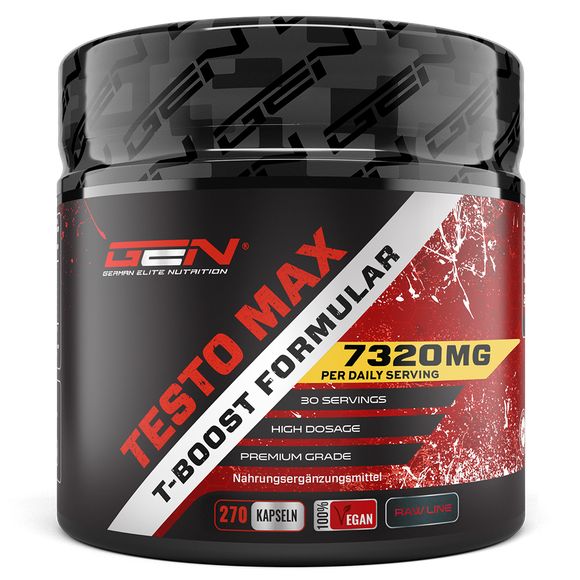
German Elite Nutrition

German Elite Nutrition offers premium supplements and sports products, emphasizing exceptional quality, taste, and rigorous testing to support athletic performance and health.
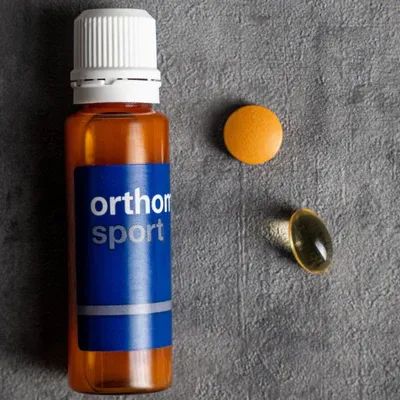
Orthomol Sport
Orthomol Sport offers a comprehensive range of micronutrient supplements designed to support athletic performance, recovery, and overall health, utilizing high-quality ingredients tailored for active individuals.
Sportnahrung Wehle

Sportnahrung Wehle offers a comprehensive range of high-quality nutritional supplements and fitness products, including collagen, whey protein, creatine, and vitamin D3, to support health and athletic performance.
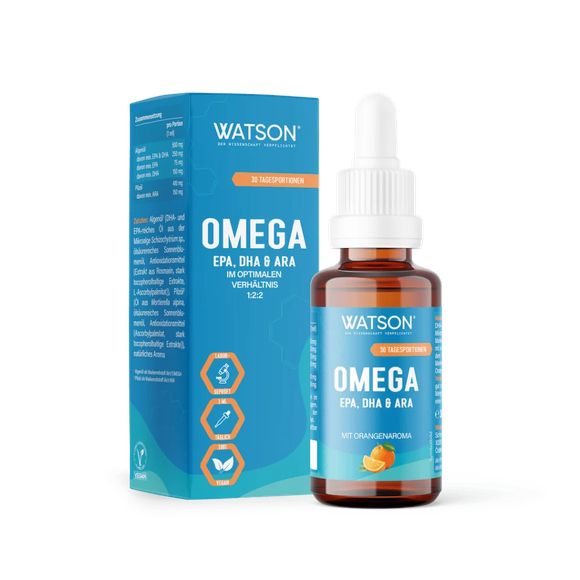
Watson
Watson Nutrition offers laboratory-tested, vegan dietary supplements formulated by nutritionist Niko Rittenau, providing essential vitamins, minerals, and nutrients to support individuals following plant-based diets.
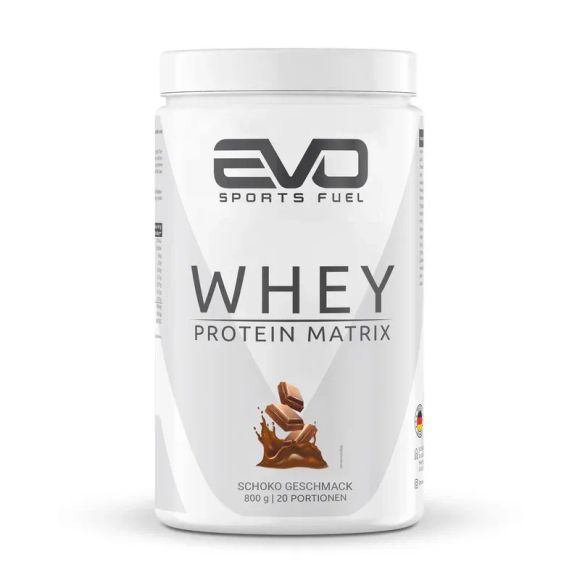
Evo Sports Fuel
EVO SPORTS FUEL offers premium, German-made sports nutrition products, including protein powders, bars, creatine, and vital nutrients, all rigorously tested and evidence-based.
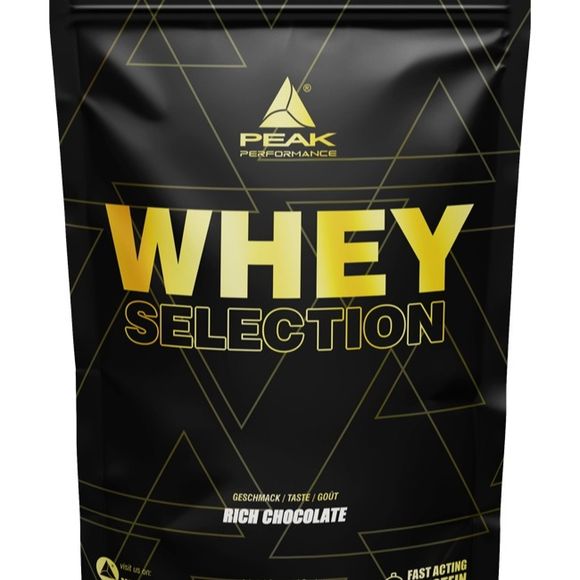
Peak

Peak is a leading brand in sports nutrition, offering a wide range of high-quality supplements designed to enhance athletic performance, support muscle growth, and improve overall health. Their products include protein powders, amino acids, creatine, and more.

Bodybuilding Depot
Bodybuilding Depot is a German-based retailer specializing in high-quality sports nutrition supplements, offering a wide range of products to support muscle building, performance enhancement, and overall health.