Knowledge
Magazine
-

The 24-Hour Sleep Model: Why Better Sleep Starts the Morning Before
8 min read
-

Eating for Longevity: Lessons From the World's Oldest People
9 min read
-

The Summer Health Kit: Supplies and Gadgets for Hot Days and Warm Nights
9 min read
Weekly picks on longevity, brands, and health science. No spam—unsubscribe anytime.
Tools
- →The 30s Longevity Guide for Women
- →Postpartum Recovery Guide
- →Perimenopause Longevity Guide
- →Dopamine Reset Guide
- →Pregnancy Longevity Guide
- →Peptide Guide
- →Home Detox Guide
- →Slow Aging Guide
- →Pro Supplement Guide
- →Safe Supplement Guide
- →Bio Age Calculator
- →Blood Testing Guide
- →Deep Sleep Guide
- →Pro Longevity Dashboard
By Category
By Goal
Knowledge
- →What is Longevity?
- →Improve diet
- →More focus
- →Look younger
- →Lose weight
- →Track biomarkers
- →Improve sleep
- →Build muscle
- →Increase cardio
- →Detect diseases
- →Recover faster
- →Relieve stress
Magazine
-
The 24-Hour Sleep Model: Why Better Sleep Starts the Morning Before
8 min read
-
Eating for Longevity: Lessons From the World's Oldest People
9 min read
-
The Summer Health Kit: Supplies and Gadgets for Hot Days and Warm Nights
9 min read
Weekly picks on longevity, brands, and health science. No spam—unsubscribe anytime.
Brands
- →Apps
- →At Home Tests & Kits
- →Events
- →Experts & Clinics
- →Foods & Beverages
- →Gadgets & Equipment
- →Gyms & Workouts
- →Supplements
- →Travel & Retreats
- →Wearables & Trackers
Tools
- →The 30s Longevity Guide for Women
- →Postpartum Recovery Guide
- →Perimenopause Longevity Guide
- →Dopamine Reset Guide
- →Pregnancy Longevity Guide
- →Peptide Guide
- →Home Detox Guide
- →Slow Aging Guide
- →Pro Supplement Guide
- →Safe Supplement Guide
- →Bio Age Calculator
- →Blood Testing Guide
- →Deep Sleep Guide
- →Pro Longevity Dashboard

Discover
Connect
Longevity Knowledge BETA
Collagen
Table of Contents
What is collagen and why does it matter?
Collagen is the most abundant protein in the human body, making up about 30% of total protein mass. It forms the structural framework of skin, bones, tendons, ligaments, cartilage, and blood vessels. The name comes from the Greek word "kolla," meaning glue, and that's essentially what collagen does: it holds tissues together. Starting in your mid-twenties, collagen production drops by roughly 1-1.5% per year. After menopause, that decline accelerates sharply because estrogen directly stimulates collagen synthesis [1]. The visible consequences are familiar: thinner skin, stiffer joints, weaker bones, and slower wound healing.
Collagen types: I, II, and III
Scientists have identified at least 28 types of collagen, but three account for the vast majority in the human body. Type I is the most common. It provides tensile strength to skin, bones, tendons, and organs, and is stronger than steel on a per-weight basis. Type II is the main structural protein in articular cartilage, providing the cushioning that protects joints during movement. Type III typically occurs alongside Type I in skin, blood vessels, and internal organs, contributing to elasticity. These distinctions matter when choosing supplements: joint protocols typically use Type II (often as undenatured collagen, or UC-II), while skin and anti-aging protocols focus on Types I and III as hydrolyzed peptides [2].
Collagen peptide supplements: what the evidence says
Hydrolyzed collagen peptides are collagen broken down enzymatically into small di- and tripeptides of 3-6 kDa. These are absorbed efficiently through the gut and distributed throughout the body. A 2024 meta-analysis of 26 randomized controlled trials with 1,721 participants found that collagen peptide supplementation significantly improved skin hydration, elasticity, and wrinkle depth after 8 weeks of consistent use [3]. However, a 2025 meta-analysis of 23 RCTs raised an important caveat: studies funded by supplement companies showed significant skin benefits, while independently funded studies did not [4]. This doesn't mean collagen peptides are useless, but it does mean the effect sizes may be smaller than marketing suggests.
The mechanism isn't just about supplying raw materials. Specific peptides like prolyl-hydroxyproline (Pro-Hyp) and hydroxyprolyl-glycine (Hyp-Gly) act as signaling molecules that stimulate fibroblasts to ramp up endogenous collagen production, hyaluronic acid synthesis, and elastin formation [5]. A 2025 clinical trial even found that a collagen amino acid supplement reduced biological age by 1.4 years over six months [6].
Collagen supplements for joints and bones
Joint health is where collagen supplementation may have its strongest evidence base. A 2024 meta-analysis of 11 RCTs with 870 participants found significant improvements in both pain and function scores for osteoarthritis patients taking collagen [7]. A separate trial sequential meta-analysis of 35 RCTs (3,165 patients) confirmed small-to-moderate effects on pain relief [5]. Undenatured type II collagen (UC-II) works differently from hydrolyzed peptides. Rather than providing building blocks, it modulates the immune system through oral tolerance, reducing inflammatory attacks on joint cartilage.
For bones, collagen peptide supplementation combined with calcium and vitamin D has shown improvements in bone mineral density at the femoral neck and spine, along with favorable changes in bone turnover markers [8]. A 2024 meta-analysis also found that collagen peptides can increase fat-free mass when combined with resistance training [9].
How to support your own collagen production
Vitamin C is non-negotiable for collagen synthesis. It hydroxylates proline and lysine residues in procollagen, a step without which collagen fibers can't cross-link properly. A systematic review confirmed that vitamin C supplementation produces a dose-dependent increase in type I collagen synthesis [10]. Glycine and proline are the dominant amino acids in collagen, and supplemental glycine (3-5 grams daily) can help, since modern diets often fall short. Copper is another key cofactor, required by the enzyme lysyl oxidase for collagen cross-linking. Zinc, silicon, and manganese support collagen metabolism as well.
What destroys collagen
- UV radiation is the single biggest external driver of collagen breakdown in skin. Daily broad-spectrum sunscreen is the most effective anti-aging measure you can take
- Smoking accelerates collagen degradation by activating matrix metalloproteinases (MMPs) and restricting blood flow to the skin
- Excess sugar intake creates advanced glycation end products (AGEs) that stiffen collagen fibers and make them brittle
- Poor sleep reduces growth hormone secretion, which the body needs for tissue repair and collagen synthesis overnight
Downsides and safety
Collagen supplements are generally well tolerated. The most common complaints are mild digestive issues like bloating or an unpleasant aftertaste. People with fish or shellfish allergies should avoid marine collagen, and those with beef sensitivities should skip bovine sources. There's also the contamination question: since collagen is derived from animal tissues, quality control matters. Look for products tested by third parties for heavy metals and other contaminants. There are no official dosage guidelines, but most studies use 2.5-15 grams of hydrolyzed peptides daily, with 5-10 grams being the most common range [3].
References
- 1. Effects of Oral Collagen for Skin Anti-Aging: A Systematic Review and Meta-Analysis (2023)
- 2. Collagen Supplementation for Joint Health: The Link between Composition and Scientific Knowledge (2023)
- 3. Exploring the Impact of Hydrolyzed Collagen Oral Supplementation on Skin Rejuvenation: A Systematic Review and Meta-Analysis (2024)
- 4. Effects of Collagen Supplements on Skin Aging: A Systematic Review and Meta-Analysis of RCTs (American Journal of Medicine, 2025)
- 5. Efficacy and Safety of Collagen Derivatives for Osteoarthritis: A Trial Sequential Meta-Analysis (2024)
- 6. A collagen amino acid composition supplementation reduces biological age in humans (npj Aging, 2025)
- 7. Effect of collagen supplementation on knee osteoarthritis: an updated systematic review and meta-analysis of RCTs (2024)
- 8. Efficacy of Collagen Peptide Supplementation on Bone and Muscle Health: A Meta-Analysis (Frontiers in Nutrition, 2025)
- 9. Impact of Collagen Peptide Supplementation on Strength, Body Composition: Systematic Review with Meta-analysis (Sports Medicine, 2024)
- 10. Efficacy of Vitamin C Supplementation on Collagen Synthesis and Oxidative Stress: A Systematic Review
- 11. Effects of Different Vitamin C-Enriched Collagen Derivatives on Collagen Synthesis (2019)
- 12. Collagen-Derived Peptides as Prebiotics to Improve Gut Health (2024)
Take collagen on an empty stomach for better absorption
Match collagen type to your goal
Reduce sugar to protect existing collagen
Give collagen at least 8 weeks to show results
Sunscreen is your best collagen preservation strategy
Wear sunscreen to protect your collagen
Always pair collagen with vitamin C
Give it at least 8 weeks
Combine collagen with resistance training for bones
Cut sugar to protect existing collagen
Collagen needs Vitamin C
What is the difference between marine and bovine collagen?
Is there a vegan alternative to collagen supplements?
At what age does collagen production start declining?
Are there any side effects of collagen supplementation?
Is bone broth as effective as collagen supplements?
What exactly does collagen do for you?
What is the downside of taking collagen?
Is it good to take collagen every day?
Is retinol or collagen better for skin?
Can collagen help with cellulite?
Is collagen supplementation effective?

Women’s Fitness Expert: What You NEED To Know About Dieting & Exercise | Dr. Stephanie Estima

Peptides: The Science, Uses & Safety | Dr. Abud Bakri

Brad Beer - Unlocking the Secrets of Sports Injuries
Top Insulin Expert: Insulin Is More Dangerous Than Sugar! This Will Strip Fat Faster Than Anything!

#105 Exogenous ketones, my coffee protocol, and supplements for blood sugar regulation (Premium Member Q&A July 2025)
How to Lose Fat & Gain Muscle With Nutrition | Alan Aragon
No discussions yet
Be the first to start a discussion about Collagen.
Related Articles


Community Discussions
Related Brands
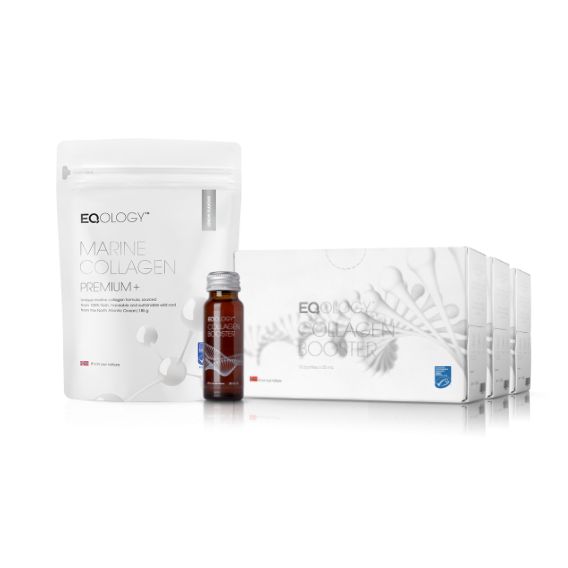
Eqology

Eqology offers premium health and wellness products developed from proven and pure ingredients. Their range includes omega-3 supplements, vitamins, minerals, and lifestyle products designed to support a healthy and active lifestyle.
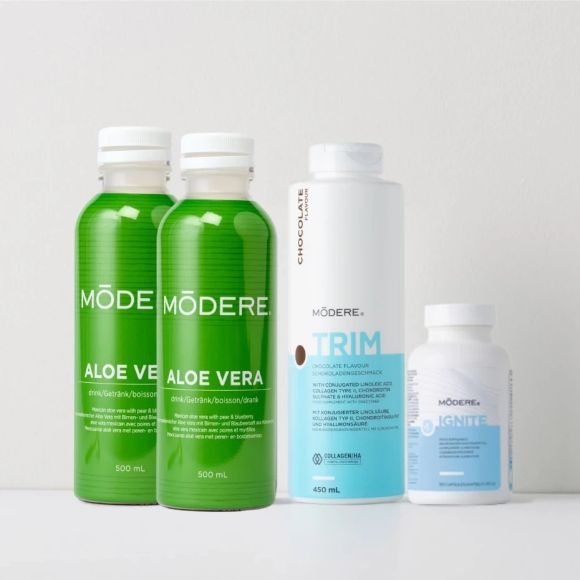
Modere
Modere is a wellness brand offering a range of clean-label products, including personal care, health and wellness, and household essentials, all designed to support a healthy lifestyle.
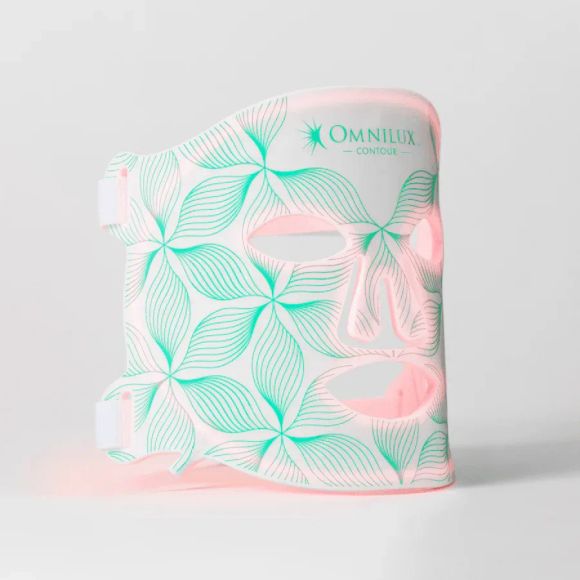
Omnilux
Omnilux offers medical-grade LED light therapy devices designed for at-home use, providing clinically proven treatments for skin rejuvenation, acne reduction, and overall skin health enhancement
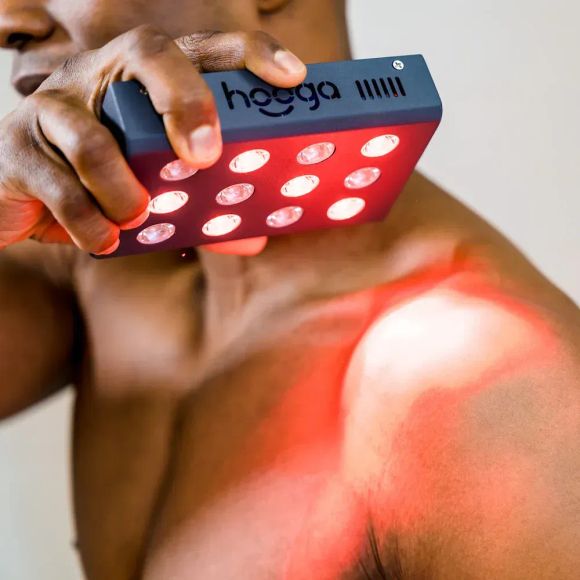
Hooga Health
Hooga Health offers a range of affordable and effective red light therapy devices designed to enhance skin health, boost energy levels, alleviate pain, and promote overall well-being.

EMR-TEK
EMR-TEK is a wellness technology company specializing in red and near-infrared light therapy devices. Their product line includes portable panels, full-body systems, and accessories designed to support recovery, energy, and overall well-being. EMR-TEK also offers blue light blocking glasses and skincare products to complement their light therapy solutions.
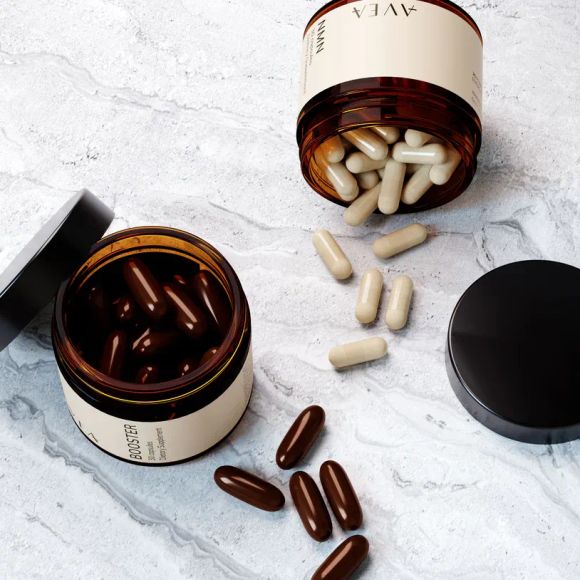
Avea

Avea offers longevity supplements designed to enhance vitality, focus, and overall health.
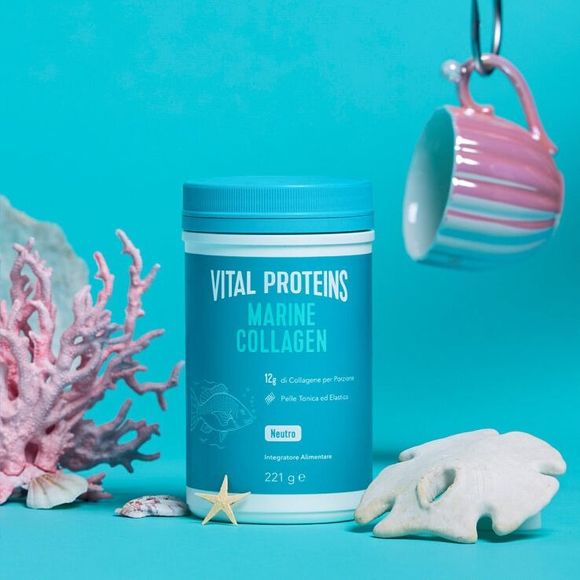
Vital Proteins
Vital Proteins offers a range of collagen-based supplements designed to support skin, hair, nail, bone, and joint health. Their products include collagen peptides, beauty collagen, and marine collagen, made with high-quality ingredients to promote overall well-being.
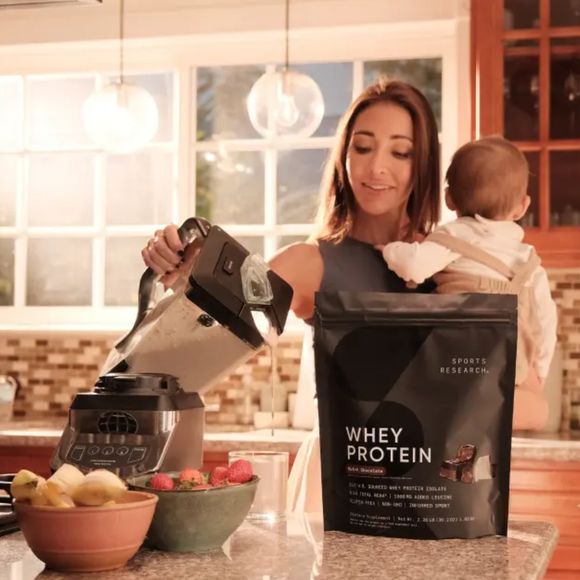
Sports Research
Sports Research is a family-owned supplement brand known for high‑quality, third‑party tested formulations—MCT oils, collagen peptides, vitamins—designed to support energy, recovery, and long‑term vitality.
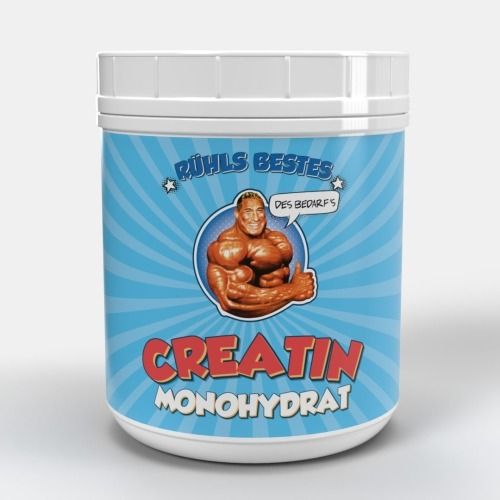
Rühl24
Rühl24 is Markus Rühl’s fitness and supplement brand from Germany, offering a wide range of sports nutrition products (proteins, amino acids, boosters) and fitness gear—with direct manufacturing and “from athlete to athlete” branding.
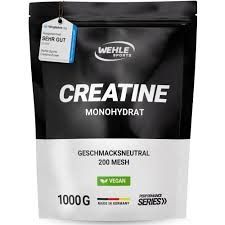
Sportnahrung Wehle
Sportnahrung Wehle offers a comprehensive range of high-quality nutritional supplements and fitness products, including collagen, whey protein, creatine, and vitamin D3, to support health and athletic performance.