Knowledge
Magazine
-

The 24-Hour Sleep Model: Why Better Sleep Starts the Morning Before
8 min read
-

Eating for Longevity: Lessons From the World's Oldest People
9 min read
-

The Summer Health Kit: Supplies and Gadgets for Hot Days and Warm Nights
9 min read
Weekly picks on longevity, brands, and health science. No spam—unsubscribe anytime.
Tools
- →The 30s Longevity Guide for Women
- →Postpartum Recovery Guide
- →Perimenopause Longevity Guide
- →Dopamine Reset Guide
- →Pregnancy Longevity Guide
- →Peptide Guide
- →Home Detox Guide
- →Slow Aging Guide
- →Pro Supplement Guide
- →Safe Supplement Guide
- →Bio Age Calculator
- →Blood Testing Guide
- →Deep Sleep Guide
- →Pro Longevity Dashboard
By Category
By Goal
Knowledge
- →What is Longevity?
- →Improve diet
- →More focus
- →Look younger
- →Lose weight
- →Track biomarkers
- →Improve sleep
- →Build muscle
- →Increase cardio
- →Detect diseases
- →Recover faster
- →Relieve stress
Magazine
-
The 24-Hour Sleep Model: Why Better Sleep Starts the Morning Before
8 min read
-
Eating for Longevity: Lessons From the World's Oldest People
9 min read
-
The Summer Health Kit: Supplies and Gadgets for Hot Days and Warm Nights
9 min read
Weekly picks on longevity, brands, and health science. No spam—unsubscribe anytime.
Brands
- →Apps
- →At Home Tests & Kits
- →Events
- →Experts & Clinics
- →Foods & Beverages
- →Gadgets & Equipment
- →Gyms & Workouts
- →Supplements
- →Travel & Retreats
- →Wearables & Trackers
Tools
- →The 30s Longevity Guide for Women
- →Postpartum Recovery Guide
- →Perimenopause Longevity Guide
- →Dopamine Reset Guide
- →Pregnancy Longevity Guide
- →Peptide Guide
- →Home Detox Guide
- →Slow Aging Guide
- →Pro Supplement Guide
- →Safe Supplement Guide
- →Bio Age Calculator
- →Blood Testing Guide
- →Deep Sleep Guide
- →Pro Longevity Dashboard

Discover
Connect
Longevity Knowledge BETA
Exercise
Table of Contents
Why exercise is the strongest longevity drug
If you could bottle the effects of exercise into a pill, it would be the most prescribed medication on the planet. No other single intervention comes close to its impact on all-cause mortality. A 2024 pooled analysis of four multinational mega-cohorts published in JAMA Network Open confirmed that higher physical activity levels reduce mortality risk by 30-40% across all adult age groups, and unlike other risk factors, the protective effect doesn't weaken as you get older [1]. Separately, a dose-response analysis of 661,137 people found that even exercising below the minimum guidelines cuts mortality risk by 20%, while meeting 1-2 times the recommendation drops it by 31% [2].
The mechanisms behind these numbers are concrete. Exercise improves insulin sensitivity, lowers chronic inflammation by reducing circulating CRP and IL-6, stimulates mitochondrial biogenesis through the AMPK-PGC-1α pathway, and activates autophagy to clear damaged cellular components [3]. In the brain, aerobic exercise increases BDNF production in the hippocampus, driving neurogenesis and synaptic plasticity that protect against cognitive decline [4]. These aren't abstract benefits. They translate directly into fewer heart attacks, less cancer, lower dementia risk, and more functional years of life.
The four exercise types that matter most for healthspan
Longevity-focused training isn't about picking one activity. It's about covering four distinct physiological systems:
Zone 2 cardio (steady-state work at 60-70% of max heart rate) builds mitochondrial density and improves fat oxidation. Aim for 150-200 minutes per week, spread across 3-5 sessions. This is the volume base that keeps your metabolic engine running efficiently.
VO2 max training (intervals at 85-95% max heart rate) is the single strongest predictor of all-cause mortality in the cardiorespiratory fitness research. A meta-analysis of 199 cohorts found that each 1 MET increase in fitness corresponds to a 13% reduction in mortality risk [5]. One to two sessions per week of 4x4-minute intervals with 3-minute rest periods is the standard protocol.
Resistance training preserves muscle mass, bone density, and metabolic rate. A 2022 systematic review and meta-analysis found that any amount of resistance training reduces all-cause mortality by 15%, with maximum benefit around 60 minutes per week [6]. Combined with aerobic exercise, the risk reduction reaches 40%. Two to four sessions per week targeting the fundamental movement patterns (push, pull, squat, hinge, carry) covers the bases.
Stability and mobility work prevents falls, the leading cause of injury death in adults over 65, and maintains the joint health needed to keep training for decades. Daily practice of balance challenges, loaded carries, and full-range-of-motion movements pays off most in later years.
How much exercise is enough, and can you overdo it?
The dose-response curve for exercise and mortality follows a steep initial drop with gradual flattening. The biggest jump in benefit comes from leaving the couch: just 15-20 minutes of brisk walking daily produces measurable mortality reduction. The WHO recommends 150-300 minutes of moderate or 75-150 minutes of vigorous aerobic activity per week, plus muscle-strengthening activities on two or more days. That's the sweet spot for most people.
Can you do too much? At extreme volumes (think ultramarathon training without recovery), cortisol remains chronically elevated, oxidative stress outpaces repair, and injury risk climbs. But for the vast majority of people, the real risk is too little exercise, not too much. Consistency across decades beats intensity spikes. The best program is one you'll still be doing at 80.
Exercise and the aging brain
Physical activity is one of the few interventions with strong evidence for preserving cognitive function with age. Moderate-intensity aerobic exercise (30-40 minutes, 3-4 times per week) optimally stimulates BDNF production and hippocampal neurogenesis [4]. A 2025 systematic review in The Lancet confirmed that regular physical activity and high cardiorespiratory fitness reduce dementia risk through multiple pathways, including reduced neuroinflammation, improved cerebrovascular function, and enhanced waste clearance via the glymphatic system [7]. Resistance training adds its own cognitive benefits: a 2025 meta-analysis found significant improvements in working memory, verbal learning, and spatial memory span in older adults who strength trained [8].
Making it stick
The hardest part of exercise isn't the physiology. It's the behavior. Schedule workouts like meetings. Train with a partner or group for accountability. Pick activities you genuinely enjoy, because adherence over years matters far more than program optimization over weeks. Track a few key metrics (resting heart rate, grip strength, time to complete a set walking distance) to see progress. And remember that movement isn't optional maintenance. It's the closest thing to a longevity guarantee that exists.
References
- 1. Physical Activity and All-Cause Mortality by Age in 4 Multinational Megacohorts (JAMA Network Open, 2024)
- 2. Leisure Time Physical Activity and Mortality: A Detailed Pooled Analysis of the Dose-Response Relationship (JAMA Internal Medicine, 2015)
- 3. Exercise preserves physical fitness during aging through AMPK and mitochondrial dynamics (PNAS, 2023)
- 4. Neuroprotective mechanisms of exercise and the importance of fitness for healthy brain ageing (The Lancet, 2025)
- 5. Cardiorespiratory fitness is a strong and consistent predictor of morbidity and mortality: overview of meta-analyses (British Journal of Sports Medici...
- 6. Resistance Training and Mortality Risk: A Systematic Review and Meta-Analysis (American Journal of Preventive Medicine, 2022)
- 7. Global consensus on optimal exercise recommendations for enhancing healthy longevity in older adults (ICFSR, 2024)
- 8. A systematic review and meta-analysis of the effects of resistance exercise on cognitive function in older adults (Frontiers in Psychiatry, 2025)
Start with 15 minutes a day
Add resistance training twice a week
Test and improve your VO2 max
Exercise for brain protection
Don't skip stability and mobility work
NEAT trumps exercise for weight loss
Boost testosterone naturally
Does exercise really help prevent dementia and cognitive decline?
What type of exercise is best for beginners?
How much exercise do I need per week for longevity?
Is cardio or strength training more important for health?
Can too much exercise be harmful?
Is exercise or diet more important for weight loss?

Raising a Dog & Mastering Calm Assertive Energy | Cesar Millan

Building strength and muscle mass: how to optimize training, nutrition, and more for longevity (AMA #71 rebroadcast)
Essentials: Tools for Hormone Optimization in Males | Dr. Kyle Gillett

Anti-Aging Expert: This Reverses Gray Hair & Boosts Your Energy!
Movement Practice to Strengthen Your Mind-Body Connection | Ido Portal
Women’s Fitness Expert: What You NEED To Know About Dieting & Exercise | Dr. Stephanie Estima
No discussions yet
Be the first to start a discussion about Exercise.
Related Articles


Community Discussions
Related Brands
TRX

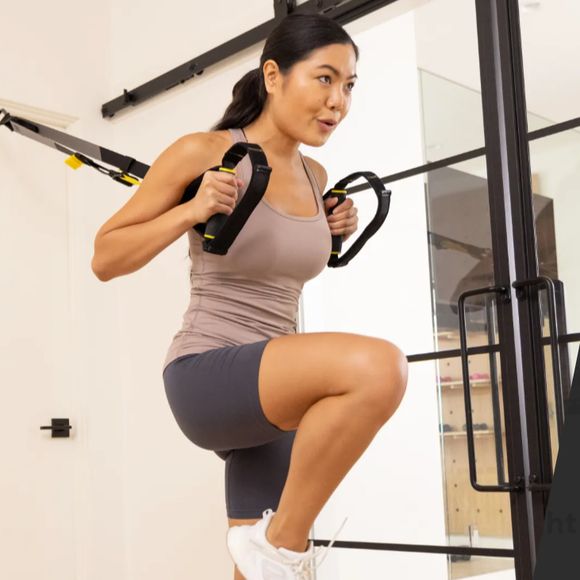
TRX offers a range of fitness products, including the TRX Suspension Trainer, designed to provide effective full-body workouts using bodyweight exercises.
Peter Attia MD
Dr. Peter Attia is a physician specializing in the applied science of longevity, focusing on the extension of human life and well-being. His platform offers a wealth of resources including a popular podcast, articles, and educational content on topics such as exercise, nutrition, and disease prevention.
Muhdo
Muhdo offers advanced genetic and epigenetic testing solutions aimed at empowering individuals with insights into their health. Their offerings include DNA and lifestyle testing kits that provide detailed health, diet, physical, and vitamin profiles.
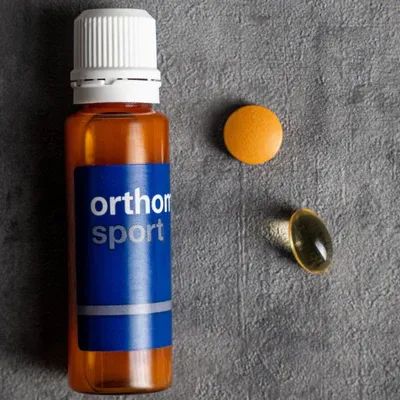
Orthomol Sport
Orthomol Sport offers a comprehensive range of micronutrient supplements designed to support athletic performance, recovery, and overall health, utilizing high-quality ingredients tailored for active individuals.
ARO
ARO is an AI-driven health concierge offering personalized coaching, blood tests, and insights to optimize well-being and prevent diseases.
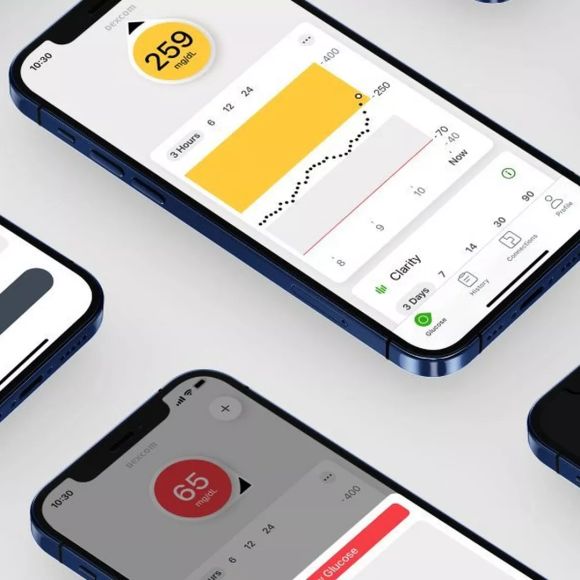
Dexcom
Dexcom is a leader in continuous glucose monitoring (CGM) technology, offering innovative solutions like the Dexcom G7 and the over-the-counter Stelo Glucose Biosensor to help individuals manage their glucose levels effectively.
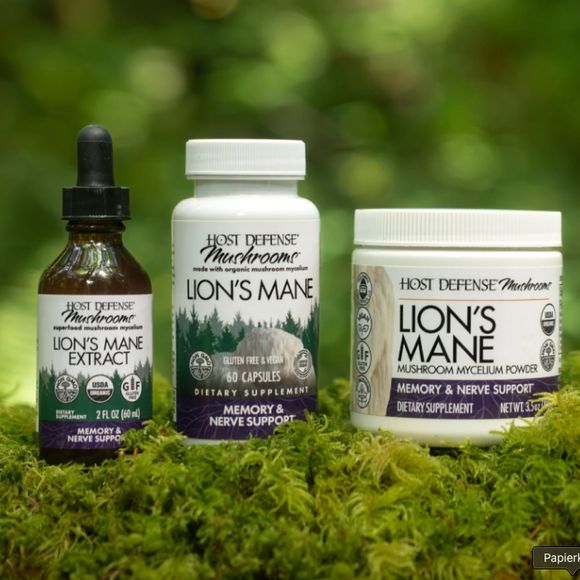
Fungi Perfecti
Fungi Perfecti, founded by mycologist Paul Stamets, is a family-owned company dedicated to promoting the cultivation and use of fungi for health and environmental benefits. Their offerings include a wide range of mushroom-based supplements under the Host Defense® brand, cultivation tools, educational resources, and sustainable solutions aimed at supporting people, bees, trees, and the planet.
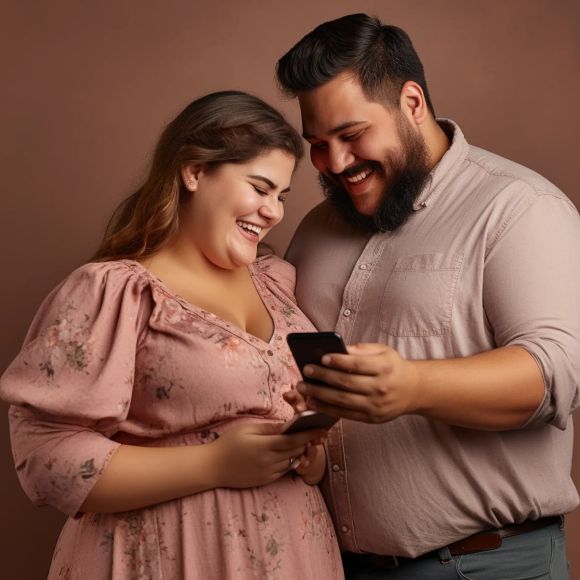
GoLighter
GoLighter is a medical‑supervised weight‑loss provider offering prescription and OTC options, digital tools, and nutrition coaching to help people lose weight without hunger and maintain long-term results.
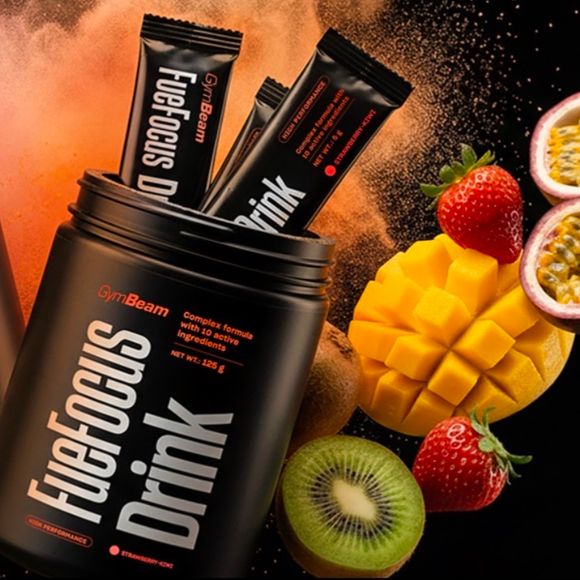
GymBeam
GymBeam is a Central and Eastern European fitness e-commerce platform founded in Slovakia in 2014. The company manufactures over 500 own-brand sports nutrition and functional food products, sells 120+ third-party brands, and operates across 16 European markets including Germany, Austria, and Switzerland.
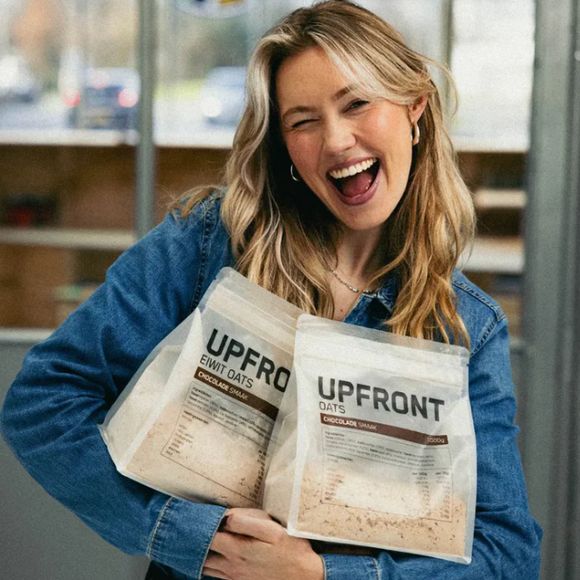
Upfront
Upfront is a fast-growing Dutch sports nutrition brand founded in Rotterdam in 2020, built around radical transparency in ingredient labeling. Their product range spans whey protein shakes, vegan protein powder, protein bars, protein oats, overnight oats, running gels, creatine, magnesium, and ready-to-drink protein iced coffees, available online and across major Dutch retailers including Albert Heijn.