Knowledge
Magazine
-

The 24-Hour Sleep Model: Why Better Sleep Starts the Morning Before
8 min read
-

Eating for Longevity: Lessons From the World's Oldest People
9 min read
-

The Summer Health Kit: Supplies and Gadgets for Hot Days and Warm Nights
9 min read
Weekly picks on longevity, brands, and health science. No spam—unsubscribe anytime.
Tools
- →The 30s Longevity Guide for Women
- →Postpartum Recovery Guide
- →Perimenopause Longevity Guide
- →Dopamine Reset Guide
- →Pregnancy Longevity Guide
- →Peptide Guide
- →Home Detox Guide
- →Slow Aging Guide
- →Pro Supplement Guide
- →Safe Supplement Guide
- →Bio Age Calculator
- →Blood Testing Guide
- →Deep Sleep Guide
- →Pro Longevity Dashboard
By Category
By Goal
Knowledge
- →What is Longevity?
- →Improve diet
- →More focus
- →Look younger
- →Lose weight
- →Track biomarkers
- →Improve sleep
- →Build muscle
- →Increase cardio
- →Detect diseases
- →Recover faster
- →Relieve stress
Magazine
-
The 24-Hour Sleep Model: Why Better Sleep Starts the Morning Before
8 min read
-
Eating for Longevity: Lessons From the World's Oldest People
9 min read
-
The Summer Health Kit: Supplies and Gadgets for Hot Days and Warm Nights
9 min read
Weekly picks on longevity, brands, and health science. No spam—unsubscribe anytime.
Brands
- →Apps
- →At Home Tests & Kits
- →Events
- →Experts & Clinics
- →Foods & Beverages
- →Gadgets & Equipment
- →Gyms & Workouts
- →Supplements
- →Travel & Retreats
- →Wearables & Trackers
Tools
- →The 30s Longevity Guide for Women
- →Postpartum Recovery Guide
- →Perimenopause Longevity Guide
- →Dopamine Reset Guide
- →Pregnancy Longevity Guide
- →Peptide Guide
- →Home Detox Guide
- →Slow Aging Guide
- →Pro Supplement Guide
- →Safe Supplement Guide
- →Bio Age Calculator
- →Blood Testing Guide
- →Deep Sleep Guide
- →Pro Longevity Dashboard

Discover
Connect
Longevity Knowledge BETA
Glucose
Table of Contents
What glucose means for your body
Glucose is a simple sugar that serves as the primary fuel source for your cells. When you eat carbohydrates, your body breaks them down into glucose, which enters your bloodstream. Your cells then use glucose to produce ATP—the energy currency that powers everything from muscle contractions to brain function. Your brain alone consumes about 120 grams of glucose daily, making stable blood sugar essential for cognitive performance [1].
How your body regulates blood sugar
Your body maintains blood glucose within a tight range using a sophisticated hormonal system. Insulin, produced by the pancreas, helps cells absorb glucose from the blood and lowers blood sugar levels. Glucagon, also from the pancreas, raises blood sugar when levels drop too low by triggering the release of stored glucose from the liver. This balance keeps your energy stable throughout the day [2].
The concept of "normal" glucose levels requires careful interpretation. Laboratory reference intervals are derived from population averages and do not necessarily represent optimal health. Research shows that fasting glucose levels within the upper end of the "normal" range may still indicate increased metabolic risk [3].
Glucose and cellular energy production
Cells convert glucose to energy through glycolysis, followed by the Krebs cycle in the mitochondria. Each glucose molecule can yield approximately 30-32 ATP molecules through complete aerobic oxidation. Muscles store glucose as glycogen for quick energy during exercise. This metabolic flexibility allows your body to switch between glucose and fat oxidation based on availability and demand [4].
Glucose dysregulation and aging
Chronic elevation of blood glucose, even below diabetic thresholds, accelerates aging through multiple mechanisms. High glucose promotes the formation of advanced glycation end-products (AGEs), which damage proteins and DNA. It also increases oxidative stress and inflammation, contributing to vascular dysfunction and cognitive decline. Research demonstrates that maintaining lower fasting glucose levels is associated with reduced mortality and slower biological aging [5].
Strategies for optimal glucose control
Preventing glucose dysregulation focuses on maintaining insulin sensitivity. Regular exercise, especially resistance training, helps muscles absorb glucose more efficiently. Eating fiber-rich foods slows glucose absorption and prevents spikes. Time-restricted eating windows can improve insulin sensitivity by allowing extended periods of low insulin. Sleep quality and stress management also play important roles, as sleep deprivation impairs glucose tolerance and increases insulin resistance [6].
References
- 1. The brain's reliance on glucose as a primary fuel source (Neuroscience & Biobehavioral Reviews, 2011)
- 2. Insulin and glucagon regulation of blood glucose (Diabetes Care, 2019)
- 3. The normal range: it is not normal and it is not a range (Postgraduate Medical Journal, 2018)
- 4. Mitochondrial ATP production and glucose metabolism (Cell Metabolism, 2020)
- 5. Glucose levels and mortality risk in non-diabetic adults (Diabetes Care, 2018)
- 6. Sleep deprivation and glucose metabolism (Journal of Clinical Endocrinology & Metabolism, 2010)
Eat protein first
Walk after meals
Add vinegar to meals
Prioritize sleep quality
Build muscle with resistance training
Eat protein and fiber first
Walk 10-15 minutes after meals
Prioritize 7-9 hours of sleep
Build muscle for better glucose control
Track fasting insulin, not just glucose
Can I prevent type 2 diabetes?
What is a healthy fasting glucose level?
How does glucose affect aging?
What causes blood sugar spikes after meals?
Is continuous glucose monitoring useful for non-diabetics?
What is the difference between glucose and glycogen?
What is a normal blood glucose level?
How does continuous glucose monitoring (CGM) work?
What causes blood sugar spikes?

Fatty Liver Expert: Your Liver Is Filling With Fat Right Now - Dr David Unwin

Essentials: Control Sugar Cravings & Metabolism with Science-Based Tools
Pregnancy Diet Expert: The Pregnancy Diet That Rewrites DNA! Why Pregnant Moms Are Being Lied To!
Using Red Light to Improve Metabolism & the Harmful Effects of LEDs | Dr. Glen Jeffery
Insulin Doctor: This Is The First Sign Of Dementia! The Shocking Link Between Keto & Brain Decline!

AMA #77: Dietary fiber and health outcomes: real benefits, overhyped claims, and practical applications
No discussions yet
Be the first to start a discussion about Glucose.
Community Discussions
Related Brands
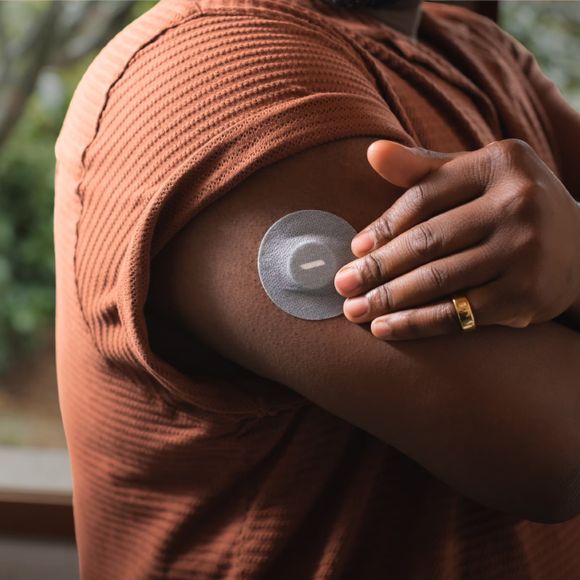
Veri

Veri offers a personalized metabolic health program using cutting-edge CGM technology. Their program helps users find the right foods, achieve health goals, and maintain stable blood sugar levels through continuous glucose monitoring and personalized guidance.
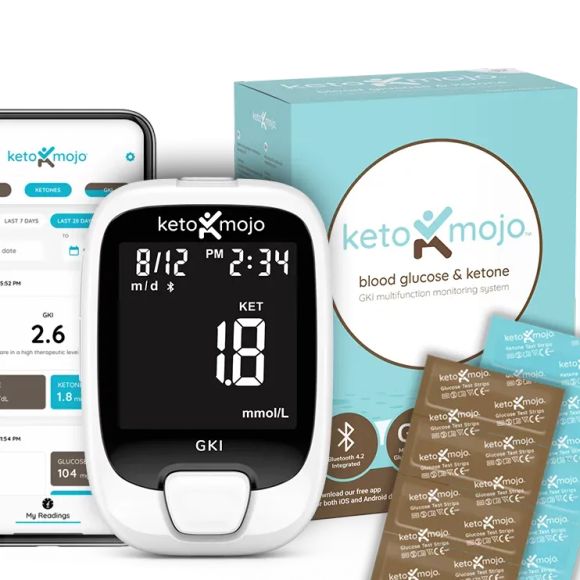
Keto-Mojo
Keto-Mojo provides tools and resources to support individuals on a ketogenic or low-carb lifestyle.
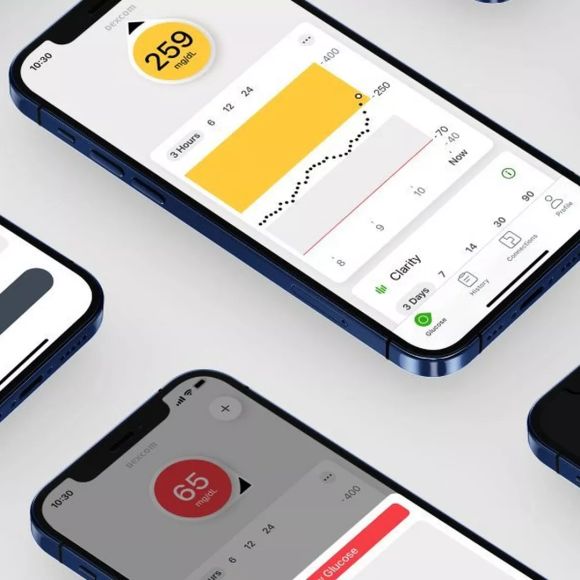
Dexcom
Dexcom is a leader in continuous glucose monitoring (CGM) technology, offering innovative solutions like the Dexcom G7 and the over-the-counter Stelo Glucose Biosensor to help individuals manage their glucose levels effectively.
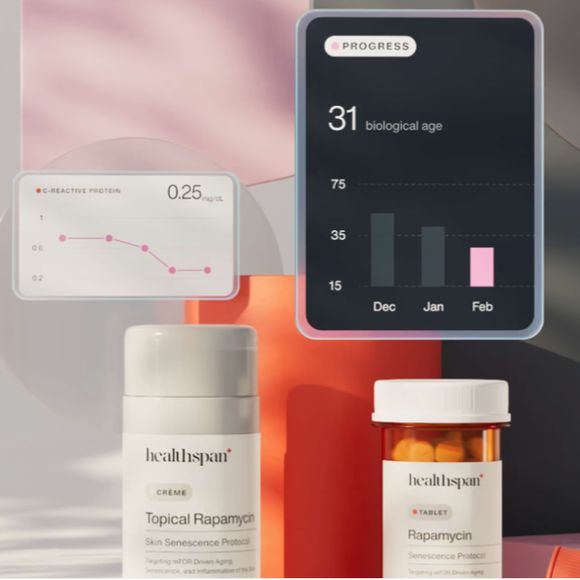
Health Span
Healthspan is a pioneering digital medical clinic specializing in longevity treatments aimed at combating cellular senescence and metabolic dysfunction, the primary drivers of aging and age-related diseases. Their research-driven protocols include therapies such as Rapamycin, SGLT2 inhibitors, and topical applications targeting skin and hair aging. Through comprehensive biomarker analysis and personalized care plans, Healthspan empowers individuals to optimize their healthspan and overall well-being.

Avea

Avea offers longevity supplements designed to enhance vitality, focus, and overall health.
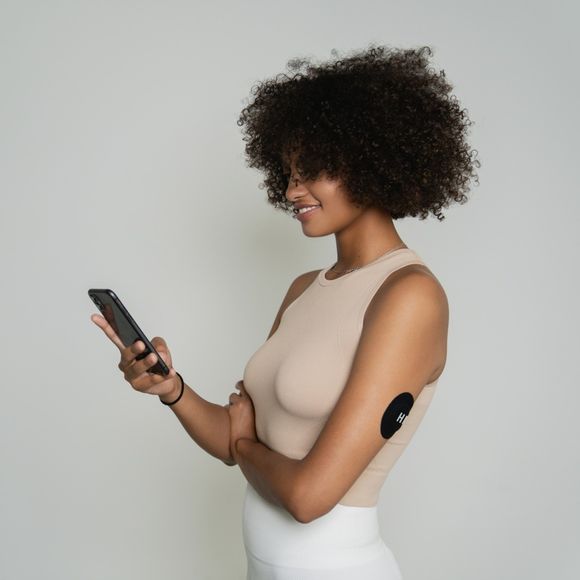
Hello Inside
Hello Inside provides personalized metabolic health tracking solutions using continuous glucose monitoring (CGM) technology. Their focus is on improving health and well-being by helping users understand and regulate their blood glucose levels for optimized energy, weight management, and overall metabolic health.

Beurer
Beurer GmbH, established in 1919, is a German company specializing in health and well-being products, offering a diverse range of over 500 items across categories such as health, wellness, beauty, personal care, home, fitness, and baby care.
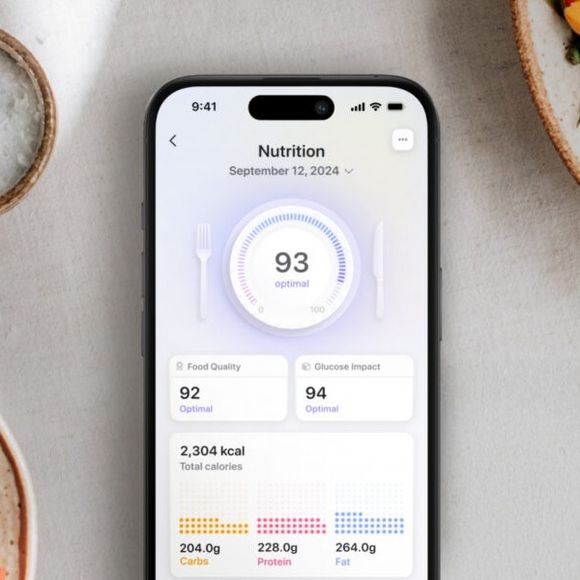
Bevel
Bevel is a science-backed health and fitness coach app that tracks recovery, activity, nutrition, and sleep—designed to optimize longevity and performance through real-time insights.
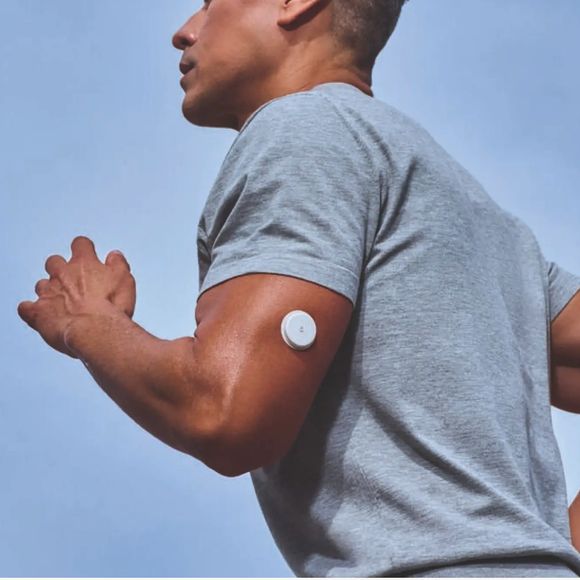
Lingo
Hello Lingo (by Abbott) is a science-backed metabolic health system featuring a wearable continuous glucose monitor and companion app that tracks your glucose responses 24/7—empowering personalized insights into diet, exercise, stress, and habits.

Aware
Aware offers an app that provides deep insights into your health by tracking vitamin D, glucose, and cholesterol levels. Their technology helps users monitor and improve their overall well-being with real-time data and personalized recommendations.