Knowledge
Magazine
-

The 24-Hour Sleep Model: Why Better Sleep Starts the Morning Before
8 min read
-

Eating for Longevity: Lessons From the World's Oldest People
9 min read
-

The Summer Health Kit: Supplies and Gadgets for Hot Days and Warm Nights
9 min read
Weekly picks on longevity, brands, and health science. No spam—unsubscribe anytime.
Tools
- →The 30s Longevity Guide for Women
- →Postpartum Recovery Guide
- →Perimenopause Longevity Guide
- →Dopamine Reset Guide
- →Pregnancy Longevity Guide
- →Peptide Guide
- →Home Detox Guide
- →Slow Aging Guide
- →Pro Supplement Guide
- →Safe Supplement Guide
- →Bio Age Calculator
- →Blood Testing Guide
- →Deep Sleep Guide
- →Pro Longevity Dashboard
By Category
By Goal
Knowledge
- →What is Longevity?
- →Improve diet
- →More focus
- →Look younger
- →Lose weight
- →Track biomarkers
- →Improve sleep
- →Build muscle
- →Increase cardio
- →Detect diseases
- →Recover faster
- →Relieve stress
Magazine
-
The 24-Hour Sleep Model: Why Better Sleep Starts the Morning Before
8 min read
-
Eating for Longevity: Lessons From the World's Oldest People
9 min read
-
The Summer Health Kit: Supplies and Gadgets for Hot Days and Warm Nights
9 min read
Weekly picks on longevity, brands, and health science. No spam—unsubscribe anytime.
Brands
- →Apps
- →At Home Tests & Kits
- →Events
- →Experts & Clinics
- →Foods & Beverages
- →Gadgets & Equipment
- →Gyms & Workouts
- →Supplements
- →Travel & Retreats
- →Wearables & Trackers
Tools
- →The 30s Longevity Guide for Women
- →Postpartum Recovery Guide
- →Perimenopause Longevity Guide
- →Dopamine Reset Guide
- →Pregnancy Longevity Guide
- →Peptide Guide
- →Home Detox Guide
- →Slow Aging Guide
- →Pro Supplement Guide
- →Safe Supplement Guide
- →Bio Age Calculator
- →Blood Testing Guide
- →Deep Sleep Guide
- →Pro Longevity Dashboard

Discover
Connect
Longevity Knowledge BETA
Testosterone
Table of Contents
What testosterone actually does
Testosterone is the primary androgen in males, but calling it a "sex hormone" sells it short. It regulates muscle protein synthesis, bone mineral density, red blood cell production, fat metabolism, mood, motivation, and cognitive function. Women produce testosterone too, at roughly one-tenth the concentration, where it supports bone health, libido, and energy levels.
In men, total testosterone declines about 1-2% per year after age 30. But this isn't just aging at work. Population-level data show a roughly 25% drop in average testosterone over the past four decades, a trend linked to rising obesity rates, environmental endocrine disruptors like phthalates and BPA, chronic stress, and sedentary behavior. A 2025 multi-population study published in eClinicalMedicine found that higher serum testosterone was consistently associated with reduced biological age acceleration across Chinese, American, and British cohorts [1].
Testing: total T is not the full picture
Sex hormone-binding globulin (SHBG) locks up 60-70% of circulating testosterone, making it biologically inactive. Albumin loosely binds another 25-30%. That leaves just 1-3% as free testosterone, the fraction that enters cells and produces effects. A man with high total testosterone but elevated SHBG can still experience symptoms of deficiency.
A proper hormonal panel should include total testosterone, free testosterone, SHBG, estradiol, and LH. Blood draws should happen between 8 and 10 a.m. when levels peak, and the AUA recommends confirming low results with a second fasting sample. Clinically low testosterone is generally defined as below 300 ng/dL, while optimal ranges sit between 500-900 ng/dL with free testosterone above 15-20 pg/mL.
Natural testosterone optimization
Before reaching for pharmaceuticals, lifestyle changes can produce significant effects on testosterone output.
Resistance training is the most potent natural stimulus. Compound movements like squats, deadlifts, and bench presses at 70-85% of one-rep max generate the strongest acute hormonal response. A 2024 clinical trial in frail older men showed that 52 weeks of progressive resistance training combined with testosterone supplementation improved physical performance and reduced fatigue [2].
Sleep is non-negotiable. Testosterone production peaks during deep sleep. A meta-analysis of 18 studies found that total sleep deprivation significantly reduces serum testosterone, while restricting sleep to 5 hours per night drops levels by 10-15% [3]. The cortisol-testosterone seesaw matters here: sleep loss raises cortisol and suppresses gonadotropin-releasing hormone.
Body composition directly impacts hormonal balance. Each one-point drop in BMI raises testosterone by about 1 ng/dL, partly because excess adipose tissue contains aromatase, the enzyme that converts testosterone to estradiol.
Micronutrients support the biochemical machinery of steroidogenesis. Zinc (30 mg/day), magnesium, and vitamin D are the best-studied. A 2024 meta-analysis confirmed that vitamin D supplementation can raise total testosterone levels, particularly in men who are deficient [4]. Boron at 6-10 mg/day may lower SHBG, increasing the free testosterone fraction.
Testosterone replacement therapy (TRT)
When lifestyle optimization isn't enough and levels are persistently below 300 ng/dL with symptoms, TRT becomes a clinical option. Standard protocols use testosterone cypionate or enanthate injections (100-200 mg weekly, often split into two doses for stable blood levels), transdermal gels, or subcutaneous pellets.
The landmark TRAVERSE trial, published in the New England Journal of Medicine in 2023, randomized over 5,200 men and found that testosterone therapy did not increase major adverse cardiovascular events compared with placebo [5]. However, secondary outcomes revealed elevated rates of atrial fibrillation, acute kidney injury, and pulmonary embolism. TRT also raises haematocrit and requires regular monitoring of PSA, estradiol, and lipid profiles.
TRT and fertility
Exogenous testosterone suppresses the HPG axis through negative feedback, reducing intratesticular testosterone and FSH. Sperm concentrations can drop below 1 million/mL within 3-4 months [6]. Men who want to preserve fertility have alternatives: clomiphene citrate stimulates endogenous testosterone production by blocking estrogen receptors at the hypothalamus, and a 2024 systematic review found SERMs increased total testosterone by an average of 274 ng/dL while preserving or improving sperm parameters [7]. Human chorionic gonadotropin (hCG) is another option that maintains testicular function during or alongside TRT.
Testosterone in women
Women's testosterone levels matter more than commonly recognized. Androgens influence bone density, muscle maintenance, mood, energy, and sexual desire throughout the female lifespan. DHEA, the precursor hormone, converts partly to testosterone, and supplementation at 50 mg/day has been shown to increase testosterone and estradiol in postmenopausal women [8]. However, the clinical evidence for broad anti-aging benefits from DHEA supplementation remains limited, and decisions about androgen therapy in women should involve careful risk-benefit assessment with an endocrinologist.
References
- 1. Dynamics of serum testosterone and biological aging in men: insights from Chinese, American, and British populations (eClinicalMedicine, 2025)
- 2. Testosterone and resistance training improved physical performance and reduced fatigue in frail older men: 1 year follow-up of a randomized clinical t...
- 3. Effect of partial and total sleep deprivation on serum testosterone in healthy males: a systematic review and meta-analysis (2021)
- 4. The Impact of Vitamin D on Androgens and Anabolic Steroids among Adult Males: A Meta-Analytic Review (2024)
- 5. Cardiovascular Safety of Testosterone-Replacement Therapy: TRAVERSE Trial (NEJM, 2023)
- 6. Indications for the use of human chorionic gonadotropic hormone for the management of infertility in hypogonadal men (Asian J Androl, 2018)
- 7. Clomiphene or enclomiphene citrate for the treatment of male hypogonadism: a systematic review and meta-analysis of randomized controlled trials (2024...
- 8. Impact of DHEA supplementation on testosterone and estradiol levels in postmenopausal women: a meta-analysis of randomized controlled trials (2025)
Prioritize compound lifts
Guard your sleep for hormonal health
Test the full panel, not just total T
Manage body fat to reduce aromatase
Check zinc and vitamin D status
Hormone panels tell the full story
Sleep drives growth hormone
Boost testosterone naturally
What are the symptoms of low testosterone?
Is testosterone replacement therapy safe for the heart?
Can you boost testosterone naturally without medication?
Does TRT cause infertility?
At what testosterone level should you consider TRT?
Can I build muscle after 40?
How can I boost testosterone naturally?

Essentials: Tools for Hormone Optimization in Males | Dr. Kyle Gillett

Dr Rachel Rubin: Women’s Sexual Health, Menopause, Hormone Replacement Therapy (HRT), and Orgasms!
Essentials: Understanding & Controlling Aggression
Male Roles, Obligations and Options for Building a Fulfilling Life | Scott Galloway
Sex Scientist: Phone Addiction Is Killing Your Sex Life More Than Porn!
The Peptide Expert: Big Pharma Are Hiding This Powerful Peptide From You! - Dr. Alex Tatem
No discussions yet
Be the first to start a discussion about Testosterone.
Related Articles

The Complete Guide to Testosterone Optimization — Part 3: Stress, Psychology, and Purpose
9 min read
The Complete Guide to Testosterone Optimization — Part 2: Training and Sleep
9 min read
Testosterone Optimisation, Part 1: The Nutritional Foundation
10 min read
Testosterone Therapy and Fertility: You Don’t Have to Choose
14 min readRelated Brands
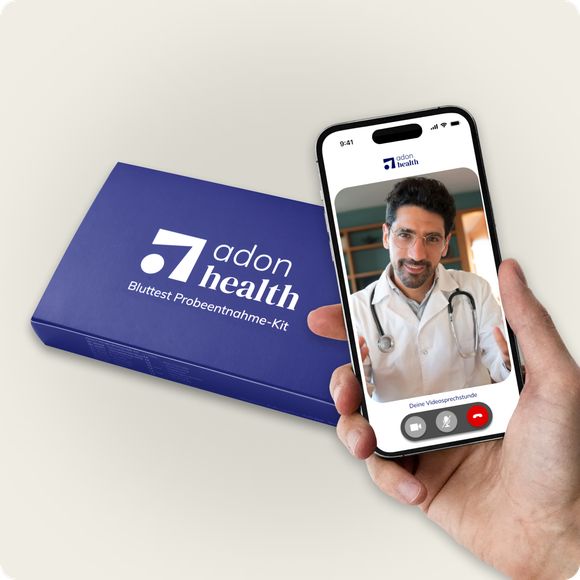
Adon Health

Adon Health specializes in optimizing hormonal balance and overall well-being for men. The Germany-based start-up offers at-home lab-tests and personalized therapies via video consultations and at-home delivery of prescription drugs, including testosterone replacement therapy (TRT) and other treatments tailored to individual needs. It's mission is to empower men to achieve peak performance and long-term health.
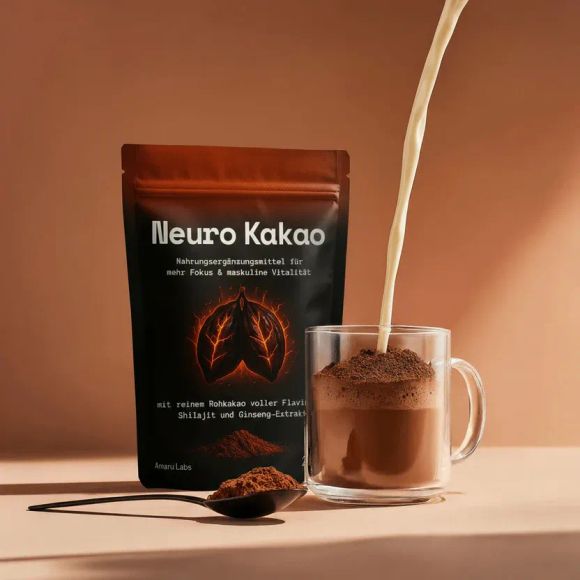
Amaru Labs
Amaru Labs offers natural supplements and functional blends designed to restore energy, sharpen focus, and support hormonal balance—without crashes or compromises.
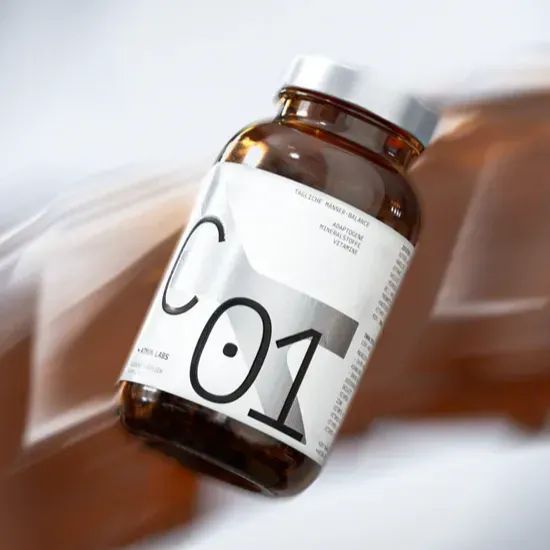
Atmon Labs
ATMON LABS is a company dedicated to enhancing men’s health by naturally supporting testosterone production. Their flagship product, C 01, is a scientifically formulated supplement designed to boost testosterone levels, increase energy, and improve overall male well-being.

Biolyz

Biolyz offers non‑invasive saliva‑based biomarker testing (over 125 markers) with rapid results to help monitor recovery, stress, metabolism and injury risk.

Apex Labs
Men’s health supplement line created by Dr. Tracy Gapin, board-certified urologist and founder of the Gapin Institute. Formulated for muscle preservation, testosterone support, sleep optimization, and sustained energy in men over 35.