Knowledge
Magazine
-

The 24-Hour Sleep Model: Why Better Sleep Starts the Morning Before
8 min read
-

Eating for Longevity: Lessons From the World's Oldest People
9 min read
-

The Summer Health Kit: Supplies and Gadgets for Hot Days and Warm Nights
9 min read
Weekly picks on longevity, brands, and health science. No spam—unsubscribe anytime.
Tools
- →The 30s Longevity Guide for Women
- →Postpartum Recovery Guide
- →Perimenopause Longevity Guide
- →Dopamine Reset Guide
- →Pregnancy Longevity Guide
- →Peptide Guide
- →Home Detox Guide
- →Slow Aging Guide
- →Pro Supplement Guide
- →Safe Supplement Guide
- →Bio Age Calculator
- →Blood Testing Guide
- →Deep Sleep Guide
- →Pro Longevity Dashboard
By Category
By Goal
Knowledge
- →What is Longevity?
- →Improve diet
- →More focus
- →Look younger
- →Lose weight
- →Track biomarkers
- →Improve sleep
- →Build muscle
- →Increase cardio
- →Detect diseases
- →Recover faster
- →Relieve stress
Magazine
-
The 24-Hour Sleep Model: Why Better Sleep Starts the Morning Before
8 min read
-
Eating for Longevity: Lessons From the World's Oldest People
9 min read
-
The Summer Health Kit: Supplies and Gadgets for Hot Days and Warm Nights
9 min read
Weekly picks on longevity, brands, and health science. No spam—unsubscribe anytime.
Brands
- →Apps
- →At Home Tests & Kits
- →Events
- →Experts & Clinics
- →Foods & Beverages
- →Gadgets & Equipment
- →Gyms & Workouts
- →Supplements
- →Travel & Retreats
- →Wearables & Trackers
Tools
- →The 30s Longevity Guide for Women
- →Postpartum Recovery Guide
- →Perimenopause Longevity Guide
- →Dopamine Reset Guide
- →Pregnancy Longevity Guide
- →Peptide Guide
- →Home Detox Guide
- →Slow Aging Guide
- →Pro Supplement Guide
- →Safe Supplement Guide
- →Bio Age Calculator
- →Blood Testing Guide
- →Deep Sleep Guide
- →Pro Longevity Dashboard

Discover
Connect
Longevity Knowledge BETA
Women's health
Table of Contents
Why women's health requires a different approach
Women's health is not just men's health with hormones added. Female physiology differs at cellular, hormonal, and systemic levels, producing distinct disease risks, symptom presentations, and treatment responses. Yet until 1993, most clinical research excluded women entirely. The result is a healthcare system that often misses or misdiagnoses female-specific conditions.
Cardiovascular disease kills more women than men annually, yet women present with subtler symptoms that providers frequently dismiss [1]. Autoimmune diseases strike women at three times the rate of men, with onset often coinciding with hormonal transitions [2]. Osteoporosis, thyroid disorders, and depression all show female predominance. Understanding these sex-based differences is not a niche concern. It is fundamental to effective healthcare for half the population.
Hormonal transitions across the lifespan
Women experience three major hormonal transitions: puberty, the reproductive years with their monthly cycles, perimenopause, and menopause. Each phase reshapes metabolism, cardiovascular risk, bone density, brain function, and immune regulation.
During the reproductive years, estrogen and progesterone fluctuate predictably each month. These fluctuations affect everything from exercise performance to medication metabolism. Some women experience debilitating hormonal conditions like endometriosis or polycystic ovary syndrome (PCOS), both of which carry long-term metabolic and cardiovascular implications [3].
Perimenopause, the years leading to the final menstrual period, brings unpredictable hormonal swings. Hot flashes, sleep disruption, mood changes, and cognitive fog affect up to 80% of women. Menopause itself marks a permanent shift in estrogen levels, accelerating bone loss and altering cardiovascular risk profiles [4]. The timing and management of these transitions significantly impact long-term health outcomes.
Cardiovascular disease in women
Heart disease presents differently in women. Instead of classic crushing chest pain, women more often experience shortness of breath, nausea, fatigue, or jaw pain. These atypical symptoms contribute to underdiagnosis and delayed treatment.
Estrogen provides cardiovascular protection during reproductive years, which explains why heart disease risk remains lower in premenopausal women compared to age-matched men. After menopause, this protection disappears and risk curves converge. Within five years of menopause, a woman's cardiovascular risk approaches that of a man [5]. Recognition of these patterns enables earlier intervention and better outcomes.
Autoimmune and inflammatory conditions
Women bear the disproportionate burden of autoimmune disease. Hashimoto's thyroiditis, rheumatoid arthritis, lupus, and multiple sclerosis all show strong female predominance. The mechanisms involve complex interactions between sex hormones, immune function, and genetic factors.
Research increasingly connects autoimmune risk to hormonal transitions. Pregnancy, postpartum, and perimenopause all represent periods of heightened vulnerability. Understanding these associations allows for targeted monitoring and early intervention when symptoms first appear [2].
References
- 1. Sex differences in cardiovascular disease prevention and treatment
- 2. The X in sex: how autoimmune diseases revolve around sex chromosomes
- 3. Polycystic ovary syndrome: metabolic consequences and long-term health outcomes
- 4. Menopause and cardiovascular disease: the value of hormonal assessment
- 5. Cardiovascular risk assessment in women: impact of menopausal status
Know the female heart attack signs
Prioritize bone health after 40
Track your cycle for better health
Screen for PCOS if symptoms fit
Consider HRT timing carefully
How does perimenopause affect health?
Are women more prone to autoimmune diseases?
Why is heart disease different in women?
What health screenings should women prioritize?

Women’s Fitness Expert: What You NEED To Know About Dieting & Exercise | Dr. Stephanie Estima
Dr Rachel Rubin: Women’s Sexual Health, Menopause, Hormone Replacement Therapy (HRT), and Orgasms!

#397 ‒ Endometriosis and adenomyosis: diagnosis, fertility, reproductive aging, and emerging treatments | Renato Tomioka, M.D., Ph.D.
Most Replayed Moment: This Is The Best Exercise Protocol For Women!

How Women Can Improve Their Fertility & Hormone Health | Dr. Natalie Crawford
Anti-Aging Expert: Stop Touching Receipts Immediately! The Fast Way To Shrink Visceral Fat
No discussions yet
Be the first to start a discussion about Women's health.
Related Articles


Related Brands
New Chapter

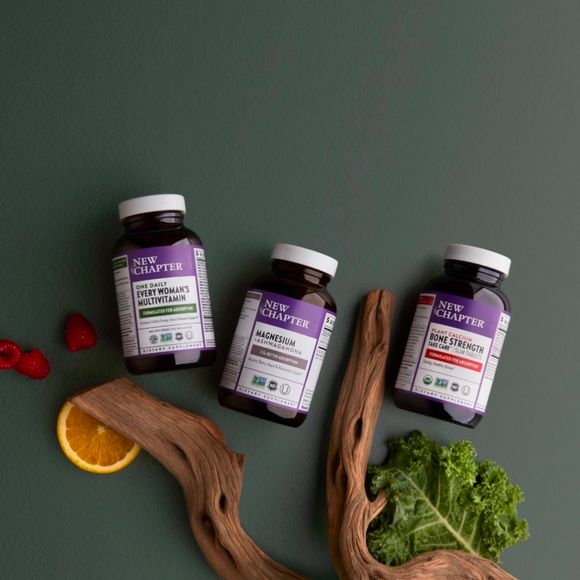
New Chapter is a Vermont-based supplement company founded in 1982 that positions itself at the intersection of traditional herbal wisdom and modern nutritional science. Their core philosophy centers on whole-food fermentation—they ferment vitamins and minerals with probiotics and whole foods to create what they claim are more bioavailable, gentle-on-the-stomach supplements.
Nutrilab

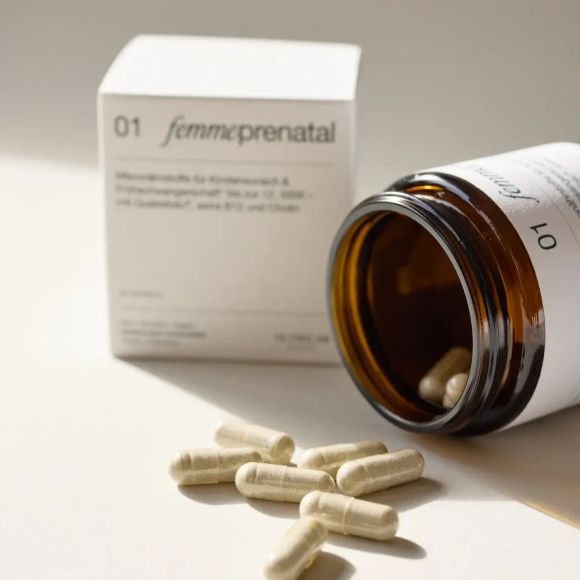
NUTRILAB is a premium German supplement brand founded by physician Dr. Valesca Proske, specializing in pharmaceutical-grade prenatal nutrition for women trying to conceive, during pregnancy, and postpartum.
Nōuxx
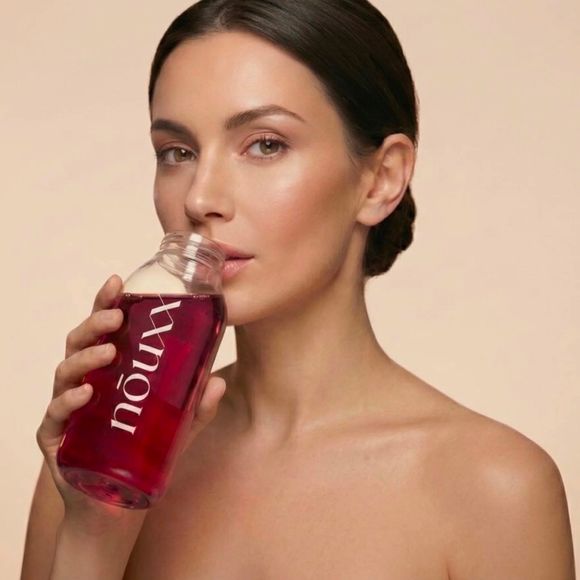
nōuxx is a German femtech brand that creates cycle-synced nutrition supplements specifically designed for female hormonal health.
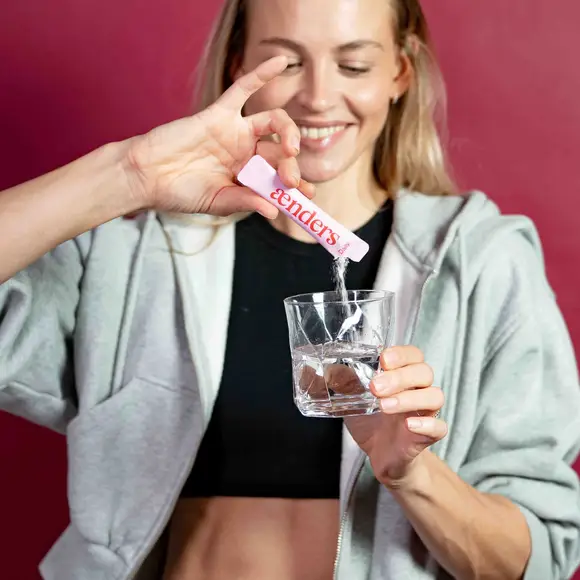
Aenders
Aenders is a German supplement brand built specifically for women, with a single flagship product: Daily, a flavour-neutral stick combining 3g of creatine monohydrate with eight selected micronutrients. It reframes creatine away from the male-dominated fitness context and towards a daily female-health routine covering energy, cycle, and the years around menopause.
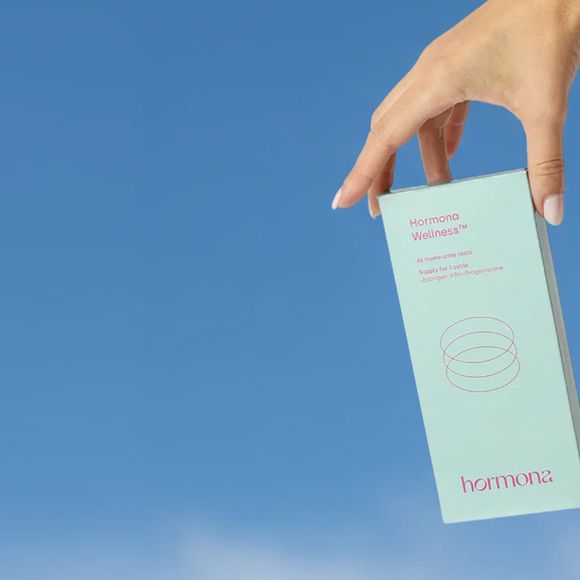
Hormona
Hormona is a women’s health platform combining at-home hormone testing with an AI-powered tracking app. Users get clinical-grade results in 15 minutes, synced directly to the app with personalized insights on how hormonal shifts affect mood, energy, sleep, and symptoms. The platform covers both general hormonal wellness and perimenopause support, with guidance from endocrinologists and nutritionists.