Knowledge
Magazine
-

The 24-Hour Sleep Model: Why Better Sleep Starts the Morning Before
8 min read
-

Eating for Longevity: Lessons From the World's Oldest People
9 min read
-

The Summer Health Kit: Supplies and Gadgets for Hot Days and Warm Nights
9 min read
Weekly picks on longevity, brands, and health science. No spam—unsubscribe anytime.
Tools
- →The 30s Longevity Guide for Women
- →Postpartum Recovery Guide
- →Perimenopause Longevity Guide
- →Dopamine Reset Guide
- →Pregnancy Longevity Guide
- →Peptide Guide
- →Home Detox Guide
- →Slow Aging Guide
- →Pro Supplement Guide
- →Safe Supplement Guide
- →Bio Age Calculator
- →Blood Testing Guide
- →Deep Sleep Guide
- →Pro Longevity Dashboard
By Category
By Goal
Knowledge
- →What is Longevity?
- →Improve diet
- →More focus
- →Look younger
- →Lose weight
- →Track biomarkers
- →Improve sleep
- →Build muscle
- →Increase cardio
- →Detect diseases
- →Recover faster
- →Relieve stress
Magazine
-
The 24-Hour Sleep Model: Why Better Sleep Starts the Morning Before
8 min read
-
Eating for Longevity: Lessons From the World's Oldest People
9 min read
-
The Summer Health Kit: Supplies and Gadgets for Hot Days and Warm Nights
9 min read
Weekly picks on longevity, brands, and health science. No spam—unsubscribe anytime.
Brands
- →Apps
- →At Home Tests & Kits
- →Events
- →Experts & Clinics
- →Foods & Beverages
- →Gadgets & Equipment
- →Gyms & Workouts
- →Supplements
- →Travel & Retreats
- →Wearables & Trackers
Tools
- →The 30s Longevity Guide for Women
- →Postpartum Recovery Guide
- →Perimenopause Longevity Guide
- →Dopamine Reset Guide
- →Pregnancy Longevity Guide
- →Peptide Guide
- →Home Detox Guide
- →Slow Aging Guide
- →Pro Supplement Guide
- →Safe Supplement Guide
- →Bio Age Calculator
- →Blood Testing Guide
- →Deep Sleep Guide
- →Pro Longevity Dashboard

Discover
Connect
Longevity Knowledge BETA
Biohacking
Table of Contents
What Is Biohacking?
Biohacking is the practice of systematically modifying your biology through informed self-experimentation, technology, and environmental design. It sits at the intersection of science, technology, and personal wellness — drawing from fields as diverse as molecular biology, nutritional biochemistry, chronobiology, and neuroscience. At its core, biohacking treats the human body as a complex system that can be measured, understood, and optimized through iterative testing and data-driven adjustments.
The Quantified Self
The foundation of effective biohacking is measurement. The quantified self movement emphasizes continuous tracking of biological variables to establish baselines and measure the impact of interventions. Wearable devices capture heart rate variability (HRV), sleep stages, blood oxygen saturation, skin temperature trends, and activity patterns. Continuous glucose monitors (CGMs) reveal individualized glycemic responses to specific foods, enabling personalized nutrition strategies that stabilize blood sugar — a key factor in metabolic health and longevity. Regular blood panels tracking biomarkers like fasting insulin, hs-CRP, ApoB, and hormone levels complete the picture, providing objective data where subjective perception often fails.
Environmental and Lifestyle Optimization
Biohacking extends beyond supplementation and testing into deliberate environmental design. Light environment management — morning sunlight exposure to entrain circadian rhythms, blue-light blocking glasses in the evening — profoundly influences sleep quality, cortisol patterns, and melatonin production. Temperature manipulation through cold exposure (cold plunges, cryotherapy) and heat exposure (sauna protocols) triggers hormetic stress responses that improve cardiovascular fitness, immune function, and metabolic rate. Air quality optimization with HEPA filtration and CO2 monitoring can significantly improve cognitive performance and sleep quality.
Nootropics and Cognitive Enhancement
Cognitive optimization is a major branch of biohacking. Evidence-based nootropics include creatine monohydrate (shown to improve working memory and reasoning), lion's mane mushroom (stimulates nerve growth factor), and L-theanine paired with caffeine (improves focused attention without jitteriness). More advanced biohackers explore racetams, modafinil, or microdosing protocols, though these carry higher risk profiles and regulatory considerations.
Principles for Safe Self-Experimentation
- Change one variable at a time to establish clear cause-and-effect relationships
- Establish a baseline measurement period of at least two weeks before introducing any intervention
- Track both objective data (blood markers, HRV, sleep scores) and subjective metrics (energy, mood, cognitive clarity)
- Apply the precautionary principle — favor well-studied interventions with established safety profiles before exploring experimental approaches
- Maintain a detailed biohacking journal documenting interventions, dosages, timing, and outcomes
Track before optimizing
What is biohacking?
Is biohacking safe?
What are the best biohacking tools for beginners?
How is biohacking different for women?
What does a biohacking morning routine look like?

#387 - AMA #83: Peptides—evaluating the science, safety, and hype in a rapidly growing field
No discussions yet
Be the first to start a discussion about Biohacking.
Related Articles

Founder interview: Dr. Michael Lustgarten, Founder and Scientist at Conquer Aging or Die Trying!
4 min read
Supplement smarter to live longer: how to pick, dose and optimize for your health goals
14 min read
Founder interview: Marc P. Bernegger, co-founder of Maximon
11 min read
Measuring what matters? The challenges of quantifying the living self…
10 min readRelated Brands
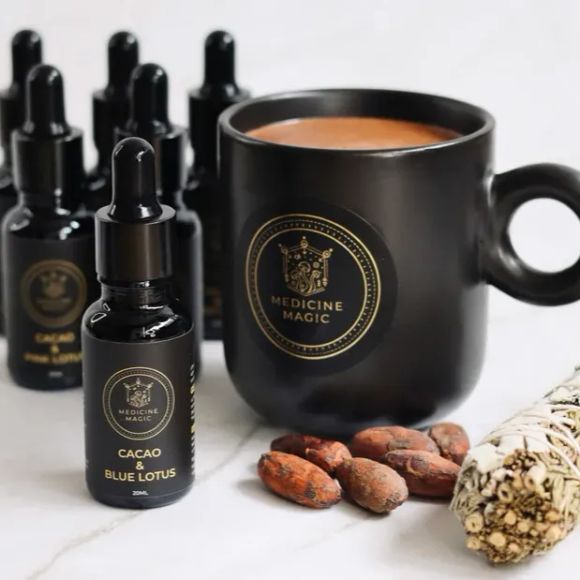
Medicine Magic

Medicine Magic offers biohacking products, including ceremonial grade cacao infused with master plants and medicinal mushrooms.
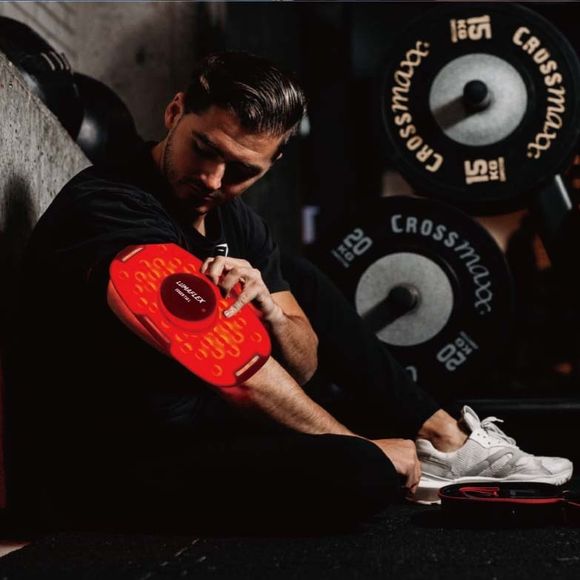
Lumaflex
Lumaflex is the leading provider of cutting-edge red light therapy devices.
GoLighter
GoLighter is a medical‑supervised weight‑loss provider offering prescription and OTC options, digital tools, and nutrition coaching to help people lose weight without hunger and maintain long-term results.
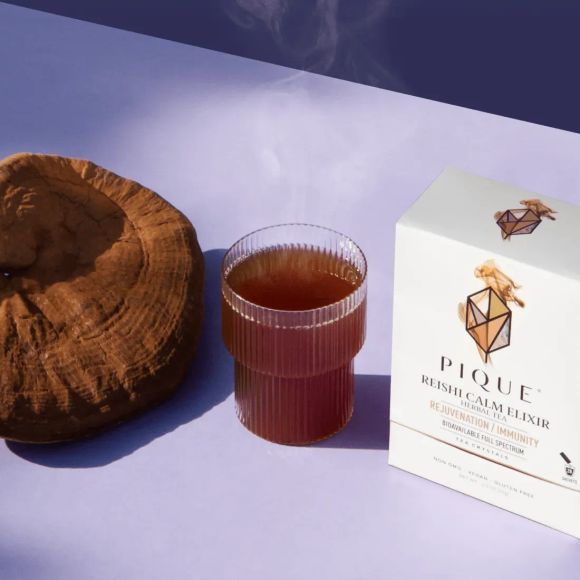
Pique
Pique Life offers fast‑dissolving tea crystals, botanical supplements, and functional beverages designed to support radiant skin, calm energy, immune balance, and digestive resilience.
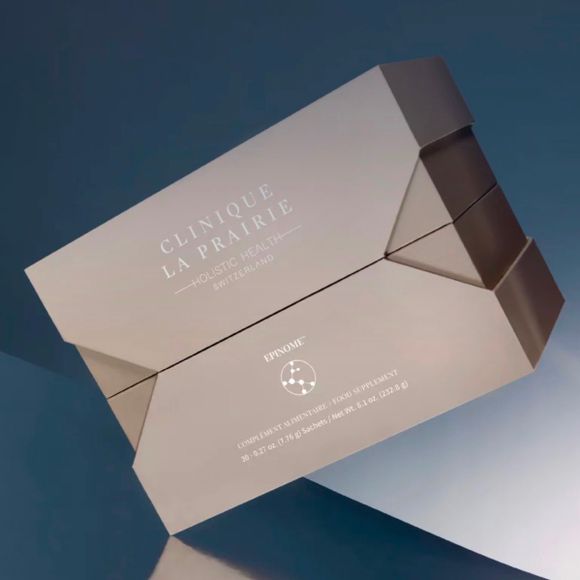
Clinique la Prairie Holistic Health
Clinique La Prairie – Where Longevity Science Meets Swiss Medical Excellence Nestled in the Swiss Alps, Clinique La Prairie has pioneered the science of longevity since 1931. This isn't a spa retreat—it's a medical institution where cutting-edge preventative medicine, cellular rejuvenation, and evidence-based wellness converge to extend healthspan, not just lifespan. The Science of Revitalization: Clinique La Prairie's approach integrates advanced diagnostics, personalized medicine, and therapeutic protocols grounded in cellular biology and metabolic optimization. Their signature revitalization programs combine biomarker analysis, nutrient therapy, and regenerative treatments designed to address the root causes of aging at the molecular level. What Sets Them Apart: Founded on cellular therapy research, the clinic has evolved into a global leader in longevity medicine. Their medical team—comprised of specialists in endocrinology, nutrition, functional medicine, and preventative care—creates bespoke health optimization protocols based on comprehensive health assessments that go far beyond standard medical checkups.
Neotes

Neotes offers a personalized longevity journey through advanced health solutions.
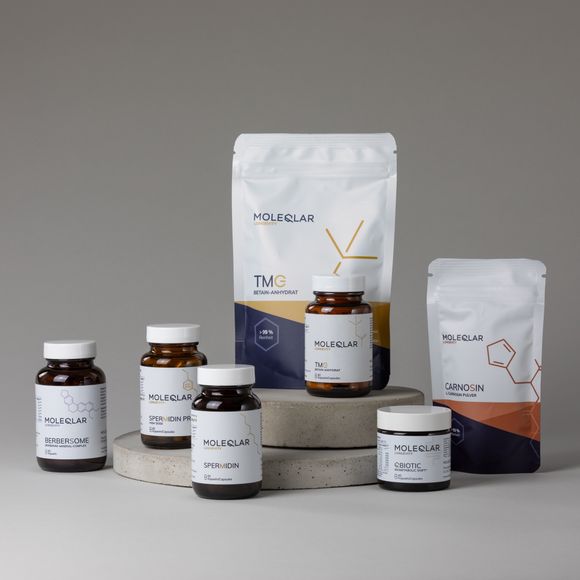
MOLEQLAR
MOLEQLAR offers a range of high-quality supplements and lab tests designed to enhance longevity, performance, and overall well-being. Their products include a proprietary proteomic testing platform as well as Nicotinamide mononucleotide (NMN), resveratrol, spermidine, and other essential compounds aimed at supporting cellular health.
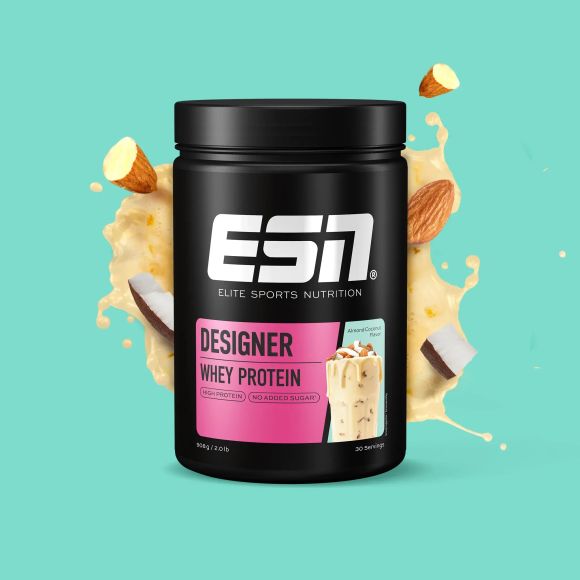
ESN
Elevate your athletic performance and longevity with ESN’s premium sports nutrition. Crafted “Made in Germany” and fueled by innovation, ESN delivers top-tier supplements for muscle growth, recovery, and unstoppable progress on your biohacking journey.
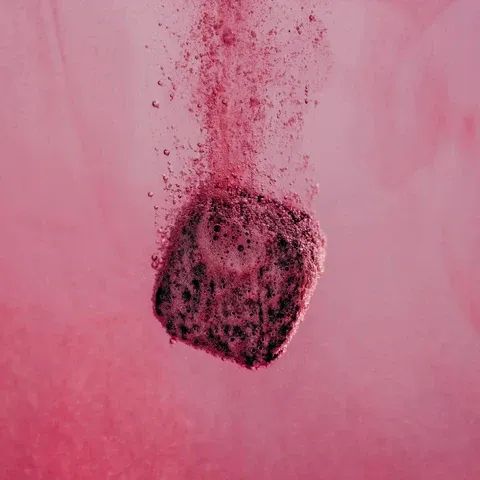
Waterdrop
Waterdrop delivers sugar‑free hydration cubes packed with vitamins and plant extracts that turn plain water into a flavorful, nutrient‑rich drink designed to boost your daily hydration habit.

BodyGen

Bodygen offers advanced DNA-based health analysis services, empowering individuals to optimize their health, fitness, and longevity through personalized genetic insights and actionable recommendations.