Knowledge
Magazine
-

The 24-Hour Sleep Model: Why Better Sleep Starts the Morning Before
8 min read
-

Eating for Longevity: Lessons From the World's Oldest People
9 min read
-

The Summer Health Kit: Supplies and Gadgets for Hot Days and Warm Nights
9 min read
Weekly picks on longevity, brands, and health science. No spam—unsubscribe anytime.
Tools
- →The 30s Longevity Guide for Women
- →Postpartum Recovery Guide
- →Perimenopause Longevity Guide
- →Dopamine Reset Guide
- →Pregnancy Longevity Guide
- →Peptide Guide
- →Home Detox Guide
- →Slow Aging Guide
- →Pro Supplement Guide
- →Safe Supplement Guide
- →Bio Age Calculator
- →Blood Testing Guide
- →Deep Sleep Guide
- →Pro Longevity Dashboard
By Category
By Goal
Knowledge
- →What is Longevity?
- →Improve diet
- →More focus
- →Look younger
- →Lose weight
- →Track biomarkers
- →Improve sleep
- →Build muscle
- →Increase cardio
- →Detect diseases
- →Recover faster
- →Relieve stress
Magazine
-
The 24-Hour Sleep Model: Why Better Sleep Starts the Morning Before
8 min read
-
Eating for Longevity: Lessons From the World's Oldest People
9 min read
-
The Summer Health Kit: Supplies and Gadgets for Hot Days and Warm Nights
9 min read
Weekly picks on longevity, brands, and health science. No spam—unsubscribe anytime.
Brands
- →Apps
- →At Home Tests & Kits
- →Events
- →Experts & Clinics
- →Foods & Beverages
- →Gadgets & Equipment
- →Gyms & Workouts
- →Supplements
- →Travel & Retreats
- →Wearables & Trackers
Tools
- →The 30s Longevity Guide for Women
- →Postpartum Recovery Guide
- →Perimenopause Longevity Guide
- →Dopamine Reset Guide
- →Pregnancy Longevity Guide
- →Peptide Guide
- →Home Detox Guide
- →Slow Aging Guide
- →Pro Supplement Guide
- →Safe Supplement Guide
- →Bio Age Calculator
- →Blood Testing Guide
- →Deep Sleep Guide
- →Pro Longevity Dashboard

Discover
Connect
Longevity Knowledge BETA
Hormone Balance
Table of Contents
What hormone balance means for your health
Hormone balance isn't about achieving perfect levels—it's about maintaining functional harmony across interconnected endocrine systems. Your hormones operate as a network, not isolated signals. When cortisol rises due to chronic stress, it suppresses thyroid function, disrupts reproductive hormones, and impairs insulin sensitivity [1]. This cascade effect means that fixing one hormone often requires addressing upstream regulators rather than treating symptoms in isolation.
The major hormonal axes
HPA axis: stress and adaptation
The hypothalamic-pituitary-adrenal (HPA) axis governs your stress response. When activated, the hypothalamus releases corticotropin-releasing hormone, signaling the pituitary to secrete ACTH, which stimulates cortisol production from the adrenal glands. Acute activation is healthy; chronic activation is not. Persistent HPA axis dysregulation correlates with accelerated biological aging, immune suppression, and metabolic dysfunction [2]. Morning cortisol should peak within 30 minutes of waking, then decline throughout the day. Flattened or elevated patterns indicate dysregulation.
HPG axis: reproductive health
The hypothalamic-pituitary-gonadal (HPG) axis regulates sex hormones through pulsatile GnRH release. In women, this axis drives menstrual cycles; in men, testosterone production. Both sexes experience age-related decline, though timing differs. Women's perimenopause involves erratic fluctuations before final decline; men's andropause is more gradual. Environmental factors—endocrine disruptors, sleep deprivation, excess body fat—accelerate these declines beyond chronological age [3].
HPT axis: metabolic rate
Thyroid function depends on the hypothalamic-pituitary-thyroid axis. TRH stimulates TSH, which drives T4 production. Peripheral tissues convert T4 to the active T3 hormone. This conversion requires adequate selenium, zinc, and iron—deficiencies in any impair function. Subclinical hypothyroidism affects up to 10% of adults and correlates with fatigue, weight gain, and cognitive slowing [4].
Common disruptors of hormone balance
Sleep fragmentation
Sleep is when most hormone regulation occurs. Growth hormone pulses during deep sleep. Cortisol follows a circadian rhythm tied to sleep timing. Leptin and ghrelin—hunger hormones—reset overnight. Just one week of 5-hour nights drops testosterone by 10-15% and disrupts glucose regulation [5]. Prioritizing 7-9 hours of consistent, quality sleep is the single most effective hormone optimization strategy.
Chronic stress and cortisol
Modern lifestyles expose the HPA axis to near-constant activation. Work demands, financial pressure, social media, and poor sleep all contribute. Elevated cortisol suppresses the HPG axis, reducing sex hormone production. It also promotes visceral fat accumulation, which itself produces inflammatory cytokines and disrupts insulin signaling. Breaking this cycle requires both stress reduction and metabolic recovery [6].
Endocrine disruptors
Chemicals like BPA, phthalates, and certain pesticides mimic or block hormone signaling. BPA acts as a weak estrogen; phthalates interfere with testosterone production. These compounds accumulate in fat tissue and have half-lives measured in days to weeks. Reducing exposure through glass food storage, filtered water, and organic produce supports natural hormone function [7].
Optimization strategies
Supporting hormone balance starts with fundamentals. Consistent sleep timing anchors circadian rhythms governing cortisol, melatonin, and growth hormone. Adequate protein intake provides amino acid precursors for neurotransmitter and hormone synthesis. Resistance training improves insulin sensitivity and stimulates anabolic hormones. Stress management—whether through meditation, time in nature, or social connection—reduces HPA axis load. For persistent imbalances, comprehensive testing of the major axes, interpreted functionally rather than just against population norms, identifies specific intervention points.
References
- 1. Chronic stress, cortisol dysfunction, and pain: a psychoneuroendocrine rationale for stress management in pain rehabilitation (Physical Therapy, 2014)
- 2. Stress and the HPA axis: role in the aetiology and pathogenesis of chronic disease (Journal of Integrative Medicine, 2019)
- 3. Endocrine-disrupting chemicals and their effects on the HPG axis (Endocrine Reviews, 2021)
- 4. Subclinical hypothyroidism: prevalence, diagnosis, and management (Journal of Clinical Medicine, 2022)
- 5. Effect of 1 week of sleep restriction on testosterone levels in young healthy men (JAMA, 2011)
- 6. The impact of chronic stress on metabolic health and hormone balance (Frontiers in Endocrinology, 2023)
- 7. Endocrine-disrupting chemicals: exposures, effects, and risk assessment (Nature Reviews Endocrinology, 2022)
Educate yourself
Consult professionals
Track your progress
Sleep 7-9 hours for hormone regulation
Manage stress to protect your hormones
Eat adequate protein for hormone synthesis
Lift weights to support anabolic hormones
Test comprehensively, interpret functionally
What is this?
Why does this matter?
How do I optimize this?
What are the signs of hormone imbalance?
How does stress affect hormone balance?
Can you test hormone balance at home?
Do hormone imbalances cause weight gain?
What is the best diet for hormone balance?

Essentials: Tools for Hormone Optimization in Males | Dr. Kyle Gillett
How Women Can Improve Their Fertility & Hormone Health | Dr. Natalie Crawford
Essentials: How to Optimize Your Hormones for Health & Vitality | Dr. Kyle Gillett
Female Hormone Health, PCOS, Endometriosis, Fertility & Breast Cancer | Dr. Thaïs Aliabadi

Thyroid function and hypothyroidism: why current diagnosis and treatment fall short for many, and how new approaches are transforming care | Antonio Bianco, M.D., Ph.D.

Women's Fertility & Lifestyle Debate: Dangers Of Not Having A Period! Fasting Can Backfire For Women
No discussions yet
Be the first to start a discussion about Hormone Balance.
Related Articles

How Lifestyle Choices Shape the Menopause Journey: Nutrition, Movement, and Mind-Body Balance
11 min read
Functional Mushrooms: The Natural Way to Restore Balance and Energy
10 min read
Hormonal Chaos or Chance? What Perimenopause Does to Your Body – and How to Stay in Control
5 min read
Cycle Awareness: The Forgotten Key to Women’s Longevity
5 min readRelated Brands
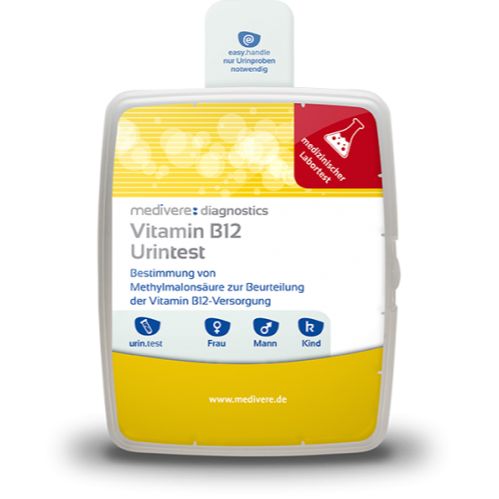
Medivere

Medivere offers advanced diagnostic tests and health services, providing consumers with access to modern lab diagnostics from the comfort of their homes. Their product range includes various health checks and lab tests that cover aspects like gut health, hormone balance, and environmental toxins.

FACTS
German supplement brand offering stackable, science-backed health systems developed with researchers from Charité Berlin and Max Planck. All products are lab-tested, GMP-certified, and designed to combine safely without dosing overlaps. Modules cover daily essentials, longevity, sleep, brain, fitness, and skin health.
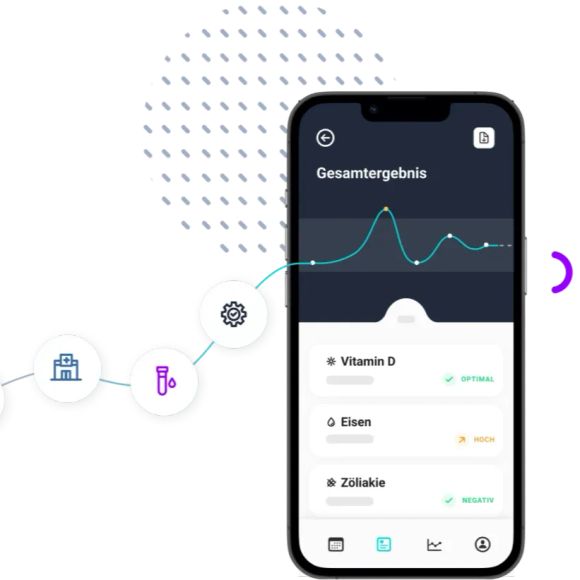
Probatix

Probatix offers a wide range of health tests designed to provide insights into various aspects of well-being. Their products include blood tests for prevention, early detection, and monitoring of conditions such as vitamin deficiencies, hormone levels, and overall health. Probatix also provides personalized health recommendations based on test results.

H.P.N Store
HPN Store is a German-based online retailer specializing in high-quality nutritional supplements designed to support various health and fitness goals. Their extensive product range includes solutions for weight management, general health, sleep enhancement, sports performance, and digestive health. With a commitment to science-backed formulations, HPN Store caters to individuals seeking to optimize their well-being and physical performance.
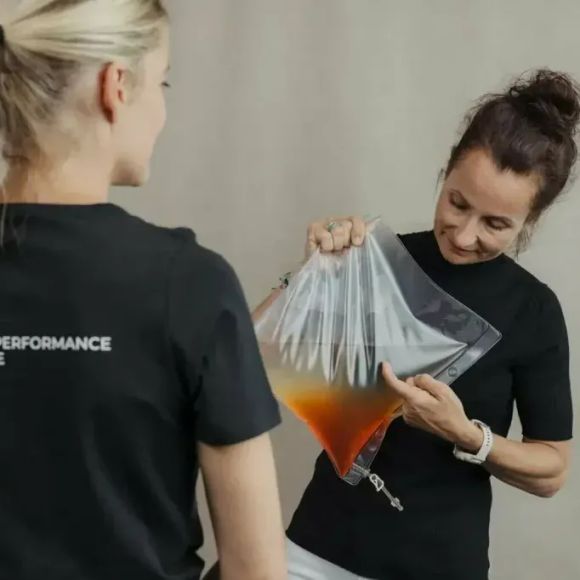
Health Performance Institute
Health Performance Institute is a holistic health and performance center that combines functional medicine, epigenetics, and innovative biohacking treatments to help individuals enhance their health, energy, and performance.

Preamble
Preamble is a preventative health platform focused on detecting health risks before they occur. The program offers an in-depth analysis of health status through comprehensive testing protocols, providing personalized health reports and ongoing support to improve quality of life.

Allergy Research Group
Allergy Research Group offers practitioner‑grade, hypoallergenic supplements made with clean, well‑tolerated ingredients—geared toward immune balance, metabolic health, and oxidative protection.