Knowledge
Magazine
-

The Honest Science of Living Longer: In Conversation With Eric Verdin, President and CEO of the Buck Institute
11 min read
-

Five Evidence-Backed Habits to Protect Your Brain (From a Neuropsychiatrist Who Diagnoses Dementia)
8 min read
-

The 24-Hour Sleep Model: Why Better Sleep Starts the Morning Before
8 min read
Weekly picks on longevity, brands, and health science. No spam—unsubscribe anytime.
Tools
- →The 30s Longevity Guide for Women
- →Postpartum Recovery Guide
- →Perimenopause Longevity Guide
- →Dopamine Reset Guide
- →Pregnancy Longevity Guide
- →Peptide Guide
- →Home Detox Guide
- →Slow Aging Guide
- →Pro Supplement Guide
- →Safe Supplement Guide
- →Bio Age Calculator
- →Blood Testing Guide
- →Deep Sleep Guide
- →Pro Longevity Dashboard
By Category
By Goal
Knowledge
- →What is Longevity?
- →Improve diet
- →More focus
- →Look younger
- →Lose weight
- →Track biomarkers
- →Improve sleep
- →Build muscle
- →Increase cardio
- →Detect diseases
- →Recover faster
- →Relieve stress
Magazine
-
The Honest Science of Living Longer: In Conversation With Eric Verdin, President and CEO of the Buck Institute
11 min read
-
Five Evidence-Backed Habits to Protect Your Brain (From a Neuropsychiatrist Who Diagnoses Dementia)
8 min read
-
The 24-Hour Sleep Model: Why Better Sleep Starts the Morning Before
8 min read
Weekly picks on longevity, brands, and health science. No spam—unsubscribe anytime.
Brands
- →Apps
- →At Home Tests & Kits
- →Events
- →Experts & Clinics
- →Foods & Beverages
- →Gadgets & Equipment
- →Gyms & Workouts
- →Supplements
- →Travel & Retreats
- →Wearables & Trackers
Tools
- →The 30s Longevity Guide for Women
- →Postpartum Recovery Guide
- →Perimenopause Longevity Guide
- →Dopamine Reset Guide
- →Pregnancy Longevity Guide
- →Peptide Guide
- →Home Detox Guide
- →Slow Aging Guide
- →Pro Supplement Guide
- →Safe Supplement Guide
- →Bio Age Calculator
- →Blood Testing Guide
- →Deep Sleep Guide
- →Pro Longevity Dashboard

Discover
Connect
Longevity Knowledge BETA
Light Therapy
Table of Contents
How light therapy works at the cellular level
Light therapy, also known as photobiomodulation, uses specific wavelengths of red and near-infrared light to stimulate cellular function. The primary mechanism involves light absorption by cytochrome c oxidase in mitochondria, which increases ATP production and improves cellular energy metabolism [1]. Red light (600-700 nm) penetrates approximately 2-3 mm into tissue, while near-infrared light (700-1000 nm) reaches 5-10 mm deep, allowing treatment of muscles and joints [2].
Circadian rhythm and sleep regulation
Light exposure is the main synchronizer of our internal 24-hour clock. Morning exposure to bright light (10,000 lux) for 20-30 minutes suppresses melatonin and promotes alertness, while reducing blue light in the evening supports natural melatonin production for better sleep [3]. Bright light therapy has shown comparable efficacy to antidepressants for seasonal affective disorder symptoms [4].
Clinical applications and evidence
Research supports light therapy for multiple conditions. Red and near-infrared photobiomodulation accelerates wound healing and reduces inflammation in musculoskeletal injuries [5]. Studies suggest benefits for cognitive function in age-related decline and neurodegenerative diseases through mitochondrial optimization [6]. For skin health, light therapy improves collagen production and reduces inflammation [7].
Practical guidelines
For circadian entrainment, use bright white light (10,000 lux) for 20-30 minutes within an hour of waking. For tissue healing, apply red or near-infrared light at 10-50 mW/cm² for 5-20 minutes, several times weekly [8]. Consistency matters more than intensity, and individual responses vary based on genetics and baseline health status.
References
- 1. Photobiomodulation: Mechanisms and Applications in Medicine
- 2. The Biological Effects of Red and Near-Infrared Light Therapy
- 3. Light Exposure and Circadian Rhythm Regulation
- 4. Bright Light Therapy for Seasonal Affective Disorder
- 5. Photobiomodulation in Musculoskeletal Injuries and Inflammation
- 6. Light Therapy for Cognitive Enhancement and Neurodegeneration
- 7. Low-Level Light Therapy for Skin Rejuvenation
- 8. Dosage Guidelines for Photobiomodulation Therapy
Educate yourself
Consult professionals
Track your progress
Get morning sunlight
Block blue light at night
Time your therapy
Maintain proper distance
Be consistent
What is this?
Why does this matter?
How do I optimize this?
What is light therapy?
How long does light therapy take to work?
Are there any side effects of light therapy?
What is the difference between red light and bright light therapy?
Can I use light therapy if I take medications?

Vitamin D Expert: The Fastest Way To Dementia & The Dangerous Lie You've Been Told About Sunlight!

How to Enhance Your Immune System | Dr. Roger Seheult

AMA #65: Red light therapy: promising applications, mixed evidence, and impact on health and aging
AMA #14: 2023 Philanthropy, Evening Routine, Light Therapy, Health Metrics & More
No discussions yet
Be the first to start a discussion about Light Therapy.
Related Articles


Community Discussions
Related Brands

KOANNA

KOANNA offers innovative wellness and care products designed to bring the luxury spa experience to your home.
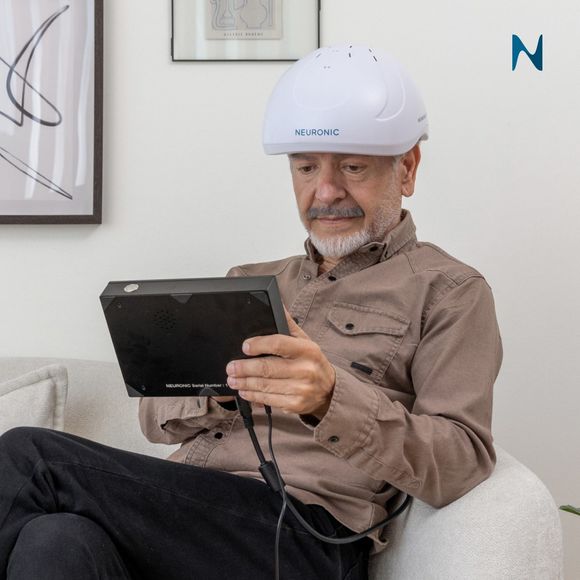
Neuronic
Neuronic specializes in transcranial photobiomodulation (tPBM) devices designed to enhance cognitive function, reduce stress, and support mental well-being. Their products use light therapy to stimulate brain activity and improve overall mental health.
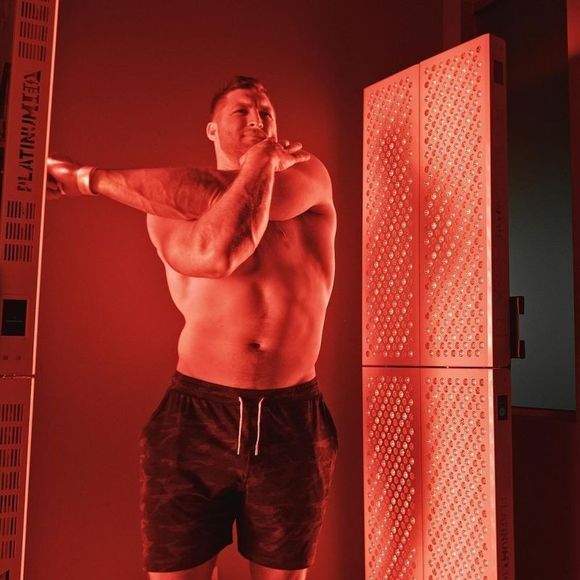
Platinum LED
PlatinumLED Therapy Lights offers advanced red and near-infrared (NIR) light therapy devices, featuring high irradiance output and multi-wavelength spectra to support various health benefits, including pain relief, anti-aging, and enhanced recovery.
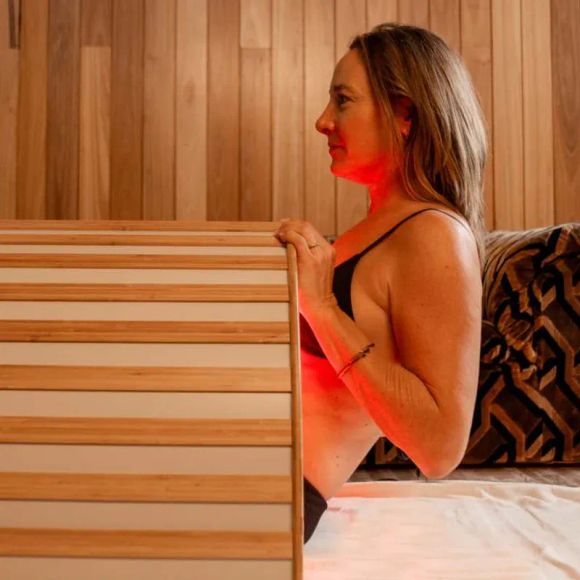
Helsi
Helsi™, founded in 2024 by Sebastian Mierau and Johannes Kettelhodt in Byron Bay, Australia, offers premium wellness products, including the Helsi™ One Sauna, Ice Plunge, and a range of red light therapy devices, designed to enhance health rituals and promote optimal well-being.
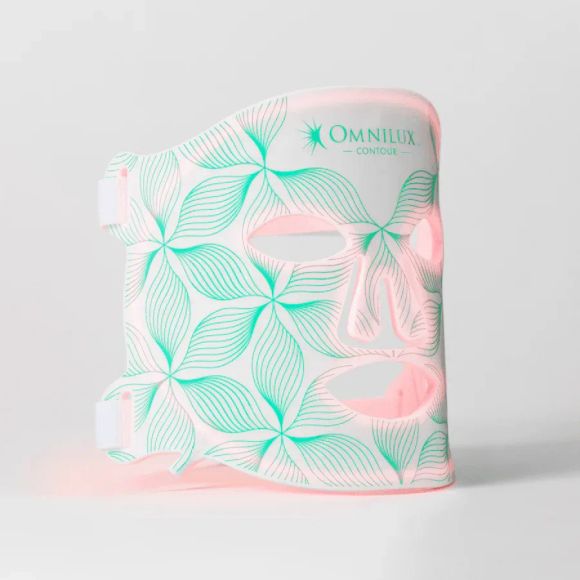
Omnilux
Omnilux offers medical-grade LED light therapy devices designed for at-home use, providing clinically proven treatments for skin rejuvenation, acne reduction, and overall skin health enhancement
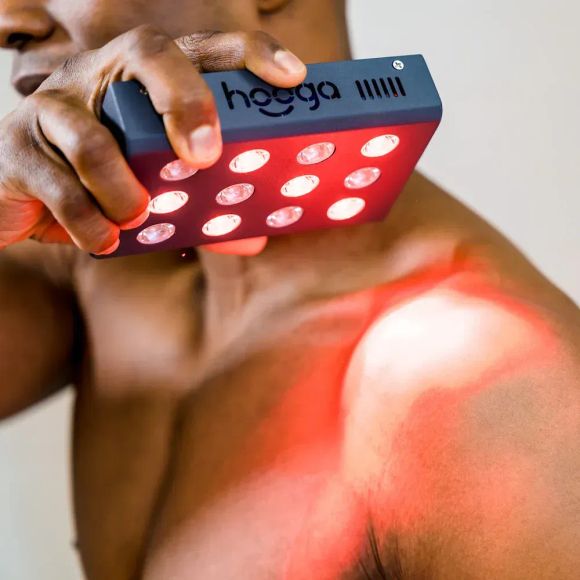
Hooga Health
Hooga Health offers a range of affordable and effective red light therapy devices designed to enhance skin health, boost energy levels, alleviate pain, and promote overall well-being.
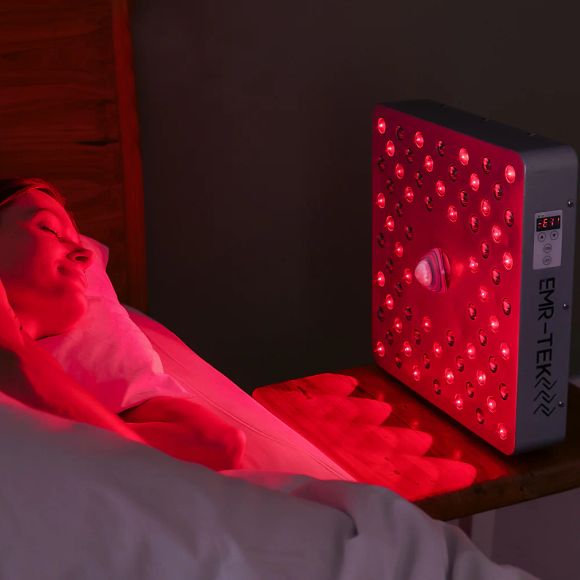
EMR-TEK
EMR-TEK is a wellness technology company specializing in red and near-infrared light therapy devices. Their product line includes portable panels, full-body systems, and accessories designed to support recovery, energy, and overall well-being. EMR-TEK also offers blue light blocking glasses and skincare products to complement their light therapy solutions.

Vivarays
VivaRays makes the world's first 3-in-1 circadian light harmonizing glasses, designed to balance artificial light exposure from day to night using three interchangeable lens technologies: daytime (yellow), evening (orange), and nighttime (red). All frames are handcrafted from sustainably sourced wood or Italian bio-acetate, with lenses manufactured in a carbon-neutral lab in Canada.

Mito Light

Mito Light offers advanced red and infrared light therapy devices designed to enhance well-being and performance.
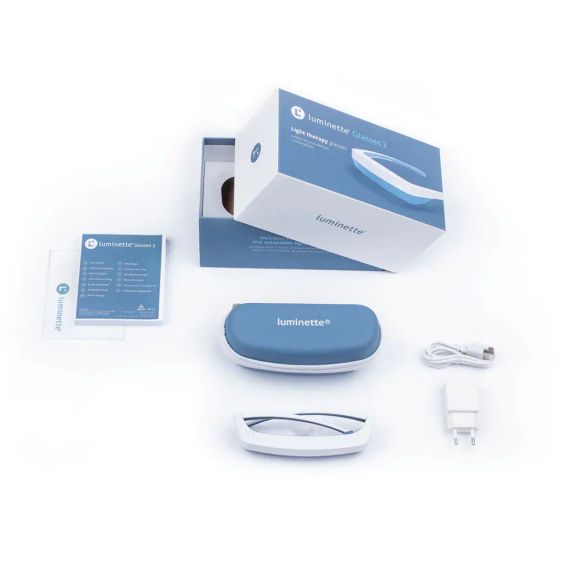
Luminette
Luminette offers light therapy glasses and lamps designed to improve mood, regulate sleep, and boost energy. Their products provide a natural way to enhance well-being, making them ideal for those seeking a holistic approach to wellness.