Knowledge
Magazine
-

The 24-Hour Sleep Model: Why Better Sleep Starts the Morning Before
8 min read
-

Eating for Longevity: Lessons From the World's Oldest People
9 min read
-

The Summer Health Kit: Supplies and Gadgets for Hot Days and Warm Nights
9 min read
Weekly picks on longevity, brands, and health science. No spam—unsubscribe anytime.
Tools
- →The 30s Longevity Guide for Women
- →Postpartum Recovery Guide
- →Perimenopause Longevity Guide
- →Dopamine Reset Guide
- →Pregnancy Longevity Guide
- →Peptide Guide
- →Home Detox Guide
- →Slow Aging Guide
- →Pro Supplement Guide
- →Safe Supplement Guide
- →Bio Age Calculator
- →Blood Testing Guide
- →Deep Sleep Guide
- →Pro Longevity Dashboard
By Category
By Goal
Knowledge
- →What is Longevity?
- →Improve diet
- →More focus
- →Look younger
- →Lose weight
- →Track biomarkers
- →Improve sleep
- →Build muscle
- →Increase cardio
- →Detect diseases
- →Recover faster
- →Relieve stress
Magazine
-
The 24-Hour Sleep Model: Why Better Sleep Starts the Morning Before
8 min read
-
Eating for Longevity: Lessons From the World's Oldest People
9 min read
-
The Summer Health Kit: Supplies and Gadgets for Hot Days and Warm Nights
9 min read
Weekly picks on longevity, brands, and health science. No spam—unsubscribe anytime.
Brands
- →Apps
- →At Home Tests & Kits
- →Events
- →Experts & Clinics
- →Foods & Beverages
- →Gadgets & Equipment
- →Gyms & Workouts
- →Supplements
- →Travel & Retreats
- →Wearables & Trackers
Tools
- →The 30s Longevity Guide for Women
- →Postpartum Recovery Guide
- →Perimenopause Longevity Guide
- →Dopamine Reset Guide
- →Pregnancy Longevity Guide
- →Peptide Guide
- →Home Detox Guide
- →Slow Aging Guide
- →Pro Supplement Guide
- →Safe Supplement Guide
- →Bio Age Calculator
- →Blood Testing Guide
- →Deep Sleep Guide
- →Pro Longevity Dashboard

Discover
Connect
Longevity Knowledge BETA
Microbiome
Table of Contents
What the microbiome actually does
Your gut harbors roughly 38 trillion microorganisms, including bacteria, archaea, fungi, and viruses. Together they encode over 3 million genes, about 150 times more than the human genome. This microbial community operates like an organ: it produces vitamins (K2, B12, folate), synthesizes neurotransmitters (about 90% of your body's serotonin is made in the gut), metabolizes bile acids, trains immune cells, and maintains the intestinal barrier that keeps pathogens and toxins out of the bloodstream.
Microbiome diversity and why it matters for longevity
Microbial diversity, the number and balance of species in your gut, is the single best predictor of gut health. Higher diversity correlates with lower rates of obesity, type 2 diabetes, inflammatory bowel disease, and allergies. Diversity declines with age, contributing to "inflammaging," the chronic low-grade inflammation that accelerates biological aging [1]. But this decline isn't inevitable. A 2020 systematic review found that centenarians and other long-lived populations maintain higher microbial diversity than typical elderly adults, with elevated levels of Akkermansia muciniphila, Bifidobacterium, and Christensenellaceae [2]. These taxa produce butyrate and other short-chain fatty acids that strengthen the gut lining, tamp down inflammation, and support metabolic health.
The gut-brain axis
The gut and brain communicate through the vagus nerve, immune signals, and microbial metabolites. Gut bacteria produce short-chain fatty acids that stimulate serotonin synthesis in intestinal enterochromaffin cells [3]. Dysbiosis, an imbalance in microbial composition, can disrupt tryptophan metabolism and reduce serotonin availability, which has been linked to depression, anxiety, and cognitive decline [4]. This isn't a one-way street. Chronic psychological stress alters gut permeability and shifts microbial composition, creating a feedback loop between mental and digestive health.
What drives dysbiosis
Dysbiosis typically shows up as reduced diversity, overgrowth of pathogenic species, and loss of beneficial bacteria like Faecalibacterium prausnitzii. Common triggers include antibiotic overuse (even a single course can disrupt the microbiome for months), chronic stress, high-sugar diets, ultra-processed foods, and environmental toxins. Recovery timelines vary: dietary changes can shift microbial composition within 24 to 72 hours, but restoring stable diversity after antibiotics may take one to two months or longer [5].
How to build a healthier microbiome
The evidence consistently points to a few strategies. First, eat at least 30 different plant species per week. This includes vegetables, fruits, legumes, nuts, seeds, herbs, and whole grains. Population studies show this threshold produces the highest diversity scores [6]. Second, include fermented foods daily: sauerkraut, kimchi, kefir, yogurt, miso, and kombucha introduce live cultures and boost microbial diversity. A 2021 Stanford trial found that a high-fermented-food diet increased microbiota diversity and decreased inflammatory markers over 10 weeks [7]. Third, prioritize prebiotic fibers like inulin (garlic, onions, chicory), resistant starch (cooled potatoes, green bananas), and beta-glucans (oats, mushrooms). Aim for 30+ grams of total fiber daily.
A note on microbiome testing
Direct-to-consumer gut microbiome tests have become popular, but a 2024 international consensus statement published in The Lancet Gastroenterology concluded that there is currently no validated benchmark for a "normal" microbiome, and clinical recommendations based on these tests are premature [8]. The high inter-individual variability in healthy microbiomes makes meaningful interpretation difficult. For now, stool testing is more useful for research than for guiding personal supplementation decisions.
References
- 1. The gut microbiota and aging: interactions, implications, and interventions (Frontiers in Aging, 2025)
- 2. The Gut Microbiome, Aging, and Longevity: A Systematic Review (Nutrients, 2020)
- 3. The Gut-Brain Axis: Influence of Microbiota on Mood and Mental Health (Clinics and Practice, 2019)
- 4. The correlation between gut microbiota and both neurotransmitters and mental disorders: A narrative review (Medicine, 2024)
- 5. Timescales of gut microbiome dynamics (Current Opinion in Biotechnology, 2019)
- 6. Gut-microbiota-targeted diets modulate human immune status (Cell, 2021)
- 7. Gut-microbiota-targeted diets modulate human immune status - Stanford fermented food trial (Cell, 2021)
- 8. International consensus statement on microbiome testing in clinical practice (The Lancet Gastroenterology & Hepatology, 2024)
Eat 30 plant species per week
Add fermented foods daily
Use resistant starch as a prebiotic
Rebuild after antibiotics deliberately
Manage stress to protect your gut
How long does it take to change your gut microbiome?
Are gut microbiome tests worth it?
Does the gut microbiome affect mental health?
What is the connection between the microbiome and aging?
Should I take probiotics?

Most Replayed Moment: Are You Really Gluten Intolerant? It Could Be This Instead!

#109 How To Boost NAD Levels To Fight Inflammation, Improve Recovery, and Slow Aging | Dr. Charles Brenner
The Microbiome Doctor: Doctors Were Wrong! The 3 Foods You Should Eat For Perfect Gut Health!
Leaky Gut Expert: This Gut Mistake Leads To Cancer. The Cheap Spice That Helps Repair A Damaged Gut!

Essentials: How to Build, Maintain & Repair Gut Health | Dr. Justin Sonnenburg
Insulin Doctor: This Is The First Sign Of Dementia! The Shocking Link Between Keto & Brain Decline!
No discussions yet
Be the first to start a discussion about Microbiome.
Related Articles

The First 1,000 Days: How Your Gut Microbiome Shapes Lifelong Health
7 min read
Founder interview: Cheryl Sew Hoy, CEO & Founder at Tiny Health
9 min read
The Microbiome Cosmos: How the gut’s invisible residents shape health and longevity
9 min read
Gut bacteria: breakthrough insights for colon healing
2 min readCommunity Discussions
Related Brands

Viome

Viome offers at-home microbiome health tests and custom-formulated supplements and probiotics for gut health, oral health, and full-body health. Their solutions include personalized nutrition recommendations based on microbiome analysis.
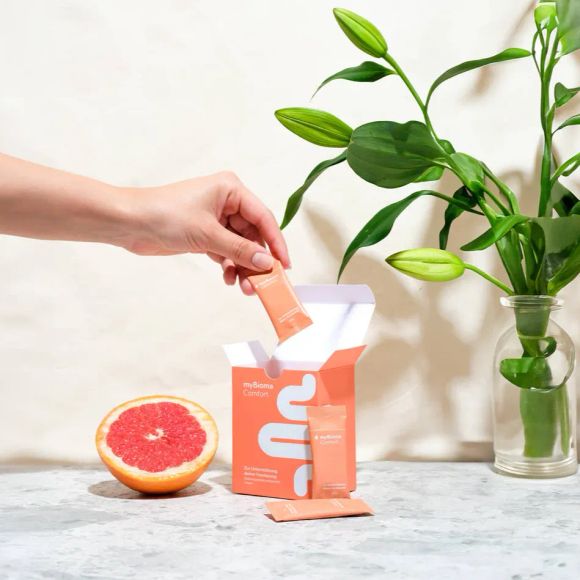
myBioma
myBioma offers advanced microbiome testing to help users understand their gut health. Their tests provide detailed insights into the composition of your gut flora and its impact on overall health.
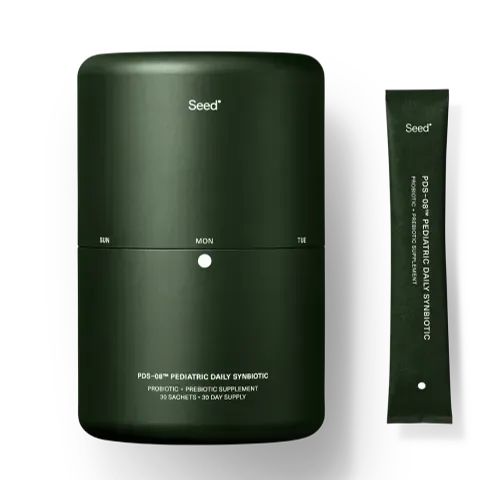
Seed
Seed offers advanced probiotics and synbiotics designed to support gut, vaginal, and overall health. Their products are rooted in rigorous scientific research and are developed with sustainability and efficacy in mind. Moreover, Seed Health pioneers microbiome science for human and planetary health. Utilizing advanced computational biology, microbial genomics, and ultra-deep sequencing, Seed Health develops innovative products and solutions for health and sustainability.
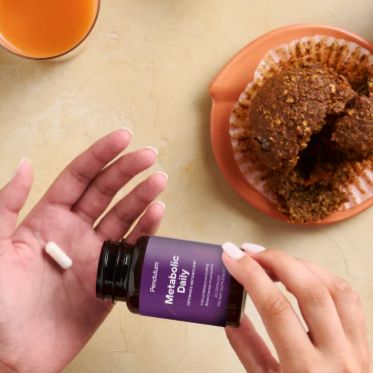
Pendulum
Pendulum offers next-generation probiotics designed to support gut health, metabolism, and overall well-being. Their products, including strains like Akkermansia and GLP-1 Probiotic, are backed by rigorous scientific research and clinical trials, making them a trusted choice for those looking to optimize their gut microbiome.
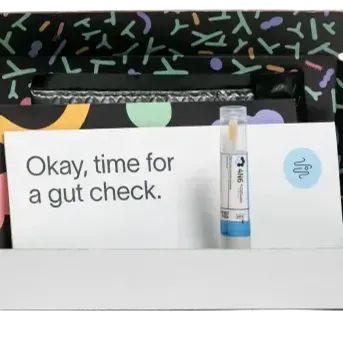
Tiny Health
Tiny Health offers at-home gut health tests for families, focusing on babies and children, to help detect gut imbalances and provide actionable insights for better health.

PrecisionBiome
PrecisionBiome offers personalized microbiome supplements tailored to individual gut health needs, utilizing advanced microbiome analysis to enhance overall well-being.
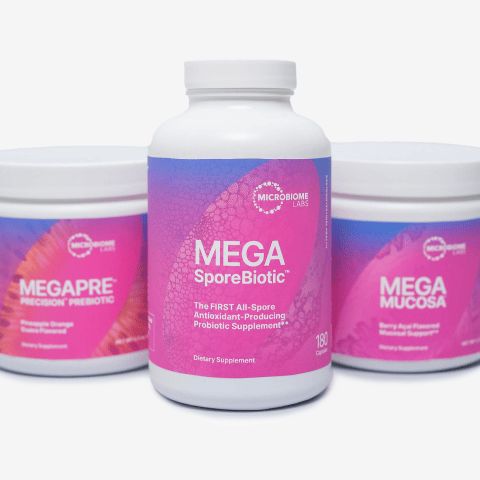
Microbiome Labs
Microbiome Labs specializes in innovative, research-backed probiotic and gut health supplements designed to support digestive, immune, metabolic, and cognitive health.
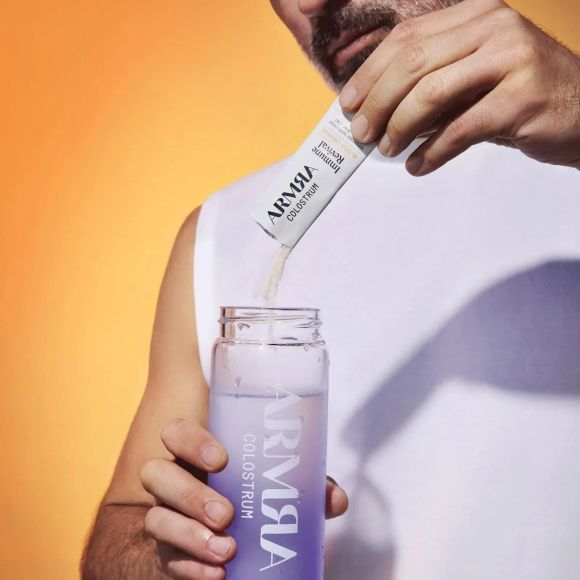
ARMRA Colostrum
ARMRA Colostrum™ is a premium bovine colostrum supplement designed to strengthen immune barriers, optimize gut health, and enhance overall vitality.
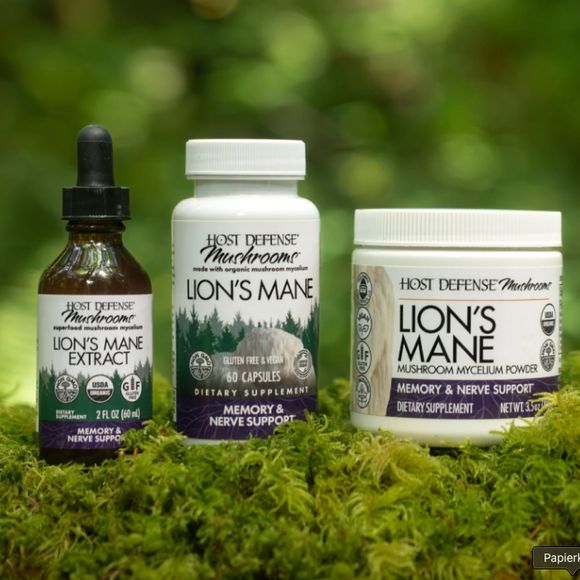
Fungi Perfecti
Fungi Perfecti, founded by mycologist Paul Stamets, is a family-owned company dedicated to promoting the cultivation and use of fungi for health and environmental benefits. Their offerings include a wide range of mushroom-based supplements under the Host Defense® brand, cultivation tools, educational resources, and sustainable solutions aimed at supporting people, bees, trees, and the planet.
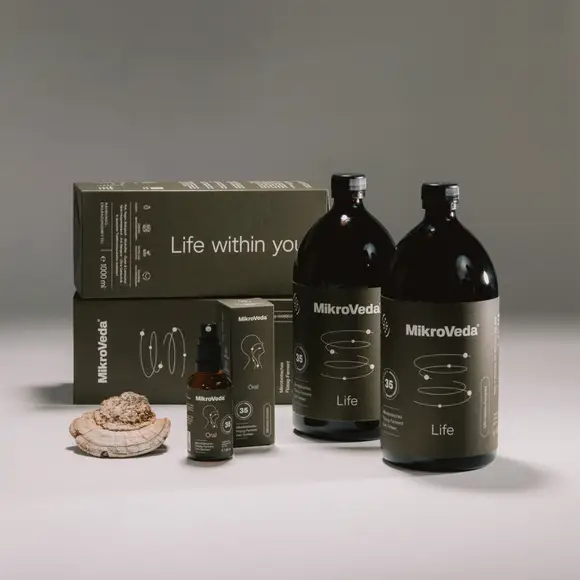
MikroVeda
MikroVeda is a German company specializing in the development and production of natural, probiotic products aimed at restoring and maintaining microbiome balance in humans, animals, and the environment. Their offerings include dietary supplements, natural cosmetics, household cleaners, and agricultural solutions, all crafted through traditional fermentation processes using beneficial microorganisms.