Knowledge
Magazine
-

The 24-Hour Sleep Model: Why Better Sleep Starts the Morning Before
8 min read
-

Eating for Longevity: Lessons From the World's Oldest People
9 min read
-

The Summer Health Kit: Supplies and Gadgets for Hot Days and Warm Nights
9 min read
Weekly picks on longevity, brands, and health science. No spam—unsubscribe anytime.
Tools
- →The 30s Longevity Guide for Women
- →Postpartum Recovery Guide
- →Perimenopause Longevity Guide
- →Dopamine Reset Guide
- →Pregnancy Longevity Guide
- →Peptide Guide
- →Home Detox Guide
- →Slow Aging Guide
- →Pro Supplement Guide
- →Safe Supplement Guide
- →Bio Age Calculator
- →Blood Testing Guide
- →Deep Sleep Guide
- →Pro Longevity Dashboard
By Category
By Goal
Knowledge
- →What is Longevity?
- →Improve diet
- →More focus
- →Look younger
- →Lose weight
- →Track biomarkers
- →Improve sleep
- →Build muscle
- →Increase cardio
- →Detect diseases
- →Recover faster
- →Relieve stress
Magazine
-
The 24-Hour Sleep Model: Why Better Sleep Starts the Morning Before
8 min read
-
Eating for Longevity: Lessons From the World's Oldest People
9 min read
-
The Summer Health Kit: Supplies and Gadgets for Hot Days and Warm Nights
9 min read
Weekly picks on longevity, brands, and health science. No spam—unsubscribe anytime.
Brands
- →Apps
- →At Home Tests & Kits
- →Events
- →Experts & Clinics
- →Foods & Beverages
- →Gadgets & Equipment
- →Gyms & Workouts
- →Supplements
- →Travel & Retreats
- →Wearables & Trackers
Tools
- →The 30s Longevity Guide for Women
- →Postpartum Recovery Guide
- →Perimenopause Longevity Guide
- →Dopamine Reset Guide
- →Pregnancy Longevity Guide
- →Peptide Guide
- →Home Detox Guide
- →Slow Aging Guide
- →Pro Supplement Guide
- →Safe Supplement Guide
- →Bio Age Calculator
- →Blood Testing Guide
- →Deep Sleep Guide
- →Pro Longevity Dashboard

Discover
Connect
Longevity Knowledge BETA
Oxidative Stress
Table of Contents
What oxidative stress actually means
Oxidative stress is the imbalance between free radicals and antioxidants in your body. When free radicals outnumber the body's ability to neutralize them, cellular damage occurs. Free radicals are unstable molecules that react with DNA, proteins, and lipids, causing damage that accumulates over time [1]. The brain is especially vulnerable to oxidative stress due to its high oxygen consumption and limited antioxidant defenses [2].
This imbalance isn't just a theoretical concern. Research links oxidative stress to aging, Alzheimer's disease, cardiovascular disease, diabetes, and cancer [3]. Understanding how to manage oxidative stress gives you a tangible lever for slowing cellular aging and reducing disease risk.
How oxidative stress damages your cells
Reactive oxygen species (ROS) form as natural byproducts of energy metabolism in mitochondria. At normal levels, ROS serve signaling functions. Problems arise when production exceeds the body's capacity to clear them [1].
The damage is specific and measurable. ROS attack polyunsaturated fatty acids in cell membranes through lipid peroxidation, creating chain reactions that compromise membrane integrity [2]. They fragment DNA and oxidize proteins, impairing enzyme function. Over time, this accumulated damage manifests as cellular senescence, tissue dysfunction, and disease [3].
The antioxidant defense system
Your body maintains several lines of defense against oxidative damage. Superoxide dismutase, catalase, and glutathione peroxidase are enzymatic antioxidants that neutralize specific ROS [2]. Glutathione, the body's master antioxidant, donates electrons to stabilize free radicals. Vitamin C, vitamin E, and polyphenols from food provide non-enzymatic antioxidant support [1].
When antioxidant capacity drops, biomarkers of oxidative stress rise. Elevated levels of 8-hydroxy-2'-deoxyguanosine (8-OHdG) indicate DNA damage. Increased isoprostanes signal lipid peroxidation. These markers correlate with biological aging and disease progression [3].
Practical strategies to reduce oxidative stress
Lifestyle choices significantly influence your oxidative balance. Regular moderate exercise upregulates antioxidant enzyme expression, though excessive intense exercise temporarily increases ROS production [1]. Sleep deprivation measurably increases oxidative markers [2].
Nutrition is the most powerful tool. Diets rich in colorful vegetables and fruits supply polyphenols, flavonoids, and vitamins that directly scavenge free radicals. Cruciferous vegetables boost glutathione synthesis. Berries contain anthocyanins that cross the blood-brain barrier and protect neural tissue [3].
Specific supplements show evidence for reducing oxidative stress. N-acetylcysteine replenishes glutathione levels and has demonstrated benefits across multiple conditions linked to oxidative damage [2]. Coenzyme Q10 supports mitochondrial function. Omega-3 fatty acids reduce lipid peroxidation [1].
References
- 1. Deepmala et al. — Clinical trials of N-acetylcysteine in psychiatry and neurology: A systematic review. Neuroscience & Biobehavioral Reviews, 2015.
- 2. Cecerska-Heryć et al. — Importance of oxidative stress in the pathogenesis, diagnosis, and monitoring of patients with neuropsychiatric disorders. Neu...
- 3. ScienceDirect Topics — Oxidative Stress in Neuroscience. Comprehensive overview of mechanisms and implications.
Educate yourself
Consult professionals
Track your progress
Eat colorful antioxidants
Boost glutathione with cruciferous vegetables
Consider NAC supplementation
Prioritize sleep
What causes oxidative stress?
How can I test for oxidative stress?
What foods are highest in antioxidants?
Is oxidative stress linked to aging?
What is this?
Why does this matter?
How do I optimize this?
No discussions yet
Be the first to start a discussion about Oxidative Stress.
Related Brands

Unived

Unived is a 100% vegan supplement brand creating clinically validated formulas—from algal DHA to performance protein—that support clean longevity, recovery, and nutrition.

JOOVV

Joovv offers medical‑grade red and near‑infrared light therapy devices for at‑home use, designed to boost cellular energy, speed recovery, improve skin health, and reduce inflammation.
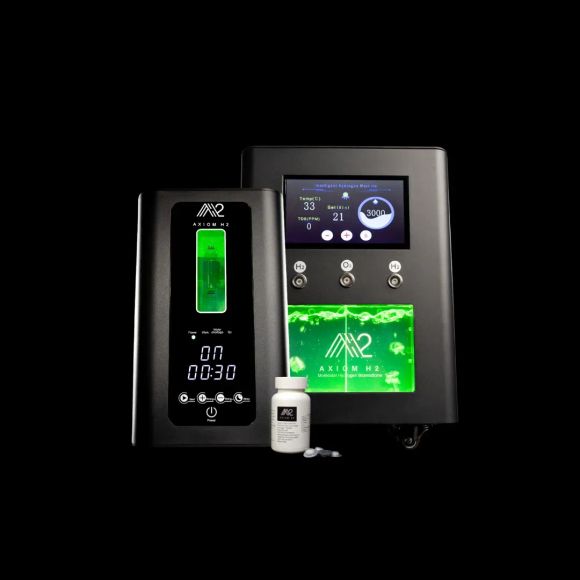
Axiom H2
Axiom H2 specializes in molecular hydrogen therapy, offering advanced products designed to optimize cellular health and overall well-being. Their flagship product, the HW600 Cellular Optimizer, is a medical-grade hydrogen generator that enhances hydration, reduces inflammation, and supports anti-aging.
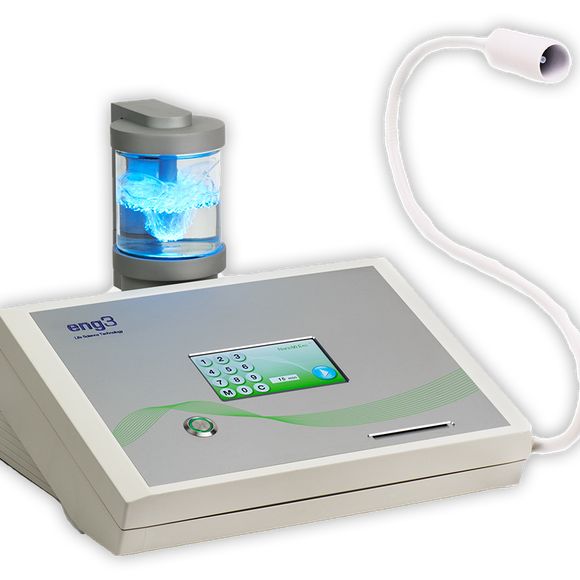
Nanovi
NanoVi® devices support cellular regeneration and protein function, aiming to enhance vitality and resilience by addressing oxidative stress
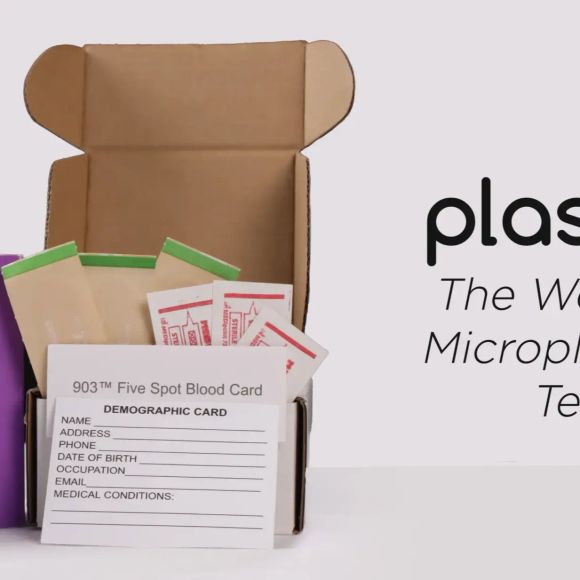
PlasticTox
PlasticTox offers the world's first at-home blood test kit designed to detect microplastics in the human bloodstream, empowering individuals to assess their exposure to these pervasive environmental pollutants
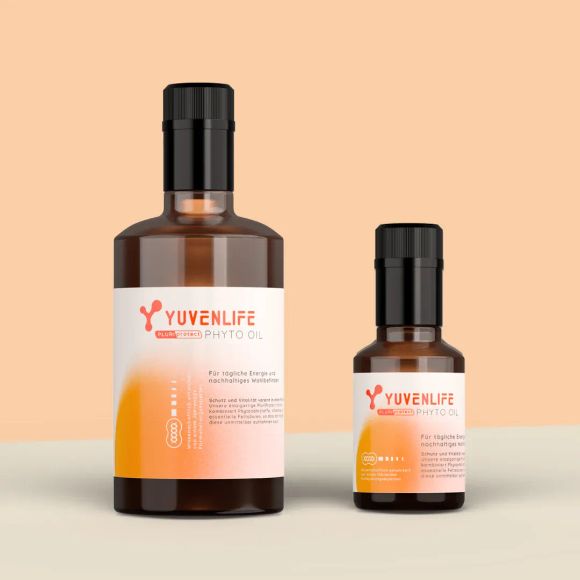
Yuven Life
YuvenLife offers scientifically formulated supplements, such as their Phyto Oil, designed to enhance cellular health and promote sustainable well-being through a unique blend of phytonutrients, vitamins, and essential fatty acids.
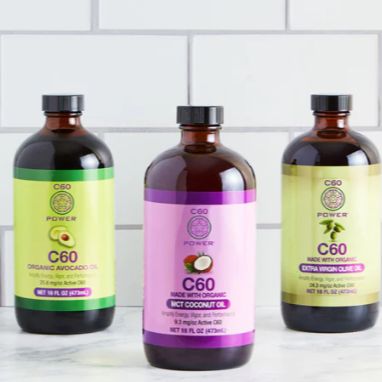
C60
C60 Power, formerly known as C60 Purple Power, specializes in producing high-quality Carbon 60 (C60) supplements aimed at enhancing energy, vitality, and overall well-being. Their product line includes C60 infused in organic oils, gummies, skincare items, and pet supplements, all formulated with 99.99% pure, sublimated C60 and certified organic oils. C60 Power emphasizes rigorous third-party testing to ensure the safety, purity, and efficacy of their products.
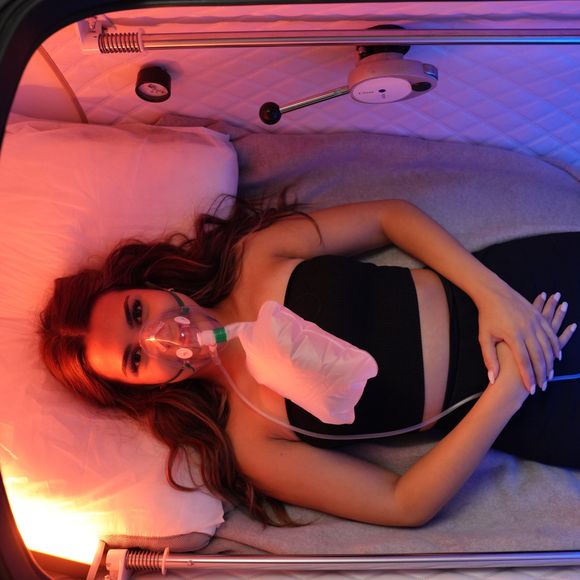
Dremenia
Dremenia offers medical‑grade hyperbaric oxygen therapy (HBOT) chambers and oxygen concentrator systems for home and professional use—supporting regeneration, performance, and anti‑aging.
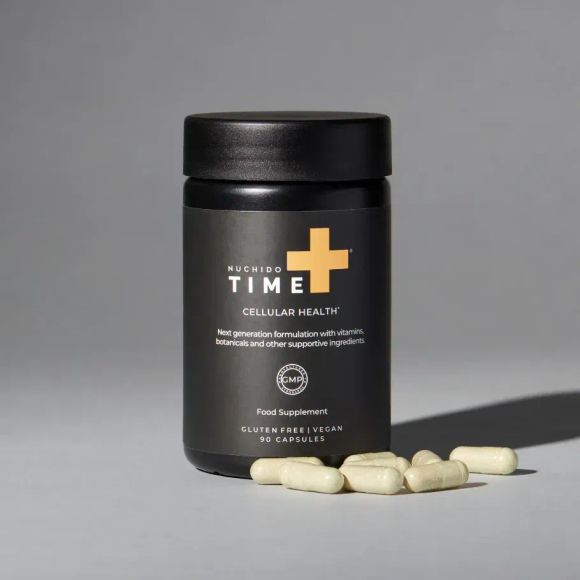
Nuchido
Nuchido TIME+ is a science‑backed supplement formulated to support cellular health by boosting NAD⁺ levels, antioxidants, and botanicals. It’s designed to help maintain energy, repair, and vitality as you age.

Avmacol
Avmacol® is a clinically studied sulforaphane‑producing supplement providing broccoli seed extract and active myrosinase, designed to support natural detoxification, antioxidant defenses, and immune health. It’s the most referenced supplement in human sulforaphane research.