Knowledge
Magazine
-

The 24-Hour Sleep Model: Why Better Sleep Starts the Morning Before
8 min read
-

Eating for Longevity: Lessons From the World's Oldest People
9 min read
-

The Summer Health Kit: Supplies and Gadgets for Hot Days and Warm Nights
9 min read
Weekly picks on longevity, brands, and health science. No spam—unsubscribe anytime.
Tools
- →The 30s Longevity Guide for Women
- →Postpartum Recovery Guide
- →Perimenopause Longevity Guide
- →Dopamine Reset Guide
- →Pregnancy Longevity Guide
- →Peptide Guide
- →Home Detox Guide
- →Slow Aging Guide
- →Pro Supplement Guide
- →Safe Supplement Guide
- →Bio Age Calculator
- →Blood Testing Guide
- →Deep Sleep Guide
- →Pro Longevity Dashboard
By Category
By Goal
Knowledge
- →What is Longevity?
- →Improve diet
- →More focus
- →Look younger
- →Lose weight
- →Track biomarkers
- →Improve sleep
- →Build muscle
- →Increase cardio
- →Detect diseases
- →Recover faster
- →Relieve stress
Magazine
-
The 24-Hour Sleep Model: Why Better Sleep Starts the Morning Before
8 min read
-
Eating for Longevity: Lessons From the World's Oldest People
9 min read
-
The Summer Health Kit: Supplies and Gadgets for Hot Days and Warm Nights
9 min read
Weekly picks on longevity, brands, and health science. No spam—unsubscribe anytime.
Brands
- →Apps
- →At Home Tests & Kits
- →Events
- →Experts & Clinics
- →Foods & Beverages
- →Gadgets & Equipment
- →Gyms & Workouts
- →Supplements
- →Travel & Retreats
- →Wearables & Trackers
Tools
- →The 30s Longevity Guide for Women
- →Postpartum Recovery Guide
- →Perimenopause Longevity Guide
- →Dopamine Reset Guide
- →Pregnancy Longevity Guide
- →Peptide Guide
- →Home Detox Guide
- →Slow Aging Guide
- →Pro Supplement Guide
- →Safe Supplement Guide
- →Bio Age Calculator
- →Blood Testing Guide
- →Deep Sleep Guide
- →Pro Longevity Dashboard

Discover
Connect
Longevity Knowledge BETA
Adaptogens
Table of Contents
What are adaptogens?
Adaptogens are a class of bioactive plant compounds, mostly from herbs, roots, and fungi, that help the body resist and recover from physical, chemical, and psychological stress. The concept originated with Soviet toxicologist Nikolai Lazarev in 1947 and was formalized by pharmacologist Israel Brekhman, who defined three criteria: an adaptogen must be nontoxic at normal doses, produce a nonspecific resistance to multiple stressors, and normalize physiology regardless of the direction of imbalance.
More than 70 plants are now classified as adaptogens, though only a handful have robust clinical evidence behind them. The most studied include ashwagandha, rhodiola rosea, panax ginseng, schisandra chinensis, and holy basil (tulsi). Several adaptogenic mushrooms, particularly reishi and lion's mane, have also gained attention for their immune and neurological benefits.
How adaptogens work: the HPA axis and stress response
The central mechanism of adaptogens involves the hypothalamic-pituitary-adrenal (HPA) axis, the body's primary stress response system. Under chronic stress, the HPA axis becomes dysregulated: cortisol stays elevated, immune function deteriorates, and biological aging accelerates. Adaptogens recalibrate this axis by modulating cortisol production, improving stress hormone receptor sensitivity, and supporting neurotransmitter balance [1].
A 2023 systematic review and meta-analysis of randomized controlled trials confirmed that adaptogenic plants, particularly ashwagandha, significantly reduce serum cortisol levels and perceived stress scores in healthy adults under mental stress [2]. Many adaptogens also act as antioxidants and anti-inflammatory agents at the molecular level, protecting cells against stress-induced oxidative damage.
Adaptogens with the strongest clinical evidence
Ashwagandha (Withania somnifera)
Ashwagandha has the deepest evidence base among adaptogens. A 2024 meta-analysis of nine RCTs (558 participants) found that ashwagandha supplementation reduced serum cortisol by an average of 2.58 microg/dL [3]. A separate 2024 systematic review confirmed significant reductions in anxiety scores, though the effect on self-reported stress was less consistent [4]. The active compounds, withanolides, also have neuroprotective properties. Standard doses range from 300 to 600 mg/day of root extract (KSM-66 or Sensoril standardized extracts).
Rhodiola rosea
Rhodiola is best known for its anti-fatigue effects. A systematic review of 11 clinical trials found evidence for improvements in both mental and physical fatigue, though the authors noted methodological limitations across most studies [5]. Its primary bioactive compound, salidroside, influences serotonin and dopamine pathways. Rhodiola is typically dosed at 200 to 400 mg/day of SHR-5 standardized extract, taken in the morning due to its stimulating nature.
Panax ginseng
Ginsenosides, the active compounds in panax ginseng, modulate immune function, improve cognitive performance, and enhance physical endurance. A 2022 systematic review found ginseng beneficial across multiple age-related outcomes including cognitive decline, physical stamina, and metabolic health [6]. Animal research has shown ginsenosides activate the SIRT1 longevity pathway and extend lifespan in model organisms, though human longevity data is still lacking.
Other notable adaptogens
Schisandra chinensis contains lignans that modulate adrenal hormones and have demonstrated anti-fatigue effects through HPA axis regulation. Holy basil (tulsi) reduced symptoms of stress, poor sleep, and exhaustion in a 6-week clinical pilot trial [7]. Reishi mushroom (Ganoderma lucidum) provides beta-glucans and triterpenoids for immune regulation. Lion's mane (Hericium erinaceus) stimulates nerve growth factor (NGF) synthesis, supporting brain plasticity and cognitive function.
Practical use of adaptogens
Most practitioners recommend cycling adaptogens in 6 to 8 week blocks followed by a 1 to 2 week break to prevent receptor desensitization. Timing matters: stimulating adaptogens like rhodiola and ginseng work best in the morning, while calming ones like ashwagandha and reishi are better suited to the evening.
Start with a single adaptogen rather than a blend to identify your individual response. Standardized extracts provide consistent dosing of active compounds. Look for third-party testing (NSF, USP, or ConsumerLab) to verify identity, potency, and absence of contaminants like heavy metals and pesticides.
Safety and drug interactions
Adaptogens are generally well tolerated at recommended doses. Common side effects, when they occur, include mild digestive upset and headaches. However, some adaptogens can interact with medications. Ashwagandha may amplify the effects of thyroid medication and sedatives. Ginseng can interact with blood thinners and diabetes drugs. A 2023 Frontiers in Pharmacology review documented cases of adverse interactions between adaptogens and antidepressants, including rare but serious events [8]. Pregnant or breastfeeding women should avoid most adaptogens due to insufficient safety data. Anyone taking prescription medication should consult a healthcare provider before starting adaptogens.
References
- 1. Effects of Adaptogens on the Central Nervous System and the Molecular Mechanisms Associated with Their Stress-Protective Activity (Panossian & Wikman,...
- 2. The effect of adaptogenic plants on stress: A systematic review and meta-analysis (Journal of Functional Foods 2023)
- 3. Effects of Ashwagandha Supplements on Cortisol, Stress, and Anxiety Levels in Adults: A Systematic Review and Meta-Analysis (BJPsych Open 2024)
- 4. Effects of Ashwagandha (Withania Somnifera) on stress and anxiety: A systematic review and meta-analysis (Explore 2024)
- 5. Rhodiola rosea for physical and mental fatigue: a systematic review (BMC Complementary and Alternative Medicine 2012)
- 6. Panax ginseng and aging related disorders: A systematic review (Experimental Gerontology 2022)
- 7. The Clinical Efficacy and Safety of Tulsi in Humans: A Systematic Review of the Literature (Evidence-Based Complementary and Alternative Medicine 2017...
- 8. Harder, better, faster, stronger? Retrospective chart review of adverse events of interactions between adaptogens and antidepressant drugs (Frontiers...
Start with ashwagandha for stress
Time your adaptogens by type
Cycle your adaptogens
Insist on standardized extracts
Check for drug interactions
Do adaptogens actually work, or is it just placebo?
Can you take adaptogens every day long-term?
Which adaptogen is best for anxiety vs. fatigue?
Are adaptogens safe during pregnancy or while breastfeeding?
What are the best natural supplements for stress?

Optimizing endurance performance: metrics, nutrition, lactate, and more insights from elite performers | Olav Aleksander Bu (Pt. 2)

Female-Specific Exercise & Nutrition for Health, Performance & Longevity | Dr. Stacy Sims
No discussions yet
Be the first to start a discussion about Adaptogens.
Related Articles

Related Brands
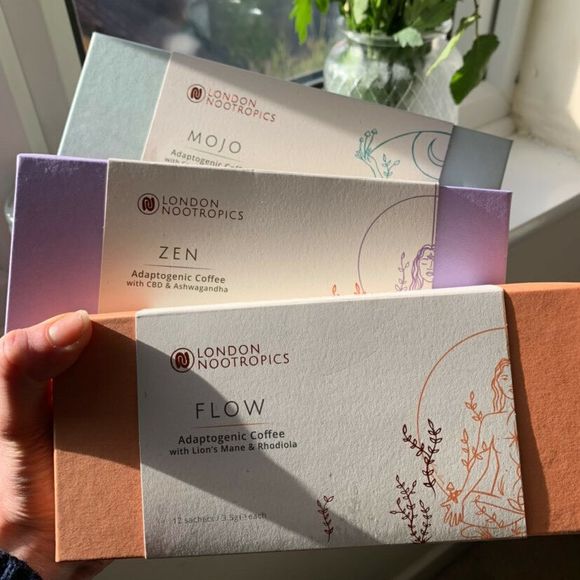
London Nootropics

London Nootropics offers premium adaptogenic coffee blends designed to help you stay balanced, focused, and energized.
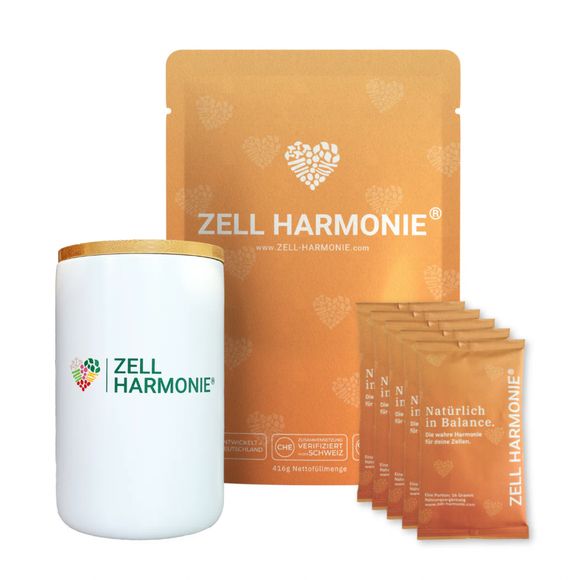
Zell Harmonie
Zell Harmonie® is a German-developed dietary supplement that combines 49 natural ingredients to promote cellular health and enhance overall well-being. It integrates traditional naturopathy with modern scientific insights, supporting areas such as stress resilience, hormonal balance, performance, and cell protection.

Gaia Herbs
Gaia Herbs is a respected herbal supplement company, rooted in regenerative organic farming and rigorous quality control, offering single‑herb formulas, adaptogens, and blends that support immune, stress, cognitive, and metabolic health.

Pique
Pique Life offers fast‑dissolving tea crystals, botanical supplements, and functional beverages designed to support radiant skin, calm energy, immune balance, and digestive resilience.

Kin Euphorics

Kin Euphorics offers a range of non-alcoholic beverages designed to enhance mood and provide a sense of euphoria.

Sunwink
Sunwink offers plant-powered wellness products, including herbal tonics and sparkling drinks made with superfoods and adaptogens.

Primal State
Primal State offers a range of biohacking products designed to enhance energy, focus, relaxation, and sleep. Their products include nootropics, adaptogens, and supplements aimed at improving overall health and vitality.

Blue Farm
Blue Farm, founded in 2020, specializes in sustainable oat-based drink powders, offering a convenient and eco-friendly alternative to traditional plant-based milks. Their products, including Pure Oat Base and Barista Oat Base, allow consumers to create fresh oat drinks by simply mixing the powder with water, reducing packaging waste and transportation emissions.

Space Goods
Spacegoods is a wellness brand specializing in functional mushroom and adaptogen blends, such as their flagship product, Rainbow Dust, designed to enhance focus, energy, and calm without the jitters associated with traditional stimulants.
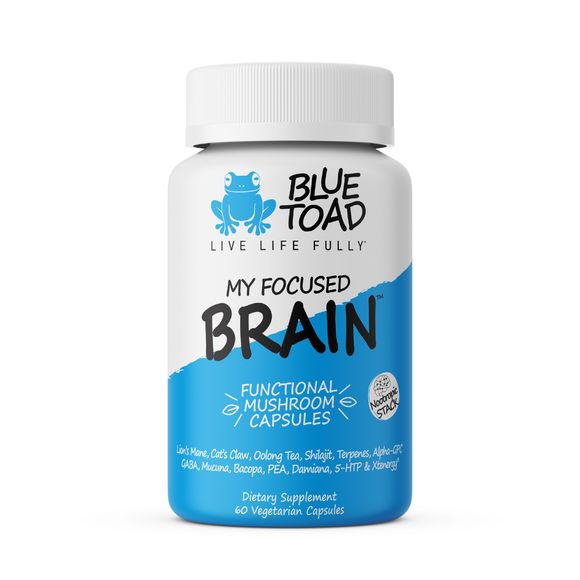
Blue Toad Botanicals
Blue Toad Botanicals is a premium lifestyle brand offering targeted therapeutic functional mushrooms, Amanita tinctures, and botanical products designed to enhance health and wellness.