Knowledge
Magazine
-

The 24-Hour Sleep Model: Why Better Sleep Starts the Morning Before
8 min read
-

Eating for Longevity: Lessons From the World's Oldest People
9 min read
-

The Summer Health Kit: Supplies and Gadgets for Hot Days and Warm Nights
9 min read
Weekly picks on longevity, brands, and health science. No spam—unsubscribe anytime.
Tools
- →The 30s Longevity Guide for Women
- →Postpartum Recovery Guide
- →Perimenopause Longevity Guide
- →Dopamine Reset Guide
- →Pregnancy Longevity Guide
- →Peptide Guide
- →Home Detox Guide
- →Slow Aging Guide
- →Pro Supplement Guide
- →Safe Supplement Guide
- →Bio Age Calculator
- →Blood Testing Guide
- →Deep Sleep Guide
- →Pro Longevity Dashboard
By Category
By Goal
Knowledge
- →What is Longevity?
- →Improve diet
- →More focus
- →Look younger
- →Lose weight
- →Track biomarkers
- →Improve sleep
- →Build muscle
- →Increase cardio
- →Detect diseases
- →Recover faster
- →Relieve stress
Magazine
-
The 24-Hour Sleep Model: Why Better Sleep Starts the Morning Before
8 min read
-
Eating for Longevity: Lessons From the World's Oldest People
9 min read
-
The Summer Health Kit: Supplies and Gadgets for Hot Days and Warm Nights
9 min read
Weekly picks on longevity, brands, and health science. No spam—unsubscribe anytime.
Brands
- →Apps
- →At Home Tests & Kits
- →Events
- →Experts & Clinics
- →Foods & Beverages
- →Gadgets & Equipment
- →Gyms & Workouts
- →Supplements
- →Travel & Retreats
- →Wearables & Trackers
Tools
- →The 30s Longevity Guide for Women
- →Postpartum Recovery Guide
- →Perimenopause Longevity Guide
- →Dopamine Reset Guide
- →Pregnancy Longevity Guide
- →Peptide Guide
- →Home Detox Guide
- →Slow Aging Guide
- →Pro Supplement Guide
- →Safe Supplement Guide
- →Bio Age Calculator
- →Blood Testing Guide
- →Deep Sleep Guide
- →Pro Longevity Dashboard

Discover
Connect
Longevity Knowledge BETA
Lion's Mane
Table of Contents
What lion's mane actually does in your brain
Lion's mane (Hericium erinaceus) is an edible mushroom with a shaggy white appearance that's been used in traditional Chinese and Japanese medicine for centuries. What makes it interesting for longevity science isn't folklore, though. It's the fact that two families of compounds in this mushroom, hericenones and erinacines, can stimulate production of nerve growth factor (NGF) in the brain [1]. NGF is a protein your neurons need to survive, grow, and form new connections. Without enough of it, nerve cells deteriorate, which is exactly what happens in aging brains and neurodegenerative conditions like Alzheimer's.
Erinacines are especially noteworthy because they're small enough to cross the blood-brain barrier, meaning they can reach the central nervous system after oral consumption [2]. This isn't true of most supplements marketed for brain health.
What the human studies show
The most-cited human trial is Mori et al. (2009): 30 older adults with mild cognitive impairment took 3 grams of lion's mane daily for 16 weeks. Cognitive test scores improved significantly compared to placebo. But here's the catch: the benefits disappeared within four weeks of stopping supplementation [3]. That tells us lion's mane doesn't permanently rewire your brain. It needs to be taken continuously to maintain effects.
A 2023 pilot study at Northumbria University tested 1.8 g daily in 41 healthy younger adults (ages 18-45). Participants reacted faster on cognitive tasks after a single dose, and showed a trend toward lower stress after 28 days of use [4]. A 2024 trial using erinacine A-enriched extract reported improved cognitive scores after 49 weeks in adults over 50 with early Alzheimer's symptoms [5].
That said, sample sizes across all human trials remain small (30-50 participants), and the 2025 systematic review by Frontiers in Nutrition notes that overall evidence is still mixed [6]. Lion's mane isn't a proven cognitive enhancer on the level of, say, regular aerobic exercise. But among mushroom-derived supplements, it has the strongest clinical data.
Beyond the brain: gut health and inflammation
Lion's mane isn't just a brain supplement. Animal and lab studies show it reduces inflammatory markers like TNF-alpha and IL-6, and may protect against ulcerative colitis by calming gut inflammation [7]. Its polysaccharides and beta-glucans act as prebiotics, feeding beneficial gut bacteria. Since gut health and brain health are connected through the gut-brain axis, these effects may contribute to the cognitive benefits researchers observe.
Early research also suggests immune-modulating properties. The beta-glucans in lion's mane activate macrophages and natural killer cells, your immune system's first responders. This is consistent with what we see from other medicinal mushrooms like reishi and turkey tail, though lion's mane research in immunology is less advanced.
Choosing and dosing lion's mane supplements
The fruiting body (the visible mushroom) and the mycelium (underground root network) contain different bioactive compounds. Fruiting bodies are richer in hericenones, while mycelium contains erinacines. Many cheap supplements use mycelium grown on grain, which means the final product is mostly grain starch with trace amounts of active compounds. Look for extracts that specify beta-glucan content (ideally above 25%) and state whether they use fruiting body, mycelium, or both.
Clinical trials have used doses between 1 and 3 grams daily, typically for 8 to 16 weeks before assessing results. Starting with 500 mg and increasing gradually is reasonable if you want to check for digestive tolerance first. Side effects are rare and mild, mostly limited to stomach discomfort. People with mushroom allergies should avoid it entirely, and those on blood-thinning or diabetes medications should consult a doctor, since lion's mane may affect blood clotting and blood sugar levels [6].
References
- 1. Neurotrophic properties of the Lion's mane medicinal mushroom, Hericium erinaceus (Higher Basidiomycetes) from Malaysia
- 2. Lion's Mane Mushroom (Hericium erinaceus): A Neuroprotective Fungus with Antioxidant, Anti-Inflammatory, and Antimicrobial Potential (2025 Narrative R...
- 3. Mori et al. (2009): Improving effects of Yamabushitake (Hericium erinaceus) on mild cognitive impairment: a double-blind placebo-controlled clinical t...
- 4. Docherty et al. (2023): The acute and chronic effects of Lion's Mane supplementation on cognitive function, stress and mood in young adults
- 5. Effect of erinacine A-enriched Hericium erinaceus supplementation on cognition: a randomized, double-blind, placebo-controlled pilot study (2024)
- 6. Benefits, side effects, and uses of Hericium erinaceus as a supplement: a systematic review (2025)
- 7. Hericium erinaceus extract exerts beneficial effects on gut health and inflammation (2024)
Take 1-3 grams daily for at least 8 weeks
Check beta-glucan content on the label
Expect gradual results, not an instant boost
Know when to skip lion's mane
Try cooking with fresh lion's mane too
Should I choose fruiting body or mycelium supplements?
Does lion's mane have side effects?
Can lion's mane help prevent Alzheimer's disease?
How long does it take for lion's mane to work?
What is the best dosage of lion's mane?
No discussions yet
Be the first to start a discussion about Lion's Mane.
Related Brands

Odyssey Elixir
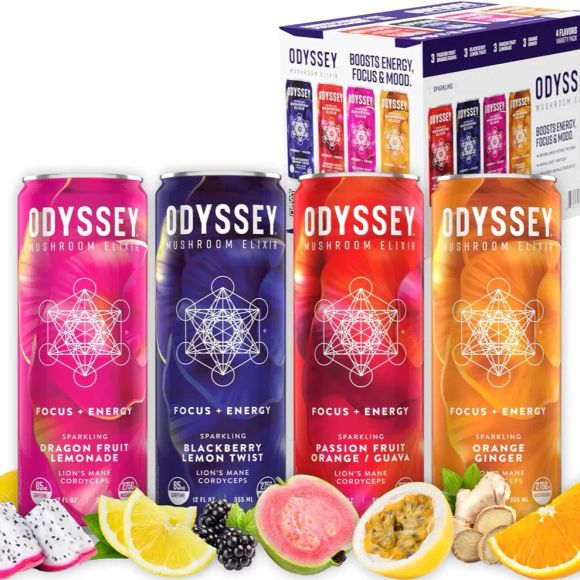
Odyssey Elixir offers a line of functional beverages infused with adaptogenic mushrooms like Lion's Mane and Cordyceps. These drinks are designed to boost focus, energy, and mood while providing holistic support for the body and mind.
Balance Coffee
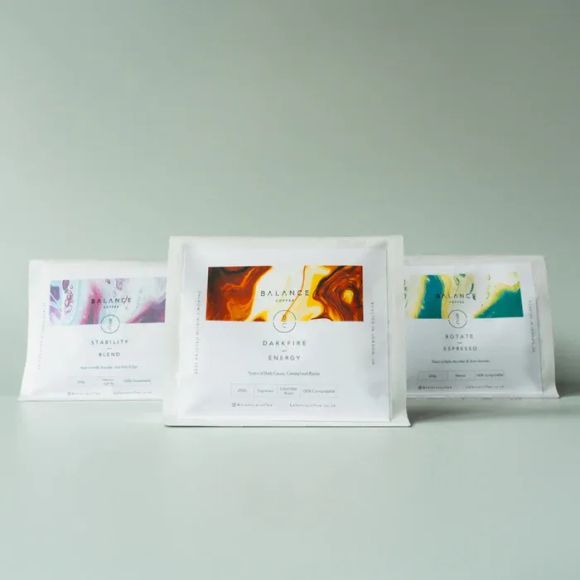
Balance Coffee is a UK-based specialty coffee roaster dedicated to providing health-conscious consumers with toxin-free, antioxidant-rich coffee, ensuring both exceptional taste and well-being.
Isagenix
Balance Coffee is a UK-based specialty coffee roaster dedicated to providing health-conscious consumers with toxin-free, antioxidant-rich coffee, ensuring both exceptional taste and well-being.
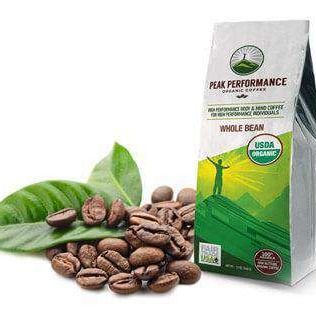
Peak Performance Coffee
Peak Performance Coffee offers high-altitude, single-origin, fair-trade organic coffee grown in the Guatemalan Highlands, free from pesticides and rich in antioxidants, designed to provide a clean and healthful energy boost