Knowledge
Magazine
-

The 24-Hour Sleep Model: Why Better Sleep Starts the Morning Before
8 min read
-

Eating for Longevity: Lessons From the World's Oldest People
9 min read
-

The Summer Health Kit: Supplies and Gadgets for Hot Days and Warm Nights
9 min read
Weekly picks on longevity, brands, and health science. No spam—unsubscribe anytime.
Tools
- →The 30s Longevity Guide for Women
- →Postpartum Recovery Guide
- →Perimenopause Longevity Guide
- →Dopamine Reset Guide
- →Pregnancy Longevity Guide
- →Peptide Guide
- →Home Detox Guide
- →Slow Aging Guide
- →Pro Supplement Guide
- →Safe Supplement Guide
- →Bio Age Calculator
- →Blood Testing Guide
- →Deep Sleep Guide
- →Pro Longevity Dashboard
By Category
By Goal
Knowledge
- →What is Longevity?
- →Improve diet
- →More focus
- →Look younger
- →Lose weight
- →Track biomarkers
- →Improve sleep
- →Build muscle
- →Increase cardio
- →Detect diseases
- →Recover faster
- →Relieve stress
Magazine
-
The 24-Hour Sleep Model: Why Better Sleep Starts the Morning Before
8 min read
-
Eating for Longevity: Lessons From the World's Oldest People
9 min read
-
The Summer Health Kit: Supplies and Gadgets for Hot Days and Warm Nights
9 min read
Weekly picks on longevity, brands, and health science. No spam—unsubscribe anytime.
Brands
- →Apps
- →At Home Tests & Kits
- →Events
- →Experts & Clinics
- →Foods & Beverages
- →Gadgets & Equipment
- →Gyms & Workouts
- →Supplements
- →Travel & Retreats
- →Wearables & Trackers
Tools
- →The 30s Longevity Guide for Women
- →Postpartum Recovery Guide
- →Perimenopause Longevity Guide
- →Dopamine Reset Guide
- →Pregnancy Longevity Guide
- →Peptide Guide
- →Home Detox Guide
- →Slow Aging Guide
- →Pro Supplement Guide
- →Safe Supplement Guide
- →Bio Age Calculator
- →Blood Testing Guide
- →Deep Sleep Guide
- →Pro Longevity Dashboard

Discover
Connect
Longevity Knowledge BETA
Air Purifier
Table of Contents
Why air purifiers matter for longevity
Indoor air is often 2 to 5 times more polluted than outdoor air, according to the EPA. Most people spend roughly 90% of their time indoors, which means the air inside your home, office, and bedroom is the air your body actually processes for most of your life. That exposure adds up. PM2.5, the fine particulate matter small enough to cross from your lungs into your bloodstream, is now linked to accelerated biological aging, shorter telomere length, and higher all-cause mortality [1]. A 2025 review in Antioxidants argued that environmental health, including indoor air quality, is systematically overlooked in longevity research despite strong mechanistic evidence connecting pollution exposure to oxidative stress, mitochondrial damage, and epigenetic aging [2].
Air purifiers won't fix outdoor pollution, but they can cut your total exposure significantly. And because chronic low-level PM2.5 exposure drives the kind of systemic inflammation that accelerates aging, reducing it at home is one of the more practical environmental interventions available.
What the clinical evidence shows
A systematic review and meta-analysis of 14 randomized controlled trials (over 700 participants across four countries) found that indoor air purification reduced PM2.5 levels by an average of 56% and lowered systolic blood pressure by approximately 2.5 mmHg [3]. That blood pressure reduction is clinically meaningful. For context, a sustained 2 mmHg drop in population-level systolic blood pressure is estimated to prevent tens of thousands of cardiovascular events per year.
The same body of research showed improvements in biomarkers of inflammation, coagulation, and vascular function. One crossover trial near urban highways found that HEPA filtration reduced monocyte chemoattractant protein-1 by 17.5%, interleukin-1 beta by 68.1%, and soluble CD40 ligand by 64.9% [4]. These aren't abstract numbers. They reflect measurable reductions in the inflammatory pathways that drive atherosclerosis, insulin resistance, and neurodegeneration.
A 2024 double-blinded trial in Hong Kong followed 47 elderly participants for a full year. True air purification reduced household PM2.5 by 28% and was associated with significantly lower diastolic blood pressure compared to sham devices [5].
Air purifiers and sleep quality
Bedroom air quality directly affects sleep. A 2023 randomized crossover trial in healthy adults found that HEPA filtration in bedrooms reduced PM2.5 by 45% and increased total sleep time by an average of 12 minutes per night [6]. Twelve minutes doesn't sound like much, but compounded over months and years, it adds up. A separate 2024 trial in asthma patients reported improved perception of sleep quality, with participants falling asleep faster and waking less often during the night [7]. Given that sleep is one of the strongest predictors of biological aging pace, cleaner bedroom air has an outsized return.
How to choose an air purifier
Filtration technology
True HEPA H13 filters capture 99.97% of particles at 0.3 micrometers, including dust, pollen, mold spores, bacteria, and PM2.5. This is the gold standard. Activated carbon filters adsorb volatile organic compounds (VOCs), formaldehyde, and chemical off-gassing from furniture and cleaning products. The best devices combine both stages. Avoid ionizer-only devices: they charge particles to settle on surfaces rather than actually removing them, and many produce ozone as a byproduct, which is itself a respiratory irritant [8].
Sizing and placement
Match the Clean Air Delivery Rate (CADR) to your room size. A general rule: the CADR should be at least two-thirds of the room's square footage for adequate air changes per hour (ACH). For a bedroom, aim for 3 to 5 ACH. Place the purifier where airflow isn't blocked by furniture, ideally near the breathing zone during sleep.
Maintenance
Replace HEPA filters every 6 to 12 months depending on use and air quality. Replace activated carbon filters every 3 to 6 months. Dirty filters don't just lose effectiveness; they can become a breeding ground for mold and bacteria, making air quality worse rather than better. Some models have filter replacement indicators, but tracking replacement dates yourself is more reliable.
References
- 1. Air pollution and telomere length: a systematic review of 12,058 subjects (Mukherjee et al., Environment International 2018)
- 2. Environmental Health Is Overlooked in Longevity Research (Antioxidants 2025)
- 3. Effectiveness of indoor air purification intervention in improving cardiovascular health: A systematic review and meta-analysis of randomized controll...
- 4. Cardiopulmonary Benefits of Reducing Indoor Particles of Outdoor Origin: A Randomized, Double-Blind Crossover Trial of Air Purifiers (JACC 2015)
- 5. Effects of long-term indoor air purification intervention on cardiovascular health in elderly: a parallel, double-blinded randomized controlled trial...
- 6. Can air purification improve sleep quality? A 2-week randomised-controlled crossover pilot study in healthy adults (Journal of Sleep Research 2023)
- 7. Effects of air purifiers on rhinitis quality of life and perception of sleep quality in people with asthma: Randomised controlled trial (Clinical & Ex...
- 8. What are ionizers and other ozone generating air cleaners? (US EPA)
Prioritize your bedroom
Choose true HEPA H13, not "HEPA-like"
Match CADR to room size
Avoid ionizer-only devices
Replace filters on schedule
Combine with activated carbon for VOCs
Do air purifiers actually improve health outcomes?
What is the difference between HEPA and ionizer air purifiers?
Can air purifiers help with sleep?
How does indoor air pollution accelerate aging?
How often should air purifier filters be replaced?

#095 What Microplastics Are Doing to Your Brain, Body, and Reproductive Systems


Related Brands
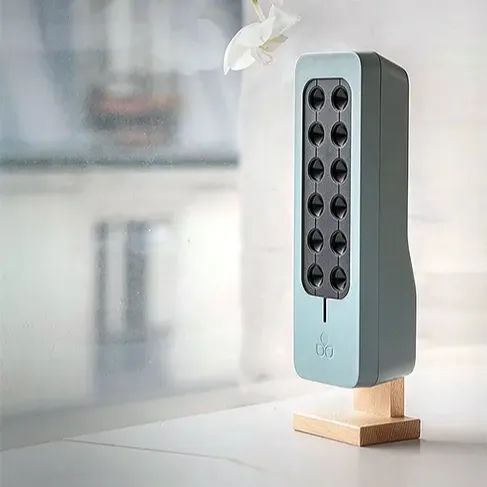
Teqoya

TEQOYA is a French company specializing in eco-friendly air purifiers that utilize ozone-free ionization technology to eliminate up to 99% of airborne pollutants, including ultrafine particles and germs. Their silent, filterless devices are designed for various environments, from vehicles to large living spaces, ensuring continuous, maintenance-free air purification.
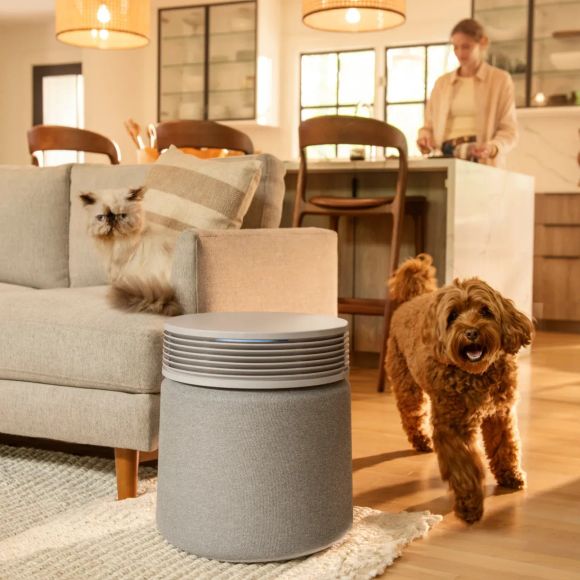
Blueair

Experience cleaner, healthier indoor air with Blueair’s advanced purification systems. By efficiently removing airborne pollutants, allergens, and more, Blueair helps you breathe easier and supports your journey toward enhanced well-being and longevity.
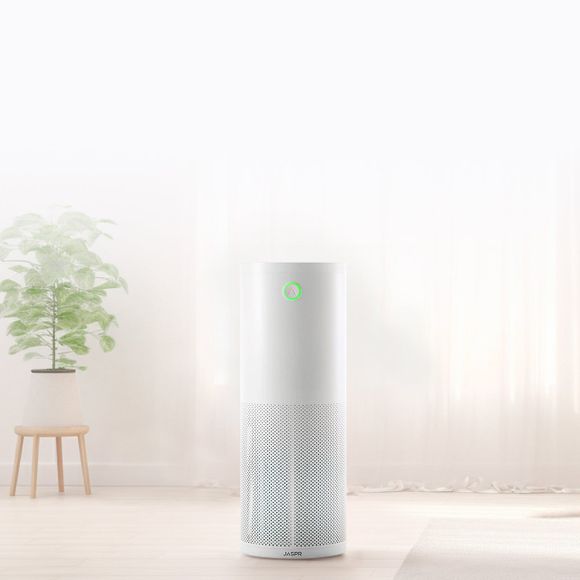
Jaspr
Jaspr offers high-performance air purifiers designed to remove indoor pollutants, allergens, and harmful particles, providing clean and safe air for homes and businesses. Their products are equipped with advanced filtration systems, including air scrubber technology, to combat toxic smoke, mold, bacteria, and viruses.
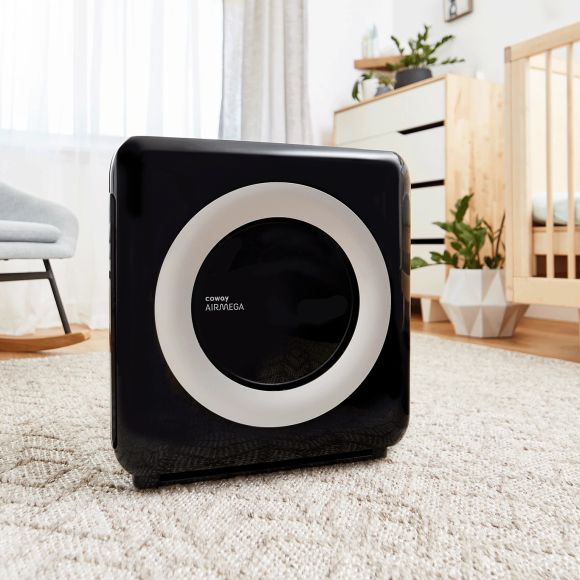
Coway
Elevate your pursuit of a long, healthy life with Coway advanced air and water purification solutions. By filtering out hidden pollutants, allergens, and unwanted chemicals, Coway helps cultivate an indoor environment that aligns perfectly with your wellness and longevity goals.