Knowledge
Magazine
-

The 24-Hour Sleep Model: Why Better Sleep Starts the Morning Before
8 min read
-

Eating for Longevity: Lessons From the World's Oldest People
9 min read
-

The Summer Health Kit: Supplies and Gadgets for Hot Days and Warm Nights
9 min read
Weekly picks on longevity, brands, and health science. No spam—unsubscribe anytime.
Tools
- →The 30s Longevity Guide for Women
- →Postpartum Recovery Guide
- →Perimenopause Longevity Guide
- →Dopamine Reset Guide
- →Pregnancy Longevity Guide
- →Peptide Guide
- →Home Detox Guide
- →Slow Aging Guide
- →Pro Supplement Guide
- →Safe Supplement Guide
- →Bio Age Calculator
- →Blood Testing Guide
- →Deep Sleep Guide
- →Pro Longevity Dashboard
By Category
By Goal
Knowledge
- →What is Longevity?
- →Improve diet
- →More focus
- →Look younger
- →Lose weight
- →Track biomarkers
- →Improve sleep
- →Build muscle
- →Increase cardio
- →Detect diseases
- →Recover faster
- →Relieve stress
Magazine
-
The 24-Hour Sleep Model: Why Better Sleep Starts the Morning Before
8 min read
-
Eating for Longevity: Lessons From the World's Oldest People
9 min read
-
The Summer Health Kit: Supplies and Gadgets for Hot Days and Warm Nights
9 min read
Weekly picks on longevity, brands, and health science. No spam—unsubscribe anytime.
Brands
- →Apps
- →At Home Tests & Kits
- →Events
- →Experts & Clinics
- →Foods & Beverages
- →Gadgets & Equipment
- →Gyms & Workouts
- →Supplements
- →Travel & Retreats
- →Wearables & Trackers
Tools
- →The 30s Longevity Guide for Women
- →Postpartum Recovery Guide
- →Perimenopause Longevity Guide
- →Dopamine Reset Guide
- →Pregnancy Longevity Guide
- →Peptide Guide
- →Home Detox Guide
- →Slow Aging Guide
- →Pro Supplement Guide
- →Safe Supplement Guide
- →Bio Age Calculator
- →Blood Testing Guide
- →Deep Sleep Guide
- →Pro Longevity Dashboard

Discover
Connect
Longevity Knowledge BETA
Alcohol
Table of Contents
How alcohol accelerates biological aging
Alcohol doesn't just damage the liver. It accelerates aging at the cellular level through multiple, well-documented pathways. A 2022 Mendelian randomization study from Oxford found that alcohol directly shortens telomeres, the protective caps on chromosomes that determine how fast cells age [1]. Drinking more than 29 units per week was associated with one to two years of additional biological aging compared to light drinkers. People with alcohol use disorder showed epigenetic age acceleration of over two years on next-generation aging clocks [2].
The mechanism is straightforward: when your liver breaks down ethanol, it uses NAD+ as a cofactor. This depletes cellular NAD+ levels and shifts the NADH/NAD+ ratio, directly impairing sirtuin activity. Sirtuins are the proteins responsible for DNA repair, mitochondrial function, and stress resistance. In short, every drink competes with your body's repair systems for the same fuel [3].
Alcohol and cancer: a classified carcinogen
The International Agency for Research on Cancer (IARC) classifies alcohol as a Group 1 carcinogen, the same category as tobacco and asbestos [4]. This isn't a marginal risk. Roughly 5.5% of all new cancer cases worldwide are attributable to alcohol. The dose-response relationship is linear for breast cancer and colorectal cancer, meaning there is no "safe" threshold below which risk disappears.
Acetaldehyde, the first breakdown product of ethanol, is the primary culprit. It damages DNA directly, increases oxidative stress, and raises estrogen levels (relevant for breast cancer risk). Even one drink per day measurably increases breast cancer risk by about 7-10% [5].
Sleep architecture and recovery
Alcohol is one of the most common sleep disruptors, and poor sleep accelerates aging. A 2024 systematic review confirmed that even low doses (around two standard drinks) suppress REM sleep and fragment sleep architecture [6]. REM sleep is when your brain consolidates memories, processes emotions, and clears metabolic waste. Losing it consistently compounds cognitive decline over time.
For anyone focused on physical performance or recovery, alcohol also suppresses muscle protein synthesis and impairs glycogen replenishment. Post-exercise recovery suffers measurably after even moderate drinking.
The "moderate drinking" myth
For decades, observational studies suggested that moderate drinkers lived longer than abstainers. This finding shaped public health messaging for a generation. It was also largely wrong. The apparent benefit came from a methodological flaw: many "non-drinkers" in older studies were former heavy drinkers who had quit due to health problems, dragging down the abstainer group's outcomes [7].
When researchers corrected for this using Mendelian randomization (a technique that removes confounding by using genetic variants as natural experiments), the protective effect vanished. A 2024 study published in Scientific Reports found no lifespan benefit from any level of alcohol consumption [8]. The WHO now states plainly: no level of alcohol consumption is safe for health.
Practical takeaways for longevity
If you currently drink, reducing intake is one of the highest-impact changes you can make for healthspan. The benefits of cutting back are measurable within weeks: improved sleep quality, lower resting heart rate, better HRV readings, and reduced inflammation markers. Complete abstinence isn't necessary for everyone, but the evidence supports keeping consumption as low as possible. If you don't drink, there is no longevity-based reason to start.
References
- 1. Alcohol consumption and telomere length: Mendelian randomization clarifies alcohol's effects
- 2. Alcohol and aging: Next-generation epigenetic clocks predict biological age acceleration in individuals with alcohol use disorder
- 3. NAD+ and sirtuins in aging and disease
- 4. The IARC Perspective on Alcohol Reduction or Cessation and Cancer Risk
- 5. Alcohol and Cancer Risk Fact Sheet (National Cancer Institute)
- 6. The effect of alcohol on subsequent sleep in healthy adults: A systematic review and meta-analysis
- 7. Why do only some cohort studies find health benefits from low-volume alcohol use? A systematic review and meta-analysis of study characteristics
- 8. Impact of Alcohol Consumption on Lifespan: a Mendelian randomization study in Europeans
Track your biological age after cutting back
Protect your deep sleep
Know your cancer risk honestly
Understand the NAD+ trade-off
Don't drink after training
How long does it take to reverse alcohol's aging effects?
Does alcohol cancel out the benefits of NMN or NAD+ supplements?
Is moderate drinking actually good for longevity?
Does alcohol make you age faster?
Is red wine better for health than other alcohol?

Raising a Dog & Mastering Calm Assertive Energy | Cesar Millan

UFC Legend Dustin Poirier: I Lost My Mind. I’ll Never Let It Happen Again.
Essentials: Tools for Hormone Optimization in Males | Dr. Kyle Gillett
The Mental Frame & Specific Daily Actions to Succeed | Andy Stumpf
Essentials: Sleep Toolkit for Optimizing Sleep & Sleep-Wake Timing
Male Roles, Obligations and Options for Building a Fulfilling Life | Scott Galloway
No discussions yet
Be the first to start a discussion about Alcohol.
Related Articles

Community Discussions
Related Brands

Jaja Life

Jala-Life is a Swiss-based wellness brand offering high-quality, plant-based liquid supplements designed for optimal absorption and effectiveness. Their products, including Ashwagandha, Curcuma, Coenzyme Q10, and various vitamin blends, are vegan, alcohol-free, and formulated without artificial additives, aiming to support holistic health and vitality.
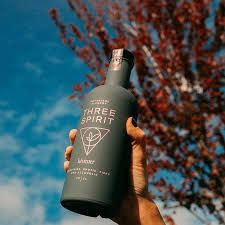
Three Spirit Drinks

Three Spirit Drinks offers a range of plant-based non-alcoholic beverages crafted to enhance mood and well-being.

Sentia Spirits
Sentia Spirits offers 0% ABV, alcohol-free botanical supplements designed to enhance mood and support social connections.
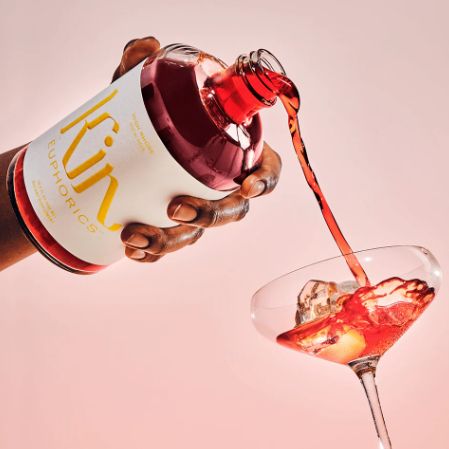
Kin Euphorics
Kin Euphorics offers a range of non-alcoholic beverages designed to enhance mood and provide a sense of euphoria.
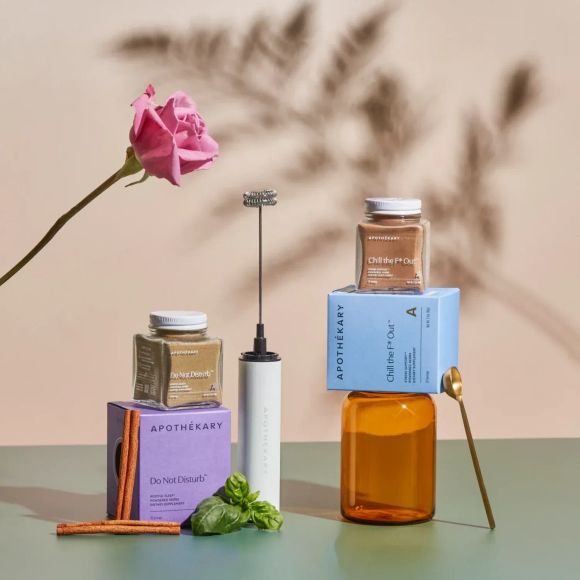
Apothékary
Apothékary offers natural herbal remedies designed to target the root causes of health imbalances.
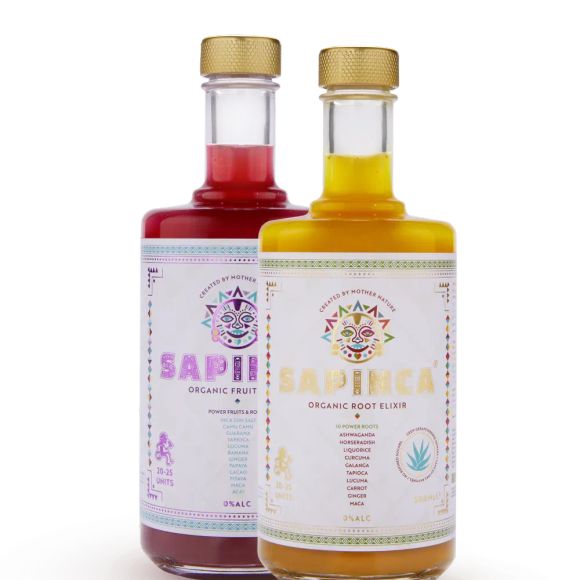
SAPINCA
SAPINCA offers organic and vegan elixirs made from forgotten roots and fruits from Latin America. These unique elixirs are known for their medicinal properties, powerful flavors, and vibrant colors, capturing the essence of nature in every bottle.
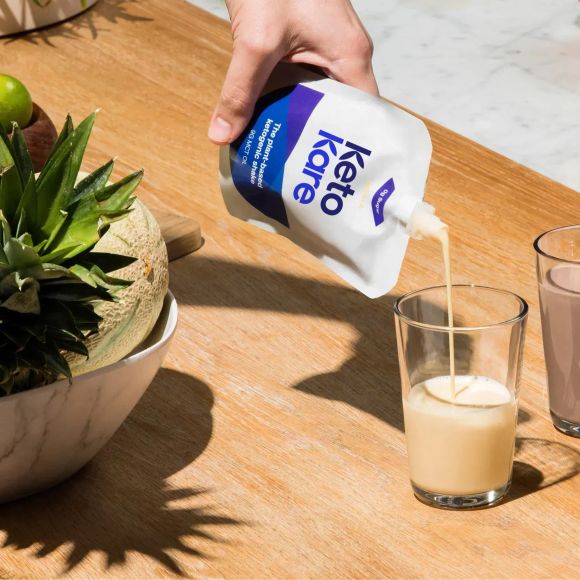
Keto Kare
Keto Kare offers a plant-based, ketogenic nutritional shake designed to support and maintain ketosis, featuring organic ingredients, zero sugar, and no artificial additives.
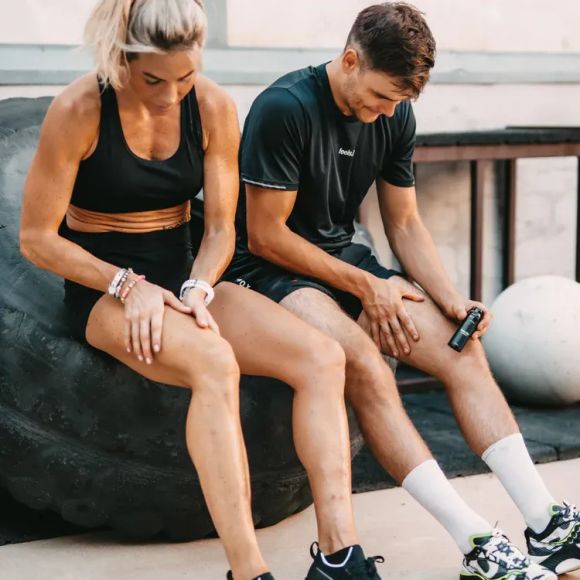
Feels Like
feels.like offers innovative NeuroComplexes designed to enhance athletic recovery and performance through natural ingredients and scientific formulations.