Knowledge
Magazine
-

The 24-Hour Sleep Model: Why Better Sleep Starts the Morning Before
8 min read
-

Eating for Longevity: Lessons From the World's Oldest People
9 min read
-

The Summer Health Kit: Supplies and Gadgets for Hot Days and Warm Nights
9 min read
Weekly picks on longevity, brands, and health science. No spam—unsubscribe anytime.
Tools
- →The 30s Longevity Guide for Women
- →Postpartum Recovery Guide
- →Perimenopause Longevity Guide
- →Dopamine Reset Guide
- →Pregnancy Longevity Guide
- →Peptide Guide
- →Home Detox Guide
- →Slow Aging Guide
- →Pro Supplement Guide
- →Safe Supplement Guide
- →Bio Age Calculator
- →Blood Testing Guide
- →Deep Sleep Guide
- →Pro Longevity Dashboard
By Category
By Goal
Knowledge
- →What is Longevity?
- →Improve diet
- →More focus
- →Look younger
- →Lose weight
- →Track biomarkers
- →Improve sleep
- →Build muscle
- →Increase cardio
- →Detect diseases
- →Recover faster
- →Relieve stress
Magazine
-
The 24-Hour Sleep Model: Why Better Sleep Starts the Morning Before
8 min read
-
Eating for Longevity: Lessons From the World's Oldest People
9 min read
-
The Summer Health Kit: Supplies and Gadgets for Hot Days and Warm Nights
9 min read
Weekly picks on longevity, brands, and health science. No spam—unsubscribe anytime.
Brands
- →Apps
- →At Home Tests & Kits
- →Events
- →Experts & Clinics
- →Foods & Beverages
- →Gadgets & Equipment
- →Gyms & Workouts
- →Supplements
- →Travel & Retreats
- →Wearables & Trackers
Tools
- →The 30s Longevity Guide for Women
- →Postpartum Recovery Guide
- →Perimenopause Longevity Guide
- →Dopamine Reset Guide
- →Pregnancy Longevity Guide
- →Peptide Guide
- →Home Detox Guide
- →Slow Aging Guide
- →Pro Supplement Guide
- →Safe Supplement Guide
- →Bio Age Calculator
- →Blood Testing Guide
- →Deep Sleep Guide
- →Pro Longevity Dashboard

Discover
Connect
Longevity Knowledge BETA
Allergy
Table of Contents
Why allergies matter for longevity
Allergies are the most common immunological disorders worldwide, and their prevalence keeps rising. About 30% of adults in industrialized countries now have at least one allergic condition [1]. What most people don't realize is that chronic allergic inflammation isn't just annoying. It drives a persistent low-grade inflammatory state that overlaps with "inflammaging," the age-related chronic inflammation linked to cardiovascular disease, neurodegeneration, and shortened healthspan [2].
Every allergic reaction triggers histamine, cytokines, leukotrienes, and prostaglandins. When these inflammatory signals fire repeatedly over years or decades, they place cumulative stress on tissues and organs beyond the obvious target. Poorly controlled allergic rhinitis, for instance, is associated with sleep disruption, fatigue, and reduced cognitive performance, all of which compound over time.
How the allergic immune response works
Allergies are IgE-mediated Type I hypersensitivity reactions. During an initial exposure, B cells produce immunoglobulin E (IgE) antibodies specific to an allergen (pollen, dust mites, certain foods, animal dander). These IgE molecules attach to mast cells and basophils throughout the body's tissues.
On re-exposure, the allergen cross-links IgE molecules on mast cells, triggering rapid degranulation. Within minutes, histamine floods the surrounding tissue, causing vasodilation, swelling, mucus production, and itching. A second wave of newly synthesized mediators (leukotrienes, prostaglandins, additional cytokines) arrives 4 to 12 hours later, prolonging the inflammatory response [1].
Allergies change as you age
The relationship between allergies and aging is more complex than most people assume. Immunosenescence, the gradual decline of immune function with age, alters allergic responses in both directions. Total IgE levels tend to decrease after age 50, which can reduce some allergic symptoms. But mast cells in older adults become less regulated, and the body's ability to resolve inflammation weakens [2]. This means older adults can develop new allergies, and existing ones may shift in character.
Research shows that elderly individuals who develop allergic conditions face greater health consequences, including higher rates of respiratory complications and slower recovery from anaphylaxis [3]. Maintaining a well-functioning immune system through evidence-based lifestyle strategies is relevant at every age.
What actually helps: evidence-based strategies
Managing allergies in a longevity context goes beyond popping antihistamines. Several approaches have research backing:
- Gut microbiome diversity: Around 70-80% of immune cells reside in gut-associated lymphoid tissue. Diverse gut bacteria produce short-chain fatty acids that support regulatory T cells and help maintain immune tolerance. Reduced microbial diversity in early life correlates with higher allergy rates, which is the core of the biodiversity hypothesis [4].
- Vitamin D sufficiency: Vitamin D deficiency is associated with a 2.3-fold increased risk of asthma and a 1.6-fold increased risk of allergic rhinitis. Maintaining adequate levels (above 30 ng/mL) supports proper immune regulation [5].
- Quercetin: This flavonoid stabilizes mast cells and inhibits histamine release. A randomized controlled trial found that 200 mg daily for 4 weeks reduced pollinosis symptoms compared to placebo, though human evidence is still limited [6].
- Allergen immunotherapy: The only treatment that addresses the root cause. Subcutaneous or sublingual immunotherapy gradually retrains the immune system to tolerate specific allergens, with long-term remission rates between 60-90% depending on the allergen.
Anti-inflammatory nutrition and lifestyle
A diet rich in omega-3 fatty acids, colorful vegetables, and fermented foods supports immune balance. Omega-3s reduce pro-inflammatory eicosanoid production and have shown some benefit in reducing allergic inflammation, particularly when started early in life [7]. Regular moderate exercise improves immune surveillance without the immune suppression caused by overtraining. Adequate sleep (7-9 hours) is non-negotiable: sleep deprivation increases inflammatory cytokine production and worsens allergic symptoms.
Air quality matters too. HEPA filtration in the bedroom reduces nighttime allergen exposure, and nasal saline irrigation can physically remove allergens from mucous membranes. These simple interventions reduce the overall inflammatory burden, which is what matters most from a longevity perspective.
References
- 1. Allergy and Aging: An Old/New Emerging Health Issue (Annals of Allergy, Asthma & Immunology 2017)
- 2. Immunosenescence and inflammaging in the aging process: age-related diseases or longevity? (Ageing Research Reviews 2021)
- 3. Allergic diseases in the elderly: biological characteristics and main immunological and non-immunological mechanisms (Clinical and Molecular Allergy 2...
- 4. Probiotics as a Possible Strategy for the Prevention and Treatment of Allergies: A Narrative Review (Nutrients 2021)
- 5. Vitamin D Supplementation and Allergic Rhinitis: A Systematic Review and Meta-Analysis (Nutrients 2025)
- 6. Quercetin with the potential effect on allergic diseases (Allergy, Asthma & Clinical Immunology 2020)
- 7. Omega-3 Fatty Acids and Inflammatory Processes (Nutrients 2010)
Check your vitamin D levels
Support gut microbiome diversity
Consider quercetin during allergy season
Use HEPA filtration in your bedroom
Ask about allergen immunotherapy
Can you develop new allergies as you get older?
Do allergies accelerate aging?
Can improving gut health reduce allergy symptoms?
What is the difference between a food allergy and a food intolerance?

Avoiding, Treating & Curing Cancer With the Immune System | Dr. Alex Marson

#107 Why You Can't Sleep (and How to Fix It) | Dr. Michael Grandner
Transform Your Metabolic Health & Longevity by Knowing Your Unique Biology | Dr. Michael Snyder
How Different Diets Impact Your Health | Dr. Christopher Gardner
#101 Dr. Andy Galpin: The Optimal Diet, Supplement, & Recovery Protocol for Peak Performance

Reforming medicine: uncovering blind spots, challenging the norm, and embracing innovation | Marty Makary, M.D., M.P.H.
No discussions yet
Be the first to start a discussion about Allergy.

Related Brands

Biocoach

BioCoach provides personalized nutrition solutions through an AI-driven platform, offering tailored meal plans and health tracking to simplify healthy eating and support individual health goals.
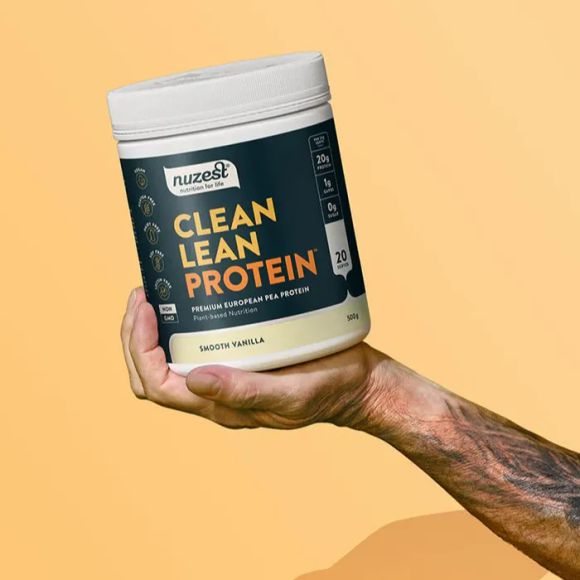
Nuzest

Nuzest offers plant-based, science-backed nutrition products designed to support overall health and wellness. Their range includes Clean Lean Protein, Good Green Vitality, and Kids Good Stuff, all formulated to provide bioavailable nutrients that are allergy-friendly, vegan, and free from gluten, dairy, and GMOs.
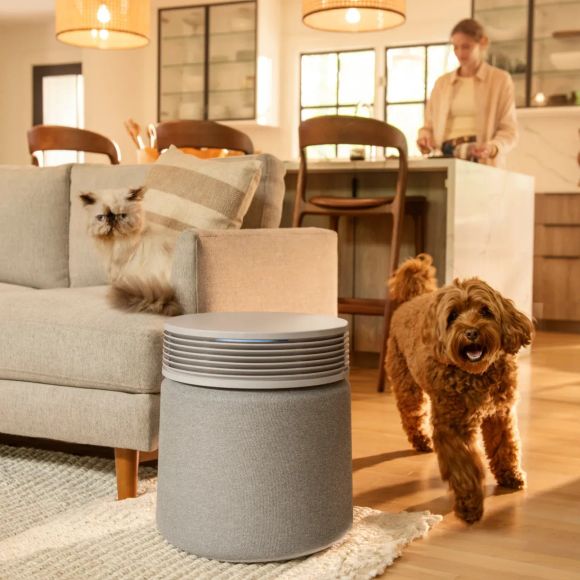
Blueair
Experience cleaner, healthier indoor air with Blueair’s advanced purification systems. By efficiently removing airborne pollutants, allergens, and more, Blueair helps you breathe easier and supports your journey toward enhanced well-being and longevity.

Homed-IQ
Homed-IQ offers a wide range of at-home health tests, including STI, general health, preventive health, sport, wellness, vitamin, mineral, and allergy tests.
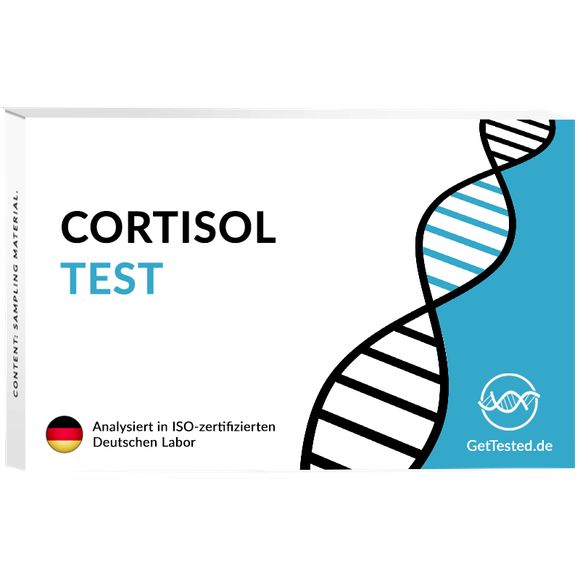
GetTested
GetTested provides a wide range of at-home health tests, including gut health, hormone tests, and allergy tests. Their easy-to-use kits allow users to take control of their health with fast and accurate results delivered directly to their doorstep.
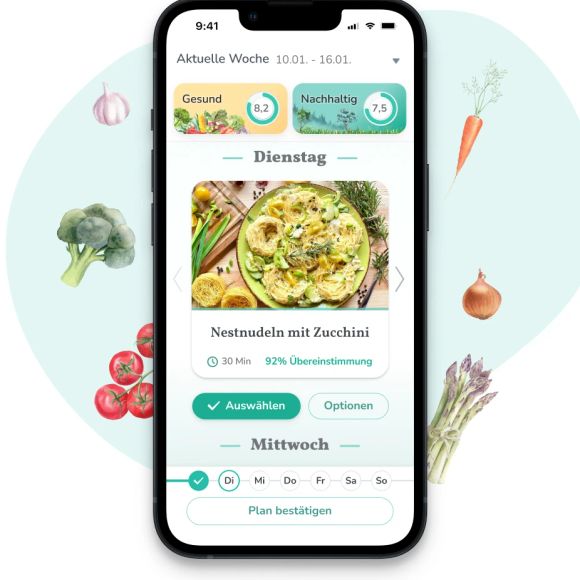
Choosy
Choosy is a meal planning app that helps users plan their weekly meals, generate shopping lists, and discover personalized recipes, making healthy eating easy and stress-free.
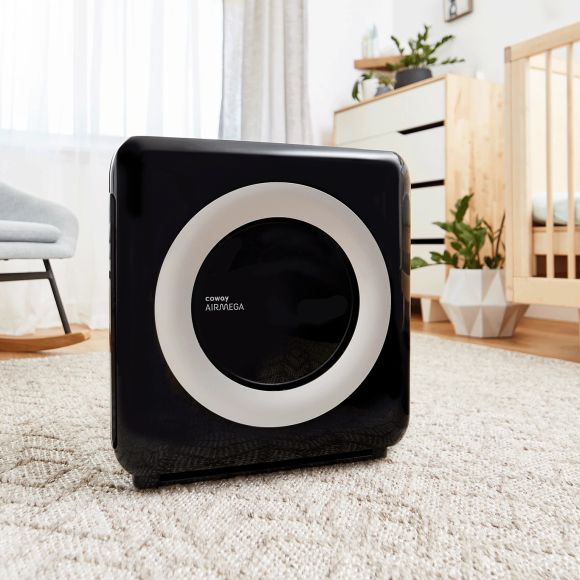
Coway
Elevate your pursuit of a long, healthy life with Coway advanced air and water purification solutions. By filtering out hidden pollutants, allergens, and unwanted chemicals, Coway helps cultivate an indoor environment that aligns perfectly with your wellness and longevity goals.
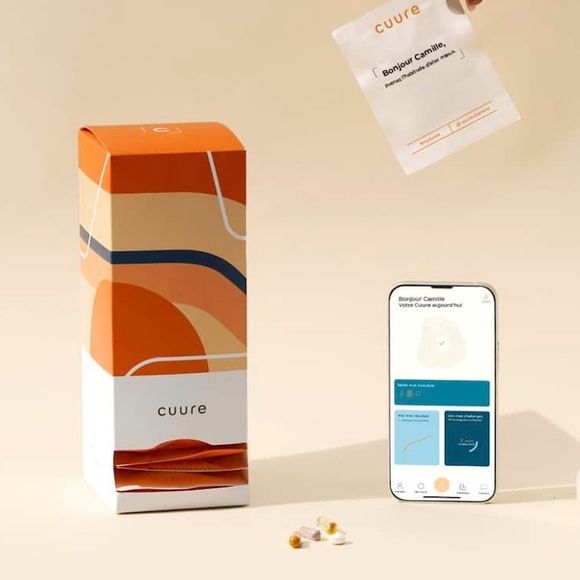
Cuure
Cuure is a science‑driven European wellness brand that delivers personalized supplement packs (2‑8 formulas) via subscription, tailored to your lifestyle, goals, and health profile.

Allergy Research Group
Allergy Research Group offers practitioner‑grade, hypoallergenic supplements made with clean, well‑tolerated ingredients—geared toward immune balance, metabolic health, and oxidative protection.