Knowledge
Magazine
-

The 24-Hour Sleep Model: Why Better Sleep Starts the Morning Before
8 min read
-

Eating for Longevity: Lessons From the World's Oldest People
9 min read
-

The Summer Health Kit: Supplies and Gadgets for Hot Days and Warm Nights
9 min read
Weekly picks on longevity, brands, and health science. No spam—unsubscribe anytime.
Tools
- →The 30s Longevity Guide for Women
- →Postpartum Recovery Guide
- →Perimenopause Longevity Guide
- →Dopamine Reset Guide
- →Pregnancy Longevity Guide
- →Peptide Guide
- →Home Detox Guide
- →Slow Aging Guide
- →Pro Supplement Guide
- →Safe Supplement Guide
- →Bio Age Calculator
- →Blood Testing Guide
- →Deep Sleep Guide
- →Pro Longevity Dashboard
By Category
By Goal
Knowledge
- →What is Longevity?
- →Improve diet
- →More focus
- →Look younger
- →Lose weight
- →Track biomarkers
- →Improve sleep
- →Build muscle
- →Increase cardio
- →Detect diseases
- →Recover faster
- →Relieve stress
Magazine
-
The 24-Hour Sleep Model: Why Better Sleep Starts the Morning Before
8 min read
-
Eating for Longevity: Lessons From the World's Oldest People
9 min read
-
The Summer Health Kit: Supplies and Gadgets for Hot Days and Warm Nights
9 min read
Weekly picks on longevity, brands, and health science. No spam—unsubscribe anytime.
Brands
- →Apps
- →At Home Tests & Kits
- →Events
- →Experts & Clinics
- →Foods & Beverages
- →Gadgets & Equipment
- →Gyms & Workouts
- →Supplements
- →Travel & Retreats
- →Wearables & Trackers
Tools
- →The 30s Longevity Guide for Women
- →Postpartum Recovery Guide
- →Perimenopause Longevity Guide
- →Dopamine Reset Guide
- →Pregnancy Longevity Guide
- →Peptide Guide
- →Home Detox Guide
- →Slow Aging Guide
- →Pro Supplement Guide
- →Safe Supplement Guide
- →Bio Age Calculator
- →Blood Testing Guide
- →Deep Sleep Guide
- →Pro Longevity Dashboard

Discover
Connect
Longevity Knowledge BETA
Biological Age
Table of Contents
What biological age actually measures
Your birthday tells you how long you've been alive. Your biological age tells you how well your body has held up during that time. Two 50-year-olds can have radically different cardiovascular fitness, immune function, and cellular health. Biological age quantifies these differences using molecular and physiological markers, giving you a number that reflects how your organs, tissues, and cells are actually performing. For anyone serious about longevity, it's the single most useful metric for tracking whether your interventions are working.
How biological age is measured
The gold standard today is DNA methylation testing, commonly called epigenetic clocks. These tests analyze chemical modifications on your DNA (methyl groups attached to cytosine bases at specific CpG sites) that change predictably with age and health status. Steve Horvath published the first widely used multi-tissue clock in 2013, examining 353 CpG sites. It was accurate at predicting chronological age, but that turned out to be less useful than predicting health outcomes.
Second-generation clocks shifted focus from age prediction to mortality prediction. GrimAge, developed by Horvath and Ake Lu, incorporates plasma protein surrogates and smoking pack-years into its algorithm. It's one of the strongest predictors of all-cause mortality and disease risk available today [1]. PhenoAge, developed by Morgan Levine, combines DNA methylation data with nine clinical blood biomarkers to estimate biological age from a standard blood draw.
Third-generation clocks go further still. DunedinPACE (Pace of Aging Calculated from the Epigenome) doesn't estimate a static biological age. Instead, it measures how fast you are aging right now, expressed as biological years per calendar year. A DunedinPACE of 0.85 means you're aging at 85% of the average rate. This "pace" approach has proven more sensitive to lifestyle interventions than static age estimates [2].
Beyond DNA methylation
Telomere length, the protective caps on chromosome ends, was one of the earliest biological age markers. Each cell division shortens telomeres, and critically short telomeres trigger cellular senescence. However, telomere measurements have high variability between tests and limited predictive power for individuals [3]. Glycan age, based on IgG glycosylation patterns, offers another independent aging biomarker that responds to lifestyle changes within weeks. Composite blood panels (like the Klemera-Doubal method) calculate biological age from routine lab values and don't require specialized testing at all.
Can you change your biological age?
Yes, and the evidence is getting stronger. The CALERIE trial, a randomized controlled study of 220 non-obese adults, showed that 25% caloric restriction for two years slowed DunedinPACE by 2-3%, corresponding to a 10-15% reduction in mortality risk [2]. That effect size is comparable to quitting smoking.
A 2023 study by Fitzgerald et al. showed that six women following an 8-week methylation-supportive program (targeted nutrition, exercise, sleep optimization, stress management, and probiotics) reduced their biological age by an average of 4.6 years [4]. An earlier randomized trial by the same group found a 3.23-year decrease in DNAmAge compared to controls over eight weeks [5]. A 2024 study on fasting-mimicking diets reported measurable biological age reduction alongside metabolic and immune rejuvenation [6].
Exercise on its own moves the needle. Sedentary adults who adopted a structured 8-week exercise program (three 60-minute sessions per week) reversed about two years of biological aging. Combining aerobic and resistance training consistently associates with younger epigenetic age across studies.
How to test your biological age
For the most informative results, consider these points:
- DNA methylation tests (from providers like TruDiagnostic, epiAge, or neotes) give you multiple clock algorithms and DunedinPACE from a single saliva or blood sample
- Test at least twice, once as baseline and once after 3-6 months of interventions, to measure your rate of change rather than relying on a single snapshot
- Avoid testing during acute illness, severe stress, or immediately after drastic dietary changes, as these temporarily distort methylation patterns
- Complement epigenetic testing with regular blood panels (CRP, HbA1c, fasting insulin, lipids) for a fuller picture of how you're aging
- No single test captures everything. Combining 2-3 methods (e.g., epigenetic clock plus blood biomarkers plus a glycan test) gives the most reliable overall assessment
References
- 1. Effect of long-term caloric restriction on DNA methylation measures of biological aging in healthy adults from the CALERIE trial
- 2. DunedinPACE, a DNA methylation biomarker of the pace of aging
- 3. Epigenetic clock: A promising biomarker and practical tool in aging
- 4. Potential reversal of biological age in women following an 8-week methylation-supportive diet and lifestyle program: a case series
- 5. Potential reversal of epigenetic age using a diet and lifestyle intervention: a pilot randomized clinical trial
- 6. Breaking new ground on human health and well-being with epigenetic clocks: A systematic review and meta-analysis of epigenetic age acceleration associ...
- 7. New insights into methods to measure biological age: a literature review (Frontiers in Aging, 2024)
- 8. Biological age measured by DNA methylation clocks and frailty: a systematic review and meta-analysis (The Lancet Healthy Longevity, 2025)
Start with DunedinPACE, not just a static clock
Support DNA methylation through targeted nutrition
Combine aerobic and resistance training
Test twice for meaningful data
Combine testing methods for the full picture
Genetic testing adds context
How accurate are biological age tests?
Can you actually reverse your biological age?
Which biological age test should I take?
How often should I test my biological age?
What is the difference between biological age and chronological age?
What is biological age vs. chronological age?
What can genetic testing tell me about my health?

#112 How To Slow Biological Aging With a Multivitamin, Vegetables, & Omega-3 | Dr. Steve Horvath

#386 - Aging clocks—what they measure, how they work, and their clinical and real-world relevance

David Sinclair: Can Aging Be Reversed? After 8 Weeks, Cells Appeared 75% Younger In Tests!

Transform Your Metabolic Health & Longevity by Knowing Your Unique Biology | Dr. Michael Snyder
Most Replayed Moment: This Longevity Protocol Actually Works! - Biohacker Bryan Johnson
How metabolic and immune system dysfunction drive the aging process, the role of NAD, promising interventions, aging clocks, and more | Eric Verdin, M.D.
No discussions yet
Be the first to start a discussion about Biological Age.
Related Articles

Annie Nosh: The Woman Quietly Dominating Longevity’s Leaderboard
9 min read
Bridging Science and Business: How Longevity Is Redefining Consumer Industries
7 min read
Founder interview: Dr. Michael Lustgarten, Founder and Scientist at Conquer Aging or Die Trying!
4 min read
Environmental toxins speed up aging?
2 min readCommunity Discussions
Related Brands
GlycanAge

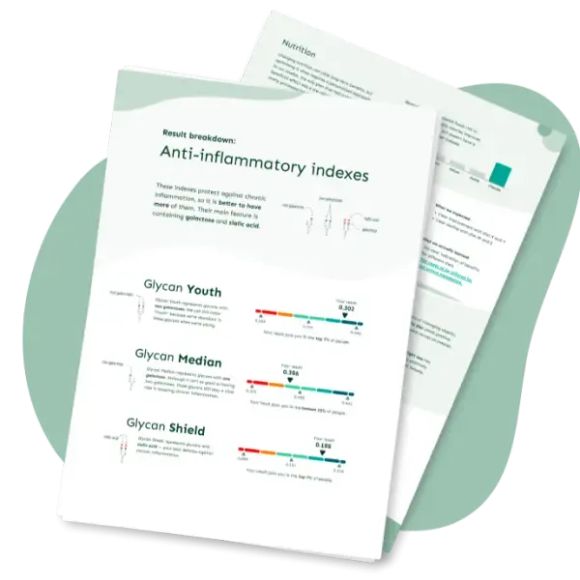
GlycanAge is a biological age test that helps individuals discover, measure, and optimize their biological age. By analyzing chronic inflammation, the test provides insights into how lifestyle choices affect aging. The company is based on over 30 years of scientific research, with over 200,000 tests performed. GlycanAge offers a simple at-home process, including a blood sample collection kit, lab analysis, and expert consultation to help users improve their health and longevity.

Epigee
Epigee offers at-home epigenetic testing to determine your biological age, providing personalized reports with recommendations to enhance health and longevity.
Rejuvant
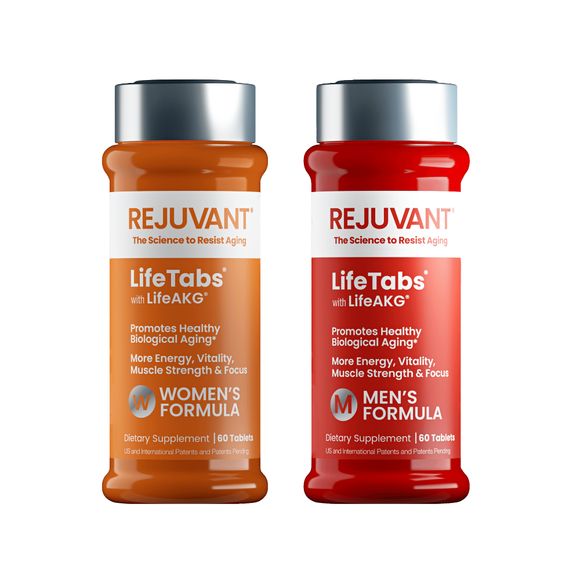
Rejuvant® is a science-backed anti-aging supplement featuring a proprietary sustained-release form of Calcium Alpha-Ketoglutarate (Ca-AKG), clinically shown to reduce biological age by an average of 8 years over 7 months.

Clinique la Prairie Holistic Health
Clinique La Prairie – Where Longevity Science Meets Swiss Medical Excellence Nestled in the Swiss Alps, Clinique La Prairie has pioneered the science of longevity since 1931. This isn't a spa retreat—it's a medical institution where cutting-edge preventative medicine, cellular rejuvenation, and evidence-based wellness converge to extend healthspan, not just lifespan. The Science of Revitalization: Clinique La Prairie's approach integrates advanced diagnostics, personalized medicine, and therapeutic protocols grounded in cellular biology and metabolic optimization. Their signature revitalization programs combine biomarker analysis, nutrient therapy, and regenerative treatments designed to address the root causes of aging at the molecular level. What Sets Them Apart: Founded on cellular therapy research, the clinic has evolved into a global leader in longevity medicine. Their medical team—comprised of specialists in endocrinology, nutrition, functional medicine, and preventative care—creates bespoke health optimization protocols based on comprehensive health assessments that go far beyond standard medical checkups.
NOVOS

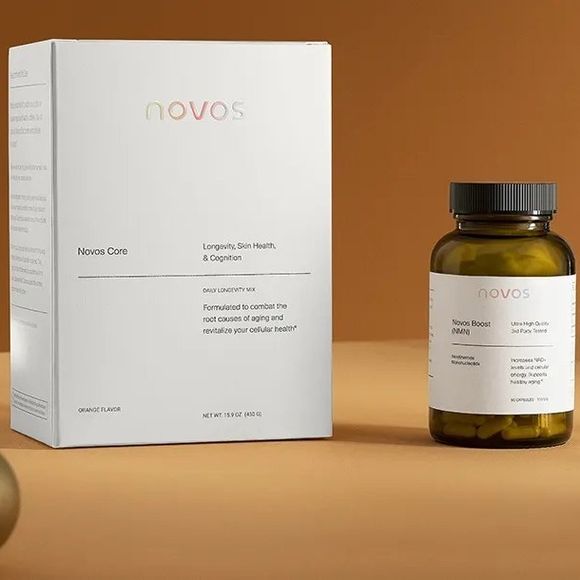
NOVOS offers science-backed supplements and resources designed to slow down the aging process and improve longevity, skin health, cognition, and energy.
myDNAge

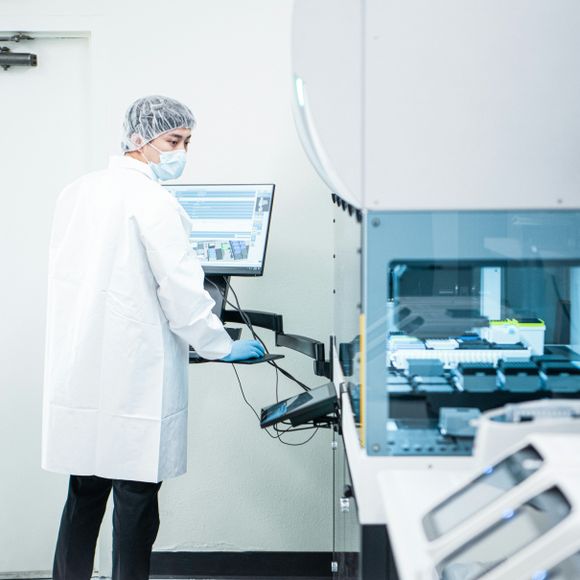
myDNAge offers the most accurate biological age test based on Dr. Steve Horvath’s epigenetic age clock. Their tests use advanced technology to provide insights into biological age and various health factors.

Human Upgrade
Human Upgrade provides data‑driven longevity and performance programs combining advanced diagnostics, biomarker analysis, and personalized coaching to optimize sleep, metabolism, microbiome, and overall wellness.
epiAge
epiAge offers an advanced epigenetic test that determines your biological age, helping you monitor and manage your longevity. This saliva-based test is designed to provide accurate and reliable insights into how well you are aging, allowing you to take proactive steps to improve your health.

Jinfiniti Precision Medicine
Jinfiniti Precision Medicine offers advanced biomarker testing and NAD optimization supplements designed to help individuals monitor and improve their health. Their products include intracellular NAD tests, AgingSOS biomarker panels, and biological age tests, all aimed at enhancing longevity and overall well-being.
Longevity Biomarkers
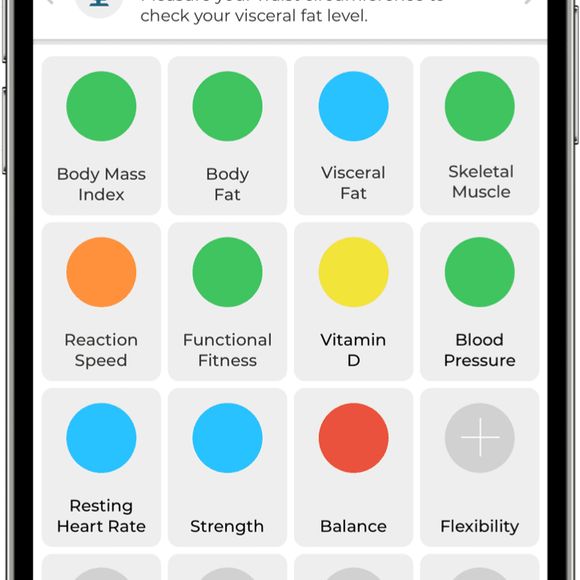
Longevity Biomarkers provides advanced testing services that measure biological age and other key health indicators. Their services are designed to help individuals understand their aging process and make informed decisions to optimize their health and longevity.