Knowledge
Magazine
-

Creatine for the Brain: Why the Standard 5g Dose May Not Be Enough
8 min read
-

The Female Longevity Gap: Why One-Size Protocols Break Down
9 min read
-

The Complete Guide to Testosterone Optimization — Part 2: Training and Sleep
9 min read
Weekly picks on longevity, brands, and health science. No spam—unsubscribe anytime.
Tools
- →The 30s Longevity Guide for Women
- →Postpartum Recovery Guide
- →Perimenopause Longevity Guide
- →Dopamine Reset Guide
- →Pregnancy Longevity Guide
- →Peptide Guide
- →Home Detox Guide
- →Slow Aging Guide
- →Pro Supplement Guide
- →Safe Supplement Guide
- →Bio Age Calculator
- →Blood Testing Guide
- →Deep Sleep Guide
- →Pro Longevity Dashboard
By Category
By Goal
Knowledge
- →What is Longevity?
- →Improve diet
- →More focus
- →Look younger
- →Lose weight
- →Track biomarkers
- →Improve sleep
- →Build muscle
- →Increase cardio
- →Detect diseases
- →Recover faster
- →Relieve stress
Magazine
-
Creatine for the Brain: Why the Standard 5g Dose May Not Be Enough
8 min read
-
The Female Longevity Gap: Why One-Size Protocols Break Down
9 min read
-
The Complete Guide to Testosterone Optimization — Part 2: Training and Sleep
9 min read
Weekly picks on longevity, brands, and health science. No spam—unsubscribe anytime.
Brands
- →Apps
- →At Home Tests & Kits
- →Events
- →Experts & Clinics
- →Foods & Beverages
- →Gadgets & Equipment
- →Gyms & Workouts
- →Supplements
- →Travel & Retreats
- →Wearables & Trackers
Tools
- →The 30s Longevity Guide for Women
- →Postpartum Recovery Guide
- →Perimenopause Longevity Guide
- →Dopamine Reset Guide
- →Pregnancy Longevity Guide
- →Peptide Guide
- →Home Detox Guide
- →Slow Aging Guide
- →Pro Supplement Guide
- →Safe Supplement Guide
- →Bio Age Calculator
- →Blood Testing Guide
- →Deep Sleep Guide
- →Pro Longevity Dashboard

Discover
Connect
Longevity Knowledge BETA
Diabetes
Table of Contents
Understanding diabetes and blood sugar
Diabetes mellitus is a metabolic disorder characterized by elevated blood glucose levels. Type 1 diabetes is an autoimmune condition where the body attacks insulin-producing cells. Type 2 diabetes, representing 90% of cases, develops when the body becomes resistant to insulin and cannot maintain normal blood sugar levels [2]. Both types require careful management to prevent serious complications.
Type 2 diabetes prevention
Type 2 diabetes is largely preventable through lifestyle modifications. The Diabetes Prevention Program showed that losing 5-7% of body weight and engaging in 150 minutes of moderate exercise weekly reduced diabetes risk by 58% [1]. Prevention strategies include maintaining a healthy weight, eating a diet rich in fiber and whole foods, limiting processed sugars and refined carbohydrates, and staying physically active [4]. Regular screening is important for early detection and intervention.
Insulin sensitivity explained
Insulin sensitivity refers to how responsive your cells are to insulin. When sensitivity is high, cells efficiently absorb glucose from the blood using minimal insulin. When sensitivity drops (insulin resistance), the pancreas must produce more insulin to achieve the same effect. Over time, the pancreas cannot keep up, leading to elevated blood sugar and type 2 diabetes. Improving insulin sensitivity through diet, exercise, and weight management can prevent or even reverse prediabetes.
Blood sugar management strategies
Effective blood sugar control involves multiple approaches: Monitor carbohydrate intake and choose low-glycemic options that release glucose slowly. Combine carbohydrates with protein and healthy fats to slow absorption. Regular physical activity helps muscles absorb glucose without insulin. Adequate sleep and stress management prevent cortisol spikes that raise blood sugar. For those with diabetes, medication and insulin therapy may be necessary alongside lifestyle measures.
Long-term complications and prevention
Uncontrolled diabetes damages blood vessels and nerves throughout the body, leading to cardiovascular disease, kidney failure, blindness, and nerve damage. However, tight blood sugar control significantly reduces these risks. The Diabetes Control and Complications Trial showed that intensive management reduced eye, kidney, and nerve complications by 35-76% [3]. Prevention of complications requires consistent monitoring, medication adherence, and lifestyle management.
References
Walk after meals
Build balanced plates
Add resistance training
Prioritize sleep quality
Monitor and know your numbers
How does exercise help with blood sugar control?
What foods should people with diabetes avoid?
Can type 2 diabetes be reversed?
What is prediabetes and how is it diagnosed?

Fatty Liver Expert: Your Liver Is Filling With Fat Right Now - Dr David Unwin
Most Replayed Moment: Insulin Is The Reason You're Gaining Fat! How To Lower It Now
Anti-Aging Expert: Stop Touching Receipts Immediately! The Fast Way To Shrink Visceral Fat

The Best Vitality & Health Protocols | Dr. Rhonda Patrick
Pregnancy Diet Expert: The Pregnancy Diet That Rewrites DNA! Why Pregnant Moms Are Being Lied To!

#109 How To Boost NAD Levels To Fight Inflammation, Improve Recovery, and Slow Aging | Dr. Charles Brenner
No discussions yet
Be the first to start a discussion about Diabetes.
Related Articles

Community Discussions
Related Brands
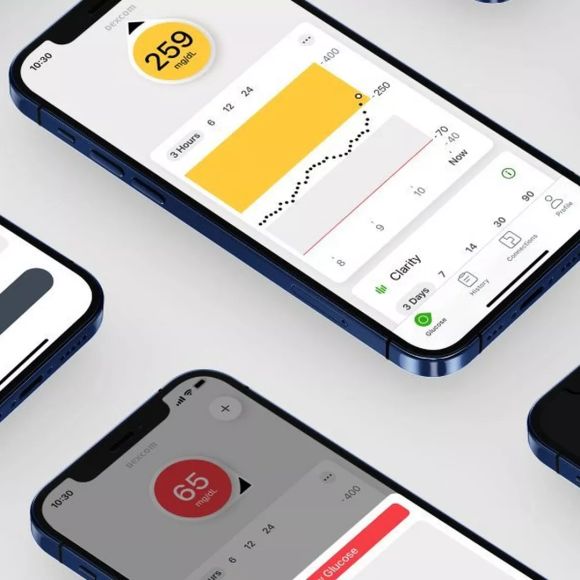
Dexcom

Dexcom is a leader in continuous glucose monitoring (CGM) technology, offering innovative solutions like the Dexcom G7 and the over-the-counter Stelo Glucose Biosensor to help individuals manage their glucose levels effectively.
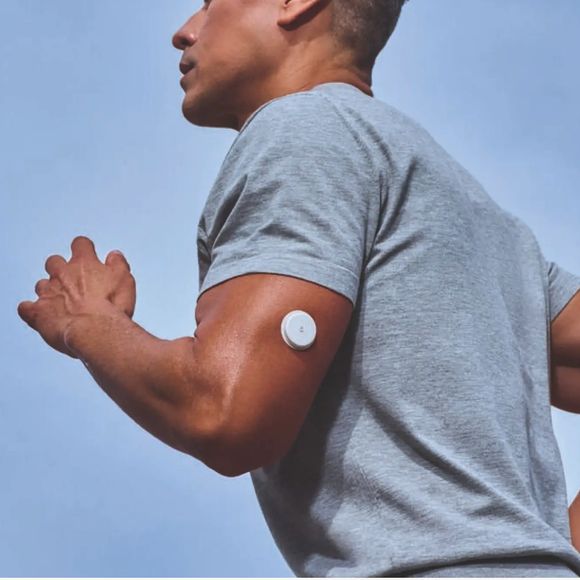
Lingo

Hello Lingo (by Abbott) is a science-backed metabolic health system featuring a wearable continuous glucose monitor and companion app that tracks your glucose responses 24/7—empowering personalized insights into diet, exercise, stress, and habits.
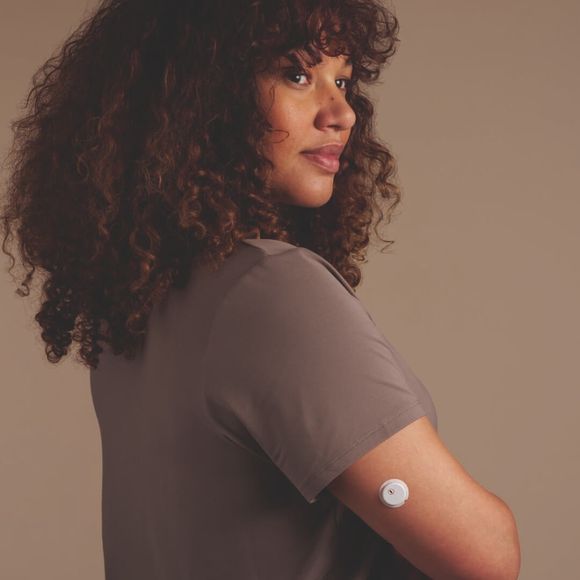
FreeStyle Libre
FreeStyle Libre offers innovative glucose monitoring systems that provide real-time glucose readings without the need for routine finger pricks. Their products help people with diabetes manage their glucose levels effectively and conveniently.
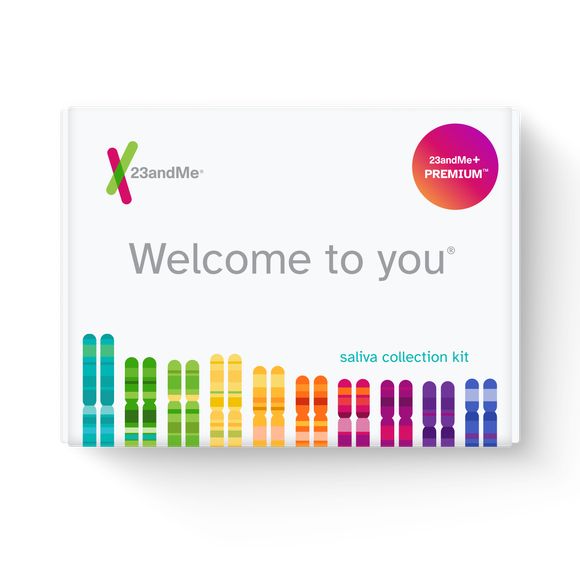
23andMe

23andMe offers DNA genetic testing for health, ancestry, and more. Their services provide comprehensive insights into your ancestry and health through genetic data, helping you understand your genetic makeup and how it impacts your health.
Nutrisense
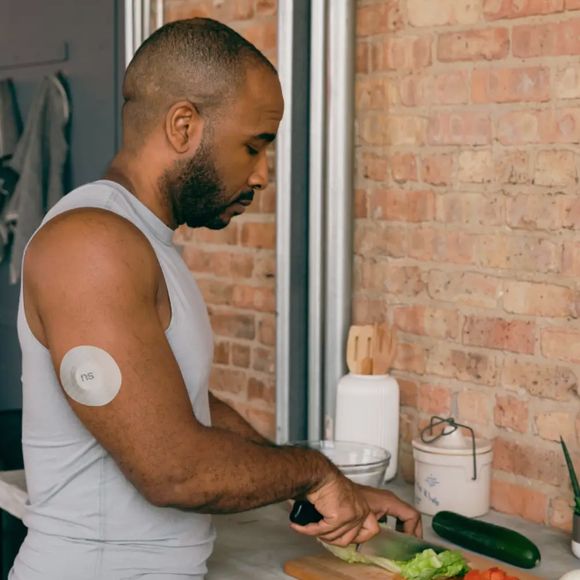
Nutrisense offers Continuous Glucose Monitoring (CGM) systems combined with personalized nutritionist support, designed to help users gain insights into their unique metabolic responses. Their platform provides real-time data and expert guidance to optimize health and manage conditions such as diabetes and weight loss.
Orange Biomed
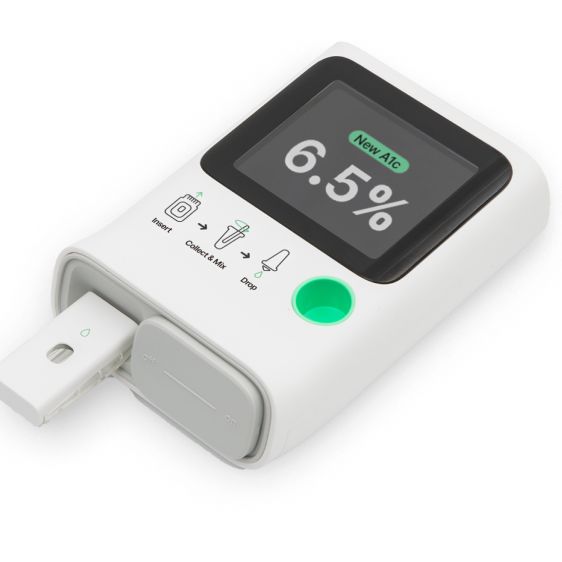
Orange Biomed specializes in innovative diabetes management solutions, including the OBM rapid A1c at-home test system, designed to provide accurate A1c results in just 5 minutes, enabling better diabetes monitoring and management.
Yuwell
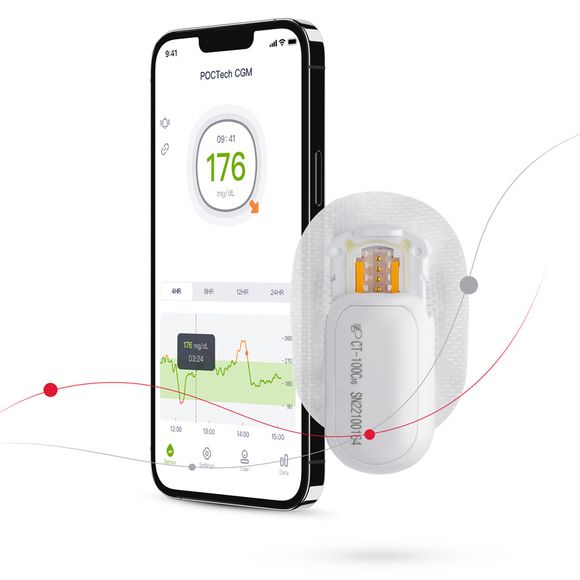
Yuwell is a leading healthcare brand specializing in innovative medical devices, including the MyGuard CT-14 continuous glucose monitoring system, which allows users to monitor their glucose levels in real-time, enhancing safety and convenience for diabetes management.
GEK Lab
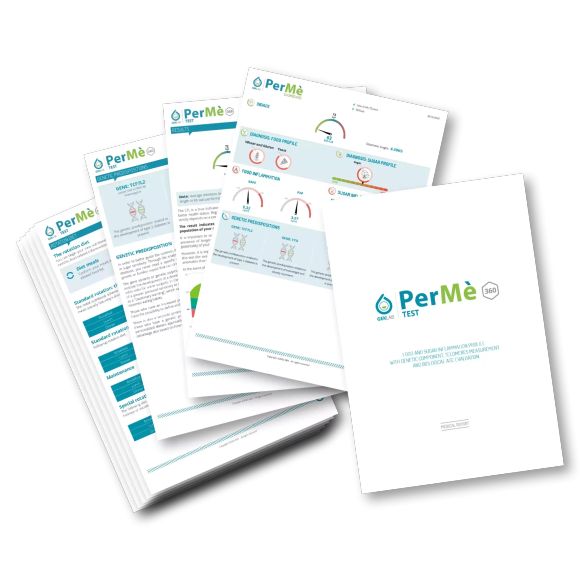
GEK Lab specializes in innovative diagnostic tests that assess inflammation and glycation levels, providing personalized nutritional guidance to enhance overall health and performance.