Knowledge
Magazine
-

The 24-Hour Sleep Model: Why Better Sleep Starts the Morning Before
8 min read
-

Eating for Longevity: Lessons From the World's Oldest People
9 min read
-

The Summer Health Kit: Supplies and Gadgets for Hot Days and Warm Nights
9 min read
Weekly picks on longevity, brands, and health science. No spam—unsubscribe anytime.
Tools
- →The 30s Longevity Guide for Women
- →Postpartum Recovery Guide
- →Perimenopause Longevity Guide
- →Dopamine Reset Guide
- →Pregnancy Longevity Guide
- →Peptide Guide
- →Home Detox Guide
- →Slow Aging Guide
- →Pro Supplement Guide
- →Safe Supplement Guide
- →Bio Age Calculator
- →Blood Testing Guide
- →Deep Sleep Guide
- →Pro Longevity Dashboard
By Category
By Goal
Knowledge
- →What is Longevity?
- →Improve diet
- →More focus
- →Look younger
- →Lose weight
- →Track biomarkers
- →Improve sleep
- →Build muscle
- →Increase cardio
- →Detect diseases
- →Recover faster
- →Relieve stress
Magazine
-
The 24-Hour Sleep Model: Why Better Sleep Starts the Morning Before
8 min read
-
Eating for Longevity: Lessons From the World's Oldest People
9 min read
-
The Summer Health Kit: Supplies and Gadgets for Hot Days and Warm Nights
9 min read
Weekly picks on longevity, brands, and health science. No spam—unsubscribe anytime.
Brands
- →Apps
- →At Home Tests & Kits
- →Events
- →Experts & Clinics
- →Foods & Beverages
- →Gadgets & Equipment
- →Gyms & Workouts
- →Supplements
- →Travel & Retreats
- →Wearables & Trackers
Tools
- →The 30s Longevity Guide for Women
- →Postpartum Recovery Guide
- →Perimenopause Longevity Guide
- →Dopamine Reset Guide
- →Pregnancy Longevity Guide
- →Peptide Guide
- →Home Detox Guide
- →Slow Aging Guide
- →Pro Supplement Guide
- →Safe Supplement Guide
- →Bio Age Calculator
- →Blood Testing Guide
- →Deep Sleep Guide
- →Pro Longevity Dashboard

Discover
Connect
Longevity Knowledge BETA
Cancer
Table of Contents
Understanding cancer: from biology to prevention
Cancer is not a single disease but a collection of related conditions characterized by uncontrolled cell growth. It arises when genetic mutations accumulate in cells, disrupting normal regulatory mechanisms. While some cancers have strong hereditary components, research from the World Health Organization indicates that 30-50% of cancer cases are preventable through lifestyle modifications and risk factor reduction [1].
How lifestyle influences cancer risk
The relationship between daily habits and cancer development is well-documented. Tobacco use remains the leading preventable cause, responsible for approximately 25% of cancer deaths globally. Excess body weight, physical inactivity, and poor dietary patterns contribute to metabolic dysfunction that creates a pro-carcinogenic environment [5]. Alcohol consumption, even at moderate levels, increases risk for several cancer types including breast, liver, and colorectal cancers.
Metabolic health and cancer connection
Insulin resistance and elevated blood glucose provide fuel for rapidly dividing cancer cells. Adipose tissue, especially visceral fat, secretes inflammatory cytokines and growth factors that promote tumor development. A 2017 systematic review and meta-analysis published in Nutrients found that adherence to a Mediterranean diet reduced overall cancer mortality by 14% and colorectal cancer risk by 18% [2]. The protective effects were most attributable to higher intakes of fruits, vegetables, and whole grains.
Chronic inflammation as a driver
Chronic low-grade inflammation creates the biological conditions that support cancer initiation and progression. Inflammatory processes generate reactive oxygen species that damage DNA, while inflammatory cytokines promote cell proliferation and inhibit apoptosis. Conditions associated with chronic inflammation, including inflammatory bowel disease, obesity, and persistent infections, significantly elevate cancer risk [3].
Immune support and cancer surveillance
The immune system constantly monitors for and eliminates malignant cells through immunosurveillance. When this system weakens due to chronic stress, poor sleep, nutritional deficiencies, or immunosuppressive medications, cancer cells can escape detection and establish tumors. Sleep deprivation reduces natural killer cell activity, while chronic stress elevates cortisol levels that suppress immune function. Adequate protein intake, micronutrient sufficiency, and regular physical activity all support optimal immune surveillance.
Evidence-based prevention strategies
Implementing comprehensive lifestyle modifications significantly reduces cancer risk [4]. Key strategies include:
- Maintain healthy body weight through balanced nutrition and regular exercise
- Consume at least 400g of fruits and vegetables daily, emphasizing colorful varieties
- Limit processed meat consumption and reduce red meat intake
- Avoid tobacco in all forms and limit alcohol consumption
- Protect skin from excessive UV exposure
- Stay physically active with at least 150 minutes of moderate activity weekly
- Ensure adequate sleep (7-9 hours) and stress management
- Get vaccinated against hepatitis B and human papillomavirus (HPV)
Cancer screening recommendations
Early detection dramatically improves treatment outcomes and survival rates. Evidence-based screening protocols include colonoscopy for colorectal cancer beginning at age 45, mammography for breast cancer screening, cervical cytology or HPV testing, and low-dose CT scans for high-risk individuals concerning lung cancer. Prostate cancer screening via PSA testing should be an individualized decision based on risk factors and patient preferences. Consult healthcare providers to establish age-appropriate screening schedules based on personal and family history.
Environmental and occupational factors
Beyond personal lifestyle choices, environmental exposures contribute significantly to cancer burden. Air pollution, particularly fine particulate matter, increases lung cancer risk. Occupational exposures to asbestos, benzene, and certain chemicals elevate risks for specific malignancies. Minimizing exposure to known carcinogens in the workplace and reducing indoor air pollution, including radon gas, are important prevention measures.
References
- 1. WHO Cancer Fact Sheet - Cancer prevention and risk factors
- 2. Adherence to Mediterranean Diet and Risk of Cancer: An Updated Systematic Review and Meta-Analysis (Nutrients, 2017)
- 3. NCI Risk Factors for Cancer - Chronic Inflammation
- 4. NCI Cancer Prevention Overview
- 5. Sedentary behavior and cancer—an umbrella review and meta-analysis (European Journal of Epidemiology, 2022)
Eat the rainbow daily
Move against cancer
Prioritize sleep for immunity
Maintain healthy weight
Know your screening schedule
What percentage of cancers are preventable through lifestyle changes?
How does chronic inflammation contribute to cancer development?
What role does the immune system play in cancer prevention?
At what age should I start cancer screening?

Anti-Aging Expert: This Reverses Gray Hair & Boosts Your Energy!
Dr Rachel Rubin: Women’s Sexual Health, Menopause, Hormone Replacement Therapy (HRT), and Orgasms!

#397 ‒ Endometriosis and adenomyosis: diagnosis, fertility, reproductive aging, and emerging treatments | Renato Tomioka, M.D., Ph.D.
#396 ‒ Breast cancer screening: understanding risk, deciding when to start and how often to screen, and choosing the right imaging strategy

Peptides: The Science, Uses & Safety | Dr. Abud Bakri
Fatty Liver Expert: Your Liver Is Filling With Fat Right Now - Dr David Unwin
No discussions yet
Be the first to start a discussion about Cancer.

Community Discussions
Related Brands
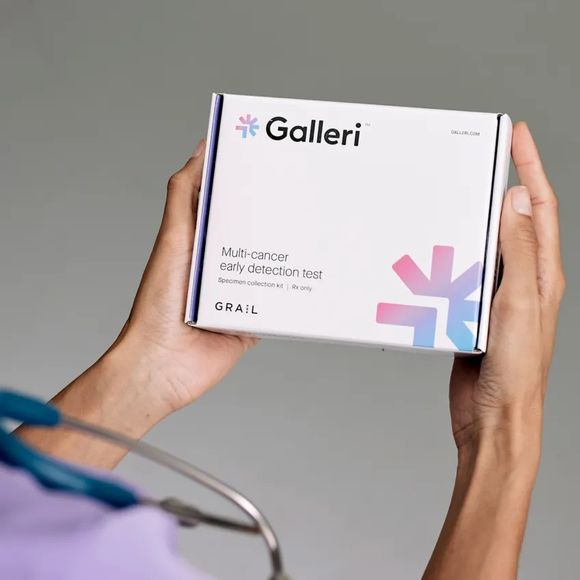

Ahead Health

Ahead Health is a Zurich-headquartered preventive health platform that combines full-body MRI scans, deep blood panels, and AI-driven analysis to detect 500+ potential health risks—empowering longevity seekers to take a proactive path toward lifelong wellness.
23andMe

23andMe offers DNA genetic testing for health, ancestry, and more. Their services provide comprehensive insights into your ancestry and health through genetic data, helping you understand your genetic makeup and how it impacts your health.
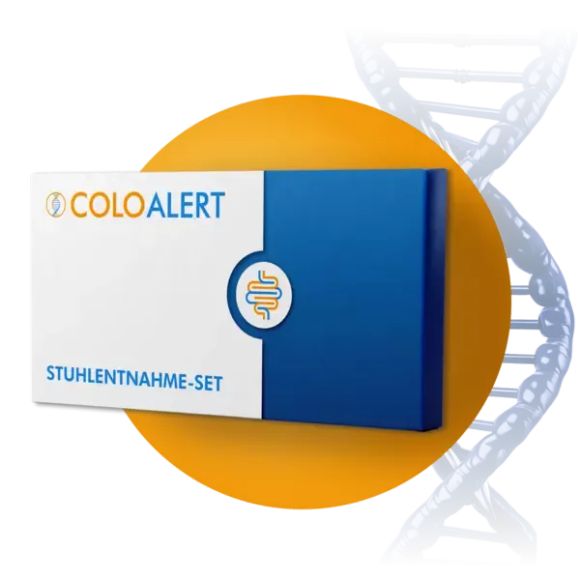
Coloalert
ColoAlert offers an at-home stool test for early detection of colorectal cancer.

Prenuvo
Prenuvo is a healthcare company specializing in advanced whole-body MRI scans designed to detect early-stage cancers and other serious conditions before symptoms appear.
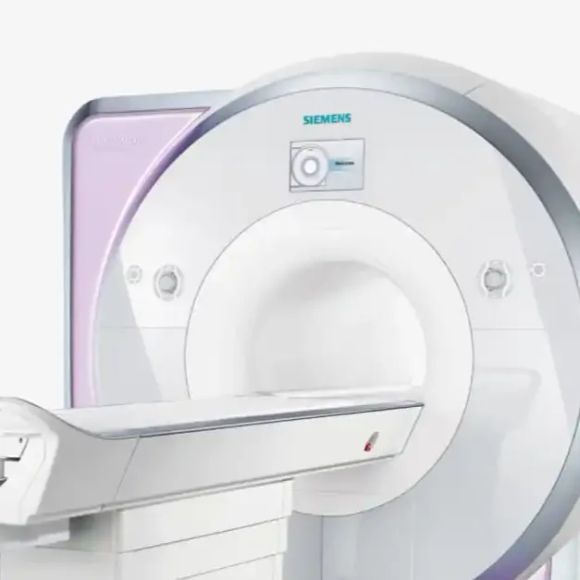
Ezra
Ezra offers full-body MRI screening services designed to detect potential cancer and over 500 conditions across 13 organs in just one hour. Their service is focused on early detection, helping individuals catch cancer early when it is most treatable.
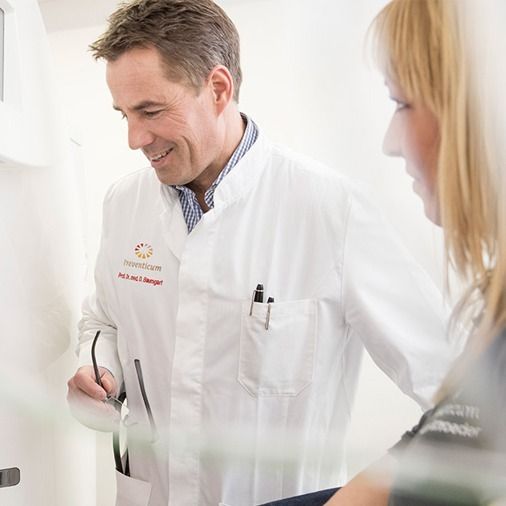
Preventicum
Preventicum is a specialized medical center offering interdisciplinary clinical services in internal medicine, cardiology, gastroenterology, and radiology.
Freenome
Freenome is a biotechnology company dedicated to early cancer detection. By combining advanced science with artificial intelligence, Freenome is revolutionizing cancer screening through simple blood tests that detect cancer in its earliest stages.
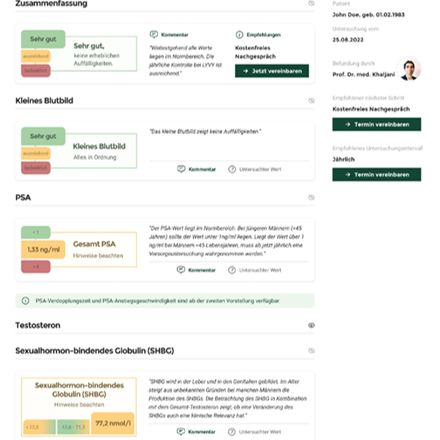
Lyvy
Lyvy offers comprehensive blood tests designed to provide precise insights into various aspects of health, from metabolism and cancer prevention to heart attack risk. Their tests cover over 68 blood values, helping users gain clarity and take proactive steps towards better health.

Viome Pro
Viome Pro offers groundbreaking oral health tests designed to empower dental professionals with essential insights into their patients' health. The Oral Health Pro test with CancerDetect® provides unprecedented accuracy in detecting biomarkers associated with oral and throat cancers, enabling personalized treatment solutions.