Knowledge
Magazine
-

The 24-Hour Sleep Model: Why Better Sleep Starts the Morning Before
8 min read
-

Eating for Longevity: Lessons From the World's Oldest People
9 min read
-

The Summer Health Kit: Supplies and Gadgets for Hot Days and Warm Nights
9 min read
Weekly picks on longevity, brands, and health science. No spam—unsubscribe anytime.
Tools
- →The 30s Longevity Guide for Women
- →Postpartum Recovery Guide
- →Perimenopause Longevity Guide
- →Dopamine Reset Guide
- →Pregnancy Longevity Guide
- →Peptide Guide
- →Home Detox Guide
- →Slow Aging Guide
- →Pro Supplement Guide
- →Safe Supplement Guide
- →Bio Age Calculator
- →Blood Testing Guide
- →Deep Sleep Guide
- →Pro Longevity Dashboard
By Category
By Goal
Knowledge
- →What is Longevity?
- →Improve diet
- →More focus
- →Look younger
- →Lose weight
- →Track biomarkers
- →Improve sleep
- →Build muscle
- →Increase cardio
- →Detect diseases
- →Recover faster
- →Relieve stress
Magazine
-
The 24-Hour Sleep Model: Why Better Sleep Starts the Morning Before
8 min read
-
Eating for Longevity: Lessons From the World's Oldest People
9 min read
-
The Summer Health Kit: Supplies and Gadgets for Hot Days and Warm Nights
9 min read
Weekly picks on longevity, brands, and health science. No spam—unsubscribe anytime.
Brands
- →Apps
- →At Home Tests & Kits
- →Events
- →Experts & Clinics
- →Foods & Beverages
- →Gadgets & Equipment
- →Gyms & Workouts
- →Supplements
- →Travel & Retreats
- →Wearables & Trackers
Tools
- →The 30s Longevity Guide for Women
- →Postpartum Recovery Guide
- →Perimenopause Longevity Guide
- →Dopamine Reset Guide
- →Pregnancy Longevity Guide
- →Peptide Guide
- →Home Detox Guide
- →Slow Aging Guide
- →Pro Supplement Guide
- →Safe Supplement Guide
- →Bio Age Calculator
- →Blood Testing Guide
- →Deep Sleep Guide
- →Pro Longevity Dashboard

Discover
Connect
Longevity Knowledge BETA
Depression
Table of Contents
Depression and biological aging
Depression isn't just a mood problem. It's a measurable driver of accelerated biological aging. A 2023 study in Nature Communications analyzed 424,299 UK Biobank participants and found that people with older biological age (measured via DNA methylation clocks) had significantly higher rates of new-onset depression and anxiety over an 8.7-year follow-up [1]. The relationship works both ways: depression itself pushes biological age forward. A 2024 analysis using NHANES data showed that depressed mood increases the gap between biological and chronological age, and that accelerated aging partially mediates the link between depression and higher mortality risk [2].
The mechanisms are concrete. Depression elevates C-reactive protein (CRP) and interleukin-6 (IL-6), two inflammatory markers strongly associated with cardiovascular disease and cellular aging [3]. Chronic cortisol elevation suppresses immune function, impairs DNA repair, and shortens telomeres. For a longevity-focused person, untreated depression is as dangerous as smoking or a sedentary lifestyle.
How exercise compares to antidepressants
A landmark 2024 BMJ network meta-analysis pooled 218 randomized controlled trials with 14,170 participants and compared exercise directly against antidepressants and psychotherapy for major depressive disorder [4]. Walking, jogging, yoga, and strength training all produced clinically meaningful reductions in depressive symptoms. The effect sizes were comparable to, and in some analyses exceeded, those of SSRIs. Higher-intensity exercise produced larger benefits, and the dose-response relationship was clear: more vigorous activity meant greater symptom reduction.
This doesn't mean everyone should ditch medication. For moderate to severe depression, combining exercise with pharmacotherapy or psychotherapy tends to produce the best results. But for mild to moderate depression, 150 minutes of moderate aerobic activity per week is now backed by the same caliber of evidence as first-line drug treatments. The number needed to treat (NNT) for exercise was 2.78, meaning fewer than three people need to exercise for one to experience meaningful improvement.
The inflammation connection
Not all depression is the same biologically. Research published in Translational Psychiatry in 2024 identified that a subset of depressed patients have significantly elevated inflammatory markers, including CRP, TNF-alpha, and IL-6 [3]. This "inflammatory subtype" responds differently to treatment. Standard SSRIs often work poorly for these patients, while anti-inflammatory approaches, omega-3 supplementation, and exercise show more promise.
A 2025 review in the International Journal of Molecular Sciences confirmed that omega-3 fatty acids, particularly EPA, reduce depressive symptoms with moderate effect sizes, especially in people with measurable inflammation [5]. The dose that showed the most consistent benefit was 1-2 g/day of EPA-dominant fish oil. This isn't a replacement for clinical treatment, but it's a meaningful adjunct, particularly when blood markers show elevated CRP.
Sleep and depression feed each other
The relationship between sleep and depression is bidirectional, and understanding this matters for breaking the cycle. The HUNT study, a large prospective population study, found that people with insomnia at two consecutive time points had 6.2 times the odds of developing depression [6]. Meanwhile, depression disrupts sleep architecture, suppresses slow-wave sleep, and fragments REM patterns.
Treating sleep problems directly reduces depression severity. Cognitive behavioral therapy for insomnia (CBT-I) improves both sleep and mood, and a growing body of evidence suggests that fixing sleep can be as effective as antidepressants for the depressive symptoms that co-occur with insomnia. Prioritizing sleep hygiene, maintaining consistent sleep-wake times, and addressing sleep disorders like apnea should be part of any depression management plan.
Emerging treatments: psilocybin and ketamine
For treatment-resistant depression, two newer interventions are backed by growing clinical evidence. Psilocybin-assisted therapy has shown sustained remission in over 50% of patients at six months in clinical trials, with marked symptom reductions after just two sessions [7]. COMPASS Pathways reported positive Phase 3 results for their 25 mg psilocybin protocol in treatment-resistant depression.
Ketamine, available as the nasal spray esketamine (Spravato), produces rapid antidepressant effects within hours rather than the weeks required for SSRIs. A 2025 network meta-analysis found no significant differences in response rates between IV ketamine, transcranial magnetic stimulation, and electroconvulsive therapy, but ketamine had better acceptability with fewer people discontinuing treatment. These options are not first-line, but they represent a genuine advance for the 30% of depression patients who don't respond adequately to conventional treatment.
What actually works: a practical hierarchy
From a longevity perspective, start with a proper diagnosis using the PHQ-9 to establish a baseline. Address the foundations: regular exercise (150+ min/week moderate intensity), consistent sleep schedule, and social connection. Engage with evidence-based psychotherapy, particularly CBT. Consider pharmacotherapy when symptoms are moderate to severe. Test inflammatory markers (CRP, IL-6) and supplement with omega-3s if elevated. For treatment-resistant cases, discuss ketamine or psilocybin-assisted therapy with a qualified provider.
References
- 1. Accelerated biological aging and risk of depression and anxiety: evidence from 424,299 UK Biobank participants (Nature Communications, 2023)
- 2. Mediating role of accelerated aging in the association between depression and mortality risk: findings from NHANES (Aging Clinical and Experimental Re...
- 3. Inflammatory mediators in major depression and bipolar disorder (Translational Psychiatry, 2024)
- 4. Effect of exercise for depression: systematic review and network meta-analysis of randomised controlled trials (BMJ, 2024)
- 5. Omega-3 polyunsaturated fatty acids in depression (International Journal of Molecular Sciences, 2024)
- 6. Depression in sleep disturbance: a review on a bidirectional relationship, mechanisms and treatment (Journal of Cellular and Molecular Medicine, 2019)
- 7. Psilocybin for major depressive disorder: a systematic review of randomized controlled studies (Frontiers in Psychiatry, 2024)
- 8. Major depression and the biological hallmarks of aging (Ageing Research Reviews, 2023)
Exercise matches antidepressants for mild depression
Fix your sleep to break the depression cycle
Test inflammation markers and consider omega-3s
Track with PHQ-9 and HRV
Treat depression as a longevity intervention
What new treatments exist for treatment-resistant depression?
How does sleep affect depression?
Does depression actually shorten your lifespan?
Is exercise as effective as antidepressants for depression?
Can depression cause inflammation?

Anti-Aging Expert: This Reverses Gray Hair & Boosts Your Energy!

Essentials: Psychedelics & Neurostimulation for Brain Rewiring | Dr. Nolan Williams
Essentials: The Science & Process of Healing from Grief
Essentials: Compulsive Behaviors & Deep Brain Stimulation | Dr. Casey Halpern
Most Replayed Moment: Buddhist Monk Reveals How To Break Free From Pain and Anger!
Human Sleep Expert: Don't Pee In The Middle Of The Night & Why Night Time Sex Isn't A Good Idea!
No discussions yet
Be the first to start a discussion about Depression.
Related Brands
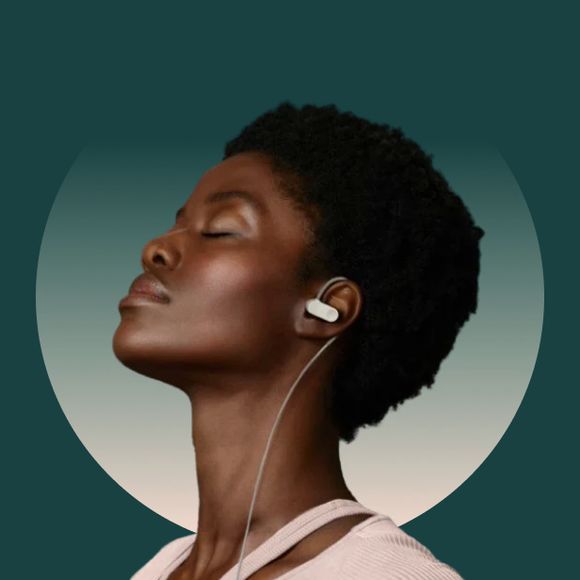
Nurosym


Nurosym offers a wearable device designed to provide relief from various conditions, such as Long-COVID, PTSD, depression, and more. The device uses non-invasive neuromodulation to stimulate the vagus nerve, helping to improve overall well-being.
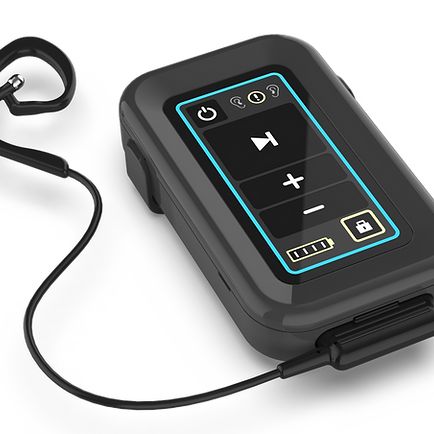
tVNS Health

tVNS Health offers innovative non-invasive vagus nerve stimulation devices designed to treat brain diseases and improve overall well-being. Their devices provide a medication-free, low side effect therapy option for conditions such as anxiety, depression, and migraine.
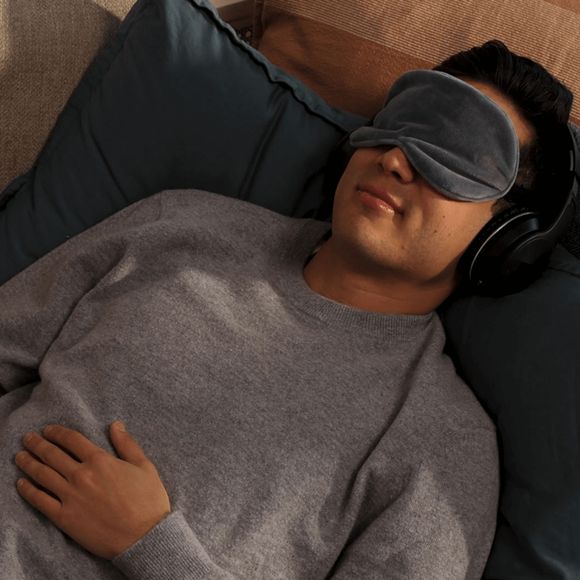
Mindbloom
Mindbloom offers at-home ketamine therapy for mental health conditions such as anxiety and depression. Their program combines guided therapy sessions with ketamine treatments, providing a comprehensive approach to mental wellness.
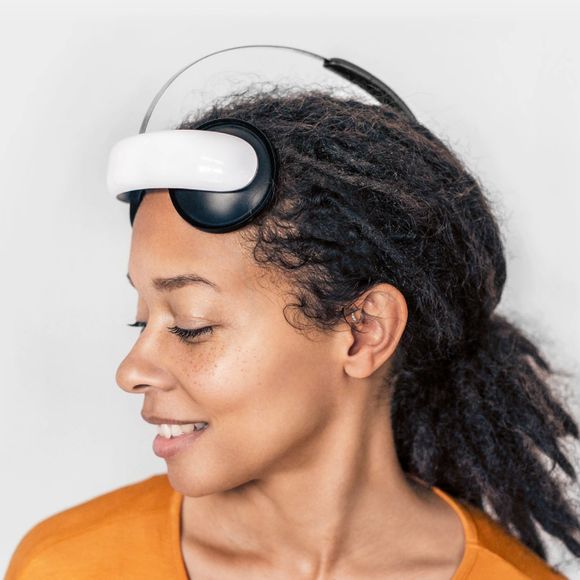
Flow Neuroscience
Flow Neuroscience offers a non-invasive, medication-free treatment for depression through a tDCS headset and therapy app, designed to stimulate brain activity and improve mental health.