Knowledge
Magazine
-

The Honest Science of Living Longer: In Conversation With Eric Verdin, President and CEO of the Buck Institute
11 min read
-

Five Evidence-Backed Habits to Protect Your Brain (From a Neuropsychiatrist Who Diagnoses Dementia)
8 min read
-

The 24-Hour Sleep Model: Why Better Sleep Starts the Morning Before
8 min read
Weekly picks on longevity, brands, and health science. No spam—unsubscribe anytime.
Tools
- →The 30s Longevity Guide for Women
- →Postpartum Recovery Guide
- →Perimenopause Longevity Guide
- →Dopamine Reset Guide
- →Pregnancy Longevity Guide
- →Peptide Guide
- →Home Detox Guide
- →Slow Aging Guide
- →Pro Supplement Guide
- →Safe Supplement Guide
- →Bio Age Calculator
- →Blood Testing Guide
- →Deep Sleep Guide
- →Pro Longevity Dashboard
By Category
By Goal
Knowledge
- →What is Longevity?
- →Improve diet
- →More focus
- →Look younger
- →Lose weight
- →Track biomarkers
- →Improve sleep
- →Build muscle
- →Increase cardio
- →Detect diseases
- →Recover faster
- →Relieve stress
Magazine
-
The Honest Science of Living Longer: In Conversation With Eric Verdin, President and CEO of the Buck Institute
11 min read
-
Five Evidence-Backed Habits to Protect Your Brain (From a Neuropsychiatrist Who Diagnoses Dementia)
8 min read
-
The 24-Hour Sleep Model: Why Better Sleep Starts the Morning Before
8 min read
Weekly picks on longevity, brands, and health science. No spam—unsubscribe anytime.
Brands
- →Apps
- →At Home Tests & Kits
- →Events
- →Experts & Clinics
- →Foods & Beverages
- →Gadgets & Equipment
- →Gyms & Workouts
- →Supplements
- →Travel & Retreats
- →Wearables & Trackers
Tools
- →The 30s Longevity Guide for Women
- →Postpartum Recovery Guide
- →Perimenopause Longevity Guide
- →Dopamine Reset Guide
- →Pregnancy Longevity Guide
- →Peptide Guide
- →Home Detox Guide
- →Slow Aging Guide
- →Pro Supplement Guide
- →Safe Supplement Guide
- →Bio Age Calculator
- →Blood Testing Guide
- →Deep Sleep Guide
- →Pro Longevity Dashboard

Discover
Connect
Longevity Knowledge BETA
Detoxification
Table of Contents
Understanding natural detoxification
Detoxification is not a juice cleanse or supplement regimen—it is a continuous biological process your body performs automatically. Your liver, kidneys, lungs, lymphatic system, and skin work together 24/7 to identify, neutralize, and eliminate toxins, metabolic waste, and excess hormones. The liver alone processes approximately 1.5 liters of blood per minute through three distinct phases: Phase I modifies toxins using cytochrome P450 enzymes, Phase II makes them water-soluble through conjugation reactions, and Phase III transports them for elimination via bile or urine [1].
The liver's central role in detoxification
The liver is your body's primary filtration system, performing over 500 functions including processing everything you eat, drink, breathe, and absorb through your skin. The three-phase detoxification system handles both compounds produced by your body (endogenous) and external toxins from food and environment (exogenous). Phase I enzymes, particularly CYP3A4, CYP2D6, and CYP2E1, catalyze oxidative modifications that can sometimes create reactive intermediates [2]. Phase II conjugation reactions attach water-soluble molecules to these metabolites through transferase enzymes including glutathione S-transferase (GST), UDP-glucuronosyltransferase (UGT), and sulfotransferases (SULT) [3]. Genetic polymorphisms in these enzymes substantially alter individual detoxification capacity.
Supporting organ systems
Kidneys: Filter 120-150 liters of blood daily, removing water-soluble waste through urine while reabsorbing essential nutrients. The kidneys excrete the final water-soluble metabolites produced by liver detoxification [4]. Lymphatic system: Transports immune cells and waste products through a network of vessels and nodes, relying entirely on muscle movement and breathing for circulation since it lacks a central pump [5]. Lungs: Eliminate volatile compounds and gases through breathing, including carbon dioxide and certain solvent vapors. Skin: Releases minimal amounts of waste through sweat; contrary to popular belief, sweat is primarily water and electrolytes, not a significant detoxification pathway [6].
Evidence versus myths
Scientific evidence does not support most commercial detox products. Detox teas primarily cause water weight loss through laxatives and diuretics, not toxin removal. Activated charcoal only works for specific acute poisonings taken within an hour of ingestion; it does not remove accumulated toxins from daily exposure [7]. Sweat contains trace amounts of heavy metals, but kidneys handle the bulk of elimination. Colon cleanses can disrupt gut microbiome balance and cause electrolyte imbalances without proven benefits [8]. The glymphatic system, discovered in 2012, clears metabolic waste from the brain during sleep—but no supplement enhances this process.
How to actually support detoxification
Support your body's natural systems through evidence-based lifestyle practices: Hydrate adequately (2-3 liters daily for most adults) to support kidney filtration and maintain urine flow. Eat fiber-rich foods and cruciferous vegetables—these provide sulforaphane and glucosinolates that support Phase II liver enzyme activity [9]. Exercise stimulates lymphatic circulation through muscle contraction. Prioritize 7-9 hours of quality sleep to allow the glymphatic system to clear brain waste. Limit alcohol, which burdens Phase I enzymes and depletes glutathione. Choose organic produce when possible to reduce pesticide exposure, and support glutathione synthesis with N-acetylcysteine (NAC) or sulfur-rich foods if needed [10].
References
- 1. The liver: biology and pathobiology of detoxification (PMC, 2019)
- 2. Cytochrome P450 enzymes in drug metabolism and chemical toxicology (Chemical Research in Toxicology, 2022)
- 3. Phase II drug metabolizing enzymes and their role in detoxification (Drug Metabolism Reviews, 2023)
- 4. Kidney function and hydration in toxin elimination (PubMed, 2017)
- 5. Role of the lymphatic system in waste clearance (PubMed, 2018)
- 6. Sweat as a detoxification pathway: scientific evaluation (Journal of Environmental and Public Health, 2020)
- 7. Activated charcoal in clinical toxicology: position statement (Clinical Toxicology, 2021)
- 8. Colon cleansing and gut microbiome disruption: systematic review (Journal of Clinical Gastroenterology, 2019)
- 9. Sulforaphane and cruciferous vegetables in Phase II enzyme induction (Nutrients, 2023)
- 10. Glutathione synthesis and N-acetylcysteine supplementation (Antioxidants, 2022)
Hydrate consistently
Eat cruciferous vegetables
Move your lymph
Prioritize sleep for brain detox
Skip the detox products
Start your day with hydration
Include cruciferous vegetables daily
Move to activate lymphatic flow
Prioritize deep sleep for brain detox
Avoid detox scams
Support glutathione production
Do detox teas and cleanses actually work?
How does the liver detoxify the body?
Can you detox through sweating?
What foods support natural detoxification?
What foods support liver detoxification?
How much water should I drink for kidney detox?
Does sweating detoxify the body?
What is the glymphatic system and how does it work?

#110 How To Build Lasting Happiness | Dr. Arthur Brooks

Science-Based Meditation Tools to Improve Your Brain & Health | Dr. Richard Davidson
Essentials: Micronutrients for Health & Longevity | Dr. Rhonda Patrick

No.1 Sleep Expert: Magnesium Isn’t Helping You Sleep! This Sleep Habit Increases Heart Disease 57%
Improve Your Lymphatic System for Overall Health & Appearance
Longevity Debate: The Truth About Weight Loss, Muscle, and Creatine!
No discussions yet
Be the first to start a discussion about Detoxification.
Related Brands
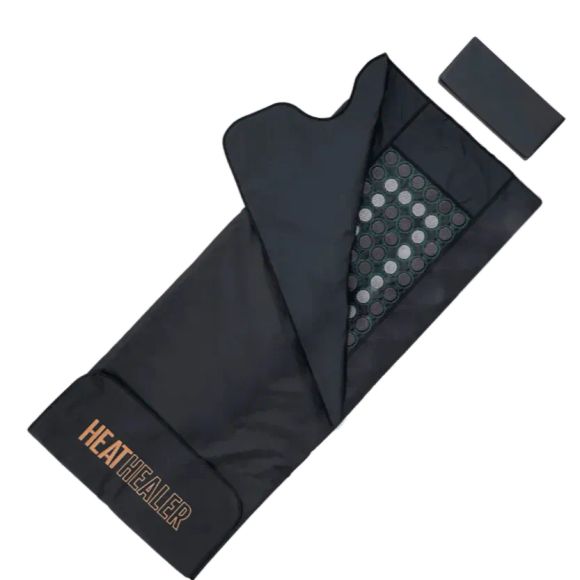
Heat Healer

Heat Healer offers innovative infrared sauna blankets designed to provide the benefits of a traditional sauna from the comfort of your home.
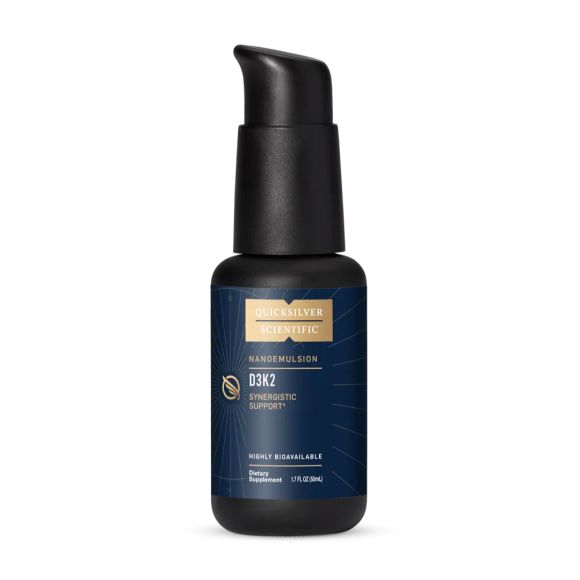
Quicksilver Scientific
Quicksilver Scientific offers advanced liposomal supplements and detoxification protocols designed to support optimal health and wellness. Their products include glutathione, vitamin C, and various other nutrients, all formulated using cutting-edge liposomal delivery technology to enhance bioavailability and efficacy.
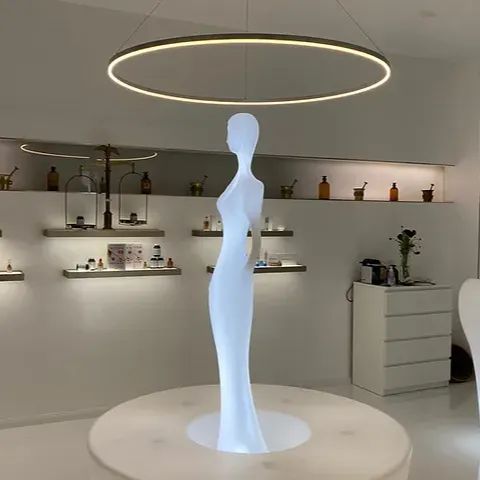
Dr. Dominik Duscher
Dr. Dominik Duscher specializes in longevity medicine, regenerative medicine, and aesthetics. As an international pioneer in the field, he combines ultrapersonalized precision medicine with innovative therapies to enhance longevity, health, and beauty. His services include regenerative cosmeceuticals and the unique '3 Zellkompetenzen' concept for healthy aging.

Clearlight Saunas
Clearlight Saunas offers premium infrared saunas designed to enhance health and wellness through advanced technology and superior craftsmanship.
Biomega 1000
Biotics Research Corporation, founded in 1975, is a family-owned company that has been a leader in the nutritional supplement industry for over 40 years. The company is dedicated to combining the best of science and nature to create high-quality nutritional supplements.
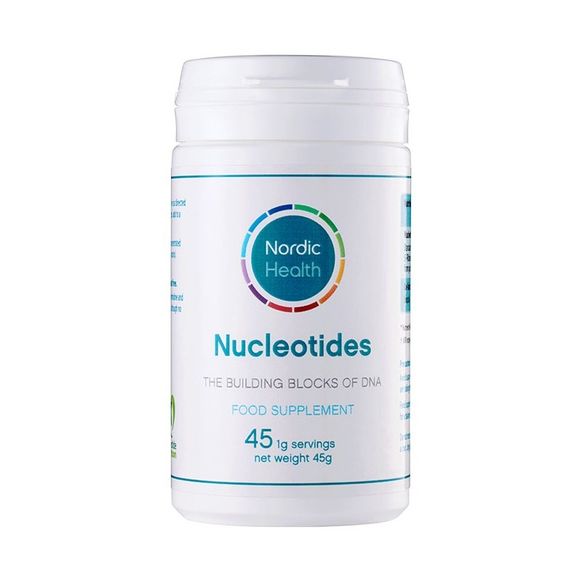
Nordic Health Food

Nordic Health Food offers premium dietary supplements, including Broccolox®, Nucleotides, and Liposomal formulations, designed to support optimal health and well-being.
SweatHouz

SweatHouz, founded in 2019, is a wellness and recovery center offering services such as infrared saunas, cold plunges, red light therapy, and hydromassage to promote relaxation, detoxification, and overall well-being.

Sunlighten
Sunlighten offers high-quality infrared saunas designed to enhance wellness through innovative infrared technology. Their saunas provide numerous health benefits, including detoxification, improved circulation, weight loss, and enhanced immunity. Sunlighten saunas are crafted with premium materials and are equipped with advanced features for optimal user experience.

Pause Wellness Studio
Pause Wellness Studio offers a range of modern and holistic solutions to support physical and mental recovery. Their services include IV drips, vitamin shots, float therapy, infrared sauna, cryotherapy, and LED light therapy, all designed to boost immunity and enhance overall well-being.
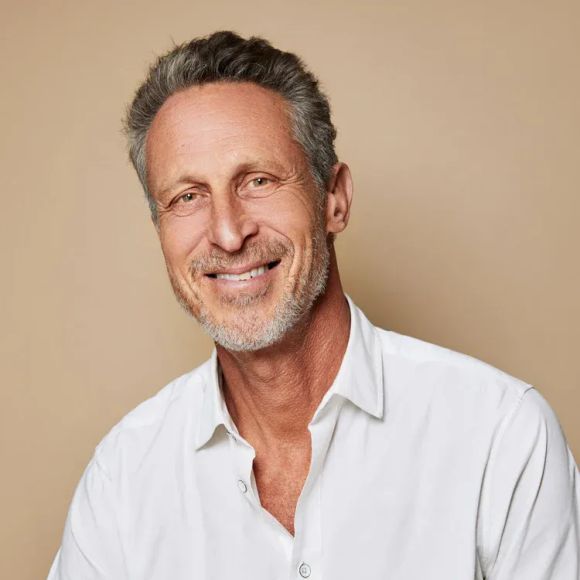
Dr. Hyman
Dr. Mark Hyman is a renowned physician, author, and advocate for functional medicine. His platform offers a wealth of resources on health topics such as longevity, hormone health, detoxification, diet, and more, providing expert insights and guidance for those looking to optimize their health and well-being.