Knowledge
Magazine
-

The 24-Hour Sleep Model: Why Better Sleep Starts the Morning Before
8 min read
-

Eating for Longevity: Lessons From the World's Oldest People
9 min read
-

The Summer Health Kit: Supplies and Gadgets for Hot Days and Warm Nights
9 min read
Weekly picks on longevity, brands, and health science. No spam—unsubscribe anytime.
Tools
- →The 30s Longevity Guide for Women
- →Postpartum Recovery Guide
- →Perimenopause Longevity Guide
- →Dopamine Reset Guide
- →Pregnancy Longevity Guide
- →Peptide Guide
- →Home Detox Guide
- →Slow Aging Guide
- →Pro Supplement Guide
- →Safe Supplement Guide
- →Bio Age Calculator
- →Blood Testing Guide
- →Deep Sleep Guide
- →Pro Longevity Dashboard
By Category
By Goal
Knowledge
- →What is Longevity?
- →Improve diet
- →More focus
- →Look younger
- →Lose weight
- →Track biomarkers
- →Improve sleep
- →Build muscle
- →Increase cardio
- →Detect diseases
- →Recover faster
- →Relieve stress
Magazine
-
The 24-Hour Sleep Model: Why Better Sleep Starts the Morning Before
8 min read
-
Eating for Longevity: Lessons From the World's Oldest People
9 min read
-
The Summer Health Kit: Supplies and Gadgets for Hot Days and Warm Nights
9 min read
Weekly picks on longevity, brands, and health science. No spam—unsubscribe anytime.
Brands
- →Apps
- →At Home Tests & Kits
- →Events
- →Experts & Clinics
- →Foods & Beverages
- →Gadgets & Equipment
- →Gyms & Workouts
- →Supplements
- →Travel & Retreats
- →Wearables & Trackers
Tools
- →The 30s Longevity Guide for Women
- →Postpartum Recovery Guide
- →Perimenopause Longevity Guide
- →Dopamine Reset Guide
- →Pregnancy Longevity Guide
- →Peptide Guide
- →Home Detox Guide
- →Slow Aging Guide
- →Pro Supplement Guide
- →Safe Supplement Guide
- →Bio Age Calculator
- →Blood Testing Guide
- →Deep Sleep Guide
- →Pro Longevity Dashboard

Discover
Connect
Longevity Knowledge BETA
Fatty acids
Table of Contents
What are fatty acids?
Fatty acids are the building blocks of fats. They are chains of carbon atoms with hydrogen atoms attached. Your body uses fatty acids for energy, cell membrane structure, hormone production, and brain function. Some fatty acids are essential—your body cannot make them, so you must get them from food [1].
The three main types
Saturated fatty acids
These have no double bonds between carbon atoms. They are solid at room temperature. Sources include butter, coconut oil, and animal fats. Saturated fats were linked to heart disease for decades, but newer research shows the connection is more complex. Moderate intake from whole foods appears safe for most people [2].
Monounsaturated fatty acids
These have one double bond. They are liquid at room temperature. Olive oil, avocados, and nuts are rich sources. Monounsaturated fats consistently show benefits for heart health, reducing LDL cholesterol and inflammation. The Mediterranean diet is partly attributed to high olive oil consumption [3].
Polyunsaturated fatty acids
These have multiple double bonds. They include omega-3 and omega-6 fatty acids. Both are essential. Omega-3s reduce inflammation and support brain health [4]. Omega-6s support skin and hair growth but are overconsumed in modern diets [1].
Understanding EPA and DHA
EPA and DHA are long-chain omega-3 fatty acids found in fatty fish. They are the most biologically active forms. DHA is a major structural component of the brain and retina, comprising about 25% of brain fat content [5]. EPA regulates inflammation and mood. Your body converts ALA from plants to EPA and DHA, but this process is inefficient—less than 10% becomes EPA and under 1% becomes DHA [6].
The omega balance problem
Omega-6 and omega-3 fatty acids compete for the same enzymes in your body. Omega-6 promotes inflammation while omega-3 reduces it. Humans evolved with roughly equal amounts, maintaining ratios between 1:1 and 4:1 [7]. Modern diets contain 15-20 times more omega-6, creating chronic low-grade inflammation that contributes to cardiovascular disease and other chronic conditions [7].
Clinical evidence for omega-3 supplementation
A comprehensive Cochrane review of 86 randomized controlled trials with over 162,000 participants found that increasing omega-3 intake slightly reduces coronary heart disease mortality and events [8]. The American Heart Association recommends 1-2 servings of fatty fish per week for cardiovascular protection [9]. For those with elevated triglycerides, prescription omega-3 fatty acids at 4 grams daily effectively reduce triglycerides by about 15% [8].
Measuring your omega-3 status
The omega-3 index measures EPA and DHA levels in red blood cell membranes. Levels above 8% correlate with significantly lower risk of sudden cardiac death, while levels below 4% indicate deficiency [10]. Most people eating a standard Western diet have levels between 3-5%, even those who eat fish occasionally.
References
- 1. NIH Office of Dietary Supplements - Omega-3 Fatty Acids Health Professional Fact Sheet
- 2. Harvard T.H. Chan School of Public Health - The Nutrition Source: Fats and Cholesterol
- 3. Estruch R et al. (2018) Primary Prevention of Cardiovascular Disease with a Mediterranean Diet Supplemented with Extra-Virgin Olive Oil or Nuts. New E...
- 4. Calder PC (2017) Omega-3 fatty acids and inflammatory processes: from molecules to man. Biochemical Society Transactions
- 5. Lauritzen L et al. (2016) DHA Effects in Brain Development and Function. Nutrients
- 6. Brenna JT (2002) Efficiency of conversion of alpha-linolenic acid to long chain n-3 fatty acids in man. Current Opinion in Clinical Nutrition & Metabo...
- 7. Simopoulos AP (2002) The importance of the ratio of omega-6/omega-3 essential fatty acids. Biomedicine & Pharmacotherapy
- 8. Abdelhamid AS et al. (2020) Omega-3 fatty acids for the primary and secondary prevention of cardiovascular disease. Cochrane Database of Systematic Re...
- 9. American Heart Association - Fish and Omega-3 Fatty Acids
- 10. Harris WS (2007) Omega-3 fatty acids and cardiovascular disease: a case for omega-3 index as a new risk factor. Pharmacological Research
Prioritize EPA and DHA from fish
Check your omega-6 intake
DHA for brain health
Walnuts are the best plant source
Consider omega-3 testing
What are EPA and DHA and why are they important?
What is the ideal omega-6 to omega-3 ratio?
Can I get enough omega-3 from plant sources alone?
What is the difference between omega-3, omega-6, and omega-9?
How much omega-3 should I take daily?

#395 - Brain lipidology: understanding APOE, cholesterol homeostasis, Alzheimer's disease risk, and the effects of lipid-lowering therapies on brain health | Tom Dayspring, M.D.

#112 How To Slow Biological Aging With a Multivitamin, Vegetables, & Omega-3 | Dr. Steve Horvath
The seed oil debate: are they uniquely harmful relative to other dietary fats? | Layne Norton, Ph.D.

Essentials: Micronutrients for Health & Longevity | Dr. Rhonda Patrick
Essentials: Food & Supplements for Brain Health & Cognitive Performance
Essentials: ADHD & How Anyone Can Improve Their Focus
No discussions yet
Be the first to start a discussion about Fatty acids.
Related Brands

Swanson Health Products Europe


Swanson Health Products Europe offers a wide range of vitamins, supplements, and natural health products. Their extensive product catalog includes supplements for bone health, cardiovascular support, digestive health, and more, all designed to promote overall wellness.
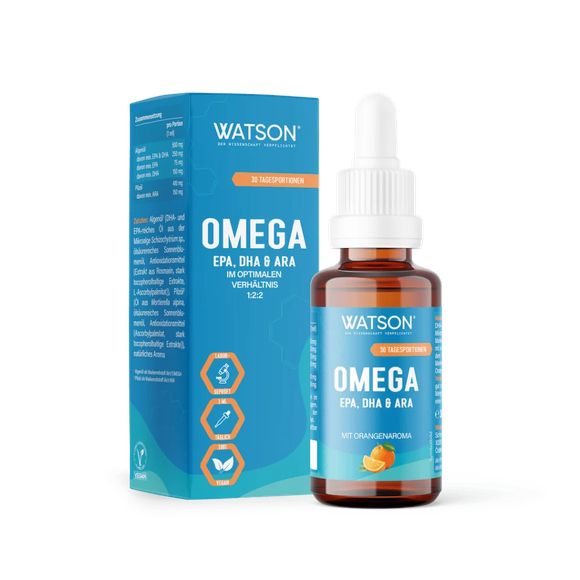
Watson
Watson Nutrition offers laboratory-tested, vegan dietary supplements formulated by nutritionist Niko Rittenau, providing essential vitamins, minerals, and nutrients to support individuals following plant-based diets.
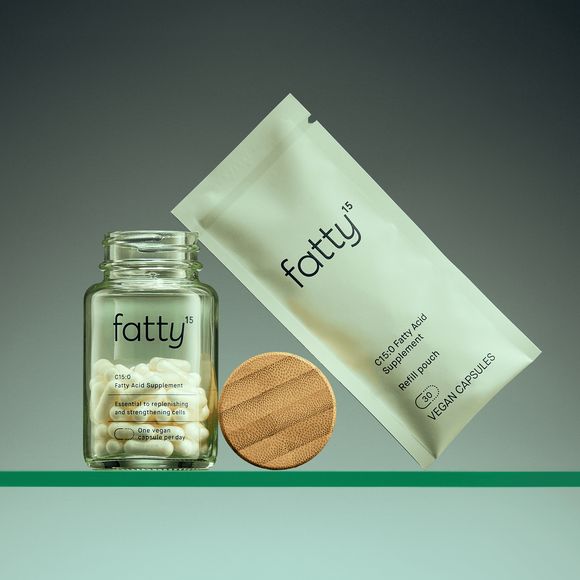
Fatty15
Fatty15 is a longevity-focused supplement brand built around one molecule: C15:0 (pentadecanoic acid), a newly recognized essential fatty acid that they position as a “cell-strengthening” nutrient for healthy aging, metabolism, brain, liver, and immune health.

Natural Elements
Natural Elements offers a range of natural supplements designed to support various health needs, including beauty and anti-aging, immune system, bones and mobility, sports and energy, digestion and weight, and overall well-being.

Norway Omega
Norway Omega offers premium Omega-3 fish oil and Antarctic krill oil supplements, utilizing a patented purification process to ensure high levels of EPA and DHA fatty acids. Their products are available in Hong Kong, providing consumers with high-quality marine-based nutritional supplements.
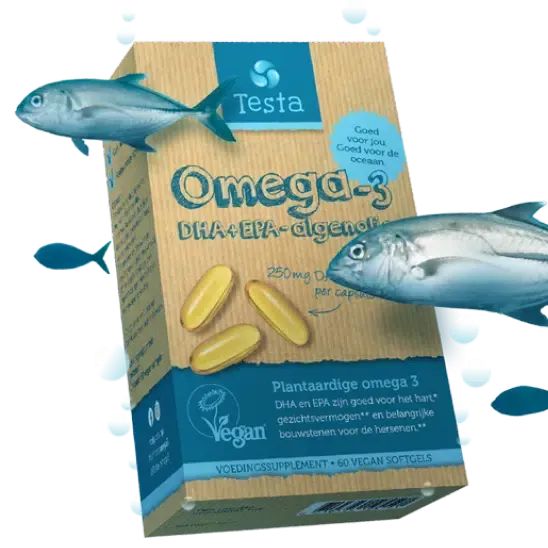
Testa

Testa Omega-3 is a Dutch brand specializing in 100% plant-based omega-3 supplements derived from sustainably cultivated algae. Founded over a decade ago by Guido Evers and Martin de Vries, Testa offers a vegan alternative to traditional fish oil, providing essential fatty acids like DHA and EPA without contributing to overfishing or ocean pollution.

Yuven Life
YuvenLife offers scientifically formulated supplements, such as their Phyto Oil, designed to enhance cellular health and promote sustainable well-being through a unique blend of phytonutrients, vitamins, and essential fatty acids.
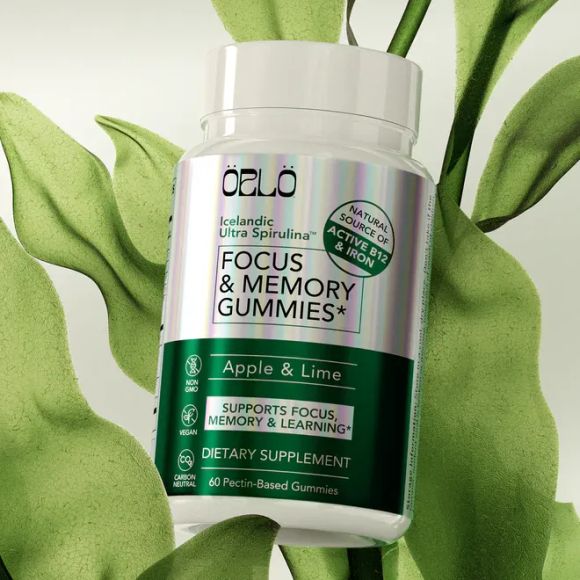
Orlo Nutrition
Örlö Nutrition offers eco-friendly, algae-based omega-3 supplements designed to enhance health while promoting environmental sustainability.

O Naturelle
O'Naturelle crafts 100% grass-fed beef tallow soaps and shampoos, rich in essential vitamins and fatty acids, to nourish and rejuvenate your skin and hair naturally.
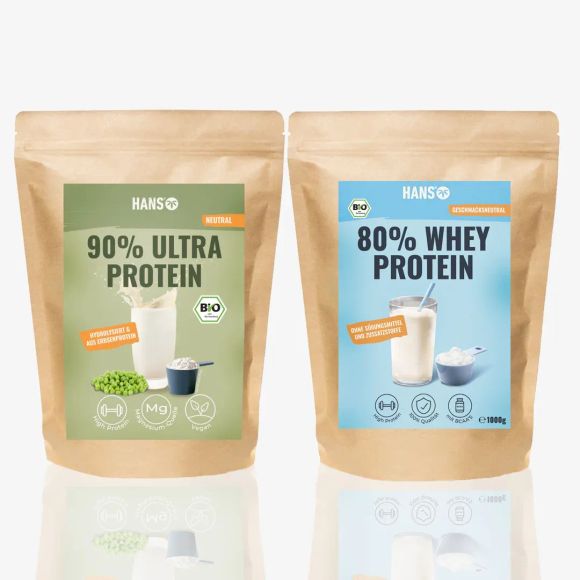
Hans Brainfood
HANS Brainfood is a Regensburg-based startup specializing in natural, hemp-based food products aimed at promoting mental health and overall well-being. Their offerings include organic energy bars, protein powders, and CBD-infused items, all crafted from regional ingredients to provide nutritious and sustainable snack options.