Knowledge
Magazine
-

The 24-Hour Sleep Model: Why Better Sleep Starts the Morning Before
8 min read
-

Eating for Longevity: Lessons From the World's Oldest People
9 min read
-

The Summer Health Kit: Supplies and Gadgets for Hot Days and Warm Nights
9 min read
Weekly picks on longevity, brands, and health science. No spam—unsubscribe anytime.
Tools
- →The 30s Longevity Guide for Women
- →Postpartum Recovery Guide
- →Perimenopause Longevity Guide
- →Dopamine Reset Guide
- →Pregnancy Longevity Guide
- →Peptide Guide
- →Home Detox Guide
- →Slow Aging Guide
- →Pro Supplement Guide
- →Safe Supplement Guide
- →Bio Age Calculator
- →Blood Testing Guide
- →Deep Sleep Guide
- →Pro Longevity Dashboard
By Category
By Goal
Knowledge
- →What is Longevity?
- →Improve diet
- →More focus
- →Look younger
- →Lose weight
- →Track biomarkers
- →Improve sleep
- →Build muscle
- →Increase cardio
- →Detect diseases
- →Recover faster
- →Relieve stress
Magazine
-
The 24-Hour Sleep Model: Why Better Sleep Starts the Morning Before
8 min read
-
Eating for Longevity: Lessons From the World's Oldest People
9 min read
-
The Summer Health Kit: Supplies and Gadgets for Hot Days and Warm Nights
9 min read
Weekly picks on longevity, brands, and health science. No spam—unsubscribe anytime.
Brands
- →Apps
- →At Home Tests & Kits
- →Events
- →Experts & Clinics
- →Foods & Beverages
- →Gadgets & Equipment
- →Gyms & Workouts
- →Supplements
- →Travel & Retreats
- →Wearables & Trackers
Tools
- →The 30s Longevity Guide for Women
- →Postpartum Recovery Guide
- →Perimenopause Longevity Guide
- →Dopamine Reset Guide
- →Pregnancy Longevity Guide
- →Peptide Guide
- →Home Detox Guide
- →Slow Aging Guide
- →Pro Supplement Guide
- →Safe Supplement Guide
- →Bio Age Calculator
- →Blood Testing Guide
- →Deep Sleep Guide
- →Pro Longevity Dashboard

Discover
Connect
Longevity Knowledge BETA
Fertility
Table of Contents
Understanding fertility
Fertility is your ability to conceive and carry a pregnancy to term. It depends on multiple factors including hormone balance, egg and sperm quality, age, and overall health [2]. Both men and women can take steps to improve fertility through nutrition, lifestyle changes, and medical support when needed.
Age and fertility
Female fertility peaks in the mid-20s and begins declining around age 32, with a sharper drop after 35. Women are born with all the eggs they will ever have, and egg quality decreases over time [1]. Male fertility also declines with age, though more gradually. Sperm quality and DNA integrity decrease after age 40.
Nutrition for fertility
Specific nutrients support reproductive health [3]. Folate prevents neural tube defects and supports egg quality. Zinc affects sperm production and testosterone. Vitamin D regulates hormones in both sexes. CoQ10 may improve egg quality in women over 35. Omega-3 fatty acids support hormone production and reduce inflammation.
Lifestyle factors
Sleep deprivation disrupts hormone production. Chronic stress elevates cortisol, which interferes with reproductive hormones. Smoking damages eggs and sperm. Alcohol reduces fertility in both men and women. Regular moderate exercise supports fertility, while excessive intense exercise can disrupt menstrual cycles.
When to seek help
Most couples conceive within a year of trying. If you are under 35 and have been trying for 12 months without success, consult a specialist [2]. If you are 35 or older, seek help after 6 months. Early evaluation can identify treatable issues like hormonal imbalances, thyroid problems, or structural concerns.
References
Start folate early
Prioritize sleep
Manage stress
Limit alcohol and avoid smoking
Exercise moderately
Can lifestyle changes really improve fertility?
When should we see a fertility specialist?
How does age affect fertility in men and women?
What nutrients are most important for fertility?

Billionaire's WARNING: I'm SELLING. The Crash Is Already Here!

#397 ‒ Endometriosis and adenomyosis: diagnosis, fertility, reproductive aging, and emerging treatments | Renato Tomioka, M.D., Ph.D.

Peptides: The Science, Uses & Safety | Dr. Abud Bakri
Most Replayed Moment: The Hidden Organ That Controls Exactly How You Age!
Sex Scientist: Phone Addiction Is Killing Your Sex Life More Than Porn!
The Peptide Expert: Big Pharma Are Hiding This Powerful Peptide From You! - Dr. Alex Tatem
No discussions yet
Be the first to start a discussion about Fertility.
Related Articles


Community Discussions
Related Brands
Ro

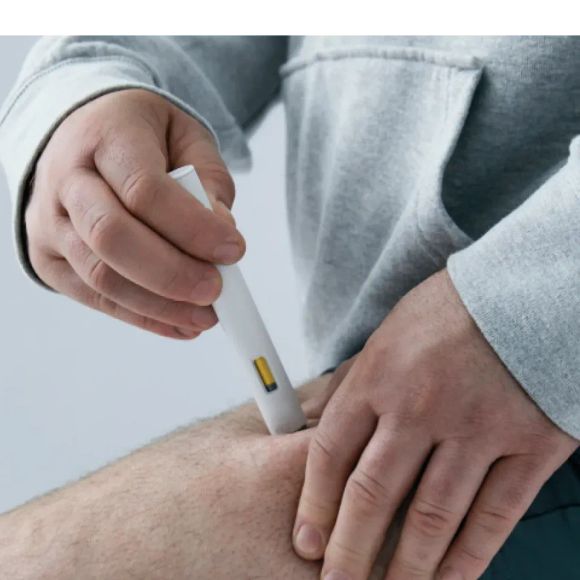
Ro is a telehealth company offering a wide range of health and wellness services, including treatments for sexual health, weight loss, hair care, skin care, fertility, and daily health. The platform provides convenient access to prescription medications, personalized health solutions, and expert medical advice.
Flo Health
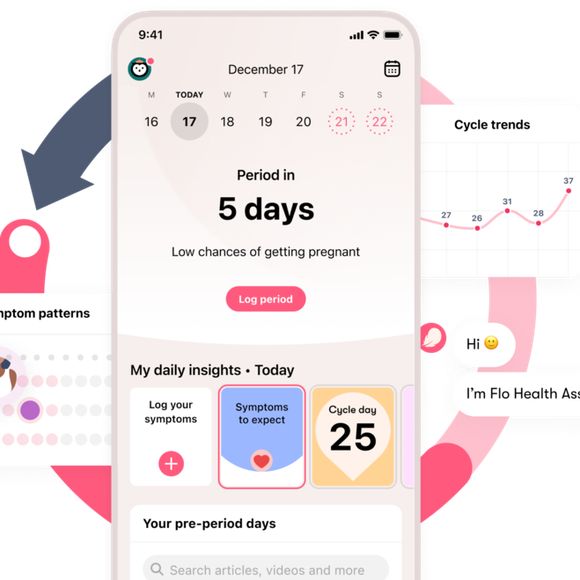
Flo is a comprehensive women's health app that offers period tracking, ovulation prediction, and pregnancy guidance, empowering users to manage their reproductive health effectively.
Luminous Labs

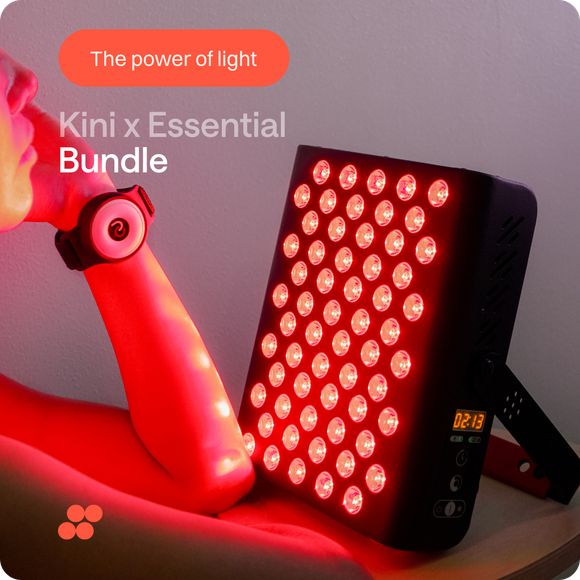
More energy. Better sleep. Healthier skin. Enhanced longevity. It all starts with light. At Luminous Labs, we’ve developed CellLight™ — a powerful blend of red and near-infrared wavelengths that activates your cells, recharges your energy production, and transforms how your body heals, ages, and performs. Our mission? To make the science of light personal, precise, and profoundly effective — for women, for high-performers, for you.
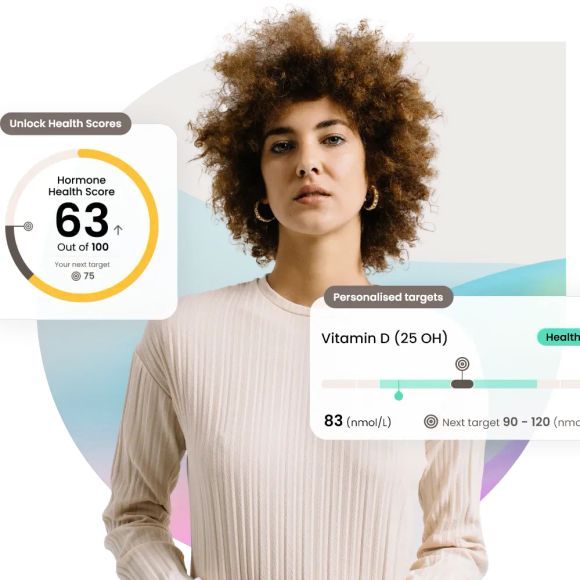
Forth With Life

Forth With Life offers home blood tests and health checks designed to help individuals monitor and improve their health. The platform provides a range of tests covering areas such as hormone health, fertility, general wellness, nutrition, and more, all from the convenience of home.

Shari Wellness
Shari Wellness offers a comprehensive approach to health and wellness through personalized concierge healthcare, regenerative therapies, and esthetic treatments. Their services are designed to support men's and women's health, including intimacy wellness, fertility, anti-aging, and more, with a focus on holistic and integrative solutions.
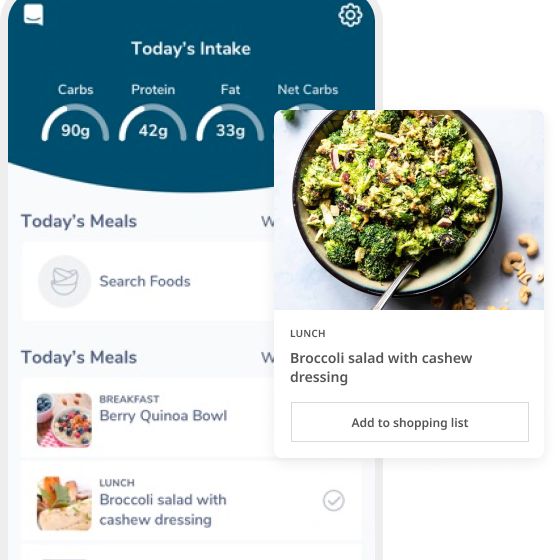
Biocanic
Biocanic is a comprehensive health intelligence platform designed for functional and integrative health practitioners, enabling streamlined management of personalized health programs through seamless integration of lab data, wearable devices, and client assessments.
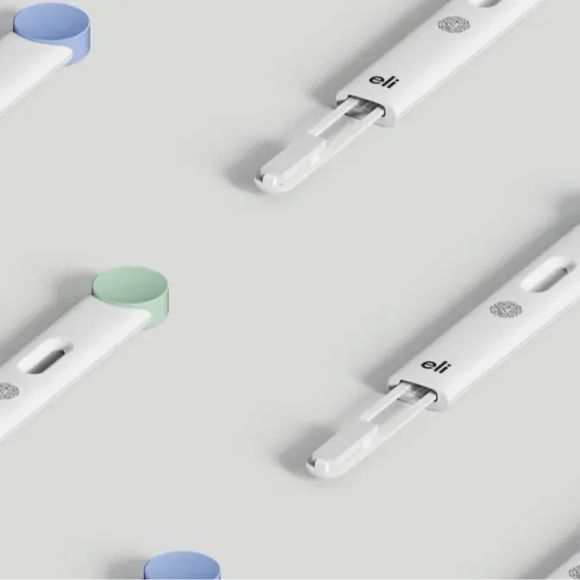
Eli Health
Eli Health offers an at-home, saliva-based hormone monitoring system that provides real-time insights into hormonal fluctuations, empowering individuals to make informed health decisions.
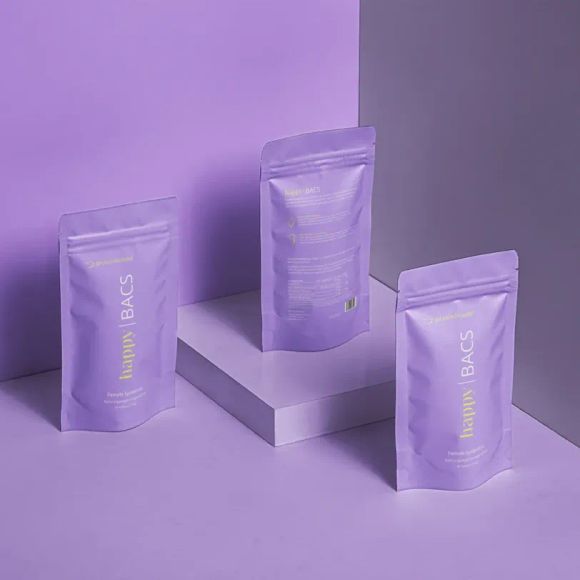
Get Happy
Happy | BACS is a daily supplement designed to naturally support the female microbiome, promoting intimate health across various life stages.