Knowledge
Magazine
-

The 24-Hour Sleep Model: Why Better Sleep Starts the Morning Before
8 min read
-

Eating for Longevity: Lessons From the World's Oldest People
9 min read
-

The Summer Health Kit: Supplies and Gadgets for Hot Days and Warm Nights
9 min read
Weekly picks on longevity, brands, and health science. No spam—unsubscribe anytime.
Tools
- →The 30s Longevity Guide for Women
- →Postpartum Recovery Guide
- →Perimenopause Longevity Guide
- →Dopamine Reset Guide
- →Pregnancy Longevity Guide
- →Peptide Guide
- →Home Detox Guide
- →Slow Aging Guide
- →Pro Supplement Guide
- →Safe Supplement Guide
- →Bio Age Calculator
- →Blood Testing Guide
- →Deep Sleep Guide
- →Pro Longevity Dashboard
By Category
By Goal
Knowledge
- →What is Longevity?
- →Improve diet
- →More focus
- →Look younger
- →Lose weight
- →Track biomarkers
- →Improve sleep
- →Build muscle
- →Increase cardio
- →Detect diseases
- →Recover faster
- →Relieve stress
Magazine
-
The 24-Hour Sleep Model: Why Better Sleep Starts the Morning Before
8 min read
-
Eating for Longevity: Lessons From the World's Oldest People
9 min read
-
The Summer Health Kit: Supplies and Gadgets for Hot Days and Warm Nights
9 min read
Weekly picks on longevity, brands, and health science. No spam—unsubscribe anytime.
Brands
- →Apps
- →At Home Tests & Kits
- →Events
- →Experts & Clinics
- →Foods & Beverages
- →Gadgets & Equipment
- →Gyms & Workouts
- →Supplements
- →Travel & Retreats
- →Wearables & Trackers
Tools
- →The 30s Longevity Guide for Women
- →Postpartum Recovery Guide
- →Perimenopause Longevity Guide
- →Dopamine Reset Guide
- →Pregnancy Longevity Guide
- →Peptide Guide
- →Home Detox Guide
- →Slow Aging Guide
- →Pro Supplement Guide
- →Safe Supplement Guide
- →Bio Age Calculator
- →Blood Testing Guide
- →Deep Sleep Guide
- →Pro Longevity Dashboard

Discover
Connect
Longevity Knowledge BETA
Genetic Testing
How genetic testing transforms personalized medicine
Genetic testing analyzes your DNA to reveal inherited predispositions, medication responses, and health optimization opportunities. Modern approaches range from whole genome sequencing (WGS), which maps all 3.2 billion base pairs of your genetic code [1], to targeted SNP arrays that examine hundreds of thousands of genetic variants at a fraction of the cost. These advanced tools help identify pathogenic variants, disease-associated polymorphisms, and pharmacogenomic markers that shape individualized healthcare decisions and preventive strategies.
Pharmacogenomics: the right drug at the right dose
Pharmacogenomics analyzes how genetic variants affect drug metabolism through cytochrome P450 enzymes and other metabolizing systems [2]. The Clinical Pharmacogenetics Implementation Consortium (CPIC) has developed evidence-based guidelines for interpreting pharmacogenomic test results and guiding clinical treatment decisions [3]. Testing identifies fast, normal, and slow metabolizers of common medications, enabling precise dosage optimization and adverse event prevention. CYP2D6, CYP2C19, and CYP3A4 variants significantly impact antidepressants, antiarrhythmics, beta-blockers, and anticoagulants [4]. Preemptive pharmacogenomic testing prevents hospitalizations, reduces healthcare costs, and improves treatment efficacy across multiple drug classes.
Polygenic risk assessment for complex diseases
Polygenic risk scores aggregate common genetic variants across multiple loci, quantifying hereditary risk for conditions like coronary artery disease, diabetes, and certain cancers [5]. Unlike single-gene Mendelian disorders, these scores represent modifiable probabilities that incorporate environmental and behavioral factors. A cardiovascular disease polygenic risk score can stratify individuals into different risk categories and enhance clinical risk prediction when combined with traditional risk factors [6]. These scores identify individuals who benefit from intensified screening protocols, preventive interventions, and targeted lifestyle modifications before symptoms develop.
Navigating ethical considerations
Comprehensive genetic testing requires professional genetic counseling to address privacy concerns, psychological impact, and result actionability. Variants of uncertain significance require ongoing monitoring as research advances and databases expand [7]. Responsible interpretation distinguishes causative variants from benign population-specific polymorphisms. Direct-to-consumer testing raises additional considerations about data privacy protections, result interpretation without clinical context, and the potential for receiving unactionable or anxiety-provoking information without professional support.
Clinical applications in longevity medicine
Beyond disease prediction, genetic testing informs longevity-focused interventions by identifying nutrient metabolism variants, oxidative stress responses, and inflammatory predispositions. APOE status provides insights into cardiovascular and neurodegenerative risks, guiding preventive strategies years before symptoms appear. MTHFR variants affect folate metabolism and methylation pathways, influencing recommendations for B-vitamin supplementation. Research increasingly links specific genetic profiles to optimal exercise types, individual sleep requirements, and personalized dietary patterns. Combining genetic insights with biomarker tracking and lifestyle modifications enables truly personalized health optimization programs tailored to individual genetic profiles and maximizing healthy lifespan potential.
References
- 1. Clinical practice guidelines for BRCA1 and BRCA2 genetic testing
- 2. Exploring the impact of pharmacogenetics on personalized medicine: A systematic review
- 3. CPIC: Clinical Pharmacogenetics Implementation Consortium of the Pharmacogenomics Research Network
- 4. Clinical Pharmacogenetics Implementation Consortium Guideline for CYP2D6, CYP2C19, CYP2B6, SLC6A4, and HTR2A Genotypes and Serotonin Reuptake Inhibito...
- 5. Polygenic Risk Scores for Cardiovascular Disease: A Scientific Statement From the American Heart Association
- 6. Polygenic risk score adds to a clinical risk score in the prediction of cardiovascular disease in a clinical setting
- 7. Direct-to-consumer genetic testing: a systematic review of european guidelines, recommendations, and position statements
Ask about pharmacogenomic testing before starting new medications
Combine polygenic risk scores with traditional risk factors
Consult a genetic counselor for comprehensive testing
Revisit genetic results as science advances
Share pharmacogenomic results with all your healthcare providers
Family history is your first genetic test
Genetic testing adds context
What is the difference between whole genome sequencing and SNP arrays?
How accurate are polygenic risk scores for predicting disease?
Will genetic testing results affect my insurance coverage?
What medications are affected by pharmacogenomic variants?
Should I get genetic testing for disease risk?
What can genetic testing tell me about my health?

#392 - Genetic testing: when it's valuable, how to choose the right test, and what to do with the results

Behaviors That Alter Your Genes to Improve Your Health & Performance | Dr. Melissa Ilardo
Genetics: testing, therapy, editing, association with disease risk, autism, and more | Wendy Chung, M.D., Ph.D.
No discussions yet
Be the first to start a discussion about Genetic Testing.
Related Articles

Related Brands
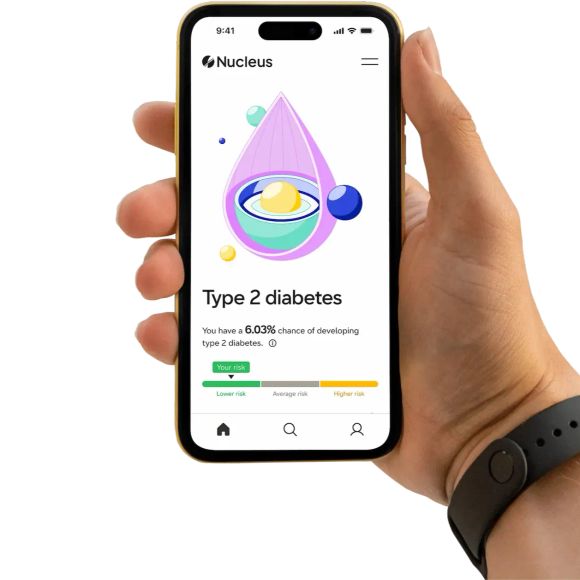
Nucleus Genomics

Nucleus Genomics offers personalized genetic testing services designed to help individuals understand their unique genetic makeup. Their services provide insights into various aspects of health, including disease risk, ancestry, and personalized health recommendations.

Dr. Dominik Duscher
Dr. Dominik Duscher specializes in longevity medicine, regenerative medicine, and aesthetics. As an international pioneer in the field, he combines ultrapersonalized precision medicine with innovative therapies to enhance longevity, health, and beauty. His services include regenerative cosmeceuticals and the unique '3 Zellkompetenzen' concept for healthy aging.
Healthiest
Healthiest was founded by certified medical doctors in Belgium who specialise in longevity medicine. We are a physician-led clinical practice built for leaders whose decisions carry weight.
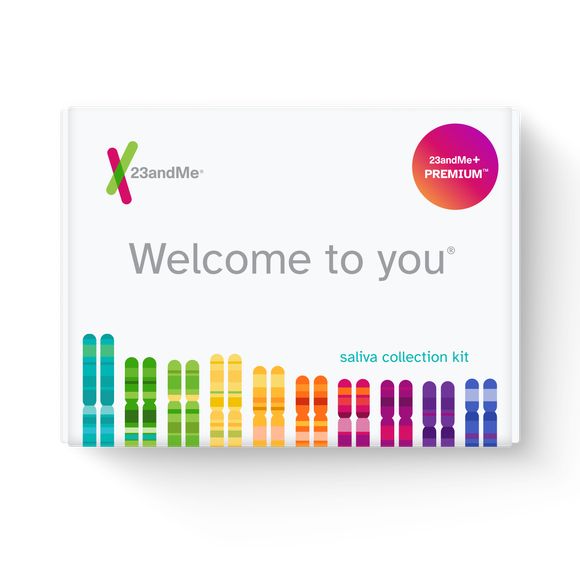
23andMe

23andMe offers DNA genetic testing for health, ancestry, and more. Their services provide comprehensive insights into your ancestry and health through genetic data, helping you understand your genetic makeup and how it impacts your health.

tellmeGen
tellmeGen offers comprehensive DNA testing kits that provide insights into genetic vulnerabilities, pharmacological compatibilities, hereditary conditions, ancestry, and personal traits. Their tests are designed to help individuals understand their genetic makeup and make informed health and wellness decisions.

Preventicum
Preventicum is a specialized medical center offering interdisciplinary clinical services in internal medicine, cardiology, gastroenterology, and radiology.

Curitt
Curitt offers comprehensive health checkups and diagnostic services, including blood tests, genetic testing, and full-body health assessments. Their personalized approach provides detailed health reports and recommendations to help individuals optimize their well-being and prevent diseases.

Nordic Labs
Nordic Labs offers advanced laboratory testing services designed to provide practitioners with detailed insights into their patients' health. Their tests cover a wide range of areas, including cardiovascular health, toxicity, gastrointestinal functions, and genetic testing, helping to personalize treatment and improve health outcomes.