Knowledge
Magazine
-

The 24-Hour Sleep Model: Why Better Sleep Starts the Morning Before
8 min read
-

Eating for Longevity: Lessons From the World's Oldest People
9 min read
-

The Summer Health Kit: Supplies and Gadgets for Hot Days and Warm Nights
9 min read
Weekly picks on longevity, brands, and health science. No spam—unsubscribe anytime.
Tools
- →The 30s Longevity Guide for Women
- →Postpartum Recovery Guide
- →Perimenopause Longevity Guide
- →Dopamine Reset Guide
- →Pregnancy Longevity Guide
- →Peptide Guide
- →Home Detox Guide
- →Slow Aging Guide
- →Pro Supplement Guide
- →Safe Supplement Guide
- →Bio Age Calculator
- →Blood Testing Guide
- →Deep Sleep Guide
- →Pro Longevity Dashboard
By Category
By Goal
Knowledge
- →What is Longevity?
- →Improve diet
- →More focus
- →Look younger
- →Lose weight
- →Track biomarkers
- →Improve sleep
- →Build muscle
- →Increase cardio
- →Detect diseases
- →Recover faster
- →Relieve stress
Magazine
-
The 24-Hour Sleep Model: Why Better Sleep Starts the Morning Before
8 min read
-
Eating for Longevity: Lessons From the World's Oldest People
9 min read
-
The Summer Health Kit: Supplies and Gadgets for Hot Days and Warm Nights
9 min read
Weekly picks on longevity, brands, and health science. No spam—unsubscribe anytime.
Brands
- →Apps
- →At Home Tests & Kits
- →Events
- →Experts & Clinics
- →Foods & Beverages
- →Gadgets & Equipment
- →Gyms & Workouts
- →Supplements
- →Travel & Retreats
- →Wearables & Trackers
Tools
- →The 30s Longevity Guide for Women
- →Postpartum Recovery Guide
- →Perimenopause Longevity Guide
- →Dopamine Reset Guide
- →Pregnancy Longevity Guide
- →Peptide Guide
- →Home Detox Guide
- →Slow Aging Guide
- →Pro Supplement Guide
- →Safe Supplement Guide
- →Bio Age Calculator
- →Blood Testing Guide
- →Deep Sleep Guide
- →Pro Longevity Dashboard

Discover
Connect
Longevity Knowledge BETA
Gut
Table of Contents
Your gut is a metabolic organ, not just a digestive tube
The human gut contains around 38 trillion microorganisms, bacteria, archaea, fungi, and viruses, that collectively encode over 3 million genes. That's roughly 150 times more genetic material than the human genome. This community synthesizes vitamins (K2, B12, folate), metabolizes bile acids, trains immune cells, and produces neurotransmitters. About 95% of the body's serotonin and 50% of its dopamine originate in the enteric nervous system, a network of 500 million neurons lining the gastrointestinal tract [1].
Around 70-80% of immune cells reside in gut-associated lymphoid tissue (GALT). That makes intestinal health a direct controller of immune function, not a secondary factor.
Why microbiome diversity determines health outcomes
Microbial diversity, the number and balance of species present, is the strongest single predictor of gut health. Higher diversity correlates with lower rates of obesity, type 2 diabetes, inflammatory bowel disease, and depression. Reduced diversity, on the other hand, accelerates "inflammaging," the chronic low-grade inflammation that drives biological aging [2].
This decline isn't fixed. A 2025 prospective study of adults aged 60 and above, including 27 participants over 90, confirmed that centenarians and long-lived populations maintain higher microbial diversity than typical elderly adults. They show elevated levels of Akkermansia muciniphila, Bifidobacterium, and butyrate-producing species like Faecalibacterium prausnitzii [3].
The primary driver of diversity is dietary fiber variety. Data from the American Gut Project showed that people eating 30 or more different plant species per week had significantly more diverse microbiomes than those eating fewer than 10 [4].
- Prebiotic fibers (inulin, FOS, resistant starch) selectively feed Bifidobacterium and Akkermansia
- Fermented foods (sauerkraut, kimchi, kefir, yogurt) introduce live cultures and their metabolites
- Polyphenol-rich foods (berries, dark chocolate, green tea, olive oil) function as prebiotics with anti-inflammatory effects
- Fiber variety matters more than total volume: each fiber type feeds different bacterial populations
Intestinal barrier integrity and leaky gut
The intestinal epithelium is a single-cell-thick barrier. It absorbs nutrients while keeping pathogens out. When this barrier breaks down, a condition called increased intestinal permeability or "leaky gut," bacterial endotoxins (lipopolysaccharides) enter the bloodstream and trigger systemic inflammation. Chronic low-grade endotoxemia is linked to metabolic syndrome, autoimmune conditions, and neuroinflammation [5].
A 2024 meta-analysis of 46 clinical trials found that probiotics and synbiotics significantly reduced lipopolysaccharide levels, confirming their role in reinforcing barrier function [6]. Key strategies for maintaining barrier integrity include minimizing ultra-processed food and emulsifiers, managing stress (cortisol directly increases permeability), consuming adequate zinc and vitamin A, and eating butyrate-producing fibers that fuel colonocytes.
Exercise reshapes the gut microbiome
Physical activity directly changes microbial composition. A 2024 systematic review found that combining aerobic and resistance training significantly increases bacterial diversity and short-chain fatty acid production [7]. Even moderate exercise, 150 to 270 minutes per week, measurably shifts the microbiome toward anti-inflammatory profiles. However, prolonged high-intensity exercise without adequate recovery can temporarily increase intestinal permeability, so balance matters.
Gut health and longevity
Centenarian microbiome studies consistently find distinct signatures: higher short-chain fatty acid producers, lower inflammatory species, and greater overall stability [3]. Butyrate, the primary fuel for colon cells, declines with age. This decline weakens the mucus layer, increases permeability, and promotes inflammation that reaches the brain [8]. Maintaining butyrate production through fiber-rich diets is one of the most straightforward interventions for healthy aging.
Investing in gut health isn't just about digestion. It's a systemic strategy affecting immune resilience, metabolic flexibility, mental health, and the pace of biological aging.
References
- 1. The Vagus Nerve at the Interface of the Microbiota-Gut-Brain Axis (Frontiers in Neuroscience, 2018)
- 2. The gut microbiota and aging: interactions, implications, and interventions (Frontiers in Aging, 2025)
- 3. Healthy Ageing and Gut Microbiota: A Study on Longevity in Adults (Microorganisms, 2025)
- 4. American Gut: an Open Platform for Citizen Science Microbiome Research (mSystems, 2018)
- 5. Gut microbiota, intestinal permeability, and systemic inflammation: a narrative review (Internal and Emergency Medicine, 2023)
- 6. Reinforcing gut integrity: a systematic review and meta-analysis of clinical trials assessing probiotics, synbiotics, and prebiotics on intestinal per...
- 7. Physical Exercise and the Gut Microbiome: A Bidirectional Relationship Influencing Health and Performance (Nutrients, 2024)
- 8. Short-Chain Fatty Acids and Human Health: From Metabolic Pathways to Current Therapeutic Implications (Life, 2024)
Eat 30+ plant species per week
Combine cardio and strength training for your gut
Feed your colon with butyrate-producing fibers
Manage stress to protect your gut barrier
Aim for 30 Different Plants Per Week
Include Fermented Foods Daily
Protect Your Intestinal Barrier
Support the Gut-Brain Axis Through Lifestyle
Use Antibiotics Judiciously and Recover Afterward
How do I know if my gut health is bad?
How long does it take to improve gut health?
Are probiotics or prebiotics better for gut health?
Can exercise really improve gut health?
What is leaky gut and is it real?
What is the gut microbiome and why does it matter?
What is the gut-brain axis?
What is leaky gut and is it a real condition?
What is the difference between prebiotics and probiotics?
How does gut health affect longevity?

Most Replayed Moment: Are You Really Gluten Intolerant? It Could Be This Instead!

Essentials: Control Sugar Cravings & Metabolism with Science-Based Tools
The Best Vitality & Health Protocols | Dr. Rhonda Patrick
Essentials: The Biology of Taste Perception & Sugar Craving | Dr. Charles Zuker
Top CIA Security Advisor: Jeffrey Epstein Epstein Was A Made Up Person & They Can See Your Messages!

#109 How To Boost NAD Levels To Fight Inflammation, Improve Recovery, and Slow Aging | Dr. Charles Brenner
No discussions yet
Be the first to start a discussion about Gut.
Related Articles


Community Discussions
Related Brands

Viome

Viome offers at-home microbiome health tests and custom-formulated supplements and probiotics for gut health, oral health, and full-body health. Their solutions include personalized nutrition recommendations based on microbiome analysis.
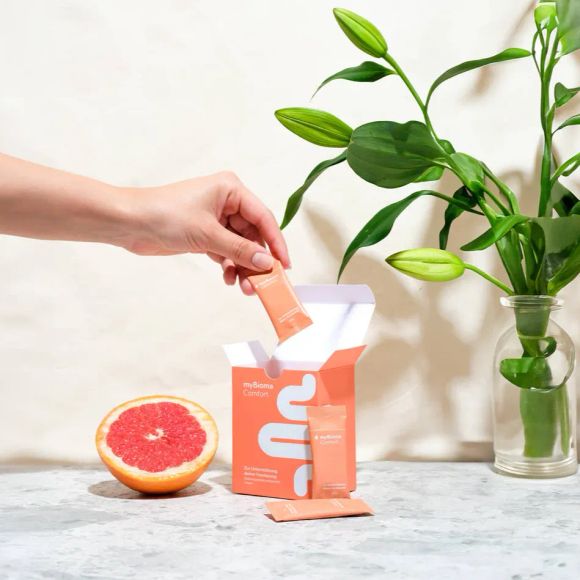
myBioma
myBioma offers advanced microbiome testing to help users understand their gut health. Their tests provide detailed insights into the composition of your gut flora and its impact on overall health.
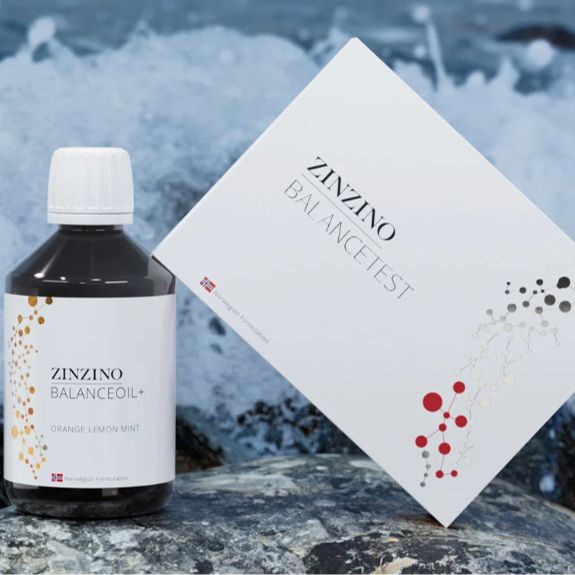
Zinzino
Zinzino offers a range of health and wellness products, including omega supplements, immune supplements, gut health supplements, weight management products, and home health tests. Their scientifically backed products are designed to support optimal health and well-being.
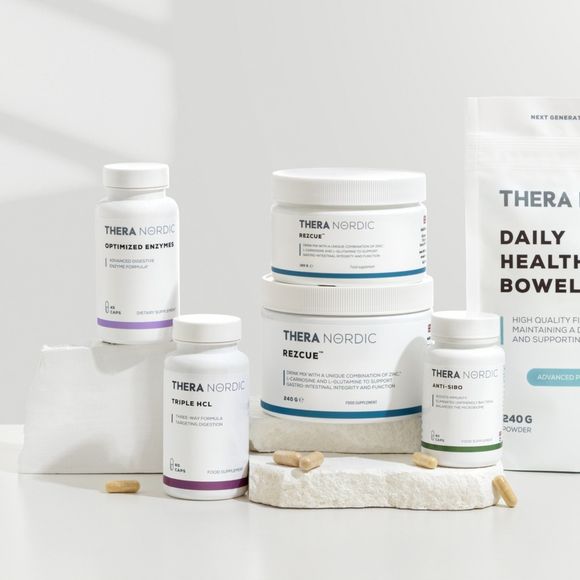
THERA Nordic
THERA Nordic offers a range of health and wellness products designed to support gut health, digestive issues, and overall well-being.
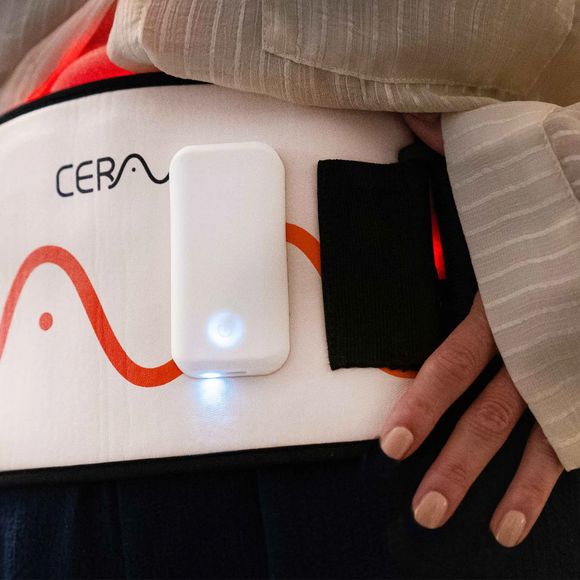
CeraThrive
CeraThrive offers the first FDA-listed Red Light Therapy device designed to support the Gut-Brain Axis.
Seed
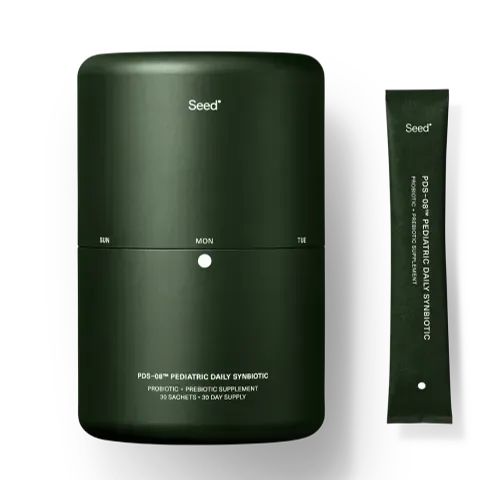
Seed offers advanced probiotics and synbiotics designed to support gut, vaginal, and overall health. Their products are rooted in rigorous scientific research and are developed with sustainability and efficacy in mind. Moreover, Seed Health pioneers microbiome science for human and planetary health. Utilizing advanced computational biology, microbial genomics, and ultra-deep sequencing, Seed Health develops innovative products and solutions for health and sustainability.

Oxford Healthspan
Oxford Healthspan offers Primeadine®, a spermidine-based supplement designed to promote healthy aging by enhancing cellular renewal, improving gut health, and combating inflammation. Their products are rooted in rigorous scientific research, providing a natural and effective solution for those looking to slow the aging process at a cellular level.
Pendulum
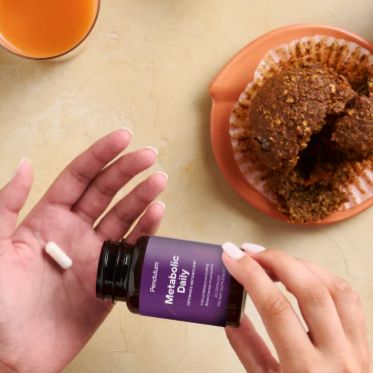
Pendulum offers next-generation probiotics designed to support gut health, metabolism, and overall well-being. Their products, including strains like Akkermansia and GLP-1 Probiotic, are backed by rigorous scientific research and clinical trials, making them a trusted choice for those looking to optimize their gut microbiome.
Medivere
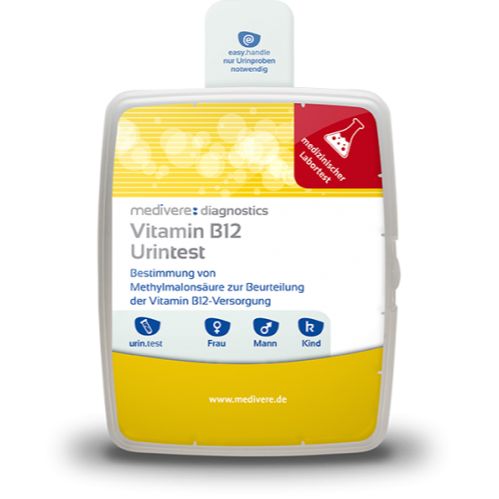
Medivere offers advanced diagnostic tests and health services, providing consumers with access to modern lab diagnostics from the comfort of their homes. Their product range includes various health checks and lab tests that cover aspects like gut health, hormone balance, and environmental toxins.

Tiny Health
Tiny Health offers at-home gut health tests for families, focusing on babies and children, to help detect gut imbalances and provide actionable insights for better health.