Knowledge
Magazine
-

The 24-Hour Sleep Model: Why Better Sleep Starts the Morning Before
8 min read
-

Eating for Longevity: Lessons From the World's Oldest People
9 min read
-

The Summer Health Kit: Supplies and Gadgets for Hot Days and Warm Nights
9 min read
Weekly picks on longevity, brands, and health science. No spam—unsubscribe anytime.
Tools
- →The 30s Longevity Guide for Women
- →Postpartum Recovery Guide
- →Perimenopause Longevity Guide
- →Dopamine Reset Guide
- →Pregnancy Longevity Guide
- →Peptide Guide
- →Home Detox Guide
- →Slow Aging Guide
- →Pro Supplement Guide
- →Safe Supplement Guide
- →Bio Age Calculator
- →Blood Testing Guide
- →Deep Sleep Guide
- →Pro Longevity Dashboard
By Category
By Goal
Knowledge
- →What is Longevity?
- →Improve diet
- →More focus
- →Look younger
- →Lose weight
- →Track biomarkers
- →Improve sleep
- →Build muscle
- →Increase cardio
- →Detect diseases
- →Recover faster
- →Relieve stress
Magazine
-
The 24-Hour Sleep Model: Why Better Sleep Starts the Morning Before
8 min read
-
Eating for Longevity: Lessons From the World's Oldest People
9 min read
-
The Summer Health Kit: Supplies and Gadgets for Hot Days and Warm Nights
9 min read
Weekly picks on longevity, brands, and health science. No spam—unsubscribe anytime.
Brands
- →Apps
- →At Home Tests & Kits
- →Events
- →Experts & Clinics
- →Foods & Beverages
- →Gadgets & Equipment
- →Gyms & Workouts
- →Supplements
- →Travel & Retreats
- →Wearables & Trackers
Tools
- →The 30s Longevity Guide for Women
- →Postpartum Recovery Guide
- →Perimenopause Longevity Guide
- →Dopamine Reset Guide
- →Pregnancy Longevity Guide
- →Peptide Guide
- →Home Detox Guide
- →Slow Aging Guide
- →Pro Supplement Guide
- →Safe Supplement Guide
- →Bio Age Calculator
- →Blood Testing Guide
- →Deep Sleep Guide
- →Pro Longevity Dashboard

Discover
Connect
Longevity Knowledge BETA
Herbs
Understanding medicinal herbs and their benefits
Herbs have served as humanity's primary healing resource for millennia. Modern phytotherapy applies scientific rigor to traditional botanical knowledge, isolating bioactive compounds that support health across multiple body systems. These plants contain alkaloids, flavonoids, polysaccharides, and essential oils that interact with human physiology in measurable ways [1].
Adaptogenic herbs for stress resilience
Adaptogens represent a specialized class of herbs that help the body adapt to environmental and psychological stressors. Ashwagandha has demonstrated cortisol-modulating effects in clinical trials, supporting stress recovery without causing dependence [2]. Rhodiola rosea shows promise for reducing fatigue under stressful conditions, while holy basil supports balanced inflammatory responses. These herbs work by modulating the hypothalamic-pituitary-adrenal axis, helping maintain homeostasis during challenging periods.
Culinary herbs with therapeutic power
Common kitchen herbs offer substantial health benefits beyond flavor enhancement. Turmeric contains curcumin, which has been extensively studied for its anti-inflammatory properties [3]. Ginger supports digestive function and circulation. Rosemary provides carnosic acid, which shows neuroprotective potential in research studies. Oregano delivers antimicrobial compounds including carvacrol and thymol. Regular consumption of these herbs through cooking provides low-dose, sustained exposure to beneficial phytochemicals.
Traditional applications supported by research
Several herbal applications have gained scientific validation. Echinacea and elderberry support immune function during seasonal challenges [4]. Hawthorn has documented cardiovascular benefits. Valerian root and passionflower support sleep quality through GABAergic mechanisms. The key to effective herbal supplementation lies in standardized extracts, proper dosing, and attention to potential drug interactions. Quality sourcing from reputable manufacturers ensures consistent concentrations of active compounds.
References
- 1. Herbal Medicine: Biomolecular and Clinical Aspects
- 2. A prospective, randomized double-blind, placebo-controlled study of safety and efficacy of a high-concentration full-spectrum extract of ashwagandha r...
- 3. Curcumin: A Review of Its Effects on Human Health
- 4. Echinacea for preventing and treating the common cold
Start with culinary herbs
Choose standardized extracts
Check for interactions
Consider curcumin with black pepper
Grow your own herbs
What are adaptogenic herbs and how do they work?
Can herbs interact with prescription medications?
How long does it take for herbal supplements to show effects?
Are fresh herbs better than dried or supplements?

Most Replayed Moment: The Antibiotic Alternative Big Pharma Doesn't Want You To Know!
No.1 Herbal Medicine Expert: This Over The Counter Drug Is Quietly Killing You & They’re Lying About Medicinal Plants!
No discussions yet
Be the first to start a discussion about Herbs.
Community Discussions
Related Brands
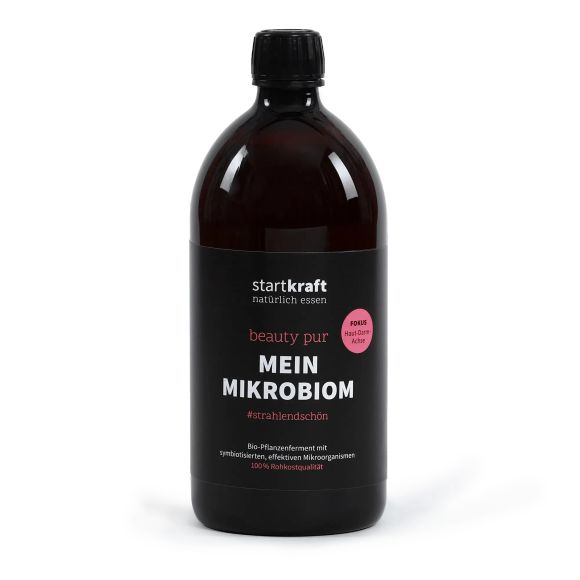
Startkraft

Startkraft is a German company specializing in high-quality, vegan raw food products crafted from sprouted and fermented ingredients, aimed at enhancing health and vitality.

Gaia Herbs
Gaia Herbs is a respected herbal supplement company, rooted in regenerative organic farming and rigorous quality control, offering single‑herb formulas, adaptogens, and blends that support immune, stress, cognitive, and metabolic health.

Source Naturals

Source Naturals® offers a comprehensive range of science-based nutritional supplements designed to support holistic health and wellness.

LaVita
LaVita offers a micronutrient concentrate made from over 70 varieties of fruits, vegetables, herbs, and oils, complemented with vitamins and trace elements to support a stable immune system and more energy.
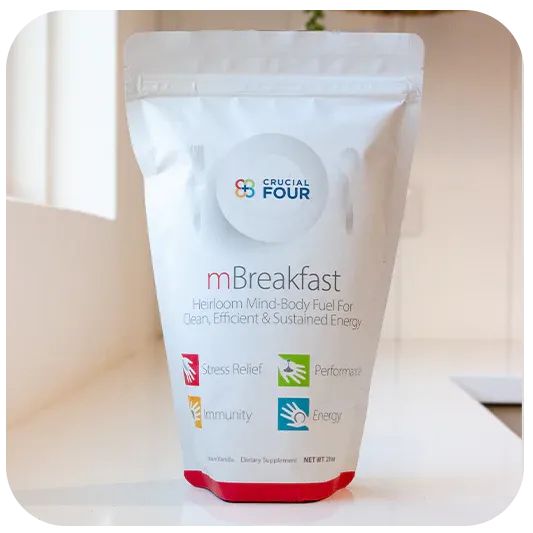
Crucial Four

Crucial Four offers a range of high-quality superfoods, herbs, and supplements designed to address the four foundational health pillars: nutrition, hydration, mineralization, and detoxification. Their products are crafted to support optimal health and well-being through natural, nutrient-dense ingredients.
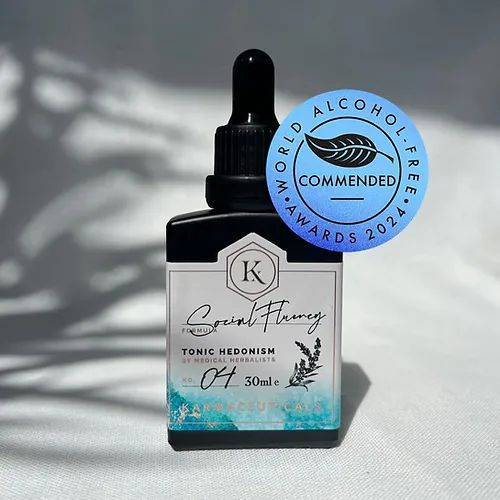
Karma-Ceuticals
Karma-Ceuticals offers a range of herbal-based products designed to support mental clarity, relaxation, and overall well-being. Their product line includes herbal tonics, elixirs, and supplements crafted to provide natural, effective solutions for enhancing cognitive function, promoting relaxation, and boosting energy levels.
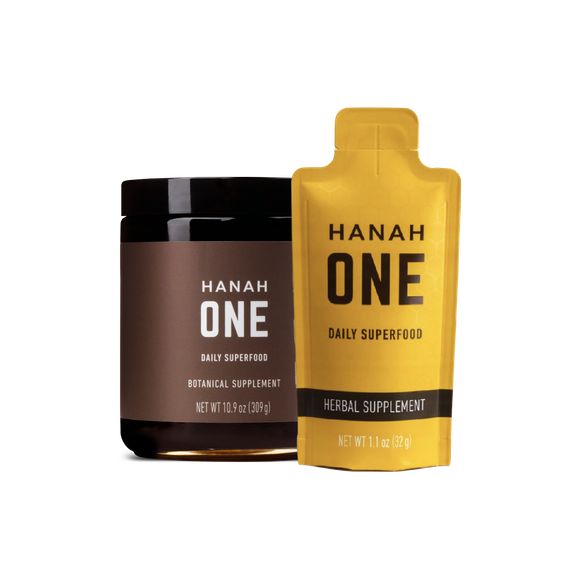
HANAH
HANAH offers 100% natural herbs, adaptogens, and superfood supplements designed to boost energy, immunity, and digestion. Their products are crafted with traditional Ayurvedic practices and are trusted by athletes and adventurers.
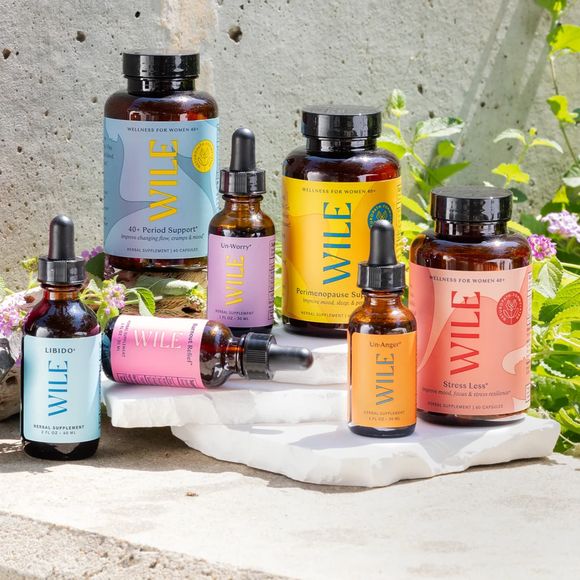
Wile
Wile Women crafts plant-based, naturopath-formulated supplements and tinctures designed to support women’s emotional health, hormonal balance, and wellbeing after age 40—a clean and clinically backed approach to thriving through midlife transitions.