Knowledge
Magazine
-

The 24-Hour Sleep Model: Why Better Sleep Starts the Morning Before
8 min read
-

Eating for Longevity: Lessons From the World's Oldest People
9 min read
-

The Summer Health Kit: Supplies and Gadgets for Hot Days and Warm Nights
9 min read
Weekly picks on longevity, brands, and health science. No spam—unsubscribe anytime.
Tools
- →The 30s Longevity Guide for Women
- →Postpartum Recovery Guide
- →Perimenopause Longevity Guide
- →Dopamine Reset Guide
- →Pregnancy Longevity Guide
- →Peptide Guide
- →Home Detox Guide
- →Slow Aging Guide
- →Pro Supplement Guide
- →Safe Supplement Guide
- →Bio Age Calculator
- →Blood Testing Guide
- →Deep Sleep Guide
- →Pro Longevity Dashboard
By Category
By Goal
Knowledge
- →What is Longevity?
- →Improve diet
- →More focus
- →Look younger
- →Lose weight
- →Track biomarkers
- →Improve sleep
- →Build muscle
- →Increase cardio
- →Detect diseases
- →Recover faster
- →Relieve stress
Magazine
-
The 24-Hour Sleep Model: Why Better Sleep Starts the Morning Before
8 min read
-
Eating for Longevity: Lessons From the World's Oldest People
9 min read
-
The Summer Health Kit: Supplies and Gadgets for Hot Days and Warm Nights
9 min read
Weekly picks on longevity, brands, and health science. No spam—unsubscribe anytime.
Brands
- →Apps
- →At Home Tests & Kits
- →Events
- →Experts & Clinics
- →Foods & Beverages
- →Gadgets & Equipment
- →Gyms & Workouts
- →Supplements
- →Travel & Retreats
- →Wearables & Trackers
Tools
- →The 30s Longevity Guide for Women
- →Postpartum Recovery Guide
- →Perimenopause Longevity Guide
- →Dopamine Reset Guide
- →Pregnancy Longevity Guide
- →Peptide Guide
- →Home Detox Guide
- →Slow Aging Guide
- →Pro Supplement Guide
- →Safe Supplement Guide
- →Bio Age Calculator
- →Blood Testing Guide
- →Deep Sleep Guide
- →Pro Longevity Dashboard

Discover
Connect
Longevity Knowledge BETA
Immune System
Table of Contents
Your immune system ages, too
Most people think of the immune system as something that either works or doesn't. The reality is more nuanced. After about age 20, the thymus gland (where T cells mature) begins to shrink. By 50, it's largely replaced by fatty tissue, and the supply of new, naive T cells drops sharply [1]. This process, called immunosenescence, explains why older adults respond more poorly to vaccines, catch infections more easily, and develop cancer at higher rates.
At the same time, aging brings a rise in baseline inflammation. Researchers call this "inflammaging": a chronic, low-grade inflammatory state driven by senescent cells, accumulated cellular damage, and shifts in immune cell populations [2]. Your body is simultaneously less capable of fighting new threats and more prone to damaging itself through misdirected inflammatory signaling. Understanding this trade-off is the starting point for any serious longevity strategy.
How the immune system actually works
Two branches handle defense. The innate immune system responds within minutes to hours. It includes physical barriers (skin, mucous membranes), chemical defenses (stomach acid, antimicrobial peptides), and cellular responders like macrophages, neutrophils, and natural killer (NK) cells. These cells recognize broad pathogenic patterns and don't need prior exposure to act.
The adaptive immune system takes days to mount a first response but remembers. B cells produce antibodies targeting specific pathogens. Cytotoxic T cells destroy infected or abnormal cells. Helper T cells coordinate the overall response. After an initial encounter, memory cells persist for years or decades, enabling faster reactions on re-exposure. This memory is what makes vaccination work.
The gut connection
Around 70 to 80% of your immune cells reside in gut-associated lymphoid tissue [3]. The intestinal microbiome directly trains and calibrates immune responses. Diverse gut bacteria produce short-chain fatty acids (SCFAs) like butyrate, which support regulatory T cells and help maintain immune tolerance. When gut diversity drops or the intestinal barrier weakens, bacterial endotoxins can enter the bloodstream and trigger systemic immune activation. This is one reason gut health and immune health are so tightly linked.
What actually strengthens immune function
Forget "immune boosting" supplements. The immune system is a balance, not a dial you turn up. An overactive immune system causes autoimmune disease and allergies. What you actually want is a well-regulated, responsive immune system. Here's what the evidence supports:
- Sleep: During sleep, your body produces cytokines needed for immune defense and antibody formation. Studies consistently show that sleeping less than 6 hours per night increases susceptibility to respiratory infections by 4.2 times compared to 7+ hours [4].
- Exercise: Moderate regular exercise enhances NK cell activity and improves immune surveillance. People who exercise regularly get sick less often, and vaccines work better for them. Aim for 150+ minutes of moderate activity per week [5].
- Nutrition: Vitamin D regulates the expression of hundreds of immune-related genes and deficiency is common, especially in northern latitudes. Zinc is a cofactor for over 2,000 human proteins including many in immune signaling. Vitamin C supports neutrophil function. But supplements only help when you're actually deficient [6]. A varied diet with sufficient protein, colorful vegetables, and fermented foods covers most people's needs.
- Stress management: Chronically elevated cortisol suppresses lymphocyte proliferation and reduces antibody production. Regular stress reduction through meditation, time outdoors, or social connection measurably improves immune parameters.
Emerging interventions in immune aging
Longevity research is increasingly focused on reversing immunosenescence. Rapamycin (an mTOR inhibitor) has shown promise in improving vaccine responses in older adults [7]. Senolytic compounds that clear senescent cells may reduce the inflammatory burden that drives inflammaging. Thymus regeneration research, while still early, aims to restore the organ's ability to produce new T cells. Metformin and NAD+ precursors are also being studied for their immune-modulating effects [2].
None of these are ready for routine use yet. For now, the lifestyle fundamentals (sleep, exercise, nutrition, stress management, gut health) remain the most effective and evidence-backed tools for maintaining immune function as you age.
References
- 1. Immunosenescence: Aging and Immune System Decline
- 2. Targeting immunosenescence and inflammaging: advancing longevity research
- 3. The Interplay between the Gut Microbiome and the Immune System in the Context of Infectious Diseases throughout Life and the Role of Nutrition in Opti...
- 4. Innate and Adaptive Immunity in Aging and Longevity: The Foundation of Resilience
- 5. Physical Activity and Nutritional Influence on Immune Function: An Important Strategy to Improve Immunity and Health Status
- 6. Micro nutrients as immunomodulators in the ageing population: a focus on inflammation and autoimmunity
- 7. The 3 I's of immunity and aging: immunosenescence, inflammaging, and immune resilience
Sleep is your best immune defense
Move regularly, but don't overdo it
Feed your gut bacteria
Check your vitamin D level
Manage chronic stress
Which supplements actually help the immune system?
Can you actually "boost" your immune system?
What is immunosenescence and why should I care?
How does gut health affect the immune system?

#395 - Brain lipidology: understanding APOE, cholesterol homeostasis, Alzheimer's disease risk, and the effects of lipid-lowering therapies on brain health | Tom Dayspring, M.D.

Peptides: The Science, Uses & Safety | Dr. Abud Bakri
The Best Vitality & Health Protocols | Dr. Rhonda Patrick
Avoiding, Treating & Curing Cancer With the Immune System | Dr. Alex Marson

The Athlete's Guide to Iron: Testing, Deficiency and Performance - Rachel Arthur
Essentials: Using Light to Optimize Health
No discussions yet
Be the first to start a discussion about Immune System.
Related Articles


Related Brands
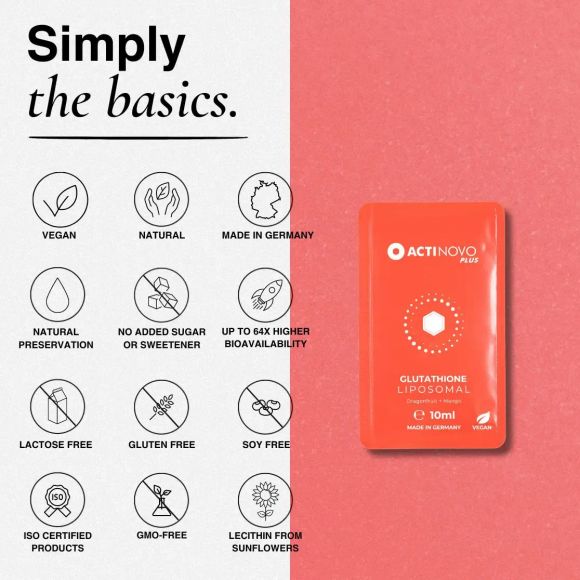
ActiNovo

ActiNovo specializes in liposomal supplements that enhance the bioavailability of essential nutrients and vitamins. Their products are designed to support overall health, including immune function, energy levels, and cognitive performance.
Fairvital
Fairvital offers a wide range of high-quality bioactive nutritional supplements designed to support health and well-being, including vitamins, minerals, plant extracts, and more, catering to various health needs.
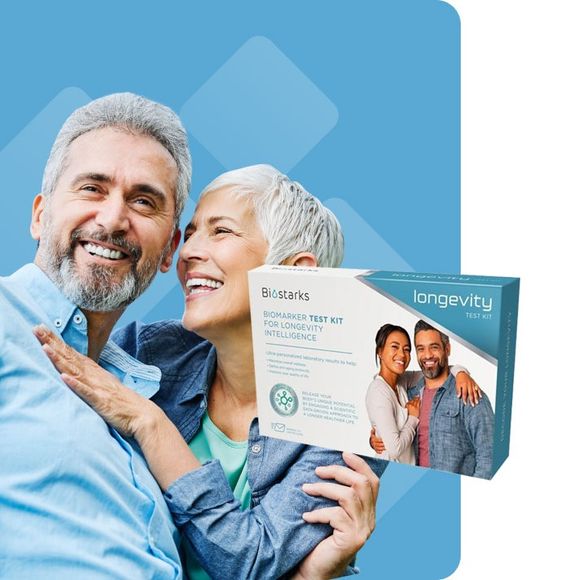
Biostarks
Biostarks, founded in 2020 by Pierre-Edouard Sottas, specializes in at-home biomarker test kits that provide personalized insights into health and wellness. Their offerings include tests for longevity, sports performance, nutrition, immunity, vitamin D levels, hair health, energy, and sleep, enabling individuals to make informed decisions about their well-being.
Lebe Pur
Lebepur offers natural superfoods and organic blends, crafted to support a healthy lifestyle and boost vitality. Their products prioritize purity, sustainability, and convenience, empowering individuals to integrate superfoods into their daily routines.
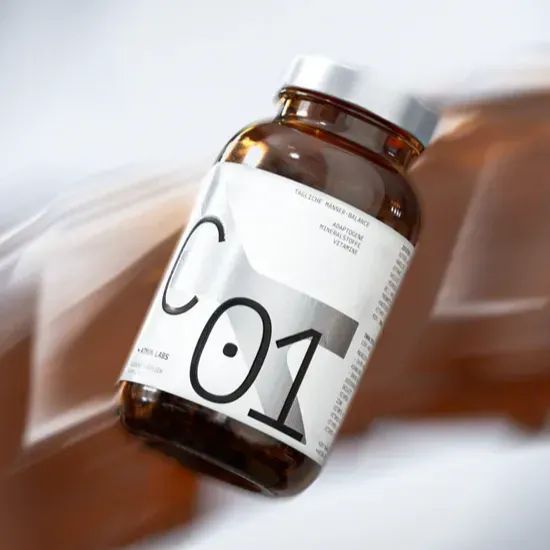
Atmon Labs
ATMON LABS is a company dedicated to enhancing men’s health by naturally supporting testosterone production. Their flagship product, C 01, is a scientifically formulated supplement designed to boost testosterone levels, increase energy, and improve overall male well-being.
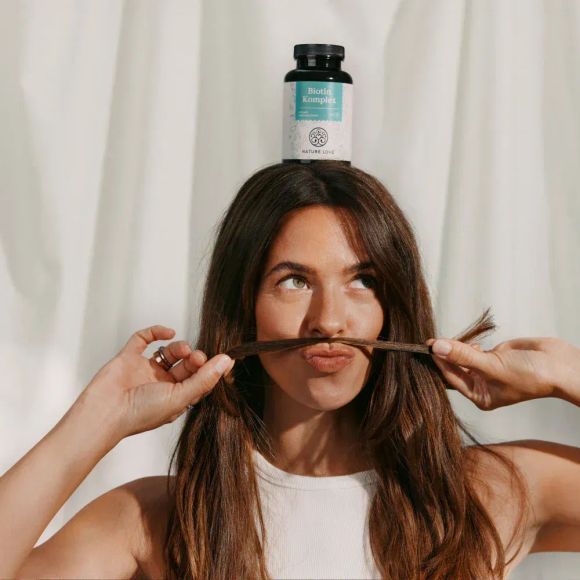
Nature Love

Nature Love specializes in high-quality dietary supplements, offering a wide range of products designed to support various health needs such as immune system support, beauty and anti-aging, digestion, and sleep. Developed by experts, their supplements are carefully crafted using natural ingredients to ensure effectiveness and safety.

LaVita
LaVita offers a micronutrient concentrate made from over 70 varieties of fruits, vegetables, herbs, and oils, complemented with vitamins and trace elements to support a stable immune system and more energy.
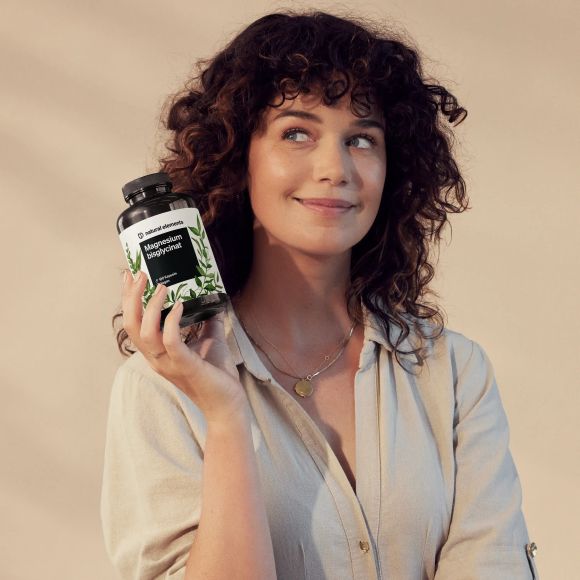
Natural Elements
Natural Elements offers a range of natural supplements designed to support various health needs, including beauty and anti-aging, immune system, bones and mobility, sports and energy, digestion and weight, and overall well-being.
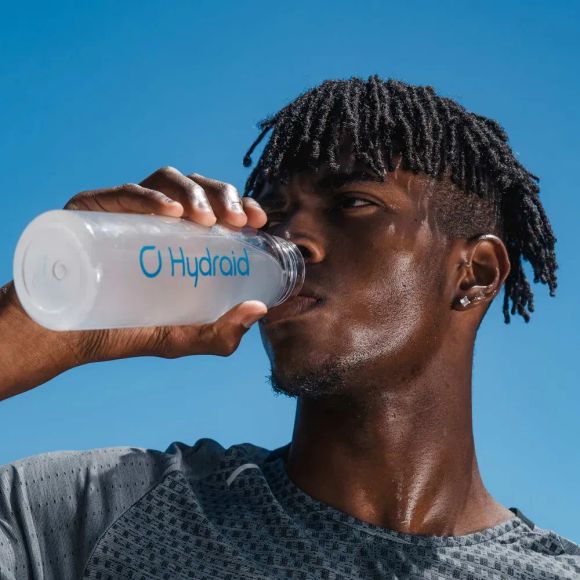
Hydraid

Hydraid offers the Hydration Helper®, a scientifically formulated oral rehydration solution designed to rapidly replenish fluids and electrolytes lost during physical activity, supporting optimal hydration and recovery.

Human Upgrade
Human Upgrade provides data‑driven longevity and performance programs combining advanced diagnostics, biomarker analysis, and personalized coaching to optimize sleep, metabolism, microbiome, and overall wellness.