Knowledge
Magazine
-

The 24-Hour Sleep Model: Why Better Sleep Starts the Morning Before
8 min read
-

Eating for Longevity: Lessons From the World's Oldest People
9 min read
-

The Summer Health Kit: Supplies and Gadgets for Hot Days and Warm Nights
9 min read
Weekly picks on longevity, brands, and health science. No spam—unsubscribe anytime.
Tools
- →The 30s Longevity Guide for Women
- →Postpartum Recovery Guide
- →Perimenopause Longevity Guide
- →Dopamine Reset Guide
- →Pregnancy Longevity Guide
- →Peptide Guide
- →Home Detox Guide
- →Slow Aging Guide
- →Pro Supplement Guide
- →Safe Supplement Guide
- →Bio Age Calculator
- →Blood Testing Guide
- →Deep Sleep Guide
- →Pro Longevity Dashboard
By Category
By Goal
Knowledge
- →What is Longevity?
- →Improve diet
- →More focus
- →Look younger
- →Lose weight
- →Track biomarkers
- →Improve sleep
- →Build muscle
- →Increase cardio
- →Detect diseases
- →Recover faster
- →Relieve stress
Magazine
-
The 24-Hour Sleep Model: Why Better Sleep Starts the Morning Before
8 min read
-
Eating for Longevity: Lessons From the World's Oldest People
9 min read
-
The Summer Health Kit: Supplies and Gadgets for Hot Days and Warm Nights
9 min read
Weekly picks on longevity, brands, and health science. No spam—unsubscribe anytime.
Brands
- →Apps
- →At Home Tests & Kits
- →Events
- →Experts & Clinics
- →Foods & Beverages
- →Gadgets & Equipment
- →Gyms & Workouts
- →Supplements
- →Travel & Retreats
- →Wearables & Trackers
Tools
- →The 30s Longevity Guide for Women
- →Postpartum Recovery Guide
- →Perimenopause Longevity Guide
- →Dopamine Reset Guide
- →Pregnancy Longevity Guide
- →Peptide Guide
- →Home Detox Guide
- →Slow Aging Guide
- →Pro Supplement Guide
- →Safe Supplement Guide
- →Bio Age Calculator
- →Blood Testing Guide
- →Deep Sleep Guide
- →Pro Longevity Dashboard

Discover
Connect
Longevity Knowledge BETA
Kettlebell
Table of Contents
What is kettlebell training?
Kettlebell training is a form of resistance exercise using cast-iron weights with handles that originated in 18th-century Russia. Unlike dumbbells, kettlebells have an offset center of mass, which creates unique demands on your grip, core, and stabilizing muscles. The fundamental movement is the kettlebell swing, an explosive hip-hinge pattern that engages the posterior chain while elevating heart rate.
Strength and power benefits
Research demonstrates that kettlebell training produces measurable improvements in both maximum and explosive strength. In a randomized controlled trial, six weeks of biweekly kettlebell swing training increased maximal strength by 9.8% and vertical jump height by 19.8% [1]. These gains were comparable to those achieved through traditional jump squat power training, suggesting kettlebells offer an efficient alternative for strength development.
Another study comparing weightlifting to kettlebell training found both methods effectively increased strength and power over six weeks, though weightlifting produced slightly greater strength gains [2]. However, kettlebell training offers additional benefits including improved grip endurance and core stability that traditional barbell work may not emphasize as heavily.
Cardiovascular and metabolic effects
Kettlebell swings function as a high-intensity interval training modality. A 10-week study with US Air Force personnel found that continuous kettlebell swing training maintained aerobic fitness while significantly improving 40-yard dash times and push-up performance [3]. Participants achieved average heart rates of 85-90% maximum during swing protocols, indicating substantial cardiovascular stimulus.
The metabolic cost of kettlebell training is significant. A 20-minute kettlebell workout can burn approximately 400 calories while simultaneously building strength, making it an efficient option for those with limited training time.
Functional movement patterns
Kettlebell exercises emphasize hip extension and posterior chain activation, movement patterns essential for athletic performance and daily activities. The swing, clean, and snatch all require coordinated power generation from the hips and legs while maintaining spinal neutrality. This carries over to sprinting, jumping, and lifting mechanics.
Training with kettlebells also develops grip strength and endurance, shoulder stability, and core anti-rotation capabilities. These qualities support injury resilience and performance across multiple physical domains.
Getting started
Beginners should master the hip hinge pattern before adding weight. Start with a moderate weight (12-16kg for most adults) to feel the movement mechanics. Focus on driving through the hips rather than lifting with the arms. Two to three sessions per week allow adequate recovery while building proficiency.
Progress gradually by increasing volume before weight. Learn the swing first, then progress to goblet squats, cleans, and Turkish get-ups. Consider working with a certified instructor initially to ensure proper form and prevent injury.
References
- 1. Lake JP, Lauder MA. Kettlebell swing training improves maximal and explosive strength. J Strength Cond Res. 2012;26(8):2228-2233.
- 2. Otto WH 3rd, Coburn JW, Brown LE, Spiering BA. Effects of weightlifting vs. kettlebell training on vertical jump, strength, and body composition. J St...
- 3. Wade M, O'Hara R, Caldwell L, Ordway J, Bryant D. Continuous One-Arm Kettlebell Swing Training on Physiological Parameters in US Air Force Personnel:...
Master the Hip Hinge First
Start with Heavier Bells
Train Intervals, Not Reps
Focus on the Turkish Get-Up
Keep Your Feet Rooted
Progress systematically
Prioritize technique over weight
Use intervals for conditioning
How is kettlebell training different from dumbbell training?
What weight kettlebell should beginners start with?
Can kettlebell swings replace cardio exercise?
How often should I do kettlebell training?
What weight kettlebell should I start with?
Can I build muscle with kettlebells alone?
Are kettlebell swings safe for your back?

The Correct Way to Build Strength, Endurance & Flexibility at Any Age | Pavel Tsatsouline
No discussions yet
Be the first to start a discussion about Kettlebell.
Community Discussions
Related Brands
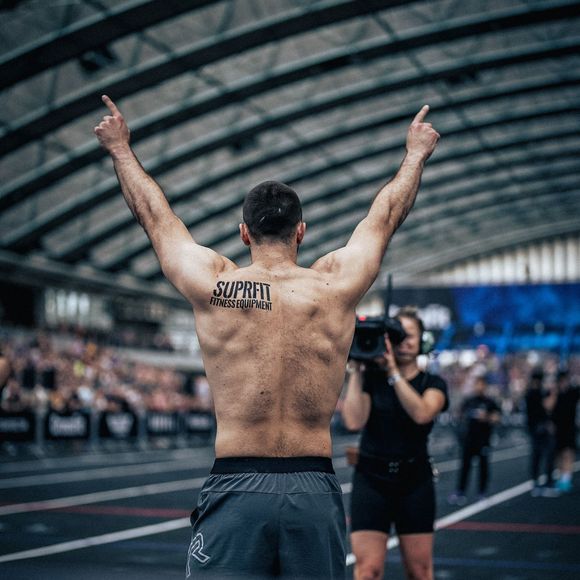
Suprfit

Suprfit provides high-quality fitness equipment for home gyms, boxes, and gyms, supporting athletes in achieving their personal goals.
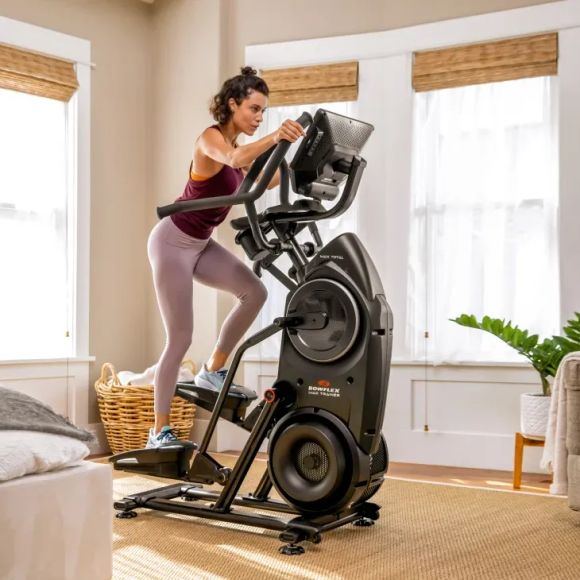
bowflex

BowFlex is a leading provider of innovative home fitness equipment, offering a diverse range of products including home gyms, cardio machines, and adjustable strength-training devices designed to accommodate various fitness levels and goals.
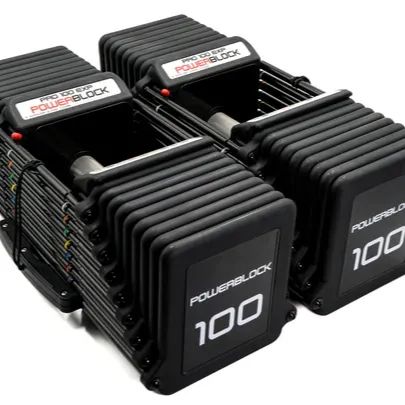
PowerBlock
PowerBlock offers adjustable dumbbells and home gym equipment designed to provide versatile and space-saving solutions for strength training. Their products include a range of adjustable dumbbells, kettlebells, benches, and accessories, ideal for both personal and commercial use.
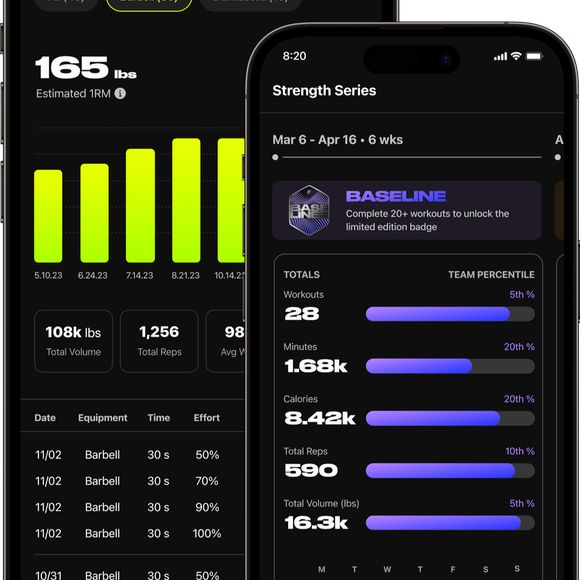
Join Laddar
Ladder is a fitness app offering structured strength training programs led by expert coaches, featuring in-ear guidance, video demonstrations, and community support to help users achieve their fitness goals.
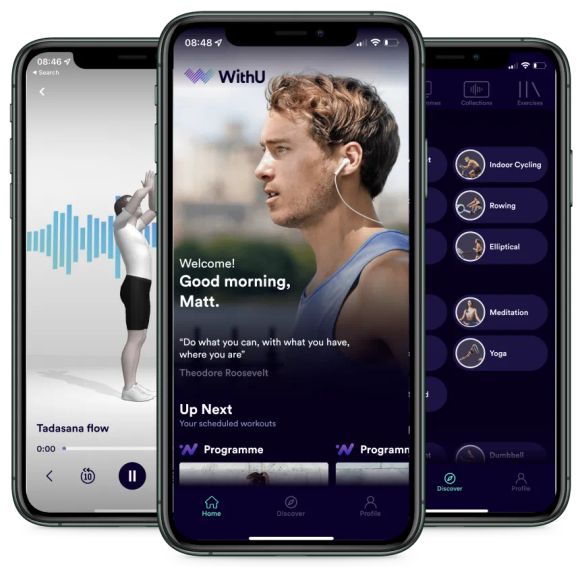
WithU
WithU is a fitness app offering over 1,000 immersive audio-guided workouts across various disciplines, including HIIT, running, strength training, yoga, and more. Led by expert coaches, these sessions provide flexibility and convenience, allowing users to train anytime and anywhere.
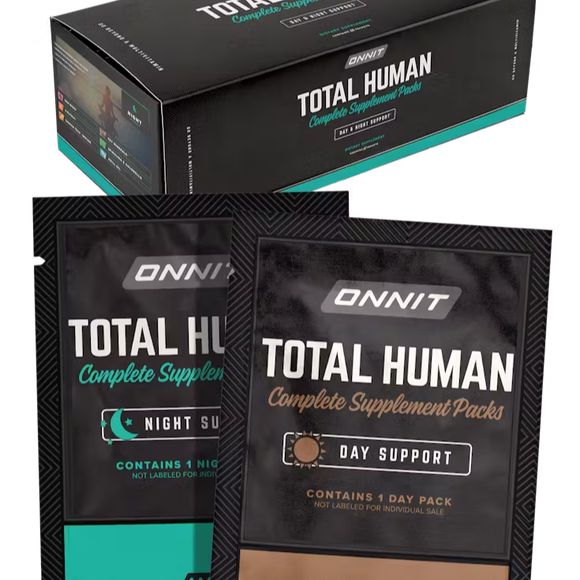
Onnit
Onnit is a leading brand offering premium supplements, fitness equipment, and lifestyle products designed to optimize performance, enhance health, and support holistic well-being.