Knowledge
Magazine
-

The 24-Hour Sleep Model: Why Better Sleep Starts the Morning Before
8 min read
-

Eating for Longevity: Lessons From the World's Oldest People
9 min read
-

The Summer Health Kit: Supplies and Gadgets for Hot Days and Warm Nights
9 min read
Weekly picks on longevity, brands, and health science. No spam—unsubscribe anytime.
Tools
- →The 30s Longevity Guide for Women
- →Postpartum Recovery Guide
- →Perimenopause Longevity Guide
- →Dopamine Reset Guide
- →Pregnancy Longevity Guide
- →Peptide Guide
- →Home Detox Guide
- →Slow Aging Guide
- →Pro Supplement Guide
- →Safe Supplement Guide
- →Bio Age Calculator
- →Blood Testing Guide
- →Deep Sleep Guide
- →Pro Longevity Dashboard
By Category
By Goal
Knowledge
- →What is Longevity?
- →Improve diet
- →More focus
- →Look younger
- →Lose weight
- →Track biomarkers
- →Improve sleep
- →Build muscle
- →Increase cardio
- →Detect diseases
- →Recover faster
- →Relieve stress
Magazine
-
The 24-Hour Sleep Model: Why Better Sleep Starts the Morning Before
8 min read
-
Eating for Longevity: Lessons From the World's Oldest People
9 min read
-
The Summer Health Kit: Supplies and Gadgets for Hot Days and Warm Nights
9 min read
Weekly picks on longevity, brands, and health science. No spam—unsubscribe anytime.
Brands
- →Apps
- →At Home Tests & Kits
- →Events
- →Experts & Clinics
- →Foods & Beverages
- →Gadgets & Equipment
- →Gyms & Workouts
- →Supplements
- →Travel & Retreats
- →Wearables & Trackers
Tools
- →The 30s Longevity Guide for Women
- →Postpartum Recovery Guide
- →Perimenopause Longevity Guide
- →Dopamine Reset Guide
- →Pregnancy Longevity Guide
- →Peptide Guide
- →Home Detox Guide
- →Slow Aging Guide
- →Pro Supplement Guide
- →Safe Supplement Guide
- →Bio Age Calculator
- →Blood Testing Guide
- →Deep Sleep Guide
- →Pro Longevity Dashboard

Discover
Connect
Longevity Knowledge BETA
Lungs
Table of Contents
How your lungs power longevity
Your lungs process about 11,000 liters of air daily, extracting oxygen that fuels every cell in your body. This gas exchange happens across 300 million microscopic alveoli with a combined surface area of roughly 70 square meters—about the size of a tennis court. Research shows lung function is a strong predictor of mortality independent of smoking history [1]. Adults in the lowest quartile of forced expiratory volume face significantly higher all-cause mortality risk compared to those with healthy lung capacity.
Air pollution: the invisible threat
Particulate matter (PM2.5) penetrates deep into lung tissue, triggering inflammation and oxidative stress that accelerates age-related decline [2]. Children exposed to high pollution show measurable reductions in lung development, while adults face increased risks of asthma, COPD, and cardiovascular disease. Indoor air quality matters equally—cooking fumes, volatile organic compounds from household products, and mold accumulate in enclosed spaces [5]. Monitoring air quality indices and using HEPA filtration reduces exposure significantly.
Breathing exercises that work
Diaphragmatic breathing reduces exercise-induced oxidative stress and improves oxygen delivery to tissues [3]. For those with respiratory conditions, structured breathing exercises improve symptoms and quality of life [6]. Box breathing (4-4-4-4 pattern) activates the parasympathetic nervous system, while pursed-lip breathing prevents airway collapse during exhalation. Even 5-10 minutes of daily practice strengthens respiratory muscles within weeks.
VO2max: your fitness score predicts lifespan
VO2max measures how much oxygen your body can use during intense exercise. Systematic reviews confirm it is one of the strongest predictors of all-cause mortality—moving from the bottom quartile to above-average fitness reduces mortality risk substantially [4]. Regular zone 2 cardio (60-70% max heart rate) improves VO2max by 10-30% over several months, directly benefiting both lung capacity and cardiovascular health.
References
- 1. Lung function and mortality in the United States: data from the First National Health and Nutrition Examination Survey follow-up study
- 2. Effects of air pollution on lung function and lung development in children
- 3. Diaphragmatic breathing reduces exercise-induced oxidative stress
- 4. VO2max and all-cause mortality: a systematic review and meta-analysis
- 5. Indoor air pollution and respiratory health
- 6. Breathing exercises for chronic obstructive pulmonary disease
Practice diaphragmatic breathing daily
Build VO2max with zone 2 cardio
Check air quality before outdoor exercise
Try box breathing for stress and lung control
Improve indoor air quality with plants and filters
Build aerobic fitness for lung capacity
Avoid all forms of smoke exposure
Improve indoor air quality for lung protection
Try pursed-lip breathing for better exhalation
Does lung function predict how long you live?
Can you improve lung capacity as an adult?
Is nasal breathing better than mouth breathing?
How does exercise improve respiratory health?
How can I improve my lung capacity naturally?
What are the best breathing exercises for healthy lungs?
How does air pollution affect lung health?
What is VO2max and why does it matter?

Essentials: Breathing for Mental & Physical Health & Performance | Dr. Jack Feldman

Most Replayed Moment: Simple Breathing Techniques To Reduce Stress Fast! - James Nestor
Vitamin D Expert: The Fastest Way To Dementia & The Dangerous Lie You've Been Told About Sunlight!
Essentials: Improving Health With Stronger Brain-Body Connection
How to Enhance Your Immune System | Dr. Roger Seheult
No discussions yet
Be the first to start a discussion about Lungs.

Related Brands

ARMRA Colostrum

ARMRA Colostrum™ is a premium bovine colostrum supplement designed to strengthen immune barriers, optimize gut health, and enhance overall vitality.
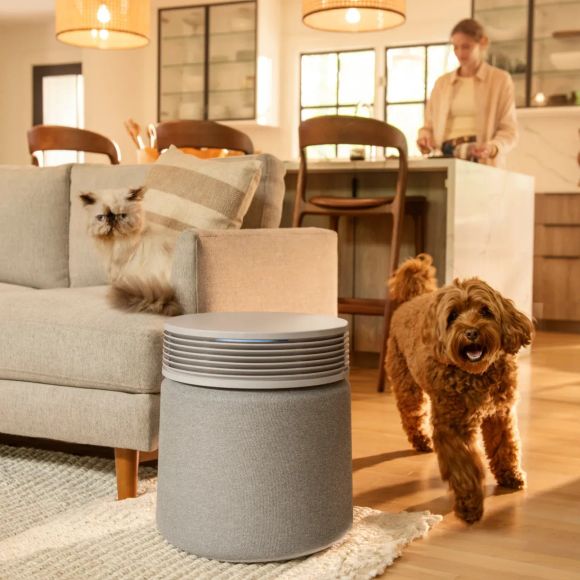
Blueair

Experience cleaner, healthier indoor air with Blueair’s advanced purification systems. By efficiently removing airborne pollutants, allergens, and more, Blueair helps you breathe easier and supports your journey toward enhanced well-being and longevity.

Airofit

Airofit offers the world's smartest and most innovative breathing trainer, the Airofit Pro 2.0.

Dogscan
Dogscan is a unique early lung cancer detection service that utilizes specially trained dogs to sniff out cancer indicators, providing a non-invasive, at-home testing solution.
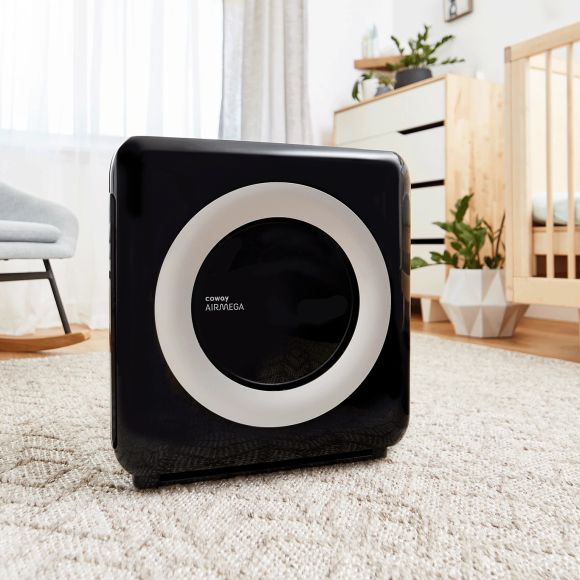
Coway
Elevate your pursuit of a long, healthy life with Coway advanced air and water purification solutions. By filtering out hidden pollutants, allergens, and unwanted chemicals, Coway helps cultivate an indoor environment that aligns perfectly with your wellness and longevity goals.
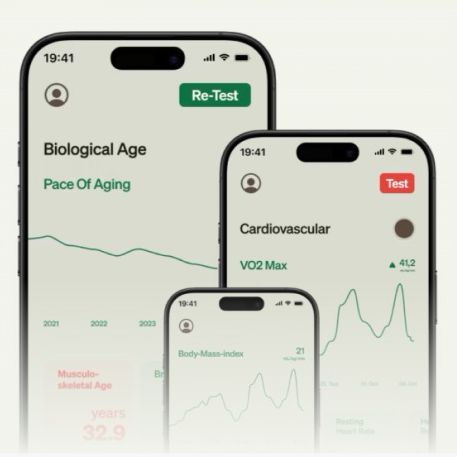
Liv Longevity Labs
Liv Longevity Labs offers a home‑based blood‑test membership with 100+ lab biomarkers and AI‑driven insights to track biological aging, disease risks, and organ health—helping you add healthy years.