Knowledge
Magazine
-

The 24-Hour Sleep Model: Why Better Sleep Starts the Morning Before
8 min read
-

Eating for Longevity: Lessons From the World's Oldest People
9 min read
-

The Summer Health Kit: Supplies and Gadgets for Hot Days and Warm Nights
9 min read
Weekly picks on longevity, brands, and health science. No spam—unsubscribe anytime.
Tools
- →The 30s Longevity Guide for Women
- →Postpartum Recovery Guide
- →Perimenopause Longevity Guide
- →Dopamine Reset Guide
- →Pregnancy Longevity Guide
- →Peptide Guide
- →Home Detox Guide
- →Slow Aging Guide
- →Pro Supplement Guide
- →Safe Supplement Guide
- →Bio Age Calculator
- →Blood Testing Guide
- →Deep Sleep Guide
- →Pro Longevity Dashboard
By Category
By Goal
Knowledge
- →What is Longevity?
- →Improve diet
- →More focus
- →Look younger
- →Lose weight
- →Track biomarkers
- →Improve sleep
- →Build muscle
- →Increase cardio
- →Detect diseases
- →Recover faster
- →Relieve stress
Magazine
-
The 24-Hour Sleep Model: Why Better Sleep Starts the Morning Before
8 min read
-
Eating for Longevity: Lessons From the World's Oldest People
9 min read
-
The Summer Health Kit: Supplies and Gadgets for Hot Days and Warm Nights
9 min read
Weekly picks on longevity, brands, and health science. No spam—unsubscribe anytime.
Brands
- →Apps
- →At Home Tests & Kits
- →Events
- →Experts & Clinics
- →Foods & Beverages
- →Gadgets & Equipment
- →Gyms & Workouts
- →Supplements
- →Travel & Retreats
- →Wearables & Trackers
Tools
- →The 30s Longevity Guide for Women
- →Postpartum Recovery Guide
- →Perimenopause Longevity Guide
- →Dopamine Reset Guide
- →Pregnancy Longevity Guide
- →Peptide Guide
- →Home Detox Guide
- →Slow Aging Guide
- →Pro Supplement Guide
- →Safe Supplement Guide
- →Bio Age Calculator
- →Blood Testing Guide
- →Deep Sleep Guide
- →Pro Longevity Dashboard

Discover
Connect
Longevity Knowledge BETA
Meals
Table of Contents
Strategic meal planning for metabolic health
Meal planning extends beyond simple calorie counting to encompass nutrient timing, macronutrient distribution, and meal composition designed to optimize energy production, metabolic health, and sustained satiety. Strategic meal planning considers individual metabolic rate, activity level, circadian rhythms, and specific health goals. Research demonstrates that regular meal timing helps synchronize the body's internal clock, optimizing cortisol rhythm, insulin sensitivity, and digestive enzyme secretion [3].
Meal timing and circadian rhythms
Your body operates on a 24-hour cycle known as the circadian rhythm, which regulates metabolism, hormone production, and cellular repair [5]. Eating in alignment with these natural rhythms supports metabolic health. Studies show that consuming larger meals earlier in the day, when insulin sensitivity is highest, may improve glucose control and weight management compared to eating the same foods in the evening [3].
Intermittent fasting approaches
Time-restricted eating has gained attention for its metabolic benefits. The 16/8 method (16 hours fasting, 8 hours eating) is the most studied approach. Research indicates that restricting eating to daytime hours supports insulin sensitivity, reduces inflammation markers, and may promote cellular repair processes [2]. However, benefits appear to come primarily from reduced calorie intake rather than timing alone [1].
Macronutrient balance per meal
Consuming adequate protein distributed across meals (25-40g per meal) maintains amino acid availability for muscle protein synthesis and satiety signaling [4]. Timing carbohydrate intake around activity windows optimizes glycogen replenishment. Pre-workout meals should emphasize easily digestible carbohydrates and moderate protein, while post-workout meals combine carbohydrates with protein to stimulate recovery.
Meal frequency considerations
The optimal number of meals per day varies by individual. Some people thrive on three square meals, while others prefer smaller, more frequent eating. What matters most is total daily nutrient intake and consistency. Spreading protein intake across multiple meals appears more beneficial for muscle maintenance than consuming it in one or two large doses [4].
Portion control strategies
Effective portion control relies on awareness and habit formation rather than constant measuring. Using smaller plates, eating slowly, and stopping at 80% fullness are practical approaches. Protein and fiber at each meal increase satiety, naturally reducing overall intake without conscious restriction.
References
- 1. Intermittent fasting and weight loss: Systematic review and meta-analysis
- 2. Time-restricted eating effects on body composition and metabolic health
- 3. Meal frequency and timing are associated with cardiometabolic health
- 4. Protein distribution across meals and muscle protein synthesis
- 5. Circadian rhythms and meal timing: implications for metabolic health
Front-load your calories
Align eating with daylight
Distribute protein evenly
Use the 80% rule
Build meals around protein and fiber
Build balanced plates
How much protein should I eat per meal?
Is intermittent fasting effective for weight loss?
How many meals should I eat per day?
What is the best time to eat for metabolic health?
Is intermittent fasting better than regular meal patterns for weight loss?
How many meals should I eat per day for optimal metabolic health?
Does eating late at night negatively impact health?

Anti-Aging Expert: This Reverses Gray Hair & Boosts Your Energy!
Women’s Fitness Expert: What You NEED To Know About Dieting & Exercise | Dr. Stephanie Estima
Most Replayed Moment: Is Milk Healthy? The Truth About Dairy, Sugar, Fruit And Fasting

Essentials: Sleep Toolkit for Optimizing Sleep & Sleep-Wake Timing
Eating for Better Sleep & Foods that Improve Metabolic Health | Dr. Marie-Pierre St-Onge
Essentials: Optimize Your Exercise Program with Science-Based Tools | Jeff Cavaliere
No discussions yet
Be the first to start a discussion about Meals.
Community Discussions
Related Brands
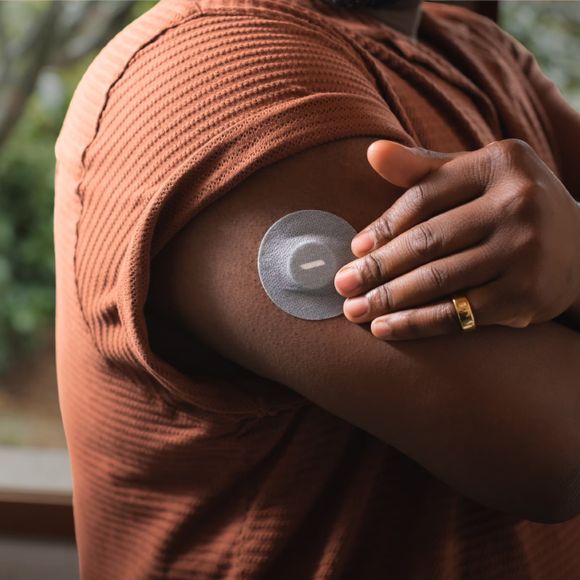
Veri

Veri offers a personalized metabolic health program using cutting-edge CGM technology. Their program helps users find the right foods, achieve health goals, and maintain stable blood sugar levels through continuous glucose monitoring and personalized guidance.
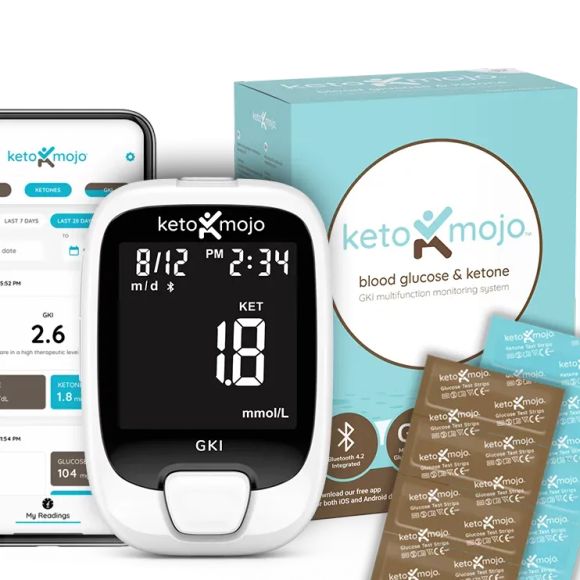
Keto-Mojo
Keto-Mojo provides tools and resources to support individuals on a ketogenic or low-carb lifestyle.

Wholey
Wholey Organics offers a range of organic, vegan breakfast products, including smoothie bowls, porridges, granolas, and nut butters, all free from artificial additives and refined sugars, designed for quick and nutritious meals.

Biocoach
BioCoach provides personalized nutrition solutions through an AI-driven platform, offering tailored meal plans and health tracking to simplify healthy eating and support individual health goals.
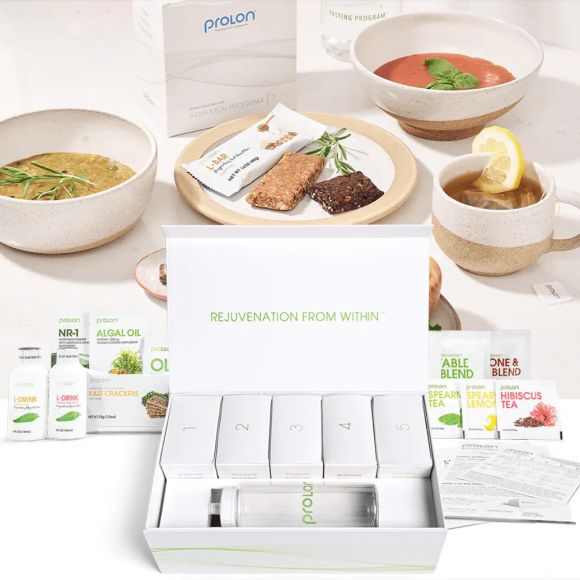
ProLon
ProLon offers a revolutionary 5-day Fasting Mimicking Diet—scientifically engineered to trigger the cellular benefits of water-only fasting, like autophagy and metabolic reset, while providing nourishing, plant-based meals.
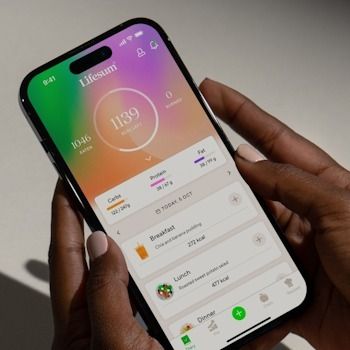
Lifesum

Lifesum is a health and wellness app that simplifies healthy living through personalized nutrition advice and tracking tools. It helps users improve their diet, achieve better sleep, boost energy, and manage weight with tailored meal plans and detailed nutrient breakdowns.
Lingo
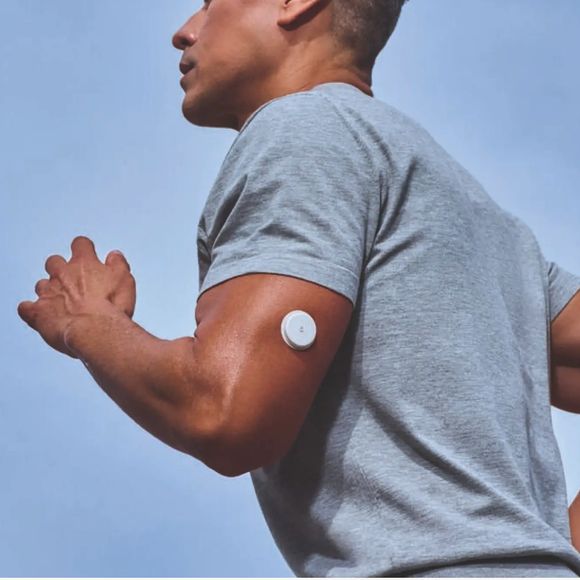
Hello Lingo (by Abbott) is a science-backed metabolic health system featuring a wearable continuous glucose monitor and companion app that tracks your glucose responses 24/7—empowering personalized insights into diet, exercise, stress, and habits.
Huel
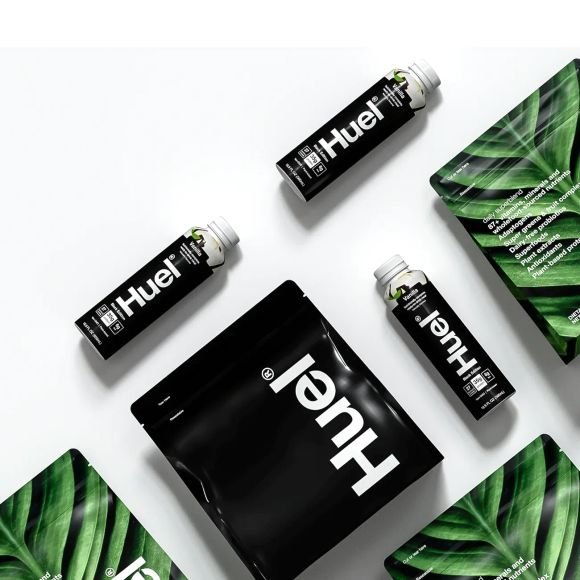
Huel offers nutritionally complete food products, including meal powders, ready-to-drink beverages, and bars. Their products are designed to provide a balanced diet with all the essential nutrients.

Blueprint

Blueprint by Bryan Johnson offers a range of products designed for optimal health and longevity, including meals, snacks, olive oil, supplements, and protein powder. The protocol is built on 74 interventions based on over 1,000 clinical trials.
Fuelin
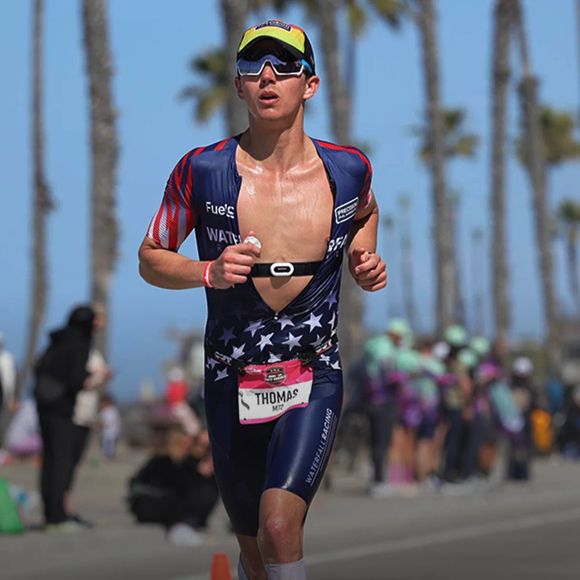
Fuelin is a personalized nutrition coaching app designed to help athletes optimize their performance through tailored nutrition plans. By syncing with training platforms, Fuelin provides customized daily macros, meal recommendations, and expert guidance to enhance training, recovery, and overall health.