Knowledge
Magazine
-

The 24-Hour Sleep Model: Why Better Sleep Starts the Morning Before
8 min read
-

Eating for Longevity: Lessons From the World's Oldest People
9 min read
-

The Summer Health Kit: Supplies and Gadgets for Hot Days and Warm Nights
9 min read
Weekly picks on longevity, brands, and health science. No spam—unsubscribe anytime.
Tools
- →The 30s Longevity Guide for Women
- →Postpartum Recovery Guide
- →Perimenopause Longevity Guide
- →Dopamine Reset Guide
- →Pregnancy Longevity Guide
- →Peptide Guide
- →Home Detox Guide
- →Slow Aging Guide
- →Pro Supplement Guide
- →Safe Supplement Guide
- →Bio Age Calculator
- →Blood Testing Guide
- →Deep Sleep Guide
- →Pro Longevity Dashboard
By Category
By Goal
Knowledge
- →What is Longevity?
- →Improve diet
- →More focus
- →Look younger
- →Lose weight
- →Track biomarkers
- →Improve sleep
- →Build muscle
- →Increase cardio
- →Detect diseases
- →Recover faster
- →Relieve stress
Magazine
-
The 24-Hour Sleep Model: Why Better Sleep Starts the Morning Before
8 min read
-
Eating for Longevity: Lessons From the World's Oldest People
9 min read
-
The Summer Health Kit: Supplies and Gadgets for Hot Days and Warm Nights
9 min read
Weekly picks on longevity, brands, and health science. No spam—unsubscribe anytime.
Brands
- →Apps
- →At Home Tests & Kits
- →Events
- →Experts & Clinics
- →Foods & Beverages
- →Gadgets & Equipment
- →Gyms & Workouts
- →Supplements
- →Travel & Retreats
- →Wearables & Trackers
Tools
- →The 30s Longevity Guide for Women
- →Postpartum Recovery Guide
- →Perimenopause Longevity Guide
- →Dopamine Reset Guide
- →Pregnancy Longevity Guide
- →Peptide Guide
- →Home Detox Guide
- →Slow Aging Guide
- →Pro Supplement Guide
- →Safe Supplement Guide
- →Bio Age Calculator
- →Blood Testing Guide
- →Deep Sleep Guide
- →Pro Longevity Dashboard

Discover
Connect
Longevity Knowledge BETA
Memory
Table of Contents
How memory works in the brain
Memory is not a single system but a collection of interconnected processes that encode, store, and retrieve information. The brain forms memories through synaptic plasticity, the ability of neurons to strengthen or weaken connections based on experience. Long-term potentiation (LTP) is the primary mechanism behind learning, where repeated stimulation strengthens synaptic transmission [1]. This molecular process underlies everything from remembering a phone number to mastering a new skill.
The hippocampus, a seahorse-shaped structure deep in the temporal lobe, plays a central role in forming new declarative memories. It acts as a temporary storage hub before memories are transferred to the neocortex for long-term storage [2]. This consolidation process often happens during sleep, which explains why pulling an all-nighter before an exam is counterproductive.
Types of memory systems
Memory operates across multiple distinct systems. Working memory holds roughly 5-9 items for seconds to minutes, acting as mental scratch paper for ongoing tasks. Long-term memory stores information indefinitely and divides into declarative (facts and events) and non-declarative (skills and habits) categories [3]. Procedural memory, the kind that lets you ride a bicycle without thinking, relies on the basal ganglia and cerebellum rather than the hippocampus.
Emotional memories are more readily retained due to amygdala activation during encoding. This explains why you remember where you were during significant life events but forget what you ate for lunch last Tuesday [4]. The consolidation window, typically 24-48 hours after learning, is when new memories are most vulnerable to disruption but also most receptive to strengthening through review.
Why memory declines with age
Some memory changes with age are normal. Processing speed slows, making it harder to multitask. Retrieving names and specific words takes longer. However, significant memory loss is not an inevitable part of aging. The brain maintains plasticity throughout life, capable of forming new neurons in the hippocampus and rewiring neural connections [5].
The primary factors driving age-related memory decline are reduced blood flow to the brain, decreased neurotransmitter production (particularly acetylcholine), and the accumulation of amyloid-beta and tau proteins that characterize Alzheimer's disease. Vascular health is critical: the same factors that damage blood vessels elsewhere (high blood pressure, diabetes, smoking) impair memory by reducing cerebral perfusion [6].
Evidence-based strategies for memory improvement
Aerobic exercise is one of the strongest interventions for preserving memory. A landmark study found that regular aerobic exercise increases hippocampal volume and improves spatial memory in older adults [7]. Exercise boosts brain-derived neurotrophic factor (BDNF), a protein that supports neuron growth and synaptic plasticity.
Sleep optimization is equally important. During slow-wave sleep, the brain consolidates declarative memories by replaying neural patterns from the day. REM sleep handles procedural memories and emotional processing. Even moderate sleep deprivation (6 hours or less) significantly impairs next-day memory formation [8].
Spaced repetition leverages the spacing effect, where information reviewed at increasing intervals is retained far better than material crammed in a single session. This approach, supported by over a century of research, is the foundation of most effective language learning and test preparation systems [9].
Mediterranean diet patterns show consistent associations with preserved cognitive function. The MIND diet, which emphasizes leafy greens, berries, nuts, and olive oil while limiting red meat and processed foods, is specifically designed to protect against cognitive decline [10].
Cognitive engagement builds cognitive reserve, the brain's resilience to damage. People with higher educational attainment and mentally stimulating careers show slower cognitive decline even when brain scans reveal underlying pathology. Learning new skills, particularly complex ones like a musical instrument or new language, challenges the brain in ways that routine activities do not.
References
- 1. Long-term potentiation and memory (Lynch, Physiological Reviews, 2004)
- 2. The role of the hippocampus in memory (Squire & Wixted, Cold Spring Harbor Perspectives in Biology, 2011)
- 3. Multiple memory systems in the brain (Eichenbaum, Current Opinion in Neurobiology, 2017)
- 4. Emotional modulation of memory (McGaugh, Dialogues in Clinical Neuroscience, 2018)
- 5. Adult neurogenesis and cognitive aging (Gage & Kempermann, Cell Stem Cell, 2018)
- 6. Vascular risk factors and dementia (Gorelick et al., Stroke, 2011)
- 7. Exercise training increases size of hippocampus and improves memory (Erickson et al., PNAS, 2011)
- 8. Sleep and memory consolidation (Rasch & Born, Physiological Reviews, 2013)
- 9. Spacing effects in learning (Cepeda et al., Psychological Bulletin, 2006)
- 10. MIND diet and cognitive decline (Morris et al., Alzheimer's & Dementia, 2015)
Walk for your memory
Sleep consolidates memories
Space out your learning
Eat berries for brain health
Learn something new
What is spaced repetition and why does it work?
Is memory loss inevitable with aging?
What is the difference between short-term and long-term memory?
How much sleep do I need for optimal memory?
Can memory supplements improve my memory?

Essentials: Psychedelics & Neurostimulation for Brain Rewiring | Dr. Nolan Williams
Essentials: The Science & Process of Healing from Grief
Essentials: Understand & Improve Memory Using Science-Based Tools
Essentials: Tools for Setting & Achieving Goals | Dr. Emily Balcetis

Brain Rot Emergency: These Internal Documents Prove They’re Controlling You!
Cognitive Decline Expert: The Disease That Starts in Your 30s but Kills You in Your 70s
No discussions yet
Be the first to start a discussion about Memory.
Community Discussions
Related Brands
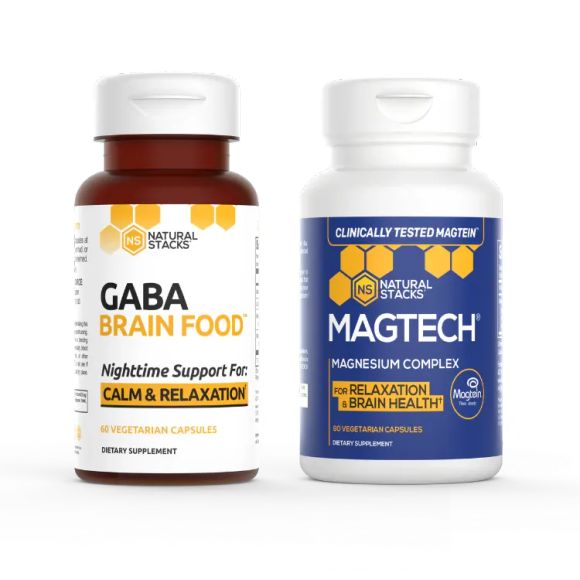
Natural Stacks

Natural Stacks, founded in 2013 by Ben Hebert and Roy Krebs, is a health and wellness company specializing in premium, open-source supplements designed to enhance brain health and overall well-being. Their product line includes formulations aimed at improving mood, sleep, focus, and cognitive function, all developed with a commitment to transparency and quality
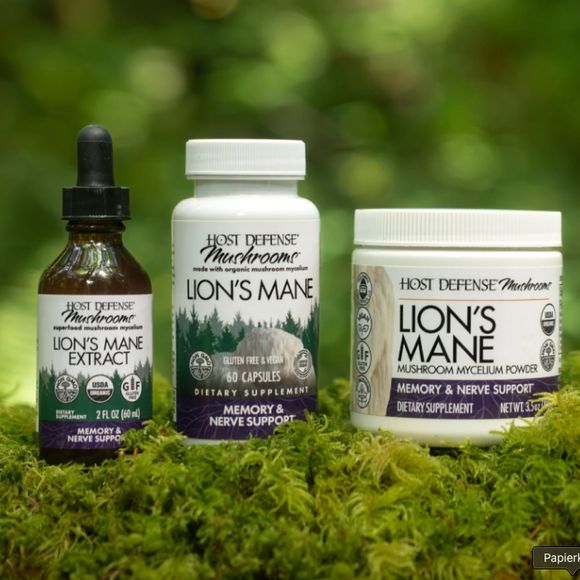
Fungi Perfecti
Fungi Perfecti, founded by mycologist Paul Stamets, is a family-owned company dedicated to promoting the cultivation and use of fungi for health and environmental benefits. Their offerings include a wide range of mushroom-based supplements under the Host Defense® brand, cultivation tools, educational resources, and sustainable solutions aimed at supporting people, bees, trees, and the planet.
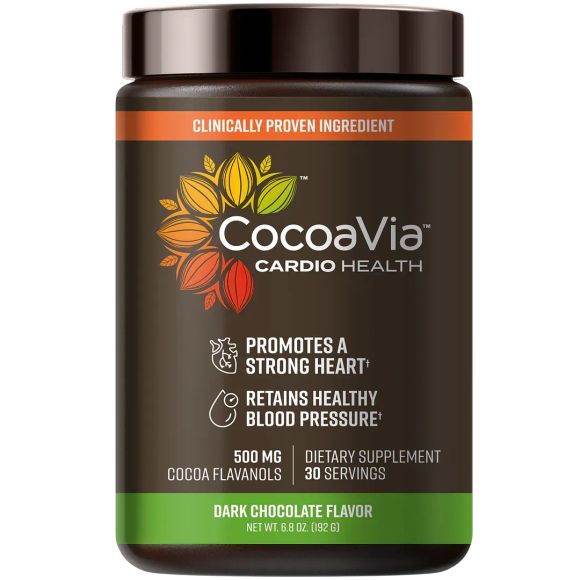
CocoaVia

CocoaVia offers a range of cocoa flavanol supplements designed to support heart, brain, and memory health. Their products are backed by scientific research and provide a natural way to promote cardiovascular and cognitive well-being.
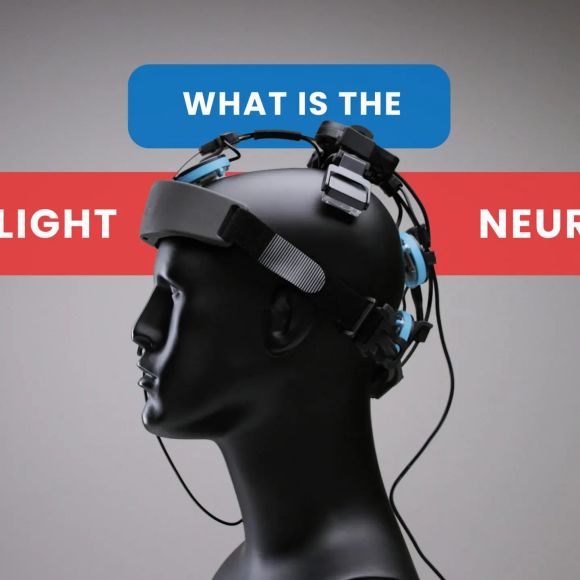
Vielight
Vielight, founded in 2011 by Dr. Lew Lim, specializes in non-invasive photobiomodulation (PBM) devices designed to enhance cognitive function and systemic health. Their innovative products combine transcranial and intranasal light delivery methods to stimulate cellular activity and improve overall well-being
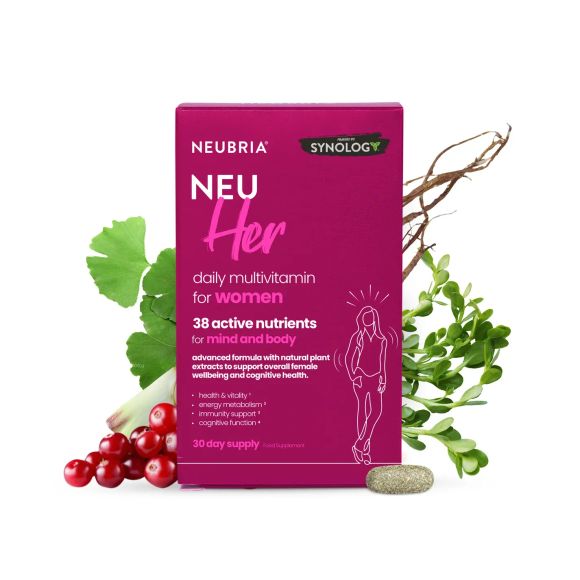
Neubria
Neubria offers a range of natural vitamins and supplements designed to support optimal physical and mental health, utilizing evidence-based science and botanically-based formulas.

C60
C60 Power, formerly known as C60 Purple Power, specializes in producing high-quality Carbon 60 (C60) supplements aimed at enhancing energy, vitality, and overall well-being. Their product line includes C60 infused in organic oils, gummies, skincare items, and pet supplements, all formulated with 99.99% pure, sublimated C60 and certified organic oils. C60 Power emphasizes rigorous third-party testing to ensure the safety, purity, and efficacy of their products.
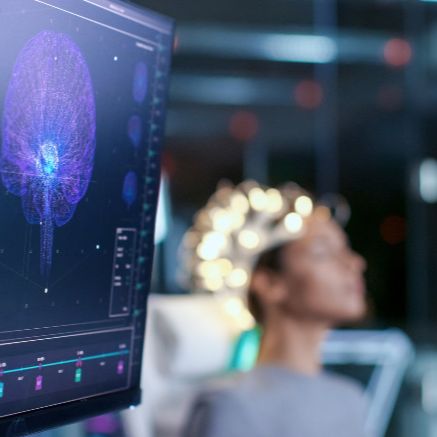
Connectome
Connectome is a pioneering brain health platform that offers personalized insights to enhance cognitive performance and well-being. Through a one-hour, non-invasive brain scan, users receive detailed analyses of their focus, memory, and stress management capabilities, accompanied by actionable strategies for improvement.