Knowledge
Magazine
-

The 24-Hour Sleep Model: Why Better Sleep Starts the Morning Before
8 min read
-

Eating for Longevity: Lessons From the World's Oldest People
9 min read
-

The Summer Health Kit: Supplies and Gadgets for Hot Days and Warm Nights
9 min read
Weekly picks on longevity, brands, and health science. No spam—unsubscribe anytime.
Tools
- →The 30s Longevity Guide for Women
- →Postpartum Recovery Guide
- →Perimenopause Longevity Guide
- →Dopamine Reset Guide
- →Pregnancy Longevity Guide
- →Peptide Guide
- →Home Detox Guide
- →Slow Aging Guide
- →Pro Supplement Guide
- →Safe Supplement Guide
- →Bio Age Calculator
- →Blood Testing Guide
- →Deep Sleep Guide
- →Pro Longevity Dashboard
By Category
By Goal
Knowledge
- →What is Longevity?
- →Improve diet
- →More focus
- →Look younger
- →Lose weight
- →Track biomarkers
- →Improve sleep
- →Build muscle
- →Increase cardio
- →Detect diseases
- →Recover faster
- →Relieve stress
Magazine
-
The 24-Hour Sleep Model: Why Better Sleep Starts the Morning Before
8 min read
-
Eating for Longevity: Lessons From the World's Oldest People
9 min read
-
The Summer Health Kit: Supplies and Gadgets for Hot Days and Warm Nights
9 min read
Weekly picks on longevity, brands, and health science. No spam—unsubscribe anytime.
Brands
- →Apps
- →At Home Tests & Kits
- →Events
- →Experts & Clinics
- →Foods & Beverages
- →Gadgets & Equipment
- →Gyms & Workouts
- →Supplements
- →Travel & Retreats
- →Wearables & Trackers
Tools
- →The 30s Longevity Guide for Women
- →Postpartum Recovery Guide
- →Perimenopause Longevity Guide
- →Dopamine Reset Guide
- →Pregnancy Longevity Guide
- →Peptide Guide
- →Home Detox Guide
- →Slow Aging Guide
- →Pro Supplement Guide
- →Safe Supplement Guide
- →Bio Age Calculator
- →Blood Testing Guide
- →Deep Sleep Guide
- →Pro Longevity Dashboard

Discover
Connect
Longevity Knowledge BETA
Mushrooms
Table of Contents
Why mushrooms matter for longevity
Mushrooms are one of the few foods that sit at the intersection of nutrition and pharmacology. Beyond providing fiber, B vitamins, selenium, and potassium, many species produce bioactive compounds that no other food group can match. Beta-glucans, terpenoids, and the amino acid ergothioneine work through distinct mechanisms to support immune function, protect the brain, and reduce oxidative damage. A 2021 meta-analysis of 17 observational studies found that people who ate about 18 grams of mushrooms daily (roughly two medium button mushrooms) had a 45% lower cancer risk compared to those who rarely ate them [1]. Epidemiological data from NHANES also links regular mushroom consumption to better cognitive performance in adults over 60 [2].
Ergothioneine: the longevity amino acid
Ergothioneine is a sulfur-containing amino acid that accumulates preferentially in tissues under high oxidative stress, including the brain, eyes, liver, and kidneys. The body has a dedicated transporter for it (OCTN1), which is unusual for a dietary compound and suggests biological importance. Mushrooms are by far the richest dietary source. Penn State researchers found that porcini mushrooms contain the highest concentrations, followed by shiitake, oyster, and maitake [3]. Blood levels of ergothioneine drop after age 60, and lower levels are associated with faster cognitive decline and higher cardiovascular mortality [4]. In animal studies, ergothioneine supplementation extended median lifespan by 16-21% [5].
Key species and what they do
Lion's mane (Hericium erinaceus)
Lion's mane is the only mushroom that directly stimulates nerve growth factor (NGF) and brain-derived neurotrophic factor (BDNF) through its unique compounds hericenones and erinacines. A placebo-controlled trial showed significant cognitive improvement in older adults with mild cognitive impairment after 16 weeks at 1,000 mg three times daily [6]. It also shows anxiolytic and antidepressant effects in human studies.
Reishi (Ganoderma lucidum)
Called the "mushroom of immortality" in Chinese medicine, reishi is an immunomodulator rather than a simple immune booster. Its triterpenes (ganoderic acids) have anti-inflammatory and hepatoprotective properties, while its polysaccharides activate natural killer cells. Reishi also promotes deeper sleep through GABAergic pathway modulation. Typical dosing is 1-3 grams of dual extract in the evening.
Cordyceps (Cordyceps militaris)
Cordyceps increases cellular ATP production and improves oxygen utilization. Its active compound cordycepin (3-deoxyadenosine) supports mitochondrial function. Clinical studies show improved VO2 max and reduced fatigue in both athletes and sedentary adults after 3 weeks of supplementation at 1-3 grams daily.
Turkey tail (Trametes versicolor)
Turkey tail contains two polysaccharides, PSK and PSP, that are approved as adjunctive cancer therapies in Japan and have been used clinically since 1977. These compounds enhance natural killer cell activity and T-cell proliferation. Turkey tail also acts as a prebiotic, feeding beneficial gut bacteria and increasing microbiome diversity [7].
Chaga (Inonotus obliquus)
Chaga has one of the highest ORAC (oxygen radical absorbance capacity) values of any natural substance, driven by its concentration of melanin, betulinic acid, and superoxide dismutase. Its beta-glucans prime innate immune cells without overstimulating the adaptive immune system.
Buying and using mushroom supplements
- Choose fruiting body extracts, not mycelium-on-grain products. Mycelium grown on rice or oats often contains 50-70% starch filler with minimal active compounds
- Look for dual extraction (hot water + alcohol) to get both water-soluble beta-glucans and alcohol-soluble terpenoids
- Check the label for beta-glucan content. Quality products specify at least 20-30%
- Culinary mushrooms like shiitake, maitake, and oyster mushrooms provide meaningful amounts of ergothioneine and beta-glucans through diet alone. You don't need supplements to benefit from mushrooms
References
- 1. Higher Mushroom Consumption Is Associated with Lower Risk of Cancer: A Systematic Review and Meta-Analysis (Advances in Nutrition, 2021)
- 2. Mushroom Intake and Cognitive Performance Among US Older Adults: NHANES 2011-2014 (2022)
- 3. Mushrooms are full of antioxidants that may have antiaging potential (Penn State, 2017)
- 4. Ergothioneine: an underrecognised dietary micronutrient required for healthy ageing? (British Journal of Clinical Pharmacology, 2023)
- 5. Mitigating Oxidative Stress and Promoting Cellular Longevity with Mushroom Extracts (Foods, 2024)
- 6. A review of the effects of mushrooms on mood and neurocognitive health across the lifespan (Neuroscience & Biobehavioral Reviews, 2024)
- 7. Immune Modulation From Five Major Mushrooms: Application to Integrative Oncology (PMC, 2014)
- 8. Long-term intake of Tamogi-take mushroom mitigates age-related cardiovascular dysfunction and extends healthy life expectancy (npj Aging, 2024)
Eat 18 grams of mushrooms daily
Choose fruiting body over mycelium products
Stack lion's mane for cognitive support
Use reishi in the evening for sleep
Prioritize ergothioneine-rich species
Which mushroom is best for brain health?
What does 'dual extraction' mean for mushroom supplements?
Are mushroom supplements safe to take daily?
What is the difference between fruiting body and mycelium supplements?
Can regular dietary mushrooms provide health benefits, or do I need supplements?

The No.1 Brain Doctor: "This Parenting Mistake Ruins Your Kids Brain!", "Alcohol or Marijuana Will Destroy Your Brain!", "A Stagnant Career Can Increase Your Chance Of Alzheimers!" - Dr Daniel Amen

Food allergies: causes, prevention, and treatment with immunotherapy | Kari Nadeau, M.D., Ph.D.
No discussions yet
Be the first to start a discussion about Mushrooms.

Related Brands
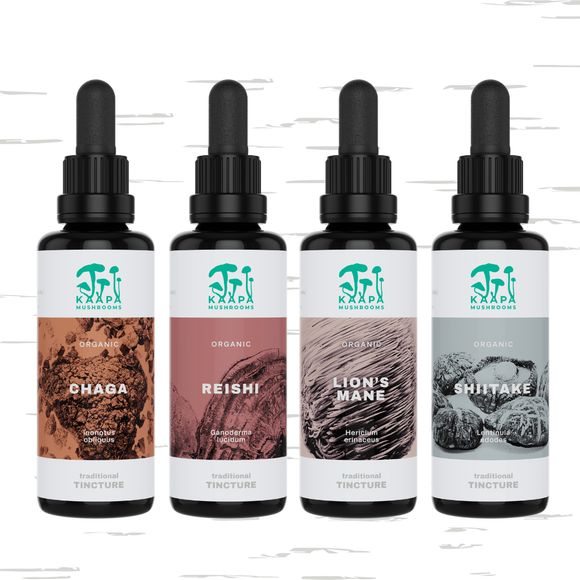
KÄÄPÄ Mushrooms

KÄÄPÄ Mushrooms utilizes the power of mushrooms to enhance the well-being of humans and forests.
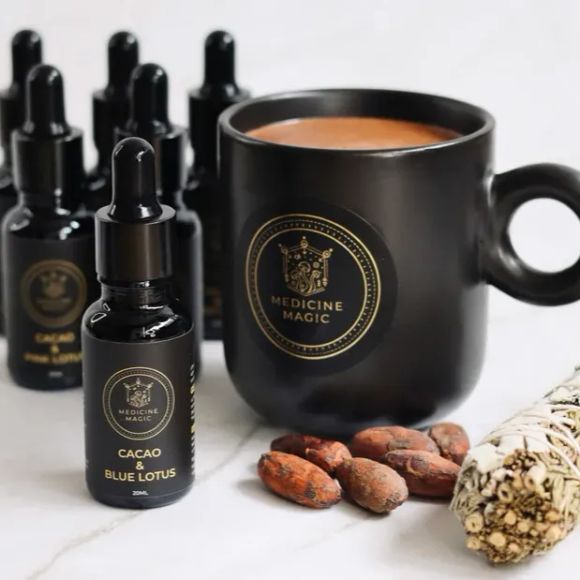
Medicine Magic
Medicine Magic offers biohacking products, including ceremonial grade cacao infused with master plants and medicinal mushrooms.
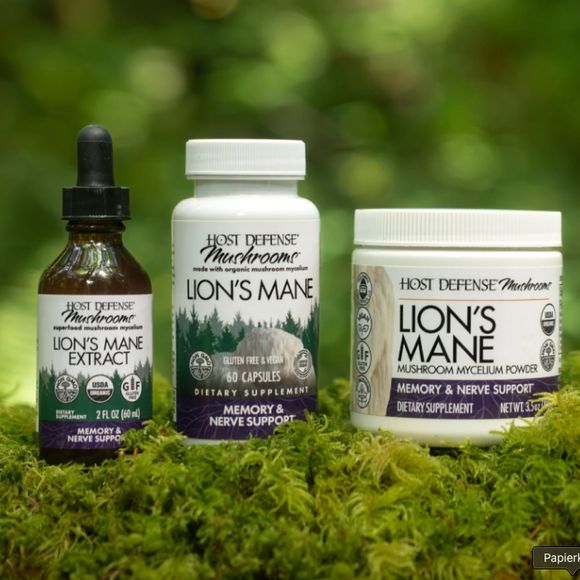
Fungi Perfecti
Fungi Perfecti, founded by mycologist Paul Stamets, is a family-owned company dedicated to promoting the cultivation and use of fungi for health and environmental benefits. Their offerings include a wide range of mushroom-based supplements under the Host Defense® brand, cultivation tools, educational resources, and sustainable solutions aimed at supporting people, bees, trees, and the planet.
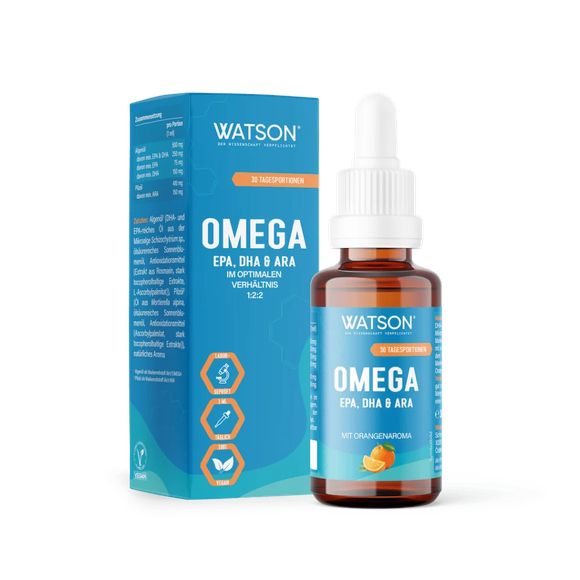
Watson

Watson Nutrition offers laboratory-tested, vegan dietary supplements formulated by nutritionist Niko Rittenau, providing essential vitamins, minerals, and nutrients to support individuals following plant-based diets.
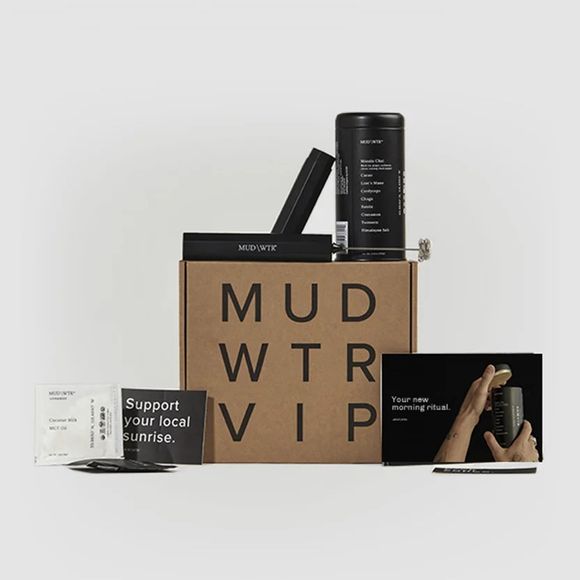
MUD\WTR

MUD\WTR offers a coffee alternative made from organic ingredients, including a blend of functional mushrooms and spices, designed to provide natural energy and health benefits without the jitters and crashes of traditional coffee.

H.P.N Store
HPN Store is a German-based online retailer specializing in high-quality nutritional supplements designed to support various health and fitness goals. Their extensive product range includes solutions for weight management, general health, sleep enhancement, sports performance, and digestive health. With a commitment to science-backed formulations, HPN Store caters to individuals seeking to optimize their well-being and physical performance.
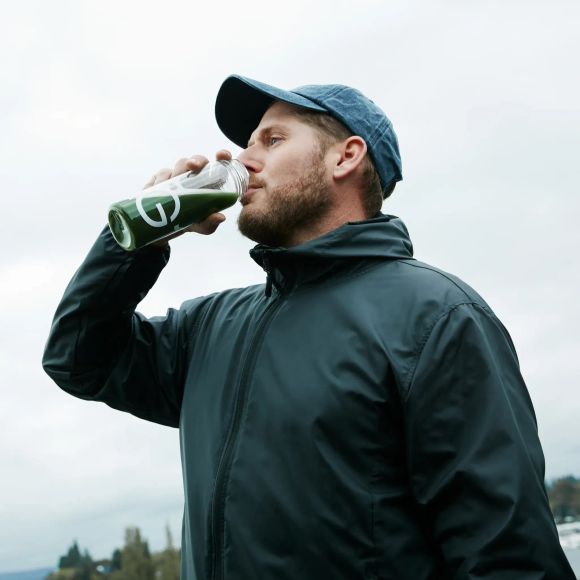
AG1
AG1 offers a comprehensive nutritional supplement designed to replace multiple other supplements. It provides a wide range of nutrients, including vitamins, minerals, probiotics, fiber, antioxidants, high-quality mushrooms, and natural plant extracts, all in one convenient scoop per day.
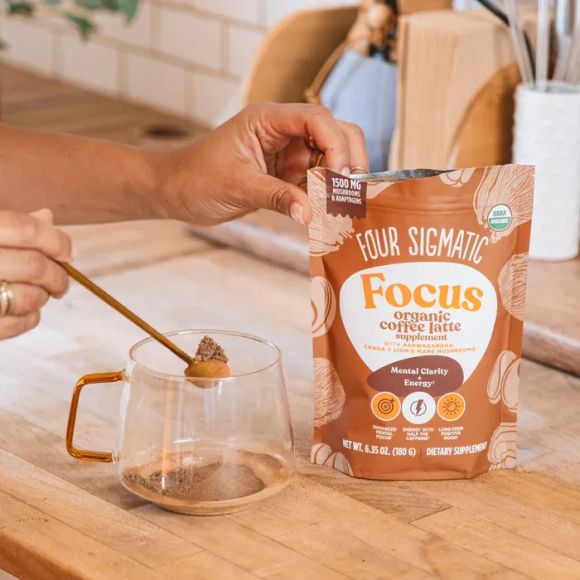
Four Sigmatic
Four Sigmatic offers a range of superfoods and functional mushrooms designed to enhance overall health and well-being.
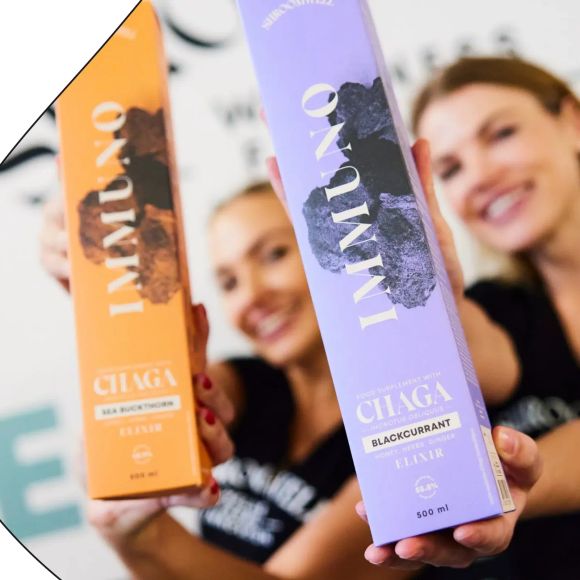
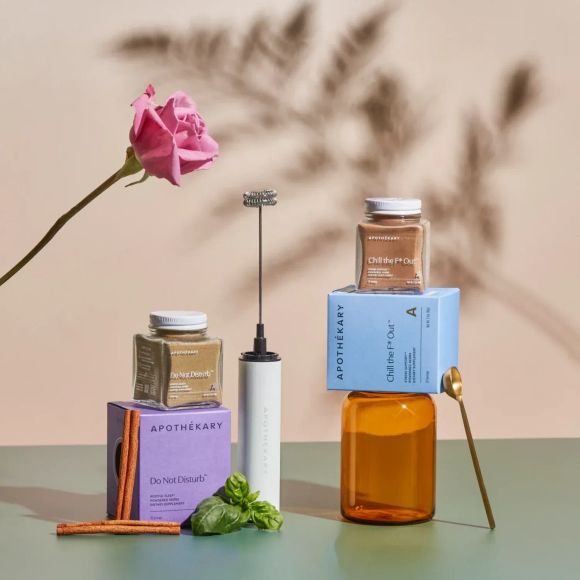
Apothékary
Apothékary offers natural herbal remedies designed to target the root causes of health imbalances.