Knowledge
Magazine
-

The 24-Hour Sleep Model: Why Better Sleep Starts the Morning Before
8 min read
-

Eating for Longevity: Lessons From the World's Oldest People
9 min read
-

The Summer Health Kit: Supplies and Gadgets for Hot Days and Warm Nights
9 min read
Weekly picks on longevity, brands, and health science. No spam—unsubscribe anytime.
Tools
- →The 30s Longevity Guide for Women
- →Postpartum Recovery Guide
- →Perimenopause Longevity Guide
- →Dopamine Reset Guide
- →Pregnancy Longevity Guide
- →Peptide Guide
- →Home Detox Guide
- →Slow Aging Guide
- →Pro Supplement Guide
- →Safe Supplement Guide
- →Bio Age Calculator
- →Blood Testing Guide
- →Deep Sleep Guide
- →Pro Longevity Dashboard
By Category
By Goal
Knowledge
- →What is Longevity?
- →Improve diet
- →More focus
- →Look younger
- →Lose weight
- →Track biomarkers
- →Improve sleep
- →Build muscle
- →Increase cardio
- →Detect diseases
- →Recover faster
- →Relieve stress
Magazine
-
The 24-Hour Sleep Model: Why Better Sleep Starts the Morning Before
8 min read
-
Eating for Longevity: Lessons From the World's Oldest People
9 min read
-
The Summer Health Kit: Supplies and Gadgets for Hot Days and Warm Nights
9 min read
Weekly picks on longevity, brands, and health science. No spam—unsubscribe anytime.
Brands
- →Apps
- →At Home Tests & Kits
- →Events
- →Experts & Clinics
- →Foods & Beverages
- →Gadgets & Equipment
- →Gyms & Workouts
- →Supplements
- →Travel & Retreats
- →Wearables & Trackers
Tools
- →The 30s Longevity Guide for Women
- →Postpartum Recovery Guide
- →Perimenopause Longevity Guide
- →Dopamine Reset Guide
- →Pregnancy Longevity Guide
- →Peptide Guide
- →Home Detox Guide
- →Slow Aging Guide
- →Pro Supplement Guide
- →Safe Supplement Guide
- →Bio Age Calculator
- →Blood Testing Guide
- →Deep Sleep Guide
- →Pro Longevity Dashboard

Discover
Connect
Longevity Knowledge BETA
Nootropics
Table of Contents
What are nootropics?
Nootropics are substances that improve cognitive function, including memory, focus, creativity, and executive function, without causing significant side effects. The term was coined in 1972 by Romanian scientist Corneliu Giurgea after he synthesized piracetam, the first compound specifically designed to enhance learning while protecting the brain from injury [1]. Giurgea's original criteria demanded extremely low toxicity and the absence of the sedation or stimulation typical of psychoactive drugs. Today, the category spans prescription medications, synthetic compounds, natural plant extracts, amino acid derivatives, and everyday substances like caffeine.
How nootropics work in the brain
Most nootropics target one or more of four core mechanisms: neurotransmitter modulation, cerebral blood flow, neuroprotection, and neuroplasticity. Cholinergic compounds like alpha-GPC (300-600 mg) and citicoline (250-500 mg) boost acetylcholine, the neurotransmitter most directly tied to memory formation and recall [2]. Racetams enhance signaling at glutamate receptors, increasing synaptic plasticity. Adaptogens such as rhodiola rosea and ashwagandha modulate the stress hormone cortisol, freeing up cognitive resources that chronic stress otherwise consumes. Natural compounds like lion's mane mushroom stimulate nerve growth factor (NGF) production, supporting the creation of new neurons and myelin repair [3].
Evidence-backed nootropics worth knowing
Caffeine and L-theanine
The most widely used nootropic combination in the world. A 2:1 ratio of L-theanine (200 mg) to caffeine (100 mg) improves attention switching, processing speed, and alertness while preventing the jitteriness of caffeine alone. Multiple controlled studies confirm the synergy [4].
Bacopa monnieri
A meta-analysis of nine randomized controlled trials (518 subjects) found that bacopa extract, dosed at 300-450 mg standardized to 50% bacosides, improved memory recall and shortened reaction times after 8-12 weeks of consistent use [5]. Effects take time to build, so patience is required.
Creatine
Typically associated with muscle performance, creatine (5 g/day) has gained recognition as a cognitive enhancer. A 2024 meta-analysis of 16 randomized controlled trials found significant improvements in memory, attention, and processing speed, with effects most pronounced during sleep deprivation or high cognitive demand [6].
Alpha-GPC
One of the most bioavailable choline sources. A 2024 study showed that both 315 mg and 630 mg doses significantly improved performance on cognitive tasks in healthy young adults [2]. It crosses the blood-brain barrier efficiently and is foundational in most nootropic stacks.
Lion's mane mushroom
A 2023 double-blind pilot study in 41 healthy adults found that 1.8 g of lion's mane improved attention and processing speed within 48 hours and reduced subjective stress after 28 days [3]. The evidence is promising, though larger and longer trials are still needed.
Building a practical nootropic stack
Stacking means combining complementary nootropics to address multiple cognitive pathways simultaneously. A rational approach looks like this:
- Start with foundations: a choline source (alpha-GPC or citicoline), omega-3 fatty acids (2 g EPA+DHA), and magnesium threonate
- Add one new compound at a time and track effects for at least two weeks using a cognitive testing app or journal
- Cycle stimulatory nootropics (5 days on, 2 days off) to prevent tolerance and receptor downregulation
- Don't neglect the basics: no nootropic compensates for poor sleep, sedentary behavior, or a nutrient-poor diet
- Consult a healthcare provider before combining nootropics with medications, especially MAOIs, SSRIs, or blood thinners
Safety considerations and limitations
Natural nootropics like bacopa, lion's mane, and L-theanine have favorable safety profiles in clinical trials. Racetams are generally well-tolerated but can cause headaches without adequate choline intake. The bigger concern lies with unregulated "smart drug" products: dietary supplements aren't checked by the FDA for safety or efficacy before reaching shelves [7]. Long-term safety data for many newer compounds remains limited. Evidence quality varies widely across different nootropics, and what works in clinical trials on cognitively impaired populations may not translate to measurable benefits in healthy adults. The strongest and most reliable cognitive enhancements still come from optimizing sleep, exercise, and nutrition first.
References
- 1. Giurgea CE. The nootropic concept and its prospective implications. Drug Development Research. 1982;2(5):441-446.
- 2. Acute Alpha-Glycerylphosphorylcholine Supplementation Enhances Cognitive Performance in Healthy Men (2024). PubMed.
- 3. Docherty S et al. The Acute and Chronic Effects of Lion's Mane Mushroom Supplementation on Cognitive Function, Stress and Mood in Young Adults (2023)....
- 4. Camfield DA et al. The Cognitive-Enhancing Outcomes of Caffeine and L-theanine: A Systematic Review (2022). Cureus.
- 5. Kongkeaw C et al. Meta-analysis of randomized controlled trials on cognitive effects of Bacopa monnieri extract (2014). J Ethnopharmacol.
- 6. Prokopidis K et al. The effects of creatine supplementation on cognitive function in adults: a systematic review and meta-analysis (2024). Front Nutr.
- 7. Malík M, Tlustoš P. Nootropics as Cognitive Enhancers: Types, Dosage and Side Effects of Smart Drugs (2022). Nutrients.
Try the caffeine-theanine combo first
Give lion's mane at least 4 weeks
Cycle stimulatory nootropics
Always pair racetams with choline
Track your results objectively
Prioritize sleep over supplements
Are nootropics safe for long-term use?
Do nootropics actually work for healthy people?
What is the best nootropic for beginners?
What is the difference between nootropics and smart drugs?
Can nootropics replace sleep for cognitive performance?

Cognitive Decline Expert: The Disease That Starts in Your 30s but Kills You in Your 70s

AMA #19: Collagen vs. Whey Protein, Creatine, Smelling Salts, Stimulants & More
Essentials: Using Science to Optimize Sleep, Learning & Metabolism
No discussions yet
Be the first to start a discussion about Nootropics.
Community Discussions
Related Brands
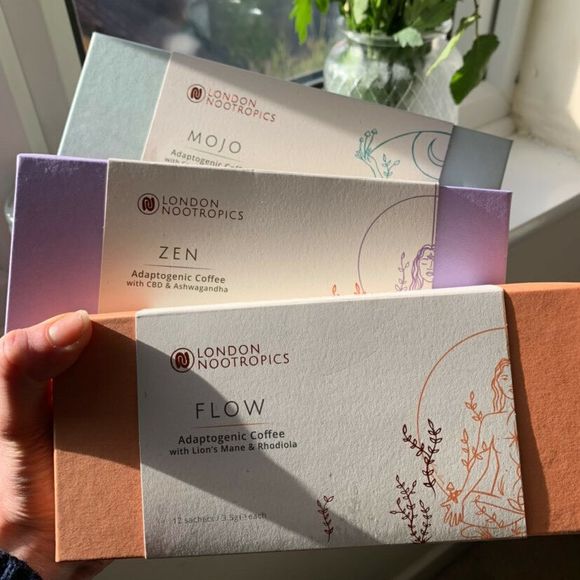
London Nootropics

London Nootropics offers premium adaptogenic coffee blends designed to help you stay balanced, focused, and energized.

Double Wood Supplements

Double Wood Supplements offers a wide range of high-quality nutritional supplements designed to support overall health and wellness. Their products include vitamins, minerals, nootropics, and more, all formulated with the highest standards of quality and purity.

H.P.N Store

HPN Store is a German-based online retailer specializing in high-quality nutritional supplements designed to support various health and fitness goals. Their extensive product range includes solutions for weight management, general health, sleep enhancement, sports performance, and digestive health. With a commitment to science-backed formulations, HPN Store caters to individuals seeking to optimize their well-being and physical performance.
Three Spirit Drinks
Three Spirit Drinks offers a range of plant-based non-alcoholic beverages crafted to enhance mood and well-being.

Kin Euphorics
Kin Euphorics offers a range of non-alcoholic beverages designed to enhance mood and provide a sense of euphoria.

Form Nutrition
Form Nutrition offers plant-based supplements, including vegan protein powders and nootropics, designed to support overall health and performance.
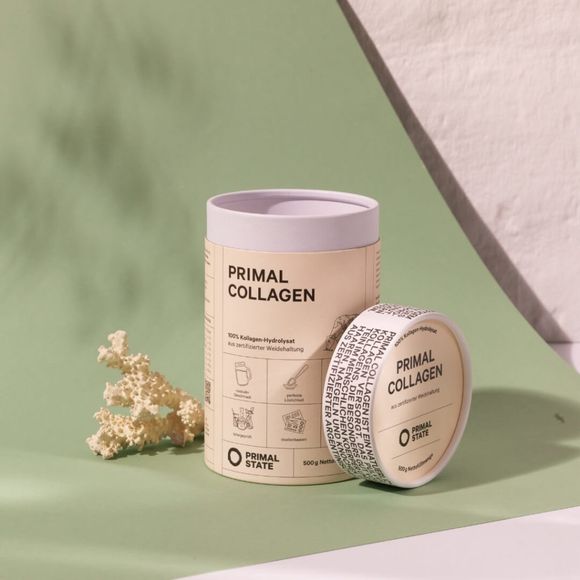
Primal State
Primal State offers a range of biohacking products designed to enhance energy, focus, relaxation, and sleep. Their products include nootropics, adaptogens, and supplements aimed at improving overall health and vitality.

LiveHelfi
LiveHelfi is the leading store for biohackers in the EU, offering a wide range of high-quality supplements, food products, and biohacking tools. They focus on supporting health, performance, and longevity through carefully selected products that meet the needs of health-conscious individuals.
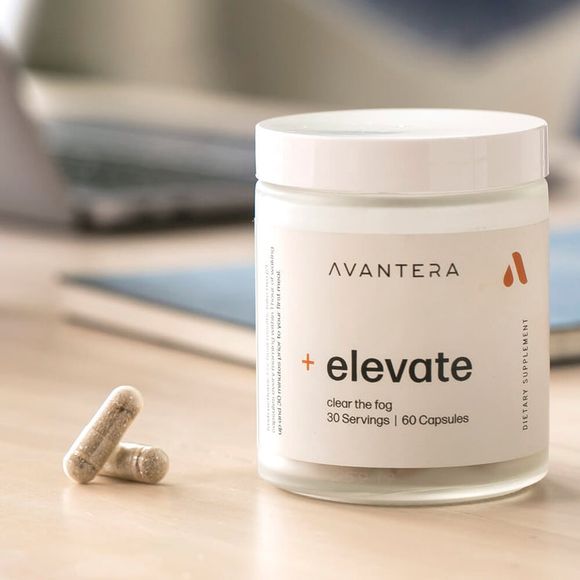
Avantera
Avantera offers premium nootropic and adaptogenic supplements designed to enhance brain health, focus, mood, and overall well-being. Their products are backed by science and made with clinically tested ingredients to ensure effectiveness and safety.
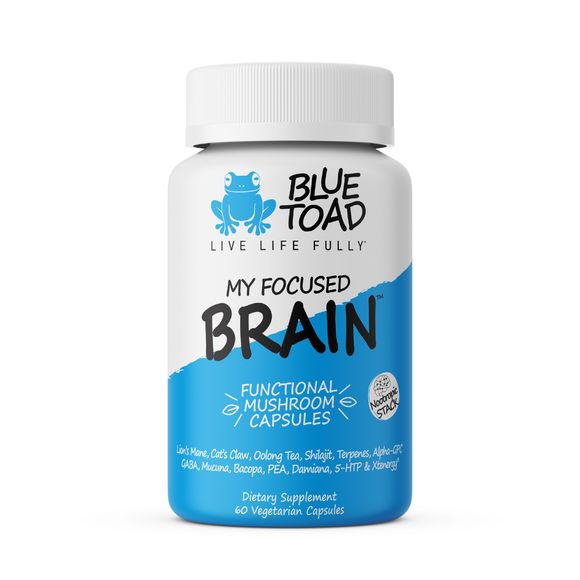
Blue Toad Botanicals
Blue Toad Botanicals is a premium lifestyle brand offering targeted therapeutic functional mushrooms, Amanita tinctures, and botanical products designed to enhance health and wellness.