Knowledge
Magazine
-

The 24-Hour Sleep Model: Why Better Sleep Starts the Morning Before
8 min read
-

Eating for Longevity: Lessons From the World's Oldest People
9 min read
-

The Summer Health Kit: Supplies and Gadgets for Hot Days and Warm Nights
9 min read
Weekly picks on longevity, brands, and health science. No spam—unsubscribe anytime.
Tools
- →The 30s Longevity Guide for Women
- →Postpartum Recovery Guide
- →Perimenopause Longevity Guide
- →Dopamine Reset Guide
- →Pregnancy Longevity Guide
- →Peptide Guide
- →Home Detox Guide
- →Slow Aging Guide
- →Pro Supplement Guide
- →Safe Supplement Guide
- →Bio Age Calculator
- →Blood Testing Guide
- →Deep Sleep Guide
- →Pro Longevity Dashboard
By Category
By Goal
Knowledge
- →What is Longevity?
- →Improve diet
- →More focus
- →Look younger
- →Lose weight
- →Track biomarkers
- →Improve sleep
- →Build muscle
- →Increase cardio
- →Detect diseases
- →Recover faster
- →Relieve stress
Magazine
-
The 24-Hour Sleep Model: Why Better Sleep Starts the Morning Before
8 min read
-
Eating for Longevity: Lessons From the World's Oldest People
9 min read
-
The Summer Health Kit: Supplies and Gadgets for Hot Days and Warm Nights
9 min read
Weekly picks on longevity, brands, and health science. No spam—unsubscribe anytime.
Brands
- →Apps
- →At Home Tests & Kits
- →Events
- →Experts & Clinics
- →Foods & Beverages
- →Gadgets & Equipment
- →Gyms & Workouts
- →Supplements
- →Travel & Retreats
- →Wearables & Trackers
Tools
- →The 30s Longevity Guide for Women
- →Postpartum Recovery Guide
- →Perimenopause Longevity Guide
- →Dopamine Reset Guide
- →Pregnancy Longevity Guide
- →Peptide Guide
- →Home Detox Guide
- →Slow Aging Guide
- →Pro Supplement Guide
- →Safe Supplement Guide
- →Bio Age Calculator
- →Blood Testing Guide
- →Deep Sleep Guide
- →Pro Longevity Dashboard

Discover
Connect
Longevity Knowledge BETA
Nuts
Table of Contents
Why nuts deserve a daily spot in your diet
Tree nuts pack more nutrients per calorie than almost any other whole food. A small handful delivers substantial amounts of healthy fats, plant protein, fiber, vitamins, and minerals that support cardiovascular health, brain function, and longevity. Regular nut consumption reduces mortality from all causes, making them one of the most evidence-backed foods for health optimization [4].
Healthy fats that protect your heart
Most tree nuts contain high levels of monounsaturated and polyunsaturated fats that improve cholesterol profiles and reduce inflammation. Walnuts stand out with their exceptional omega-3 fatty acid content, specifically alpha-linolenic acid (ALA), which supports brain health and cardiovascular function [1]. Walnuts have the highest omega-3 to omega-6 ratio among all tree nuts, which makes them particularly valuable for reducing inflammation [1]. Macadamia nuts contain the highest proportion of heart-healthy monounsaturated fats. These fats actively modify lipid metabolism and inflammatory markers in beneficial ways [4].
Brain health and anti-inflammatory benefits
Nuts play a key role in the Brain Anti-Inflammatory Nutrition (BrAIN) diet designed for mental health and neurodegenerative disease prevention [2]. Walnuts in particular show promise for supporting cognitive function and protecting against neurological disorders [1]. The polyphenols and phytochemicals in walnuts provide antioxidant and anti-inflammatory properties that benefit brain health [1]. Mediterranean diet patterns that include nuts demonstrate protective effects against stroke, age-related cognitive decline, and Alzheimer disease [3].
Protein and mineral density
Nuts provide substantial plant protein alongside critical minerals often lacking in modern diets. Almonds deliver significant vitamin E and magnesium. Brazil nuts contain more selenium than any other food, with just one nut meeting your daily requirement. Cashews offer iron and zinc. Pistachios provide lutein and zeaxanthin for eye health. This mineral density explains why nut consumption correlates with better metabolic health markers across population studies. Nuts and seeds are especially important during pregnancy and lactation as sources of healthy omega-3 fatty acids that support fetal development [5].
Maximizing variety and bioavailability
Eating a variety of nuts exposes you to a broader spectrum of phytonutrients and beneficial compounds. Each type offers a unique profile. Almonds excel in vitamin E, walnuts in omega-3s, Brazil nuts in selenium, and pistachios in potassium. To enhance mineral absorption, consider soaking nuts for 4-8 hours to reduce phytic acid and enzyme inhibitors. Pairing nuts with vitamin C-rich foods improves iron bioavailability.
Portion control and caloric awareness
Despite their health benefits, nuts are calorie-dense. A typical serving of 30 grams contains 160-200 calories. The research-backed amount for health benefits sits at roughly one ounce (28 grams) daily, approximately a small handful [4]. This amount delivers the protective benefits without excessive caloric load. Pre-portioning nuts into small containers helps prevent mindless overeating straight from the bag.
References
- 1. Walnuts (Juglans regia) Chemical Composition and Research in Human Health
- 2. An Anti-Inflammatory Diet and Its Potential Benefit for Individuals with Mental Disorders
- 3. Mediterranean diet: The role of long-chain omega-3 fatty acids in fish and polyphenols
- 4. Functional foods and cardiovascular disease
- 5. The importance of nutrition in pregnancy and lactation: lifelong consequences
Rotate nut varieties for maximum nutrient coverage
Soak nuts to improve mineral absorption
Measure portions—nuts are calorie-dense
Store nuts properly to prevent rancidity
Prioritize walnuts for omega-3 benefits
How many nuts should I eat per day?
Are raw or roasted nuts healthier?
Which nut is the healthiest?
Do nuts help with weight loss or weight gain?

The Microbiome Doctor: Doctors Were Wrong! The 3 Foods You Should Eat For Perfect Gut Health!
Dr K (Bad Habit Addiction Doctor): The Truth About Dopamine, Addiction, Pornography & Masturbation
Leading Nutritional Scientist: Seed Oils Are Not Bad For You! Eating This Twice A Day Will Help Menopause! The Alarming Link Between Chewing & Belly Fat!

#005 Dr. Bruce Ames Talks CHORI-Bar Weight Loss
No discussions yet
Be the first to start a discussion about Nuts.
Community Discussions
Related Brands

Wholey

Wholey Organics offers a range of organic, vegan breakfast products, including smoothie bowls, porridges, granolas, and nut butters, all free from artificial additives and refined sugars, designed for quick and nutritious meals.
ProLon
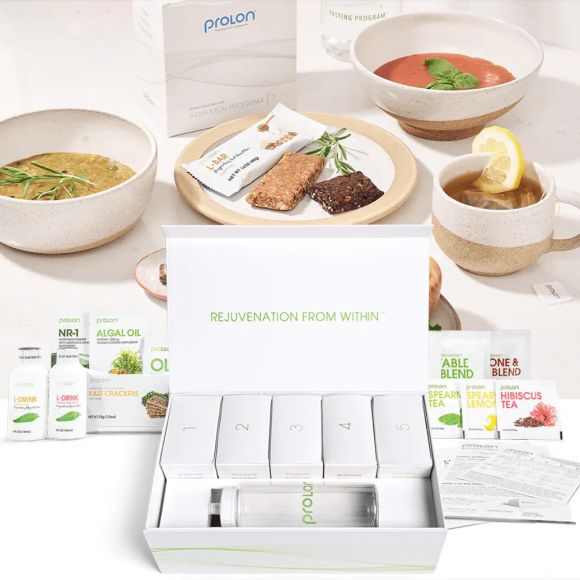
ProLon offers a revolutionary 5-day Fasting Mimicking Diet—scientifically engineered to trigger the cellular benefits of water-only fasting, like autophagy and metabolic reset, while providing nourishing, plant-based meals.
Vilgain

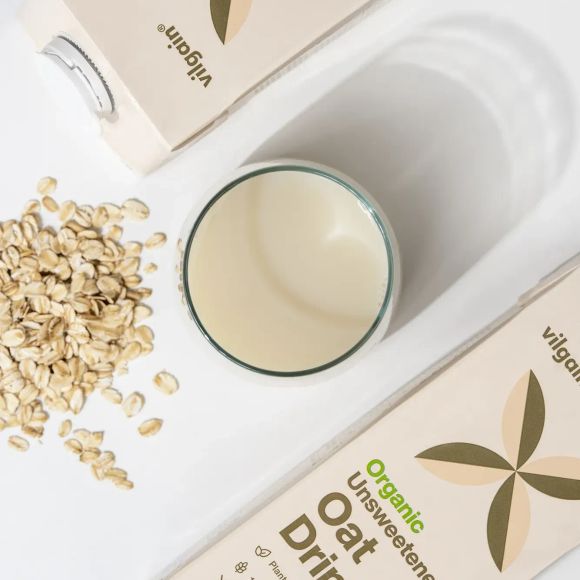
Vilgain is a Czech-based company dedicated to providing pure, high-quality nutrition and supplements, focusing on natural ingredients and sustainable practices to promote optimal health and performance.

KoRo
KoRo is an innovative online retailer specializing in high-quality snacks, dried fruits, and nuts, sourced directly from farms with a focus on fair prices and natural ingredients.

YayDay

YayDay offers a doctor-developed digestive super supplement designed to support gut health. The supplement aims to improve digestion, regulate bowel movements, and enhance overall well-being, providing a comprehensive solution for digestive health.

VSL#3
VSL#3 is a high-dose probiotic supplement containing 450 billion bacteria from 8 different strains per dose. It is designed to support gut health, particularly in individuals with digestive disorders, and is free from common allergens such as milk, soy, gluten, and nuts.
Leap Frog
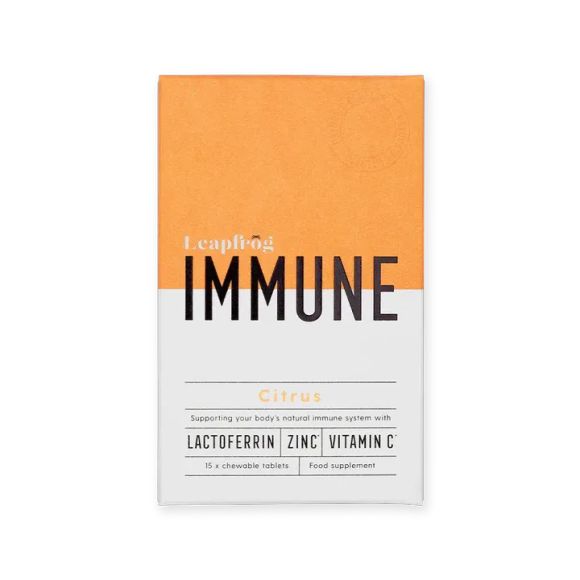
Leapfrog Remedies, founded in September 2020 by journalist Stephanie Drax, is the UK's first lactoferrin supplement brand. The company offers chewable tablets formulated with natural ingredients like lactoferrin, zinc, and vitamin C to support the immune system, as well as supplements containing Lactium® and vitamin B6 to promote relaxation and sleep.
Hans Brainfood
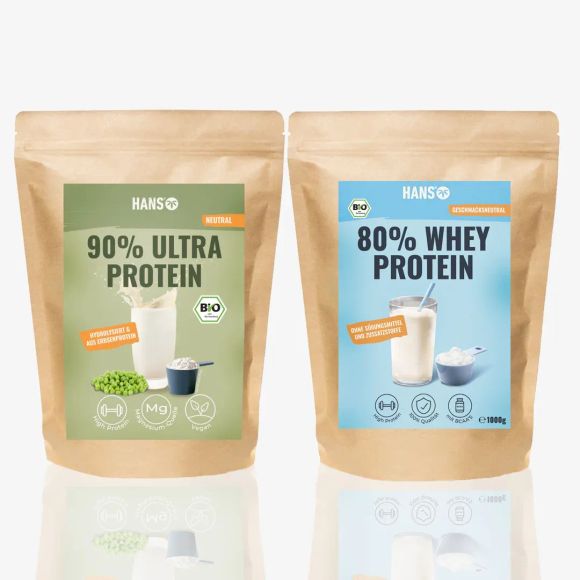
HANS Brainfood is a Regensburg-based startup specializing in natural, hemp-based food products aimed at promoting mental health and overall well-being. Their offerings include organic energy bars, protein powders, and CBD-infused items, all crafted from regional ingredients to provide nutritious and sustainable snack options.