Knowledge
Magazine
-

The 24-Hour Sleep Model: Why Better Sleep Starts the Morning Before
8 min read
-

Eating for Longevity: Lessons From the World's Oldest People
9 min read
-

The Summer Health Kit: Supplies and Gadgets for Hot Days and Warm Nights
9 min read
Weekly picks on longevity, brands, and health science. No spam—unsubscribe anytime.
Tools
- →The 30s Longevity Guide for Women
- →Postpartum Recovery Guide
- →Perimenopause Longevity Guide
- →Dopamine Reset Guide
- →Pregnancy Longevity Guide
- →Peptide Guide
- →Home Detox Guide
- →Slow Aging Guide
- →Pro Supplement Guide
- →Safe Supplement Guide
- →Bio Age Calculator
- →Blood Testing Guide
- →Deep Sleep Guide
- →Pro Longevity Dashboard
By Category
By Goal
Knowledge
- →What is Longevity?
- →Improve diet
- →More focus
- →Look younger
- →Lose weight
- →Track biomarkers
- →Improve sleep
- →Build muscle
- →Increase cardio
- →Detect diseases
- →Recover faster
- →Relieve stress
Magazine
-
The 24-Hour Sleep Model: Why Better Sleep Starts the Morning Before
8 min read
-
Eating for Longevity: Lessons From the World's Oldest People
9 min read
-
The Summer Health Kit: Supplies and Gadgets for Hot Days and Warm Nights
9 min read
Weekly picks on longevity, brands, and health science. No spam—unsubscribe anytime.
Brands
- →Apps
- →At Home Tests & Kits
- →Events
- →Experts & Clinics
- →Foods & Beverages
- →Gadgets & Equipment
- →Gyms & Workouts
- →Supplements
- →Travel & Retreats
- →Wearables & Trackers
Tools
- →The 30s Longevity Guide for Women
- →Postpartum Recovery Guide
- →Perimenopause Longevity Guide
- →Dopamine Reset Guide
- →Pregnancy Longevity Guide
- →Peptide Guide
- →Home Detox Guide
- →Slow Aging Guide
- →Pro Supplement Guide
- →Safe Supplement Guide
- →Bio Age Calculator
- →Blood Testing Guide
- →Deep Sleep Guide
- →Pro Longevity Dashboard

Discover
Connect
Longevity Knowledge BETA
Pilates
Table of Contents
What is Pilates?
Pilates is a low-impact exercise method that emphasizes core strength, controlled movements, flexibility, and proper breathing. Developed by Joseph Pilates in the early 20th century, this practice has grown from a rehabilitation tool for dancers into a popular fitness system used by athletes and everyday people. Pilates exercises can be performed on a mat or using specialized equipment like the Reformer, Cadillac, and Chair.
Core strength: the foundation
The Pilates method centers on developing what Joseph Pilates called the powerhouse: the deep core muscles that stabilize your spine and pelvis [3]. This includes the transverse abdominis (your natural corset), the multifidus (small back muscles), the pelvic floor, and the diaphragm. Unlike traditional crunches that work surface muscles, Pilates targets these deeper muscles to create lasting stability.
Why core strength matters
A strong core is not just about appearance. It provides the foundation for all movement, from walking and lifting to athletic performance. A systematic review found that Pilates effectively reduces chronic low back pain and improves functional outcomes [1].
Flexibility and controlled movement
Pilates emphasizes moving through your full range of motion with control and precision. Each exercise focuses on quality over quantity: you will perform fewer repetitions but with greater attention to form and muscle engagement. This controlled approach builds strength while maintaining and improving flexibility.
Posture and alignment
Poor posture affects breathing, digestion, energy levels, and long-term spinal health. Research shows that Pilates training improves postural balance and functional mobility [2]. The method teaches body awareness, helping you recognize and correct habitual misalignments both during exercise and in daily life.
The mind-body connection
Every Pilates exercise requires mental focus and breath coordination. You do not zone out during Pilates: you concentrate on precise muscle activation, alignment, and breathing patterns. This mindfulness component makes Pilates as much a mental practice as a physical one, reducing stress while improving body awareness.
References
Focus on lateral breathing
Quality over quantity
Start with mat work
Take instructor-led classes initially
Consider Pilates for back pain
What is the difference between mat Pilates and Reformer Pilates?
Is Pilates good for weight loss?
How often should I do Pilates?
Can Pilates help with posture?

Women’s Fitness Expert: What You NEED To Know About Dieting & Exercise | Dr. Stephanie Estima

The Most Effective Weight Training, Cardio & Nutrition for Women | Dr. Lauren Colenso-Semple
Longevity Debate: The Truth About Weight Loss, Muscle, and Creatine!
Build Your Ideal Physique | Dr. Bret Contreras
No discussions yet
Be the first to start a discussion about Pilates.
Related Articles

Related Brands
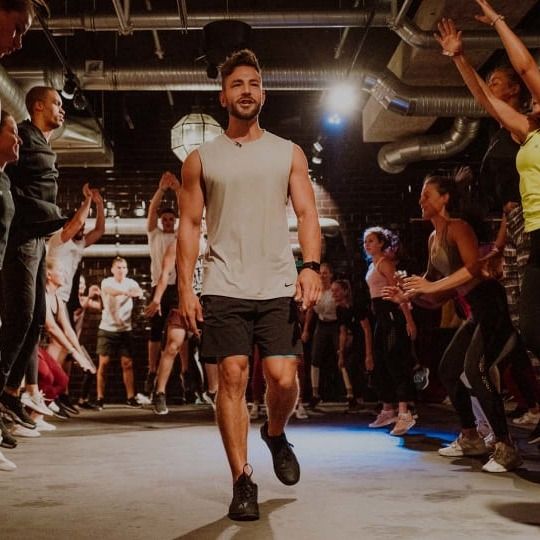
John Reed

JOHN REED Fitness combines diverse training options, vibrant design, and dynamic music to create an engaging workout environment, offering facilities worldwide, including a club in Essen, Germany.
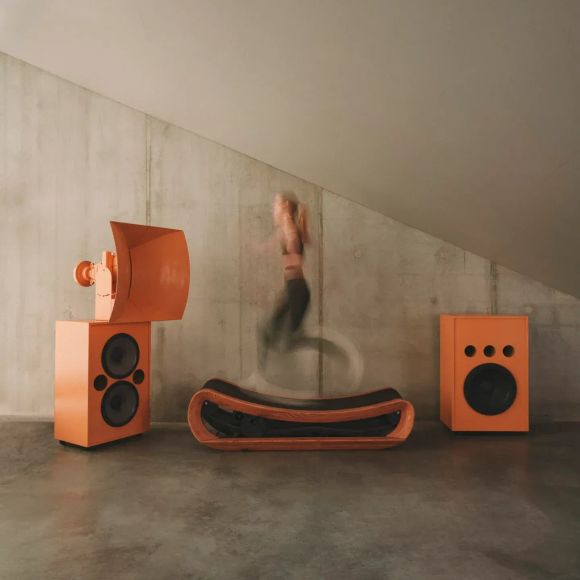
ANTI
ANTI is a holistic wellness hub in Berlin-Mitte offering a curated blend of longevity-focused treatments—such as hyperbaric oxygen, red light therapy, cryotherapy, sauna, and expert-led classes—to support sustainable health, stress resilience, and performance.
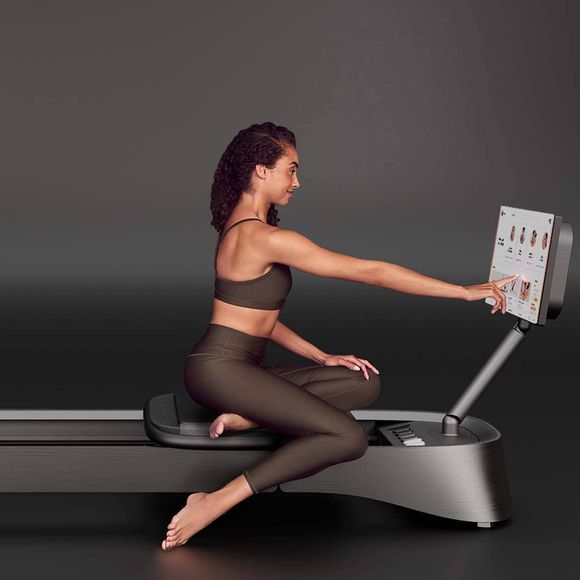
Frame Fitness

Frame Fitness offers a digitally connected Pilates reformer designed to provide a comprehensive fitness experience at home. The Frame reformer integrates with a digital platform to offer guided workouts, tracking, and personalized fitness plans.
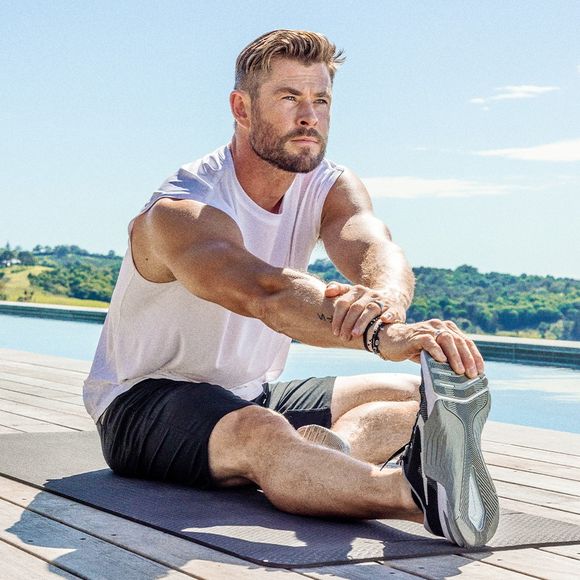
Centr
Centr is a comprehensive fitness app and wellness program inspired by Chris Hemsworth. The app offers personalized workout plans, nutrition guidance, and mindfulness practices, all designed to help users achieve their fitness goals with support from a world-class team of experts.
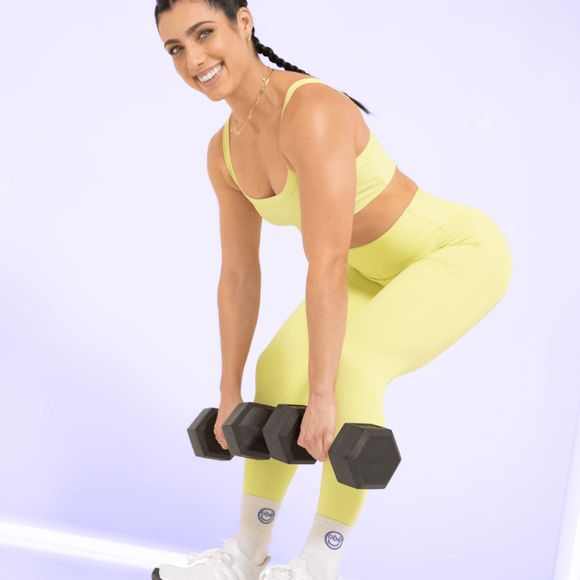
obé Fitness
obé Fitness, founded in 2018 by Ashley Mills and Mark Mullett, is a digital fitness platform offering live and on-demand workout classes across various disciplines, including cardio, strength training, yoga, and more. Designed for accessibility and engagement, obé provides a diverse range of classes suitable for all fitness levels, aiming to make high-quality fitness experiences available to a broad audience.
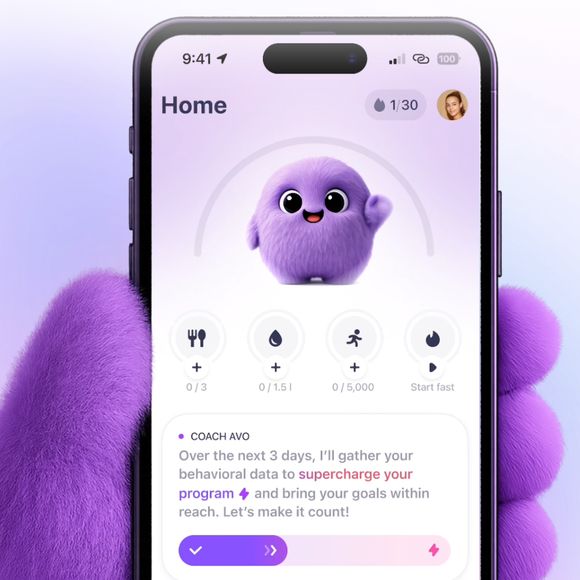
Simple
Simple is a digital health company offering an AI-powered weight loss and wellness app focused on sustainable behavior change rather than dieting or restriction.