Knowledge
Magazine
-

The 24-Hour Sleep Model: Why Better Sleep Starts the Morning Before
8 min read
-

Eating for Longevity: Lessons From the World's Oldest People
9 min read
-

The Summer Health Kit: Supplies and Gadgets for Hot Days and Warm Nights
9 min read
Weekly picks on longevity, brands, and health science. No spam—unsubscribe anytime.
Tools
- →The 30s Longevity Guide for Women
- →Postpartum Recovery Guide
- →Perimenopause Longevity Guide
- →Dopamine Reset Guide
- →Pregnancy Longevity Guide
- →Peptide Guide
- →Home Detox Guide
- →Slow Aging Guide
- →Pro Supplement Guide
- →Safe Supplement Guide
- →Bio Age Calculator
- →Blood Testing Guide
- →Deep Sleep Guide
- →Pro Longevity Dashboard
By Category
By Goal
Knowledge
- →What is Longevity?
- →Improve diet
- →More focus
- →Look younger
- →Lose weight
- →Track biomarkers
- →Improve sleep
- →Build muscle
- →Increase cardio
- →Detect diseases
- →Recover faster
- →Relieve stress
Magazine
-
The 24-Hour Sleep Model: Why Better Sleep Starts the Morning Before
8 min read
-
Eating for Longevity: Lessons From the World's Oldest People
9 min read
-
The Summer Health Kit: Supplies and Gadgets for Hot Days and Warm Nights
9 min read
Weekly picks on longevity, brands, and health science. No spam—unsubscribe anytime.
Brands
- →Apps
- →At Home Tests & Kits
- →Events
- →Experts & Clinics
- →Foods & Beverages
- →Gadgets & Equipment
- →Gyms & Workouts
- →Supplements
- →Travel & Retreats
- →Wearables & Trackers
Tools
- →The 30s Longevity Guide for Women
- →Postpartum Recovery Guide
- →Perimenopause Longevity Guide
- →Dopamine Reset Guide
- →Pregnancy Longevity Guide
- →Peptide Guide
- →Home Detox Guide
- →Slow Aging Guide
- →Pro Supplement Guide
- →Safe Supplement Guide
- →Bio Age Calculator
- →Blood Testing Guide
- →Deep Sleep Guide
- →Pro Longevity Dashboard

Discover
Connect
Longevity Knowledge BETA
Personalized Nutrition
Personalized Nutrition and Nutrigenomics
Personalized nutrition represents a fundamental departure from conventional dietary guidelines that apply the same recommendations to entire populations. This approach recognizes that individuals have unique genetic backgrounds, metabolic patterns, microbiome compositions, food sensitivities, and lifestyle contexts that profoundly influence how they respond to different foods and nutrients. Research demonstrates that the same meal can produce dramatically different glycemic responses in different individuals, with variations up to 3-fold observed in controlled studies [1]. Nutrigenomics reveals that genetic variants significantly influence how efficiently individuals absorb, metabolize, and utilize nutrients.
Genetic Variation and Nutrient Metabolism
Genetic variants significantly influence nutrient metabolism and dietary requirements. Some people carry variations in folate metabolism genes (like MTHFR), affecting their ability to convert dietary folate into its active form—methylfolate [2]. Others have variations in apolipoprotein E (APOE) affecting cholesterol metabolism and dietary fat response. These genetic differences help explain why universal dietary recommendations fail for many individuals and why personalized approaches are necessary.
Individual Responses to Food
Research using continuous glucose monitors (CGMs) has demonstrated that glycemic responses to identical foods vary dramatically between individuals [1]. Factors influencing these individual responses include microbiome composition, meal timing, sleep quality, stress levels, and physical activity. Studies show that machine-learning algorithms integrating blood parameters, dietary habits, anthropometrics, physical activity, and gut microbiota can accurately predict personalized postprandial glycemic responses [1]. This variability explains why some people thrive on high-carbohydrate diets while others require lower carbohydrate intake for optimal metabolic health.
The Role of the Microbiome
The gut microbiome plays a causal role in metabolic health and individualized nutrition responses. Research has established that host-genetic-driven increases in gut production of short-chain fatty acids like butyrate are associated with improved insulin response, while abnormalities in propionate metabolism are causally related to increased type 2 diabetes risk [4]. These findings support the use of microbiome assessment as part of personalized nutrition strategies.
Tailoring Nutrition to the Individual
Effective personalized nutrition combines multiple data streams: genetic testing to identify nutrient metabolism variants, biomarker analysis to assess current nutritional status, microbiome assessment to understand gut health influences, and continuous monitoring of responses to dietary changes. CGM data reveals personalized glycemic responses to specific foods, while micronutrient testing identifies deficiencies that may impair metabolic function [3]. Randomized controlled trials demonstrate that personalized dietary interventions based on these multifactorial algorithms result in significantly lower postprandial blood glucose responses compared to standard dietary advice [1].
References
- 1. Zeevi D et al. Personalized Nutrition by Prediction of Glycemic Responses. Cell. 2015 Nov 19;163(5):1079-1094.
- 2. Ordovas JM et al. Personalised nutrition and health. BMJ. 2018 Jun 13;361:bmj.k2173.
- 3. Berry SE et al. Human postprandial responses to food and potential for precision nutrition. Nat Med. 2020 Jun;26(6):964-973.
- 4. Sanna S et al. Causal relationships among the gut microbiome, short-chain fatty acids and metabolic diseases. Nat Genet. 2019 Apr;51(4):600-605.
Try a CGM to Learn Your Glycemic Response
Consider MTHFR Genetic Testing
Track How You Feel After Meals
Test Your Micronutrient Status
Experiment With Carb Timing
How can I measure my individual responses to food?
Is personalized nutrition worth the cost?
What is personalized nutrition and how is it different from standard diet advice?
What genetic tests are most useful for nutrition?

#070 Dr. Eran Elinav on Microbiome Insights into Personalized Response to Diet, Obesity, and Leaky Gut
No discussions yet
Be the first to start a discussion about Personalized Nutrition.
Related Articles


Related Brands

dunatura

Dunatura is a German company specializing in personalized vitamins and micronutrients. They offer tailored daily packs of dietary supplements, superfoods, and teas, developed by experts in micronutrients and nutritional medicine, using only high-quality raw materials without unnecessary additives.

Baja Gold Salt
Unrefined mineral sea salt from the Sea of Cortez. 75-80% sodium, 20-25% trace minerals. Lower sodium, higher nutrition. Harvested in Baja California
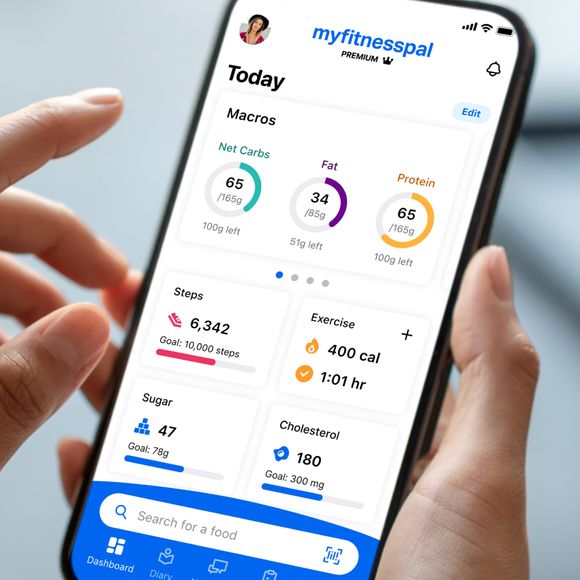
MyFitnessPal

MyFitnessPal is a leading nutrition tracking app that helps users build healthy habits by tracking food, exercise, and calories. It offers a comprehensive database, personalized insights, and integration with various devices to support health and fitness goals.

Lykon

Lykon provides personalized health solutions through DNA and blood tests, as well as tailored supplements. Their services aim to help individuals understand their unique nutritional needs and improve their overall health and well-being.

Fuelin
Fuelin is a personalized nutrition coaching app designed to help athletes optimize their performance through tailored nutrition plans. By syncing with training platforms, Fuelin provides customized daily macros, meal recommendations, and expert guidance to enhance training, recovery, and overall health.
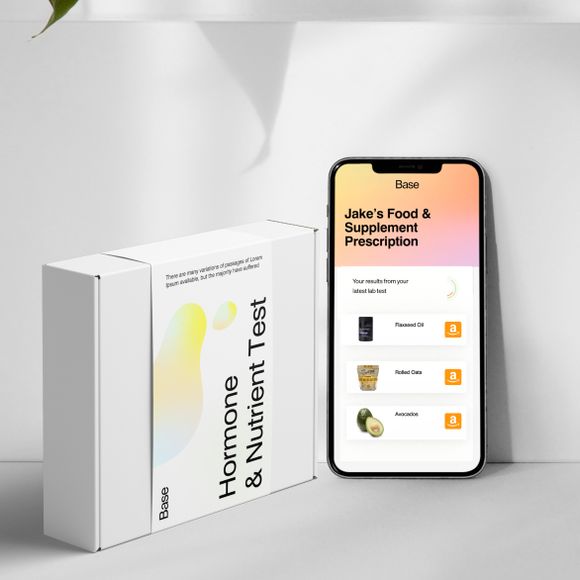
Base
Base offers at-home lab tests and personalized food plans to help manage weight loss resistance, fatigue, hormonal imbalances, and menopause symptoms.
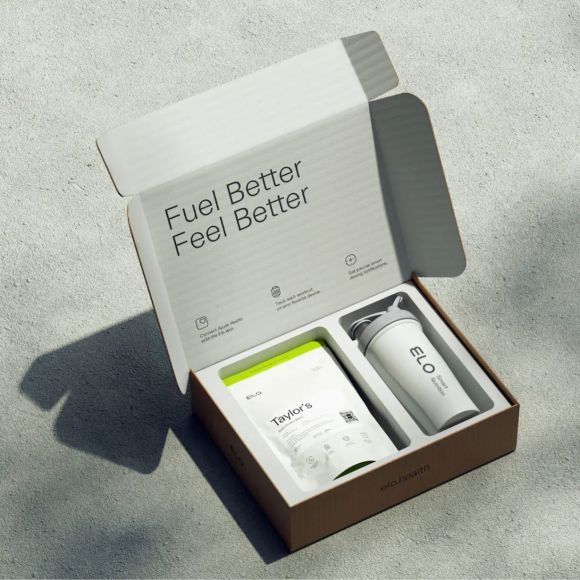
Elo Health
Elo Health provides personalized nutrition solutions using a data-driven approach. Their products include Smart Gummies and Smart Protein, designed to address individual nutrient gaps based on activity data, wearables, and biomarkers.
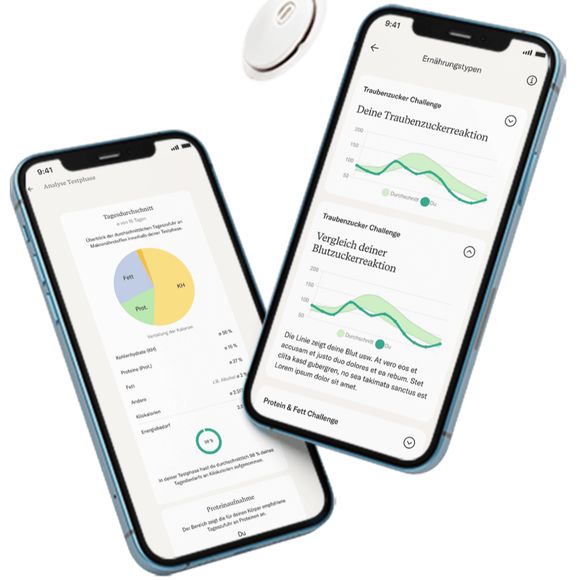
MillionFriends
MillionFriends offers personalized nutrition testing and recommendations based on cutting-edge science and individual gut health analysis. Their test kits and services empower users to take control of their health by understanding how their body reacts to different foods, enabling them to optimize their diet for better health and well-being.

Prevess
Prevess provides an AI-powered API that offers personalized nutrition and wellness recommendations at scale, designed to be integrated into various industries like healthcare, fitness, and nutrition.

InnerBuddies
InnerBuddies provides microbiome testing and personalized nutrition advice, helping users optimize their gut health with science-backed insights and recommendations.