Knowledge
Magazine
-

The 24-Hour Sleep Model: Why Better Sleep Starts the Morning Before
8 min read
-

Eating for Longevity: Lessons From the World's Oldest People
9 min read
-

The Summer Health Kit: Supplies and Gadgets for Hot Days and Warm Nights
9 min read
Weekly picks on longevity, brands, and health science. No spam—unsubscribe anytime.
Tools
- →The 30s Longevity Guide for Women
- →Postpartum Recovery Guide
- →Perimenopause Longevity Guide
- →Dopamine Reset Guide
- →Pregnancy Longevity Guide
- →Peptide Guide
- →Home Detox Guide
- →Slow Aging Guide
- →Pro Supplement Guide
- →Safe Supplement Guide
- →Bio Age Calculator
- →Blood Testing Guide
- →Deep Sleep Guide
- →Pro Longevity Dashboard
By Category
By Goal
Knowledge
- →What is Longevity?
- →Improve diet
- →More focus
- →Look younger
- →Lose weight
- →Track biomarkers
- →Improve sleep
- →Build muscle
- →Increase cardio
- →Detect diseases
- →Recover faster
- →Relieve stress
Magazine
-
The 24-Hour Sleep Model: Why Better Sleep Starts the Morning Before
8 min read
-
Eating for Longevity: Lessons From the World's Oldest People
9 min read
-
The Summer Health Kit: Supplies and Gadgets for Hot Days and Warm Nights
9 min read
Weekly picks on longevity, brands, and health science. No spam—unsubscribe anytime.
Brands
- →Apps
- →At Home Tests & Kits
- →Events
- →Experts & Clinics
- →Foods & Beverages
- →Gadgets & Equipment
- →Gyms & Workouts
- →Supplements
- →Travel & Retreats
- →Wearables & Trackers
Tools
- →The 30s Longevity Guide for Women
- →Postpartum Recovery Guide
- →Perimenopause Longevity Guide
- →Dopamine Reset Guide
- →Pregnancy Longevity Guide
- →Peptide Guide
- →Home Detox Guide
- →Slow Aging Guide
- →Pro Supplement Guide
- →Safe Supplement Guide
- →Bio Age Calculator
- →Blood Testing Guide
- →Deep Sleep Guide
- →Pro Longevity Dashboard

Discover
Connect
Longevity Knowledge BETA
Seeds
Table of Contents
Why seeds matter for longevity
Seeds are nature's most concentrated nutritional packages. They contain all the biochemical machinery necessary to generate an entire plant, which translates to exceptional nutrient density. Chia, flax, and hemp seeds deliver substantial amounts of omega-3 fatty acids, fiber, protein, and minerals in small portions [1]. Unlike many processed foods marketed as "superfoods," seeds provide these nutrients in unprocessed form. Regular consumption of seeds—particularly flax and chia—provides compounds demonstrated to reduce cardiovascular disease risk markers, improve lipid profiles, and support metabolic health [2].
Omega-3 fatty acids and inflammation
Flax and chia seeds provide alpha-linolenic acid (ALA), a plant-based omega-3 precursor. While conversion to EPA and DHA occurs at modest rates of 10-15%, daily consumption of 1-2 tablespoons of ground flax or chia consistently reduces inflammatory markers including high-sensitivity CRP [3]. Hemp seeds offer an optimal omega-3 to omega-6 ratio of approximately 3:1 alongside complete protein containing all essential amino acids. Research indicates these seeds reduce inflammation through multiple pathways: omega-3 fatty acids shift arachidonic acid metabolism away from pro-inflammatory compounds, while polyphenols inhibit NF-kappa-B signaling [4]. Studies demonstrate measurable improvements in systemic inflammation markers within 4-6 weeks of consistent seed consumption.
Lignans, fiber, and hormonal health
Flaxseed contains exceptionally high concentrations of lignans—phytoestrogen compounds that undergo bacterial conversion in the gut to produce enterolignans. These metabolites demonstrate both estrogenic and anti-estrogenic properties depending on hormonal status [5]. The fiber content in chia and flax seeds supports microbiome diversity, producing short-chain fatty acids that benefit colon health and systemic inflammation reduction. Randomized controlled trials show that 30 grams of flaxseed daily can reduce blood pressure and improve glycemic control [6]. The combination of soluble and insoluble fiber in seeds also promotes satiety and supports healthy cholesterol levels.
Practical considerations
For optimal nutrient absorption, grind flaxseeds immediately before consumption, as whole seeds pass through the digestive tract intact. Store all seeds in airtight containers in the refrigerator to prevent oxidation of their healthy fats. While seeds provide significant health benefits, the ALA-to-EPA/DHA conversion remains limited—marine sources of omega-3s remain important for those seeking the direct anti-inflammatory effects of these longer-chain fatty acids [7].
References
- 1. Nutritional composition and health benefits of hemp (Cannabis sativa L.) seeds
- 2. Flaxseed and cardiovascular health: a systematic review
- 3. The effect of flaxseed supplementation on inflammatory markers: systematic review and meta-analysis
- 4. Omega-3 fatty acids and inflammatory processes: from molecules to man
- 5. Lignan bioavailability, metabolism, and bioactivity: a review
- 6. Flaxseed consumption and blood pressure: systematic review and dose-response meta-analysis
- 7. Conversion of alpha-linolenic acid to longer-chain polyunsaturated fatty acids in human adults
Grind flax seeds just before eating
Store seeds in the freezer
Soak chia seeds for 10 minutes before eating
Add hemp seeds to salads and yogurt
Start with small amounts if new to high-fiber foods
Grind flaxseeds fresh
Soak chia seeds
Start with 1-2 tablespoons daily
Rotate your seeds
How much chia, flax, and hemp seeds should I eat daily?
Do I need to grind chia seeds like flax seeds?
Can I cook or bake with seeds without destroying the omega-3s?
Are seeds safe for people with nut allergies?
Do I need to grind chia seeds like flaxseeds?
Can I get enough omega-3s from seeds alone?
Are roasted seeds as healthy as raw seeds?
How should I store seeds to maintain freshness?

Essentials: The Science of Eating for Health, Fat Loss & Lean Muscle | Dr. Layne Norton
Eating for Better Sleep & Foods that Improve Metabolic Health | Dr. Marie-Pierre St-Onge
The Best Vitality & Health Protocols | Dr. Rhonda Patrick

The seed oil debate: are they uniquely harmful relative to other dietary fats? | Layne Norton, Ph.D.

#104 Dr. Ben Bikman: How To Reverse Insulin Resistance Through Diet, Exercise, & Sleep
How to Lose Fat & Gain Muscle With Nutrition | Alan Aragon
No discussions yet
Be the first to start a discussion about Seeds.
Community Discussions
Related Brands
Seed

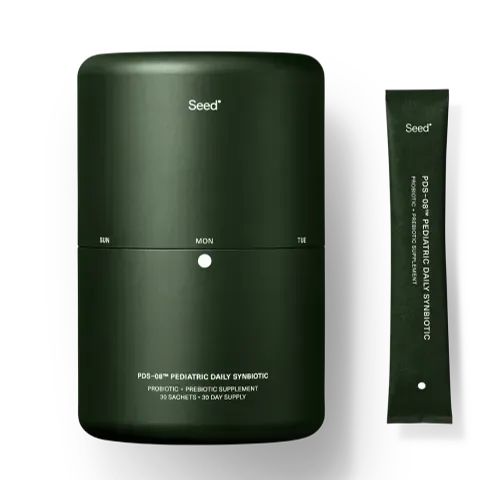
Seed offers advanced probiotics and synbiotics designed to support gut, vaginal, and overall health. Their products are rooted in rigorous scientific research and are developed with sustainability and efficacy in mind. Moreover, Seed Health pioneers microbiome science for human and planetary health. Utilizing advanced computational biology, microbial genomics, and ultra-deep sequencing, Seed Health develops innovative products and solutions for health and sustainability.

hanf&natur
Hanf-Natur is a trusted provider of organic hemp-based products, offering a wide range of foods, cosmetics, and textiles designed to promote health, sustainability, and well-being.
Startkraft
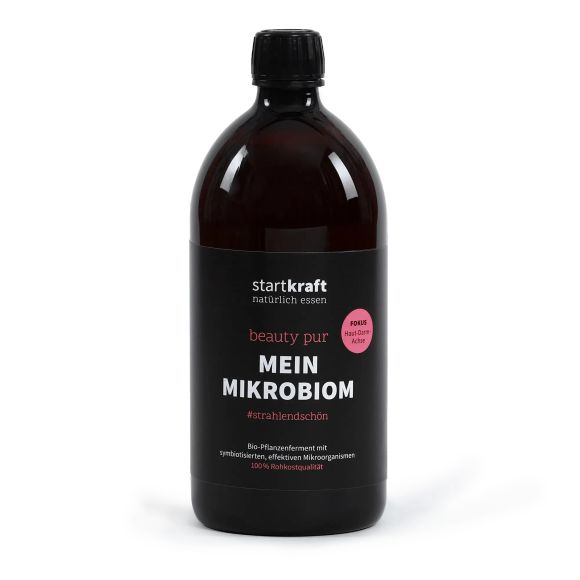
Startkraft is a German company specializing in high-quality, vegan raw food products crafted from sprouted and fermented ingredients, aimed at enhancing health and vitality.
Adon Health
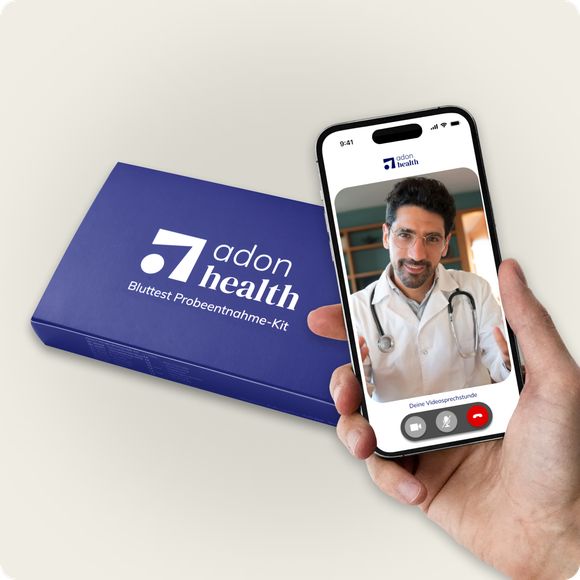
Adon Health specializes in optimizing hormonal balance and overall well-being for men. The Germany-based start-up offers at-home lab-tests and personalized therapies via video consultations and at-home delivery of prescription drugs, including testosterone replacement therapy (TRT) and other treatments tailored to individual needs. It's mission is to empower men to achieve peak performance and long-term health.
ProLon
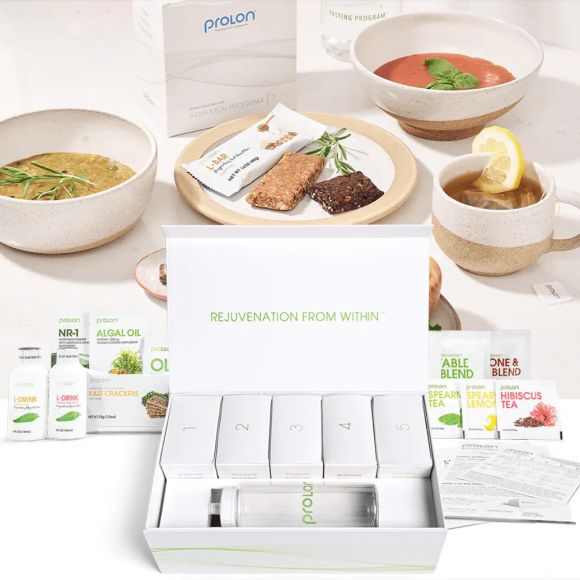
ProLon offers a revolutionary 5-day Fasting Mimicking Diet—scientifically engineered to trigger the cellular benefits of water-only fasting, like autophagy and metabolic reset, while providing nourishing, plant-based meals.
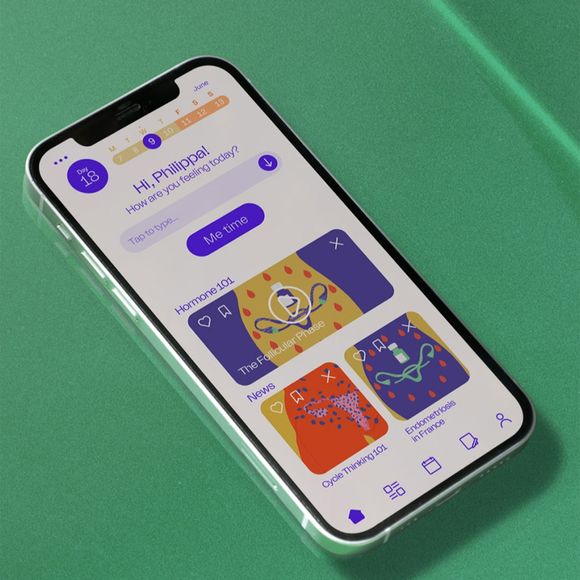
Hermone.Health

HERMONE, founded in 2021 by Lucia Vilsecker and Philippa Zorn, is a Berlin-based femtech startup offering a hormone cycle awareness app. The application educates menstruating individuals about the four phases of their menstrual cycle and the associated hormonal changes, empowering users to better understand and manage their health
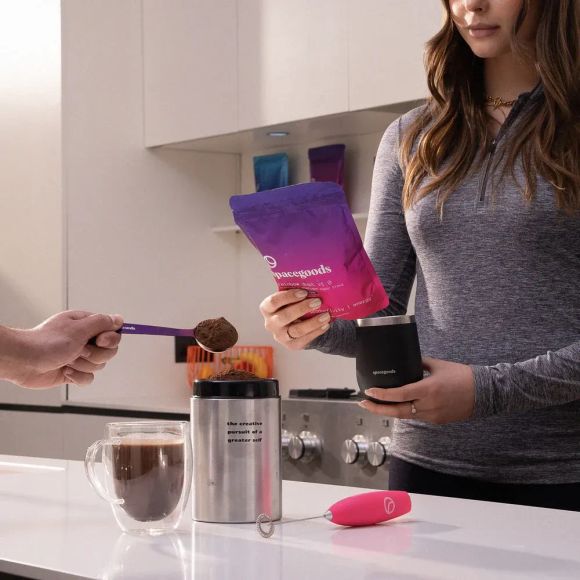
Space Goods
Spacegoods is a wellness brand specializing in functional mushroom and adaptogen blends, such as their flagship product, Rainbow Dust, designed to enhance focus, energy, and calm without the jitters associated with traditional stimulants.
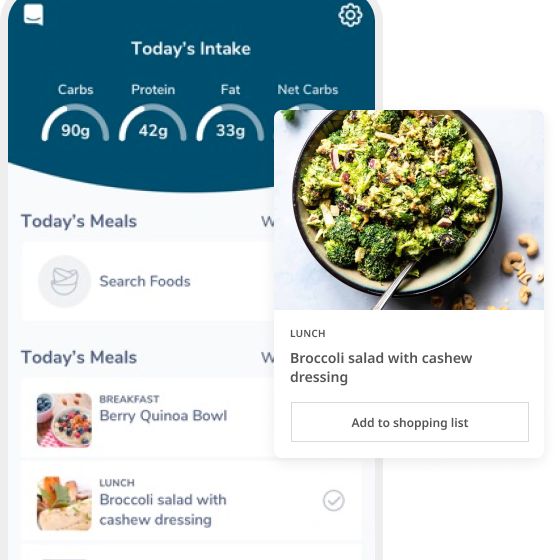
Biocanic
Biocanic is a comprehensive health intelligence platform designed for functional and integrative health practitioners, enabling streamlined management of personalized health programs through seamless integration of lab data, wearable devices, and client assessments.
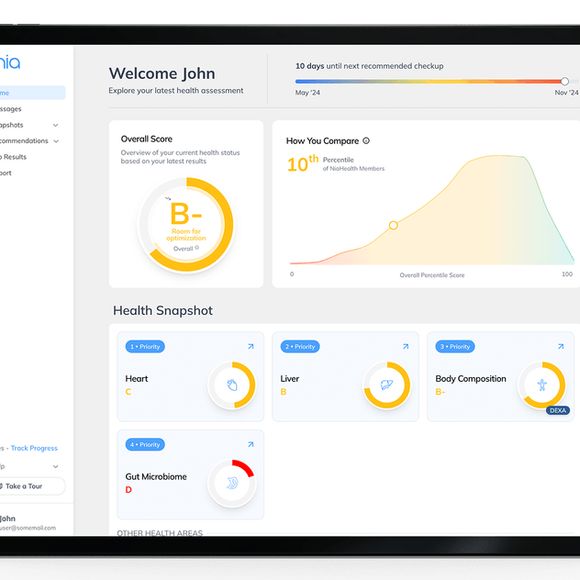
Nia Health
Nia Health is a Berlin-based digital health company specializing in personalized patient support for chronic skin conditions through AI-driven applications.

Frieda Health
Frieda Health is a Berlin-based digital health company specializing in comprehensive support for women navigating menopause. Their certified online programs, developed by medical and psychological experts, are designed to help women confidently manage menopausal symptoms. These programs are recognized by all German statutory health insurance providers, offering up to 100% reimbursement.