Knowledge
Magazine
-

The 24-Hour Sleep Model: Why Better Sleep Starts the Morning Before
8 min read
-

Eating for Longevity: Lessons From the World's Oldest People
9 min read
-

The Summer Health Kit: Supplies and Gadgets for Hot Days and Warm Nights
9 min read
Weekly picks on longevity, brands, and health science. No spam—unsubscribe anytime.
Tools
- →The 30s Longevity Guide for Women
- →Postpartum Recovery Guide
- →Perimenopause Longevity Guide
- →Dopamine Reset Guide
- →Pregnancy Longevity Guide
- →Peptide Guide
- →Home Detox Guide
- →Slow Aging Guide
- →Pro Supplement Guide
- →Safe Supplement Guide
- →Bio Age Calculator
- →Blood Testing Guide
- →Deep Sleep Guide
- →Pro Longevity Dashboard
By Category
By Goal
Knowledge
- →What is Longevity?
- →Improve diet
- →More focus
- →Look younger
- →Lose weight
- →Track biomarkers
- →Improve sleep
- →Build muscle
- →Increase cardio
- →Detect diseases
- →Recover faster
- →Relieve stress
Magazine
-
The 24-Hour Sleep Model: Why Better Sleep Starts the Morning Before
8 min read
-
Eating for Longevity: Lessons From the World's Oldest People
9 min read
-
The Summer Health Kit: Supplies and Gadgets for Hot Days and Warm Nights
9 min read
Weekly picks on longevity, brands, and health science. No spam—unsubscribe anytime.
Brands
- →Apps
- →At Home Tests & Kits
- →Events
- →Experts & Clinics
- →Foods & Beverages
- →Gadgets & Equipment
- →Gyms & Workouts
- →Supplements
- →Travel & Retreats
- →Wearables & Trackers
Tools
- →The 30s Longevity Guide for Women
- →Postpartum Recovery Guide
- →Perimenopause Longevity Guide
- →Dopamine Reset Guide
- →Pregnancy Longevity Guide
- →Peptide Guide
- →Home Detox Guide
- →Slow Aging Guide
- →Pro Supplement Guide
- →Safe Supplement Guide
- →Bio Age Calculator
- →Blood Testing Guide
- →Deep Sleep Guide
- →Pro Longevity Dashboard

Discover
Connect
Longevity Knowledge BETA
Tea
Table of Contents
Tea varieties and bioactive compounds
Tea, derived from the Camellia sinensis plant, represents one of the most researched beverages in longevity science. The processing method determines the type of tea—green tea undergoes minimal oxidation, preserving high levels of catechins, while black tea and oolong tea undergo varying degrees of fermentation that creates different polyphenolic profiles [1]. White tea, the least processed variety, maintains exceptionally high antioxidant concentrations relative to other teas.
Catechins and polyphenolic content
The primary bioactive compounds in tea are catechins, a class of flavonoids that provide potent antioxidant and anti-inflammatory effects [1]. Green tea contains approximately 25-50% catechins by dry weight, with EGCG (epigallocatechin gallate) being the most abundant and researched variant. These compounds cross the blood-brain barrier and accumulate in neural tissues, potentially supporting cognitive preservation and neuroprotection [2]. The synergistic effect of catechins with other tea polyphenols enhances their bioavailability and extends their physiological impact beyond direct antioxidant mechanisms.
L-theanine and cognitive function
L-theanine, an amino acid unique to tea, works synergistically with caffeine to promote relaxed alertness without the jitteriness associated with coffee [2]. This combination increases alpha wave activity in the brain, supporting focus and attention while reducing cortisol stress responses. A systematic review and meta-analysis found evidence of moderate effect sizes in favor of combined caffeine and L-theanine for alertness and attentional switching accuracy, particularly in the first two hours after consumption [2].
Metabolic and cardiovascular benefits
Tea catechins enhance fat oxidation and have been shown to support healthy lipid profiles and cardiovascular function [1]. Consistent tea consumption correlates with improved endothelial function, reduced arterial stiffness, and lower blood pressure. Green tea extracts have produced measurable reductions in blood pressure among overweight and obese adults, though effects are modest [3]. Observational research links daily consumption of 2-3 cups with reduced risk of premature death, heart disease, stroke, and type 2 diabetes.
Safety considerations
While tea offers numerous health benefits, drinking very hot tea (above 65°C/149°F) may increase risk of esophageal cancer [4]. The International Agency for Research on Cancer concluded that beverages above this temperature are "probably carcinogenic." Let tea cool to moderate temperatures before drinking. Those sensitive to caffeine should monitor intake, as tea contains roughly half the caffeine of coffee per cup.
References
- 1. Eng QY, Thanikachalam PV, Ramamurthy S. Molecular understanding of Epigallocatechin gallate (EGCG) in cardiovascular and metabolic diseases. J Ethnoph...
- 2. Camfield DA, Stough C, Farrimond J, Scholey AB. Acute effects of tea constituents L-theanine, caffeine, and epigallocatechin gallate on cognitive func...
- 3. Li G, et al. Effect of green tea supplementation on blood pressure among overweight and obese adults: a systematic review and meta-analysis. J Hyperte...
- 4. Loomis D, et al. Carcinogenicity of drinking coffee, mate, and very hot beverages. Lancet Oncol. 2016;17(7):877-8.
Brew green tea at lower temperatures
Time your caffeine intake
Use tea for focused work sessions
Drink 3-4 cups for cardiovascular benefits
Skip the milk in green tea
Avoid very hot temperatures
Optimal brewing times
Best time for cognitive benefits
Daily intake for health benefits
Milk and tea absorption
Proper tea storage
What is the optimal brewing temperature for green tea?
Can tea really improve cardiovascular health?
How much caffeine does tea contain?
Does decaffeinated tea have the same health benefits?
What is the difference between green, black, and white tea?
Can tea help with weight loss?
What is EGCG and why is it important?
How does L-theanine work with caffeine?

No.1 Herbal Medicine Expert: This Over The Counter Drug Is Quietly Killing You & They’re Lying About Medicinal Plants!

The Chemistry of Food & Taste | Dr. Harold McGee
We Can Now Reverse Stage 4 Cancer & These Foods Are Spreading It! Dr. William Li (Chronic Disease Expert)
No discussions yet
Be the first to start a discussion about Tea.
Community Discussions
Related Brands

dunatura

Dunatura is a German company specializing in personalized vitamins and micronutrients. They offer tailored daily packs of dietary supplements, superfoods, and teas, developed by experts in micronutrients and nutritional medicine, using only high-quality raw materials without unnecessary additives.
ProLon
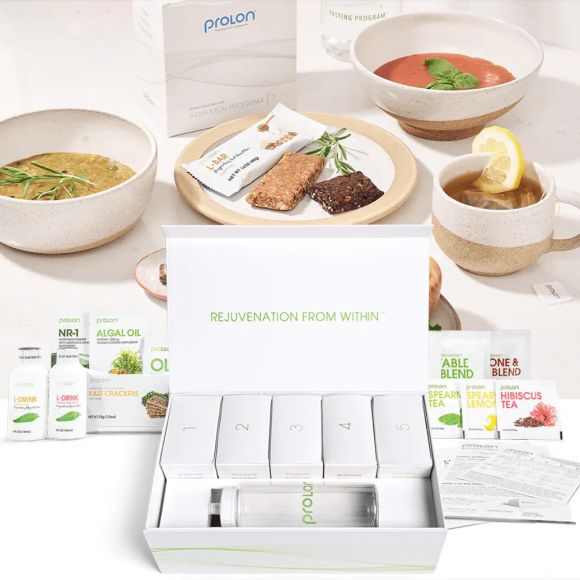
ProLon offers a revolutionary 5-day Fasting Mimicking Diet—scientifically engineered to trigger the cellular benefits of water-only fasting, like autophagy and metabolic reset, while providing nourishing, plant-based meals.
Very Matcha
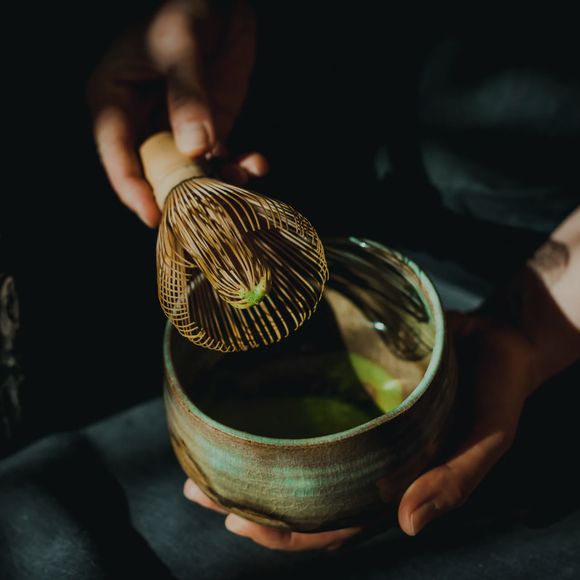
Very Matcha offers authentic organic Japanese matcha (Ceremony & Barista grades), harvested and imported directly from Kagoshima, with sustainable packaging and high antioxidant power.

Pique
Pique Life offers fast‑dissolving tea crystals, botanical supplements, and functional beverages designed to support radiant skin, calm energy, immune balance, and digestive resilience.
WELLCHA

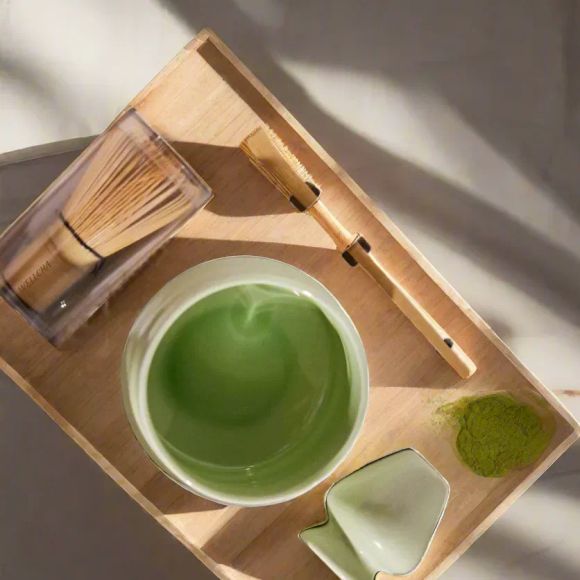
Wellcha offers premium matcha sourced from Uji, Kyoto, providing a smooth, creamy taste and natural energy boost without the typical coffee crash.

Health-Ade
Health-Ade offers a variety of bubbly probiotic teas, commonly known as kombucha, designed to support digestive health and overall well-being. Their products are made with natural ingredients and come in a range of delicious flavors.

Tigogreen
Tigogreen offers products combining the benefits of green tea and natural supplements for health and beauty. Their range includes green tea complexes, beauty creams, supplements, and wellness products designed to promote overall well-being.
Neuro Gum
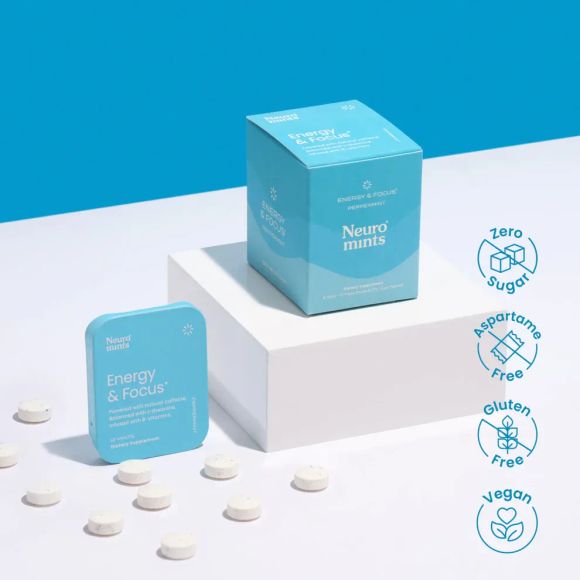
Neuro offers functional gum and mints formulated with natural caffeine, L-theanine, and B vitamins to enhance energy, focus, and mental clarity. These vegan, sugar-free products provide a convenient alternative to traditional energy supplements.
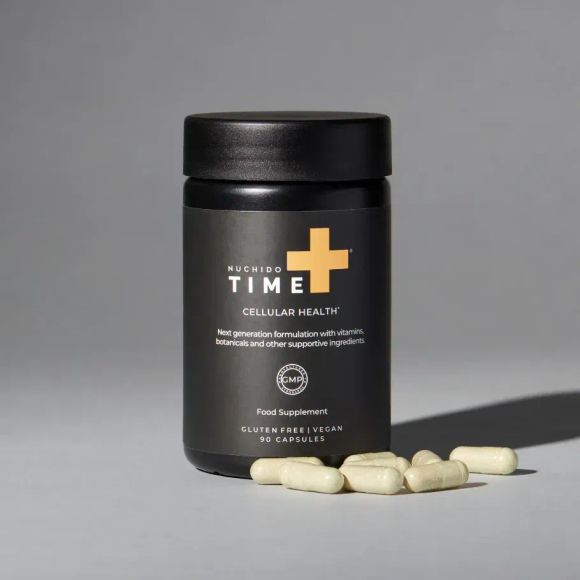
Nuchido
Nuchido TIME+ is a science‑backed supplement formulated to support cellular health by boosting NAD⁺ levels, antioxidants, and botanicals. It’s designed to help maintain energy, repair, and vitality as you age.