



The Plant Compounds Behind Every Centenarian Diet
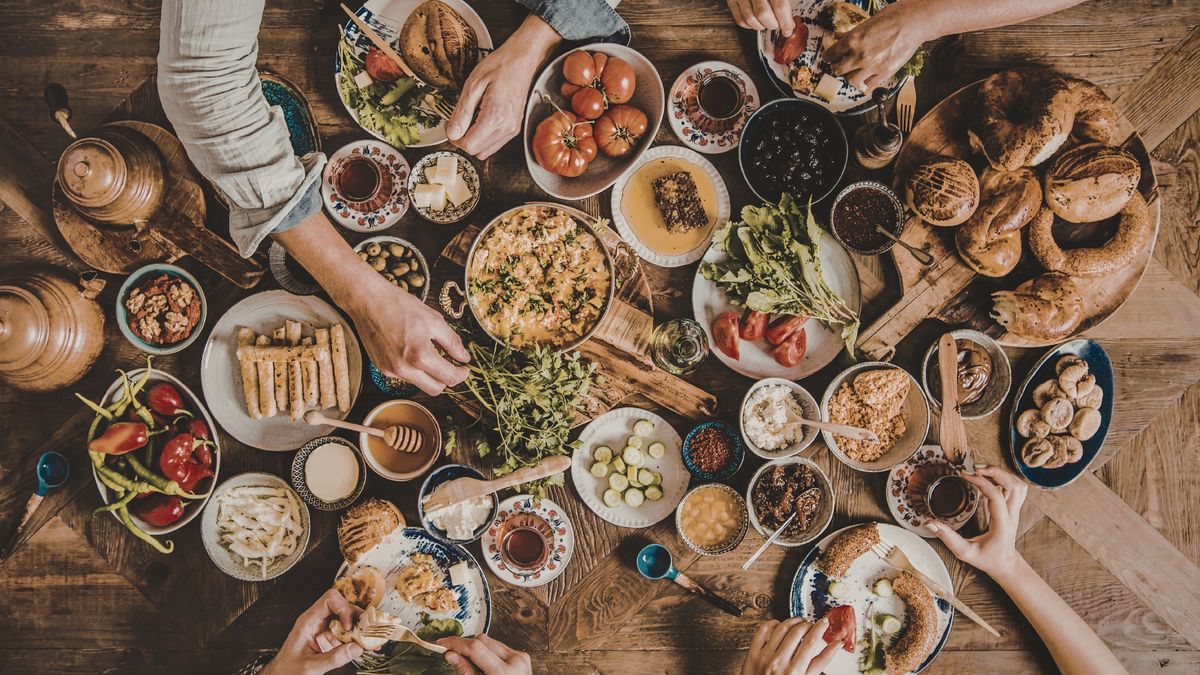
The natural world offers some of the most powerful compounds for human health, and it is no surprise that our bodies tend to thrive when our diets are abundant in whole plant foods.
After all, we evolved from nature, consuming plants, roots, legumes, herbs, and seasonal produce long before modern processed foods ever existed.
When scientists study the world's longest-lived populations, a striking pattern emerges: these communities share close proximity to fresh markets and a rich variety of fruits, vegetables, herbs, and locally grown seasonal produce.
Their diets differ in many ways across cultures and geographies, but one thread runs through all of them — an abundance of polyphenols.
What are polyphenols?
Polyphenols are protective compounds that plants produce when faced with environmental stress.
To date, over 8,000 distinct polyphenols have been identified. From the anthocyanins that give blueberries their deep blue hue, to the curcuminoids in turmeric, the flavonoids in green tea, the resveratrol in red grapes, and the oleocanthal found in high-quality extra virgin olive oil.
What makes polyphenols remarkable?
Unlike single-target drugs, their structure possesses what scientists call multitargeting capacity; the ability to interact simultaneously with enzymes, cell receptors, and multiple biological pathways.
This gives them a uniquely broad influence over human health.
Free Guide: Slow Aging Guide
6 Easy Practices to Start Now
(Even if you’re short on time or motivation)
By subscribing you will also be signed up for the New Zapiens newsletter
25,000+ Downloads • 100% Free

Far More Than Antioxidants
For decades, polyphenols were studied almost exclusively for their antioxidant properties. Free radicals, unstable, destabilizing molecules, cause cumulative oxidative damage to cells. This damage is considered a root cause of chronic illness.
Antioxidants help neutralize it, and polyphenols are among the most potent sources found in nature.
Researchers now understand that polyphenols influence immune signaling, support mitochondrial efficiency, activate the body's internal cellular recycling systems, regulate inflammatory responses, promote cellular repair, and help maintain metabolic balance.
Altogether, these effects may contribute to a longer healthspan and potentially support a longer lifespan through reduced risk of age-related diseases.
Aging Through the Lens of These Molecules
Aging is not a single process but a convergence of many: mitochondrial dysfunction, telomere shortening, chronic low-grade inflammation, and escalating oxidative stress, among others. These hallmarks gradually degrade cellular function and tissue integrity, and for a long time, medicine approached them one at a time.
Polyphenols offer a different logic. Due to their multitargeting nature, a single compound can potentially engage several of these pathways simultaneously, as supported by preclinical and emerging human evidence.
The Compounds Leading the Way
- Quercetin (onions, capers): has shown promise in clearing damaged senescent cells
- Fisetin (strawberries): demonstrates potent neuroprotective and anti-inflammatory effects
- Resveratrol (red grapes, Japanese knotweed, peanuts) : activates longevity-associated proteins called sirtuin
- Anthocyanins (blueberries) : protect against oxidative damage in the brain and cardiovascular system
- Ellagitannins (pomegranate): converted by gut bacteria into urolithin A, which supports mitochondrial renewal
- EGCG (green tea, matcha) : influences multiple cancer-protective and metabolic pathways
The Gut Connection
Most polyphenols are not directly absorbed in the small intestine. Roughly 90 to 95 percent travel to the large intestine, where they encounter the gut microbiome.
Far from being wasted, this journey is central to how polyphenols work.
Gut microbiota transform polyphenols into smaller metabolites that enter the bloodstream and influence multiple systems throughout the body, including the heart, brain, and immune system.
Beyond this, polyphenols also act as prebiotics, nourishing beneficial bacterial strains and helping maintain the microbial diversity that underlies so much of our overall health.
The Polyphenol Playbook
Choose the Right Sources
Plants grown in their native environments and under genuine stress tend to develop richer natural defense chemistry and higher polyphenol content.
Farming practices matter: lower chemical inputs, diverse soils, and ecological cultivation encourage plants to produce more of these compounds.
When possible, choose organic, seasonal, heritage, or wild varieties.
Prepare Them Wisely
How you prepare food has a meaningful effect on polyphenol content.
Prolonged high heat, deep frying, and repeated reheating all cause significant degradation. Gentler methods such as light steaming, brief sautéing, or raw preparation can preserve their structure.
Also, favour whole fruits rather than juices, since many polyphenols concentrate in the skin and fiber.
Improve Absorption
Certain combinations can improve how well polyphenols are absorbed. Proteins and dairy may bind to some polyphenols, which can reduce their absorption.
Many polyphenols are fat soluble, so consuming them alongside healthy fats such as nuts, seeds, avocado, or olive oil can improve uptake in the body; a drizzle of olive oil over vegetables, a handful of nuts with berries, or avocado added to a salad can increase how much your body absorbs. Be mindful of these combinations.
The Essential Takeaway
The science of polyphenols is still developing, and there is much we do not yet fully understand. Lots of recent research in polyphenols has encouraged the development of novel therapeutic strategies to create anti-aging therapies and nutritional supplements.
However, the overall message is clear and consistent: just like in nature, diversity is key.
Because polyphenols target different biological pathways, a varied diet rich in fruits, vegetables, herbs, tea, olive oil, and other plant foods is the most effective way to benefit from what they offer.
The longest-lived people on earth have understood this intuitively for generations, not as a health regimen, but as a way of life. The science is now catching up to what their plates have always known.
Free weekly newsletter
Your weekly brief on
living longer – without
overhauling your life
10,000+ readers get smarter about their health every Thursday. Join them.
- Science broken down for real life
- Daily health routines from leading experts
- Free health guides & tools every week
No spam. Unsubscribe anytime.
Read by 10.000+ health-conscious readers.


Author: Ilhui Hernandez
I am a biologist and chemical engineer working at the intersection of longevity science and sustainability. My work explores pharmaceutical active ingredients and bioactive compounds derived from natural ingredients that support human health. My journey began working with rural communities and expanded to laboratories across continents, leading to a central insight: human health is inseparable from the health of ecosystems.