


How Poor Sleep Ages High Performers Faster — And What to Do About It
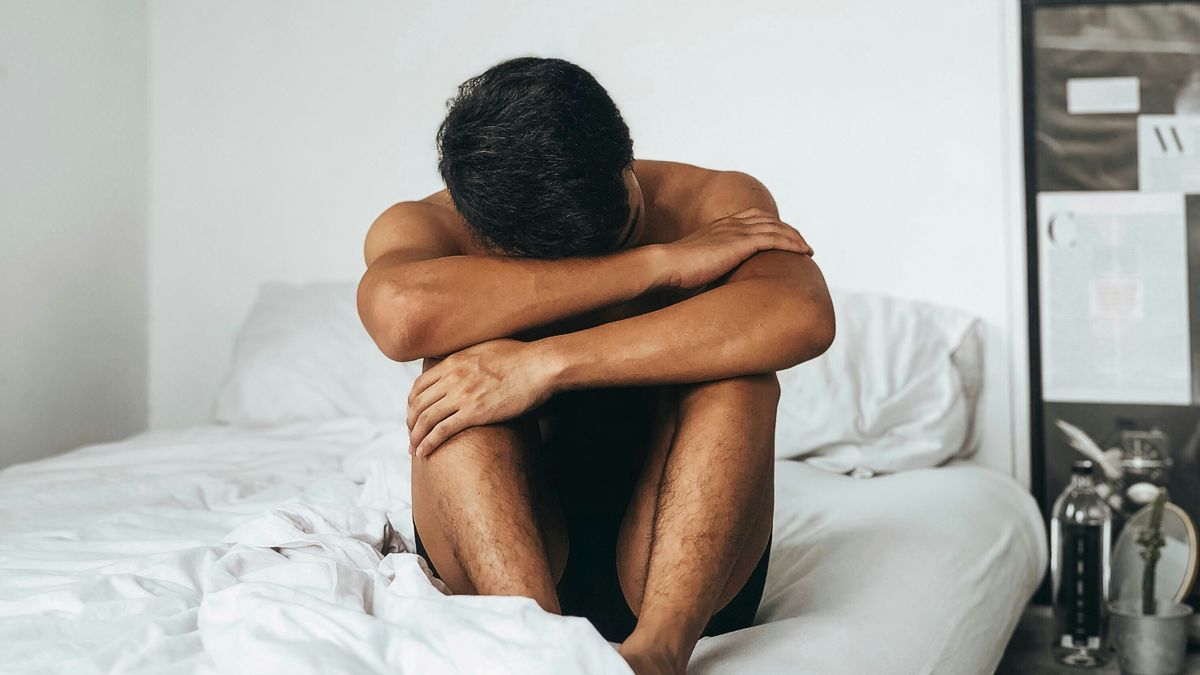
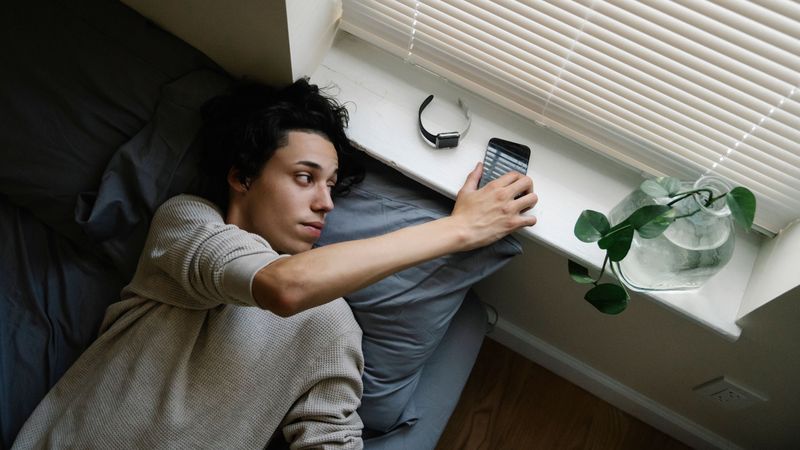
There’s a quiet badge of honor in high-performance culture: the person who functions on five hours of sleep. Who replies to emails at midnight and is first in the office at 7 AM. Who says “I’ll sleep when I’m dead” – usually without realizing how literally accurate that statement might be.
The science on sleep is no longer ambiguous. It hasn’t been for years. And yet the myth of the productive short sleeper persists – mostly because the damage is invisible in the short term and devastating in the long term.
I work with entrepreneurs and executives who are serious about performance and longevity. Sleep is, without exception, the single highest-leverage variable I see mismanaged. Not nutrition. Not training. Sleep.
Here’s what’s actually happening when you cut it short – and what to do about it.
What Sleep Deprivation Does to Your Biology
When you sleep fewer than 7 hours per night consistently, the effects go far beyond feeling tired.
Your brain clears less metabolic waste.
During deep sleep, your glymphatic system – essentially the brain’s waste disposal network – flushes out toxic byproducts, including amyloid-beta and tau proteins. These are the same proteins that accumulate in Alzheimer’s disease. One night of poor sleep measurably increases amyloid-beta levels. Chronic sleep deprivation accelerates this buildup over years.
Your hormonal profile shifts toward aging.
Growth hormone is released almost entirely during the first half of the night, in deep sleep. Testosterone production is strongly tied to sleep duration and quality. Men who sleep five hours have testosterone levels comparable to men ten years older. At the same time, cortisol – your primary stress hormone – rises with sleep restriction, driving inflammation, fat storage around the abdomen, and accelerated cellular aging.
Your immune system weakens.
Free Guide: Deep Sleep Guide
Sleep Like a Pro–18 Hacks For More Energy & Focus
(Even with limited time and budget)
By subscribing you will also be signed up for the New Zapiens newsletter
25,000+ Downloads • 100% Free

Studies have shown that people sleeping six hours or fewer are significantly more likely to catch a cold when exposed to a virus than those sleeping seven or more. NK cells – natural killer cells, a frontline immune defense – drop in number after just one night of insufficient sleep.
Your metabolic health deteriorates.
Even partial sleep restriction impairs insulin sensitivity within days. Your cells become less responsive to insulin, your hungerhormones shift (more ghrelin, less leptin), and your appetite increases – particularly for calorie-dense, high-carbohydrate foods. The link between chronic sleep deprivation and type 2 diabetes is well-established.
Your biological age accelerates.
Epigenetic aging clocks – tools that measure biological age based on DNA methylation patterns – consistently show that poor sleepers age faster at the cellular level than their chronological age would suggest.
This is not about feeling groggy in the morning. This is systemic, compounding biological damage.
Why High Performers Are Especially Vulnerable
High performers tend to have two things working against them: high cognitive and physical demands that require more recovery, and a culture that actively discourages prioritizing sleep. The irony is sharp. The very people who most need sleep – those running companies, making high-stakes decisions, managing teams, training hard – are often the ones sleeping the least.
Sleep deprivation impairs prefrontal cortex function, the part of the brain responsible for executive decision-making, impulse control, emotional regulation, and strategic thinking. It reduces creativity, increases cognitive rigidity, and makes you worse at the exact things that define your professional edge.
Matthew Walker, a neuroscientist who has spent his career studying sleep, puts it clearly: there is no major system in the body that is not affected by sleep. Not one. The compounding problem is that sleep-deprived people consistently overestimate their own performance. They adapt to feeling tired, normalize it, and lose the ability to accurately assess how impaired they actually are. This has been demonstrated in controlled studies.
You can’t think your way out of the impairment caused by insufficient sleep.
What Actually Works: A Practical Framework
The good news is that sleep is highly optimizable. Most of the variables are within your control.
1. Protect the duration non-negotiably
Seven to nine hours in bed for most adults. Not “in bed scrolling” – in bed trying to sleep. If you’re consistently waking up exhausted or relying on caffeine to function before noon, your duration or quality (or both) is insufficient. Start here. Everything else is secondary.
2. Stabilize your sleep-wake timing
Your circadian rhythm is governed primarily by light and timing. Going to bed and waking up at consistent times – including weekends – is one of the highest-impact interventions available. Irregular sleep timing disrupts the circadian system in ways that parallel shift work, which is associated with significantly elevated disease risk. Set a fixed wake time first. The sleep onset time will follow.
3. Manage light strategically
Light is the primary signal your brain uses to set its circadian clock.
• Morning: Get bright light exposure within 30–60 minutes of waking. Ideally outdoors. This anchors your rhythm and sets the timing of melatonin release that evening.
• Evening: Dim indoor lighting after sunset. Avoid screens in the 60–90 minutes before bed, or use blue-light filtering. Even moderate artificial light at night suppresses melatonin and delays sleep onset.
This is free and takes no extra time. It is also consistently underused.
4. Control your thermal environment
Body core temperature needs to drop by approximately 1°C to initiate and maintain sleep. A cooler bedroom (around 17–19°C for most people) facilitates this. A warm shower or bath 1–2 hours before bed is counterintuitively useful – it accelerates the drop in core temperature that follows.
5. Audit your stimulants
Caffeine has a half-life of approximately 5–7 hours. A coffee at 2 PM means half that caffeine is still active at 9 PM. This affects sleep architecture – specifically the amount of deep, restorative sleep you get – even if you feel like you fell asleep without difficulty. A practical rule: no caffeine after noon if you want to be in bed by 11 PM.
Alcohol deserves a separate note. It may help you fall asleep, but it significantly fragments sleep in the second half of the night and suppresses REM sleep - it is not a sleep aid. It is a sedative with significant downstream costs.
6. Use data if you’re serious
Wearables like the Oura Ring or Whoop provide useful proxies for sleep quality, HRV trends, and recovery status. They are not perfect, but they give you signal. The most valuable insight is usually not any single night, but the trend – how your sleep responds to stress, training load, alcohol, late meals, and travel. If you want to understand your sleep, track it for 4–6 weeks. Patterns will emerge quickly.
The Bottom Line
Sleep is not a recovery tool for those who can afford the time. It is a biological necessity that determines how fast you age, how well your brain works, how your hormones function, and how long you stay healthy. The idea that elite performers can thrive on less sleep is largely a myth built on short-term anecdote and a complete disregard for the long-term biology. Most people who “function fine” on five or six hours are functioning fine relative to their sleep-deprived baseline – not relative to what they’re actually capable of.
You don’t need to overhaul your life. Start with one thing: a consistent wake time, every day, for two weeks. Notice what changes.
The return on investment is higher than almost anything else you can do for your health, your performance, and how long you sustain both.
Free weekly newsletter
Your weekly brief on
living longer – without
overhauling your life
10,000+ readers get smarter about their health every Thursday. Join them.
- Science broken down for real life
- Daily health routines from leading experts
- Free health guides & tools every week
No spam. Unsubscribe anytime.
Read by 10.000+ health-conscious readers.


Author: Johannes Claudio Bambas
Executive Performance & Longevity - Medically Guided. Systematically Executed. I'm a medical doctor, Ironman & Hyrox athlete, and founder of DocBambas. I help entrepreneurs and executives who want to perform at a high level for decades - using medical diagnostics, biomarker data & practical lifestyle strategies built for full schedules and high standards. Host of "Beyond Limits - Performance X Medicine". Health is not a side project. It's the foundation everything else is built on.